
Estrogen balancing foods every woman should add to her diet — that phrase didn’t mean much to me until I started connecting dots I’d been quietly ignoring for years.
The mood swings arrived out of nowhere a week before my period. The weight that kept gathering around my hips, no matter how carefully I ate. The fatigue felt bone-deep by 3 pm every single afternoon. My skin was breaking out like I was seventeen again. My sleep — once solid and reliable — suddenly became a nightly negotiation with my own body.
I’d been writing these things off as stress, age, “just how things are now.” It wasn’t until a conversation with my gynecologist and a long, research-heavy rabbit hole that I understood most of what I was experiencing had a common thread: estrogen imbalance. And the most accessible, powerful tool for addressing it had been sitting in my kitchen the whole time.
Table of Contents
What Estrogen Balance Actually Means (And Why It Goes Wrong)
Estrogen is not a single hormone — it’s a family of hormones, primarily estrone (E1), estradiol (E2), and estriol (E3), each playing distinct roles across a woman’s life. Estradiol is the most potent, governing the menstrual cycle, bone density, cardiovascular health, skin elasticity, brain function, mood regulation, and libido, among other things.
When estrogen is in balance — neither too high nor too low relative to progesterone — the body functions fluidly. When it isn’t, the effects cascade across almost every system you live in.
Signs of estrogen dominance (too much estrogen relative to progesterone):
- Heavy, painful, or irregular periods
- PMS symptoms that feel severe or hard to manage
- Bloating and water retention, especially before your period
- Mood swings, anxiety, or persistent irritability
- Weight gain around the hips, thighs, and lower abdomen
- Fibrocystic breast tissue
- Brain fog and afternoon fatigue
- Headaches, particularly around ovulation or menstruation
Signs of low estrogen:
- Hot flashes and night sweats
- Vaginal dryness and discomfort
- Joint pain and reduced bone density
- Depression, flat mood, or low motivation
- Memory issues and difficulty concentrating
- Dry skin and hair thinning
- Loss of libido
Estrogen imbalance has multiple causes: chronic stress and elevated cortisol, poor liver function (the liver metabolizes and clears excess estrogen), gut microbiome disruption (the “estrobolome” — the specific gut bacteria that regulate estrogen reabsorption — plays a massive role), environmental estrogens from plastics and personal care products, and critically, diet.
What you eat influences estrogen production, estrogen metabolism, and the liver and gut’s ability to process and eliminate it. That’s where these ten foods come in.
10 Estrogen Balancing Foods Every Woman Should Add to Her Diet
1. Flaxseeds
If there’s one food that comes up in almost every conversation about estrogen balance, it’s flaxseed — and for very good reason. Flaxseeds are the richest dietary source of lignans, a type of phytoestrogen that binds to estrogen receptors and helps regulate estrogenic activity. When estrogen is too high, lignans can have a modulating effect; when estrogen is low, they can provide mild estrogenic support.
Beyond lignans, flaxseeds are rich in omega-3 fatty acids and soluble fiber, both of which support the gut microbiome and the estrobolome. Studies have found that regular flaxseed consumption can reduce estrogen metabolites associated with increased health risks.
How to use them: Ground flaxseeds are far more bioavailable than whole seeds. Add 1–2 tablespoons daily to smoothies, oatmeal, yogurt, or baked goods. Store ground flaxseed in the fridge after opening to prevent oxidation.
2. Cruciferous Vegetables
Broccoli, cauliflower, Brussels sprouts, kale, arugula, and cabbage — this entire vegetable family contains a compound called indole-3-carbinol (I3C), which converts in the stomach to diindolylmethane (DIM). DIM supports the liver in processing estrogen through healthier metabolic pathways, encouraging the production of “good” estrogen metabolites (2-hydroxyestrone) over more potent, potentially problematic ones (16α-hydroxyestrone).
They’re also rich in sulforaphane, fiber, and antioxidants that reduce inflammation and support overall liver detoxification.
How to use them: Aim for at least 1–2 servings of cruciferous vegetables daily. Lightly steaming preserves more of the active compounds than boiling. Roasting with olive oil is deeply satisfying and still plenty beneficial.
3. Fermented Foods
Your gut microbiome has a direct and significant impact on how your body handles estrogen. The estrobolome — the gut bacteria that produce an enzyme called beta-glucuronidase — determines how much estrogen gets reabsorbed into circulation versus properly excreted. When gut health is disrupted, excess estrogen gets recirculated rather than eliminated, contributing to estrogen dominance.
Fermented foods — yogurt, kefir, sauerkraut, kimchi, miso, tempeh, kombucha — introduce beneficial probiotics that support a healthy estrobolome and keep estrogen reabsorption in check.
How to use them: Add at least one fermented food to your daily diet. A small serving of sauerkraut alongside dinner, a cup of kefir in the morning, or miso broth as an afternoon snack are all simple, low-effort ways in.
4. Sesame Seeds
Sesame seeds are the second richest dietary source of lignans after flaxseeds, and they also contain phytosterols and healthy fats that support hormonal health. Research has shown that sesame seed consumption can positively affect estrogen levels and improve antioxidant status, particularly in postmenopausal women.
Sesame seeds are also a good source of zinc, which plays a role in progesterone production. Because estrogen balance is really about the ratio of estrogen to progesterone, supporting progesterone matters just as much as managing estrogen itself.
How to use them: Tahini (sesame paste) is the easiest daily incorporation — use it in dressings, drizzle over roasted vegetables, or blend into smoothies. Whole sesame seeds work well sprinkled over salads, stir-fries, and grain bowls.
5. Oats
Oats deserve far more credit in the hormonal health conversation. They contain a specific soluble fiber called beta-glucan, which feeds beneficial gut bacteria and helps bind excess estrogen in the digestive tract, aiding elimination. Oats are also a solid source of magnesium, a mineral that plays a critical role in progesterone production and has been shown to reduce PMS symptoms — particularly mood-related ones.
Whole rolled oats (not instant, which are more processed and higher on the glycemic index) also stabilize blood sugar, and blood sugar instability is one of the most overlooked drivers of hormonal disruption.
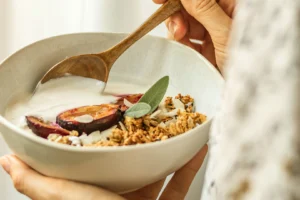
How to use them: A serving of steel-cut or rolled oats in the morning with added flaxseeds and berries is essentially a hormone-support breakfast in a single bowl. Half to one cup of dry oats per serving is ideal.
6. Pomegranate
Pomegranate is genuinely one of the most underrated foods for estrogen balance. It contains compounds called ellagitannins, which gut bacteria convert to urolithins — molecules shown to inhibit aromatase, the enzyme responsible for converting androgens into estrogen. In cases of estrogen dominance, reducing excessive aromatase activity is clinically meaningful.
Pomegranate also contains phytoestrogens and antioxidants that support overall endocrine function and reduce oxidative stress on the reproductive system. Multiple clinical trials have linked pomegranate to improvements in menopausal symptoms.
How to use them: Pomegranate seeds (arils) are easy to scatter over salads, yogurt, and oatmeal. Unsweetened 100% pomegranate juice is a concentrated option — about 4–8 oz per day is reasonable.
7. Leafy Greens — Especially Spinach and Swiss Chard
Dark leafy greens are foundational to hormonal health for several overlapping reasons. They’re rich in magnesium (for progesterone support), folate (essential for estrogen metabolism), and the B vitamins that the liver requires to run its detoxification pathways efficiently. When the liver is nutrient-deficient, estrogen clearance slows, and circulating levels rise.
Spinach and Swiss chard are also rich in iron — a mineral many women are depleted in due to monthly blood loss — and iron deficiency compounds the fatigue and brain fog that hormonal imbalance already creates.
How to use them: Two to three cups of leafy greens daily is the target. Raw in salads, wilted into eggs, blended into smoothies (you genuinely cannot taste it), or sautéed as a side dish — all of it counts.
8. Wild-Caught Salmon
The omega-3 fatty acids in fatty fish — particularly EPA and DHA — reduce systemic inflammation, and inflammation is both a driver and a consequence of hormonal imbalance. Chronic low-grade inflammation impairs the hypothalamic-pituitary-ovarian (HPO) axis, disrupting the hormonal signaling that governs estrogen and progesterone production throughout the cycle.
Wild-caught salmon is also a rich source of vitamin D, which functions more like a hormone than a traditional vitamin and plays a direct role in estrogen synthesis and receptor sensitivity. Vitamin D deficiency is increasingly common and directly correlates with hormonal and menstrual irregularities.
How to use them: Two to three servings of fatty fish per week is the research-backed intake recommendation. If access or preference makes this difficult, a high-quality fish oil supplement can help, but whole food sources are always preferable.
9. Walnuts
Walnuts are the highest plant-based source of ALA omega-3 fatty acids, and they also contain melatonin, polyphenols, and vitamin E — a fat-soluble antioxidant that specifically supports reproductive hormone function and has been studied for its role in reducing hot flashes and supporting progesterone levels in perimenopausal women.
They’re also a meaningful source of the amino acid arginine, which improves circulation and supports liver detoxification capacity — another critical piece of the estrogen clearance picture.
How to use them: About 1 oz per day (roughly 14 walnut halves) is a simple, realistic daily dose. Add to oatmeal, salads, or eat as a snack alongside a couple of squares of dark chocolate.
10. Turmeric
Turmeric earns its place on this list not as a phytoestrogen, but because curcumin — its active compound — directly influences estrogen metabolism. It has been shown to modulate aromatase activity, inhibit certain estrogen receptor signaling pathways linked to estrogen-sensitive conditions, and reduce the systemic inflammation that worsens hormonal imbalance across the board.
Curcumin also actively supports liver health, which, as we’ve established, is central to the entire estrogen clearance process. A chronically burdened liver is one of the primary reasons excess estrogen accumulates in the first place.
How to use them: Always pair turmeric with black pepper — piperine increases curcumin absorption by up to 2,000%, which is not a typo. Add to curries, soups, scrambled eggs, golden milk lattes, or smoothies. Half to one teaspoon daily with a pinch of black pepper is meaningful.
Practical Tips for Getting These Foods Into Your Actual Life
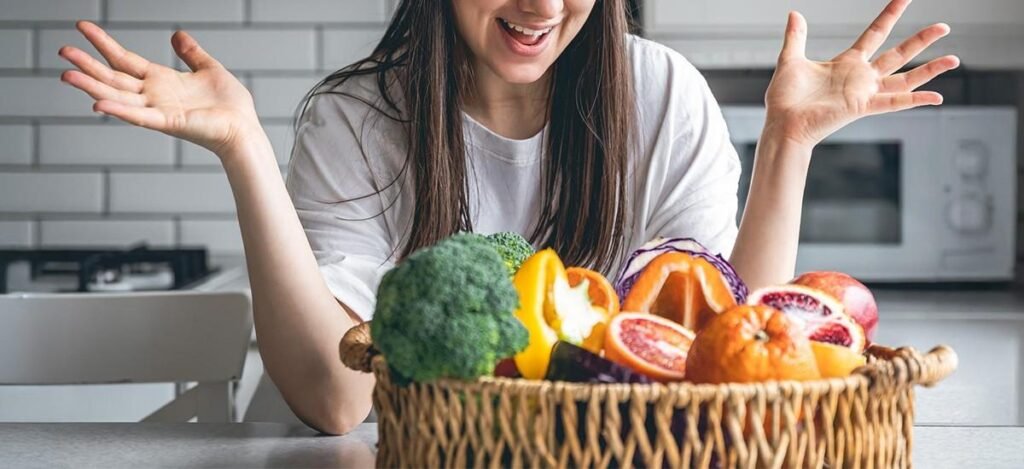
Knowing which foods to eat is one thing. Getting them into your daily routine — with a job and family and the constant pull of whatever’s easiest — is the real challenge. Here’s what genuinely works:
- Build a “hormone-supportive breakfast” you rotate through. Overnight oats with ground flaxseeds, walnuts, and berries. A smoothie with spinach, flaxseed, frozen mango, and kefir. Scrambled eggs with sautéed kale and turmeric. These take 5–10 minutes and cover multiple foods from the list at once.
- Add one fermented food to one meal daily. A spoonful of sauerkraut, a cup of plain yogurt, a splash of kefir. Small and consistent beats occasional and perfect, every single time.
- Use tahini as your default dressing base. Thin it with lemon juice and water, add garlic and cumin, and you have a dressing that also happens to deliver sesame lignans with every bite.
- Batch-roast cruciferous vegetables once a week. Toss broccoli and Brussels sprouts in olive oil, roast at 425°F until caramelized, and refrigerate. They reheat in 2 minutes and go with everything.
- Keep walnuts and dark chocolate accessible. Replace your mid-afternoon processed snack with this combination. It takes zero willpower once it’s the default option within reach.
A Sample Day of Hormone-Supportive Eating
This is just an illustration — not a rigid plan, just a picture of how naturally these foods fit together.
Morning: Steel-cut oats with 2 tablespoons ground flaxseed, a handful of walnuts, pomegranate arils, and a drizzle of tahini. Black coffee or green tea.
Midmorning (if needed): Plain full-fat Greek yogurt with a few berries.
Lunch: Large salad with massaged kale and arugula, roasted broccoli, canned wild salmon, sliced avocado, sesame seeds, and a tahini-lemon dressing.
Afternoon: Golden milk latte — warm milk (any kind) with ½ tsp turmeric, a pinch of black pepper, cinnamon, and a small drizzle of honey.
Dinner: Baked wild salmon with garlic-herb crust, a large serving of sautéed Swiss chard in olive oil, and a small portion of cauliflower rice or whole grain farro.
After dinner: Two squares of dark chocolate (85%+) and a cup of chamomile tea.
This single day covers flaxseeds, walnuts, cruciferous vegetables, leafy greens, salmon, fermented food, sesame, turmeric, and pomegranate. Not through effort. Through intention.
Recommended Products to Support Your Hormonal Health
| Product | Why It Helps | Link |
| Spectrum Essentials Organic Ground Flaxseed (15 oz) | Pre-ground, organic, ready to use daily | View on Amazon |
| Navitas Organics Sesame Seeds | Raw, hulled, easy to scatter on any meal | View on Amazon |
| Kevala Organic Tahini (32 oz) | Clean-ingredient tahini, ideal for daily dressings | View on Amazon |
| Wild Planet Wild Pink Salmon (6-pack) | BPA-free, sustainably sourced, omega-3 rich | View on Amazon |
| NOW Foods Magnesium Glycinate (120 caps) | Supports progesterone production; reduces PMS | View on Amazon |
| Garden of Life Raw Probiotics Women | Targeted probiotic specifically for the female estrobolome | View on Amazon |
| Thorne Curcumin Phytosome (60 caps) | Highly bioavailable curcumin with demonstrated absorption | View on Amazon |
| Bob’s Red Mill Organic Extra Thick Rolled Oats | Whole grain, unprocessed, with full beta-glucan content intact | View on Amazon |
| Pom Wonderful 100% Pomegranate Juice (pack of 6) | Concentrated ellagitannins; no added sugar | View on Amazon |
| California Gold Nutrition Vitamin D3 (2000 IU) | Supports estrogen receptor function; essential if deficient | View on Amazon |
Links are for reference only. Always verify current pricing, reviews, and product specifications before purchasing. This post may contain affiliate links.
FAQ: Estrogen Balancing Foods
Q: How quickly will I notice a difference from eating these foods?
A: Dietary changes that affect hormone levels work over weeks and months, not days. Most women notice improvements in energy, mood stability, and PMS severity within 4–8 weeks of consistent dietary adjustment. More significant hormonal shifts may take 3–6 months to show measurably. Consistency over time is what drives real change — not a single superfood eaten here and there.
Q: Can these foods help if my estrogen is too low, not too high?
A: Phytoestrogens like those in flaxseeds and sesame seeds are modulatory — they can exert mild estrogenic activity when estrogen is low and have a competing, dampening effect when estrogen is high. They’re not the same as pharmaceutical estrogen and work subtly. If you have clinically low estrogen confirmed by blood work, please work with your healthcare provider — dietary changes alone may not be sufficient for a significant deficiency.
Q: Should I be worried about soy? I’ve heard it’s bad for hormones.
A: The soy-estrogen story is frequently misrepresented. Whole soy foods — edamame, tofu, tempeh, miso — have not been shown in clinical research to negatively affect hormonal health in most women. Some research actually suggests they’re protective for menopausal symptoms and bone density. Heavily processed soy (soy protein isolate in bars and packaged foods) is a different matter. If you have a history of estrogen receptor-positive breast cancer, discuss soy specifically with your oncologist.
Q: Are there foods that actively make estrogen imbalance worse?
A: Yes. The biggest dietary drivers of estrogen imbalance are: alcohol (impairs the liver’s ability to clear estrogen), refined sugar and high-glycemic foods (spike insulin, which promotes aromatase activity), conventional non-organic animal products (may contain synthetic hormones), highly processed foods (disrupt the gut microbiome and estrobolome), and excessive omega-6 vegetable oils like corn and soybean oil (drive the inflammation that worsens hormonal disruption).
Q: What other lifestyle factors matter for estrogen balance beyond diet?
A: Quite a few. Quality sleep (poor sleep elevates cortisol, which disrupts estrogen-progesterone balance directly), stress management (chronic cortisol suppresses progesterone and can drive dominance), regular movement — especially strength training (improves insulin sensitivity and supports hormonal signaling), reducing xenoestrogen exposure from plastics, non-stick cookware, and synthetic fragrance products, and limiting alcohol all play significant roles alongside diet.
The Takeaway — And Your Next Step
Your hormones are not working against you. They’re responding to the environment you’ve created — and food is one of the most powerful inputs you have any control over.
Adding flaxseeds to your morning oats, roasting a pan of broccoli on Sunday, swapping your afternoon snack for walnuts, putting a spoonful of sauerkraut on your dinner plate — none of this is dramatic. None of it requires a complete life overhaul.
But done consistently, over weeks and months, these small decisions accumulate. Women who make these shifts describe feeling it: cycles that feel more manageable, energy that holds through the afternoon, moods that don’t swing quite so hard, sleep that comes more easily. That’s not a coincidence.
Your action step: Pick one food from this list. Add it to something you’re already eating tomorrow morning. Then add another one next week.
That’s the whole strategy. Small, consistent, and entirely yours.
A Brief Disclaimer
The information in this post is educational and intended to support general wellness awareness. It is not medical advice and does not replace consultation with your doctor, gynecologist, or registered dietitian. Hormonal health is complex, individual, and best addressed with proper blood work and clinical evaluation. Please use this as a starting point for informed conversations with your healthcare team.

Add Comment