
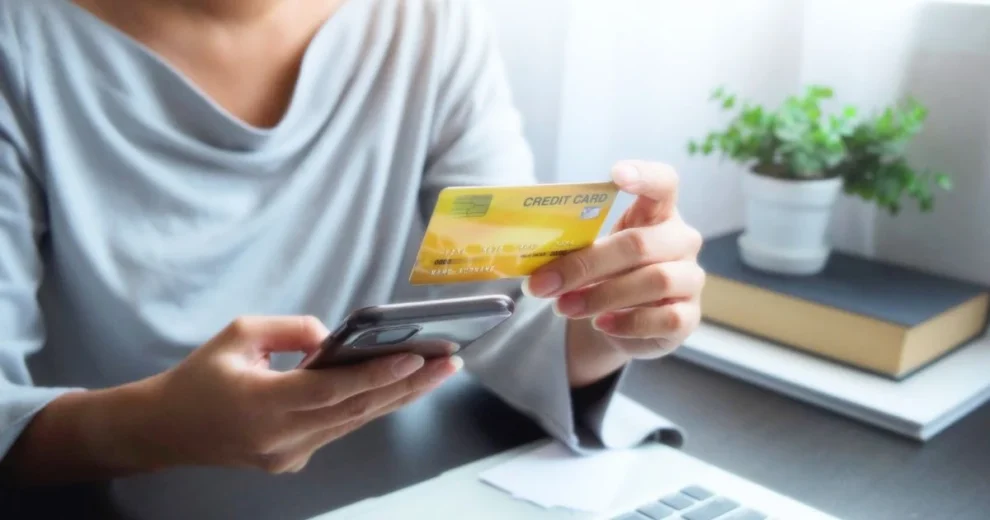
Money rarely disappears in one dramatic moment. It trickles away quietly — a streaming subscription here, a delivery fee there, a “limited-time offer” you didn’t actually need, an interest charge you meant to pay off later. Then one day you look at your balance and think, Where did it all go?
This isn’t about guilt. It’s about awareness.
Most people don’t go broke because of one bad purchase. They struggle because of unseen, routine, automatic expenses that feel harmless — until they snowball. The good news? Once you see them, you can control them. You don’t need to live miserably. You just need to plug the leaks.
This guide dives deep into 10 expenses you don’t realize are draining your bank account, how they sneak into your life, why they’re psychologically hard to notice, and the exact steps to stop them — without feeling deprived.
Expect straight talk, examples, and practical fixes you can use today. Let’s get your money flowing in the right direction again.
Table of Contents
🧭 Quick roadmap of what you’ll learn
-
Subscriptions that renew while you forget
-
Fees you pay just for using your own money
-
“Convenience” purchases that erase savings
-
The quiet danger of lifestyle creep
-
How does interest multiply faster than your paycheck
-
Tiny daily habits that grow into major debt
-
Psychological tricks companies use to keep you spending
Stay to the end — there’s a simple 10-minute audit that can immediately recover lost cash.
10 Expenses You Don’t Realize Are Draining Your Bank Account
Let’s break them down one by one — why they happen, what they cost, and how you fix them without feeling like you’re cutting all joy out of your life.
1. Subscription creep — you’re paying for things you forgot you had
Subscriptions are designed to be invisible.
Auto-renewal exists for a reason. Companies want you to forget what you’re paying for:
-
Streaming services
-
Premium apps
-
Cloud storage
-
Gym memberships
-
News sites
-
“Free trial” that wasn’t free
Each one feels small — $6, $12, $20 — but together they quietly become a car payment.
Why does this drain your bank account
-
They auto-renew
-
They feel “too small to cancel”
-
Cancellation is intentionally inconvenient
-
You assume you “might use it later”
Fix it fast
-
Check the bank statement for the last 90 days
-
List every subscription
-
Cancel anything you wouldn’t pay full price for today
-
Set calendar reminders before renewal dates
-
Avoid “free trials” unless you truly need them
Subscriptions should serve your life — not own it.
2. Food delivery and takeout convenience fees
You didn’t just buy food. You bought:
-
Service fees
-
Delivery fees
-
Tip
-
inflated menu prices
-
“Small order” penalties
That “$12 meal” becomes $28 before you blink.
What’s happening psychologically
Convenience bypasses your budgeting brain. You’re not paying for food — you’re paying to solve fatigue, time pressure, and decision stress.
Smart alternative
-
Pick-up instead of delivery
-
Batch-cook once or twice a week
-
Keep easy “lazy meals” at home
-
Treat delivery as a luxury, not a default
Convenience is fine — when it’s intentional, not automatic.
3. Credit card interest — the silent budget killer
Interest doesn’t feel like spending… but it is.
If you carry a balance, you’re paying:
-
For yesterday’s purchases
-
With tomorrow’s income
-
At rates that grow faster than raises do
Minimum payments don’t free you. They rent your debt.
Stop the bleed
-
Stop adding new balance
-
Prioritize the highest-interest debt first
-
Automate payments
-
Negotiate lower APRs when possible
Every dollar not paid in interest becomes a dollar that builds your life instead of funding a bank.
4. Unused gym memberships and forgotten service plans
Many people don’t pay for the gym — they pay for the idea of going to the gym.
The same applies to:
-
Music lessons you stopped attending
-
Coaching programs
-
Online courses you never finished
-
Extended warranties you forgot existed
These expenses are fuelled by optimism bias: “Future me will use this.”
But money is charged to present to you.
Try this rule
If you haven’t used it in 60 days and there’s no penalty to cancel — cancel.
You can always join again when you’re actually ready.
5. Bank fees and “little” financial penalties
These include:
-
Overdraft fees
-
ATM withdrawal fees
-
Monthly account maintenance fees
-
Late payment fees
-
Transaction charges
They’re not just expensive. They’re avoidable.
Why do people pay them
-
Lack of reminders
-
Autopay not set up
-
Multiple accounts are creating confusion
-
ignoring small notifications
Plug this leak
-
Enable alerts for low balance and due dates
-
Use fee-free ATMs
-
Keep one “buffer” savings account
-
Negotiate fees — banks reverse them more often than you think
You should not pay to access your own money.
6. Lifestyle creep — upgrading because your income increased
You get a raise. You feel good. You “deserve” nicer things. So expenses rise to meet income.
-
Bigger apartment
-
More eating out
-
Nicer car
-
Frequent upgrades
-
More subscriptions
Suddenly, you earn more… but feel just as broke.
That’s lifestyle inflation.
The antidote
When income increases:
-
Raise savings first
-
Keep lifestyle changes intentional
-
Avoid “I earned it, so I’ll buy it” habits
Wealth is not what you earn. Wealth is what you keep.
7. Impulse purchases driven by algorithms
You didn’t discover that item. It discovered you.
-
“Only 1 left”
-
“Selling fast”
-
“Deal expires in 2 hours”
Scarcity is not real scarcity — it’s behavioural psychology.
Beat the algorithm
Use the 48-hour rule:
If you still want it after two days — buy it.
If you forget about it — you didn’t actually want it.
Your future self will thank you.
8. “Buy now, pay later” traps
BNPL feels harmless because it breaks costs into little pieces.
But little pieces add up to:
-
multiple simultaneous payments
-
Difficulty tracking true spending
-
Impulse buying more than you intended
It’s not budgeting. It’s a debt with extra steps.
Better approach
If you can’t buy it at full price today without stress, your finances are telling you something important.
Listen.
9. Utility waste and phantom energy
Electronics draw power even when “off”:
-
TVs
-
Game consoles
-
Chargers
-
Routers
-
Monitors
You’re literally paying for electricity you didn’t use.
Add in:
-
Long showers
-
Poor insulation
-
Inefficient appliances
And the bill grows without you noticing.
Simple fixes
-
Switch things fully off
-
Use smart plugs
-
Unplug unused chargers
-
Track your monthly bill trend
Small reductions = real savings over time.
10. Brand loyalty premiums
You may be overpaying simply because you’re loyal to:
-
A familiar store
-
A specific brand
-
A single insurance provider
-
One mobile plan
Companies reward new customers — not loyal ones.
Audit once per year
-
Renegotiate plans
-
Switch providers when beneficial
-
Compare insurance rates
-
Check generic vs brand-name products
Loyalty feels comfortable — but comfort is expensive.
How these costs sneak past your awareness
These expenses share five traits:
-
They’re recurring
-
They’re small individually
-
They feel normal
-
They’re automated
-
They’re emotion-based, not logical
You’re not bad with money. You’re human.
Modern systems are literally engineered to separate you from it without pain.
Awareness returns the leverage to you.
10-minute “money leak” audit (do this today)
Grab your last three bank statements.
Look for:
-
recurring charges
-
anything you don’t recognize
-
fees of any kind
-
interest payments
-
subscriptions you barely use
-
Repeated “small” purchases that add up
Then ask a brutally honest question for each:
“If I had to pay this in cash, right now, would I still choose it?”
If the answer is no — cancel, downgrade, renegotiate, or replace it.
That single audit has saved people hundreds to thousands per year.
Final thoughts: money doesn’t vanish — it leaks
The 10 expenses you don’t realize are draining your bank account aren’t signs of failure. They’re signs of being human in an economy built on frictionless spending.
You don’t need to:
-
Stop drinking coffee
-
Never order food
-
avoid enjoyment
-
live on rice and beans
You just need awareness and intention.
When you control the boring money leaks, you gain freedom for the things that truly matter — travel, security, experiences, sleep without financial stress, and the quiet confidence of knowing you’re in control.
Your money is a tool. Make it work for you.
Want to take action right now?
-
Cancel one unused subscription today
-
Move one bill to autopay to avoid fees
-
Make one extra payment toward high-interest debt
-
Perform the 10-minute audit above
Small steps. Big outcome.
You don’t need perfection — you need momentum.




Add Comment