
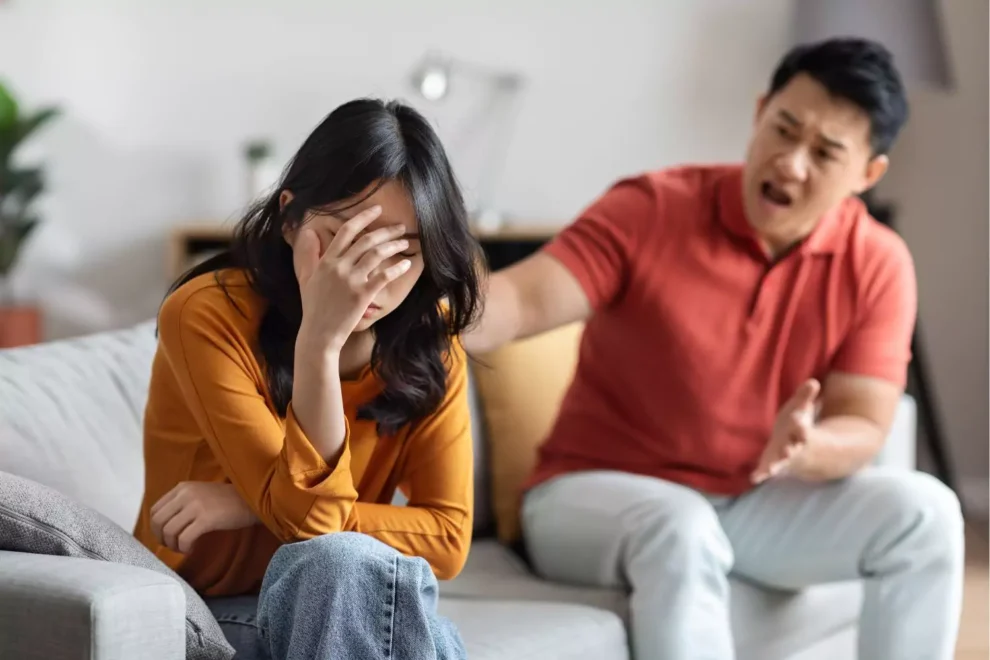
Emotional abuse in marriage often hides behind silence, subtle behaviours, and patterns that take years to understand. Unlike physical abuse, emotional manipulation does not leave visible scrapes— instead, it leaves psychological imperfections, lowered self-esteem, and ongoing chaos.
In this long-form guide, you’ll learn the real signs of emotional abuse in marriage, how it affects your mental health, and what to do if you see yourself in these experiences.
Table of Contents
1. What Is Emotional Abuse in Marriage? (Understanding the Hidden Damage)
Emotional abuse in marriage refers to any pattern of behaviour that uses fear, guilt, shame, control, or manipulation to break down your confidence and independence. Unlike an occasional argument or misinterpretation, emotional abuse is a consistent, repetitive pattern designed to dominate or weaken the other partner.
Key Characteristics of Emotional Abuse
-
It happens gradually, making it hard to recognize early.
-
It damages mental and emotional well-being.
-
It creates fear, confusion, and self-doubt.
-
It often escalates to other forms of abuse if not addressed.
How Emotional Abuse Differs from Healthy Conflict
-
Healthy conflict is solution-oriented; abuse is control-oriented.
-
Healthy partners apologize and change their behavior; abusers blame, deny, and repeat the cycle.
-
Healthy communication leads to connection; abuse leads to isolation.
Understanding this foundation helps you recognize why emotional abuse is so psychologically damaging and why victims often feel tangled or confused.
2. Gaslighting: The Most Common and Dangerous Sign of Emotional Abuse
Gaslighting is one of the most effective indicators of emotional abuse in marriage. It is a deliberate tactic where your spouse makes you challenge your memory, reality, or sanity.
Common Gaslighting Behaviors
- “You’re making up things that never happened.”
- “You’re overly sensitive. You overreact all the time.
- “You misinterpreted me; I never stated that.”
- Twisting conversations to shift guilt onto you.
The Mental Effects of Gaslighting
- “You start to question your identity and thoughts.”
- “You start to rely on your spouse’s interpretation of the world.”
- “You become less confident in your ability to make decisions.”
- “You start to feel more nervous, perplexed, or guilty.”
Why Abusers Use Gaslighting
- “To evade responsibility.”
- “To steer the story.”
- “To make you less independent.”
Gaslighting is subtle, but once you recognize it, you’ll understand just how destructive it is.
3. Constant Criticism and Belittling: When Words Become Weapons
Criticism is normal in every marriage — but constant, cruel, or degrading criticism is emotional abuse. It is a method of slowly destroying your self-worth.
Examples of Abusive Criticism
-
Mocking your appearance, career, or intelligence.
-
Insulting you in front of others.
-
Making “jokes” that humiliate you.
-
Blaming you for everything that goes wrong.
How This Abuse Shows Up
-
They dismiss your achievements.
-
They exaggerate your flaws.
-
They constantly compare you to others.
-
They minimize your hard work or emotions.
Impact on Your Self-Esteem
-
You feel “never good enough.”
-
You lose confidence in making decisions.
-
You start apologizing for things you didn’t do.
-
You feel emotionally exhausted and worthless.
If your partner uses criticism as a weapon, it is emotional abuse — not “just a joke.”
4. Controlling Behavior and Dominance: When a Spouse Dictates Your Life
One of the clearest signs of emotional abuse in a marriage is control. Whether it shows up as jealousy, possessiveness, or strict rules, it is an endeavor to dominate your freedom.
Examples of Controlling Behaviors
-
Monitoring your phone, messages, or social media.
-
Dictating what you wear, who you talk to, or where you go.
-
Getting angry when you spend time with friends or family.
-
Making decisions for you without your consent.
Financial Control (Financial Abuse)
-
Refusing to let you access money.
-
Criticizing your spending, even on essentials.
-
Forcing you to account for every rupee or dollar.
-
Preventing you from working or building a career.
Why Control Is a Red Flag
-
“It kills independence.”
-
“It creates fear and conformity.”
-
“It isolates you from your support system.”
If a spouse limits your freedom, it is not love — it is emotional abuse.
5. Silent Treatment and Emotional Withdrawal: A Manipulative Form of Punishment
The silent treatment is not about needing space — it is a calculated punishment used to control or emotionally hurt you.
How Silent Treatment Looks
-
They ignore your messages or calls intentionally.
-
They give you the “cold shoulder” for days.
-
They refuse to acknowledge your presence.
-
They shut down communication to make you feel guilty.
Why Abusers Use Silence
-
To make you beg for attention.
-
To punish you for setting boundaries.
-
To avoid accountability during conflicts.
-
To gain emotional power over you.
Effects on Your Emotional Health
-
You feel abandoned and anxious.
-
You constantly tiptoe around your partner.
-
You learn to silence your own needs to avoid conflict.
Emotional abandonment is one of the most painful forms of abuse because it deprives you of connection, comfort, and safety.
6. Blame-Shifting and Guilt-Tripping: When Everything Somehow Becomes Your Fault
Another major sign of emotional abuse in a marriage is when a spouse declines to take responsibility for anything. Instead, they twist every situation to make you the villain.
Common Blame-Shifting Phrases
-
“You made me do this.”
-
“If you didn’t act like this, I wouldn’t get angry.”
-
“It’s your fault our marriage is falling apart.”
-
“You always ruin everything.”
How Guilt-Tripping Works
-
“They remind you of past mistakes repeatedly.”
-
“They use your vulnerabilities against you.”
-
“They deliberately make you feel ashamed.”
-
“They make you feel responsible for their emotions.”
Impact on the Victim
-
“You apologize constantly.”
-
“You feel scared to express your needs.”
-
“You carry emotional weight that isn’t yours.”
-
‘You believe you deserve mistreatment.”
This cycle keeps you trapped — because you believe you’re the problem when you’re not.
7. Isolation From Friends and Family: A Subtle but Dangerous Abuse Pattern
An emotionally abusive spouse often tries to isolate you, so you lose your support system and become more dependent on them.
Common Isolation Tactics
-
Criticizing your friends or relatives.
-
Creating conflicts whenever you plan to go out.
-
Making you feel guilty for wanting space.
-
Spreading lies or exaggerations to turn others against you.
Why Isolation Is Dangerous
-
You lose emotional support.
-
You become reliant on the abuser for validation.
-
You feel trapped with no one to confide in.
-
You are easier to control or manipulate.
Signs You Are Being Isolated
-
You cancel plans to avoid conflict.
-
You rarely talk to your close friends anymore.
-
You feel pressure to justify your whereabouts.
-
Your world becomes small — centered around your spouse.
Isolation rarely feels obvious at first — but its impact is powerful and long-lasting.
8. Emotional Intimidation, Threats, and Fear-Based Manipulation
Emotional intimidation is a form of psychological violence where your spouse uses fear, threats, or aggressive behavior to control you.
Examples of Intimidating Behavior
-
Raising their voice suddenly to scare you.
-
Slamming doors, breaking objects, or destroying property.
-
Threatening to leave you or take away your children.
-
Threatening to harm themselves if you disagree.
Why These Tactics Work
-
Fear makes you comply.
-
You suppress your voice to keep the peace.
-
You start anticipating their reactions and self-censoring.
-
You feel trapped, unsafe, or powerless.
Subtle Intimidation Signs
-
Giving you “the look” to silence you.
-
Using sarcasm or mocking tones.
-
Making you feel inferior through body language.
This abuse often escalates — emotionally and sometimes physically — if not recognized early.
9. Emotional Neglect: When Your Needs, Feelings, and Identity Are Ignored
Emotional neglect is one of the simplest yet most painful forms of marital abuse. It occurs when your emotional needs are consistently dismissed or invalidated.
Signs of Emotional Neglect
-
They never ask how you feel or what you need.
-
They show no empathy or emotional support.
-
They make you feel like you’re “too much” or “too needy.”
-
They avoid conversations about feelings.
How Neglect Hurts You
-
You feel emotionally lonely even when they’re present.
-
You start believing your emotions don’t matter.
-
You suppress your needs to avoid disappointment.
-
You feel unseen, unheard, and unloved.
Emotional neglect slowly destroys intimacy and leaves deep, long-term wounds.
10. You Start Losing Yourself: The Final and Most Telling Sign of Emotional Abuse
One of the most heartbreaking signs of emotional abuse is when you begin losing your identity.
Indicators You’re Losing Yourself
-
You no longer recognize your own personality.
-
You stop pursuing hobbies, goals, or dreams.
-
You constantly walk on eggshells.
-
You feel anxious or depressed most days.
-
You apologize excessively.
-
You feel unworthy of love or respect.
Why This Happens
-
Abusive dynamics break down your self-esteem.
-
You become conditioned to silence your needs.
-
Your identity revolves around keeping the peace.
-
You forget what a healthy marriage feels like.
This is the loudest signal that your mental health is suffering, and change is necessary.
11. How Emotional Abuse Impacts Mental Health and Long-Term Well-Being
Emotional abuse leaves psychological wounds that can take years to heal if not addressed.
Common Mental Health Consequences
-
Anxiety and panic attacks
-
Depression and emotional numbness
-
Insomnia or chronic fatigue
-
PTSD-like symptoms
-
Loss of confidence
-
Persistent guilt or fear
Behavioral Effects
-
Withdrawal from social life
-
Overthinking or self-blame
-
Feeling emotionally dependent
-
Avoiding conflict at any cost
Emotional abuse is real abuse — even if it’s invisible.
12. How to Respond if You Recognize These Signs
Recognizing emotional abuse is the first step. What you do afterward can protect your mental health and safety.
Healthy Actions to Take
-
Acknowledge the pattern — it’s not your fault.
-
Confide in someone you trust — a friend, therapist, or support group.
-
Document incidents — keep a private record.
-
Set boundaries — and observe how your spouse responds.
-
Seek professional help — therapy, counseling, etc.
-
Consider safety planning if you feel endangered.
What NOT to Do:
-
Don’t blame yourself.
-
Don’t try to “fix” their behavior alone.
-
Don’t ignore escalating signs.
You deserve safety, respect, and emotional peace.
13. Love-Bombing Followed by Sudden Withdrawal
Love-bombing is a manipulation technique where your spouse overwhelms you with affection, promises, gifts, or attention — only to withdraw it suddenly once they feel secure in the relationship.
How It Shows Up:
-
Excessive affection → sudden coldness
-
Over-the-top praise → sudden criticism
-
Emotional rollercoaster cycles
-
You constantly try to “earn” their love back
This pattern creates emotional dependency and confusion.
14. Excessive Jealousy and Possessiveness
Jealousy becomes emotional abuse when it turns into suspicion, monitoring, or accusations without reason.
Examples:
-
Accusing you of cheating
-
Getting angry when someone compliments you
-
Wanting your constant reassurance
-
Viewing your friends as “threats”
This is rooted in control, not care.
15. They Rewrite History to Make You Feel Guilty
Abusers often change past events to excuse their behavior or blame you.
Signs:
-
“That never happened the way you think.”
-
“You’re forgetting what you did.”
-
They twist facts to justify their actions.
This keeps you confused and self-doubting.
Final Thoughts: You Deserve a Loving, Safe, Respectful Marriage
Emotional abuse in marriage is painful because it comes from the person who promised love, support, and partnership. But recognizing these signs does not make you weak — it makes you aware.
You deserve:
-
Respect
-
Honest communication
-
Emotional safety
-
Love without fear
-
A partner who values your feelings
If you recognize these signs, know this: you are not alone, and healing is possible.




Add Comment