
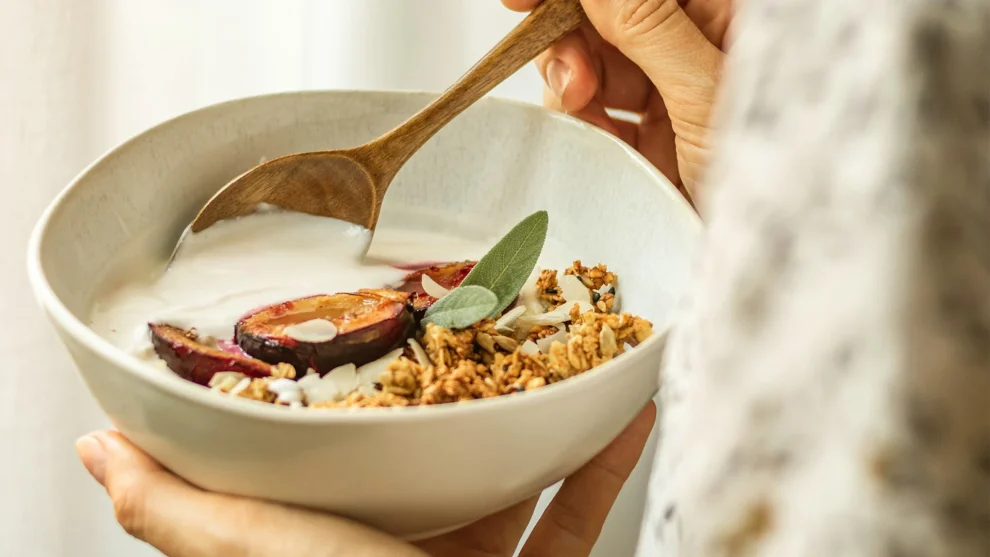
7-day gut health meal plan for women — that’s what I searched for at 2am when I’d had enough.
Enough of the bloating that made me look six months pregnant by Thursday. Enough of the fatigue that no amount of coffee could touch. Enough of the brain fog, the mood swings, the skin breakouts that my dermatologist kept treating topically when the real problem, I’d eventually learn, was happening about two feet south of my face.
If you’ve landed on this page, I’m guessing something resonates. Maybe it’s not all of those things. Maybe it’s just one of them — the constant gas, the irregular digestion, the feeling that your body is working against you instead of with you. Whatever brought you here, I want you to know: your gut is almost certainly involved, and it is absolutely fixable.
This isn’t a detox fad or a 7-day cleanse that promises to undo years of damage. What it is — is a practical, research-backed, genuinely delicious week of eating that supports your gut microbiome, reduces inflammation, and starts shifting how you feel from the inside out. Let’s get into it.
Table of Contents
Section 1: The Problem Nobody Talks About Enough
Women’s gut health is uniquely complicated, and the medical world is only just starting to take that seriously.
Here’s what we know: women experience higher rates of irritable bowel syndrome (IBS), SIBO (small intestinal bacterial overgrowth), and leaky gut syndrome than men. Hormones play a significant role — estrogen and progesterone directly affect gut motility, which is why so many women notice their digestion shifts dramatically throughout the menstrual cycle. Perimenopause and menopause often bring a whole new wave of gut symptoms that doctors sometimes dismiss as “just hormones.”
The gut-brain axis is real, too. Your gut produces roughly 90% of your body’s serotonin — the feel-good neurotransmitter we usually associate with the brain. When your gut is inflamed or imbalanced, your mood, sleep, anxiety levels, and cognitive clarity all take a hit. That exhaustion that sleep doesn’t fix? That low-grade anxiety that seems to have no specific cause? Often, it starts in the gut.
The promise here is simple: seven days of eating strategically — not restrictively — to begin rebuilding the gut microbiome, reducing intestinal inflammation, and restoring the kind of digestive function that actually lets you feel like yourself.
Section 2: What Is Gut Health — And Why It Matters More Than You Think
Your gut microbiome is a living ecosystem of trillions of bacteria, fungi, and other microorganisms that live primarily in your large intestine. A healthy microbiome is diverse — meaning it contains many different strains of beneficial bacteria in relative balance. When that balance gets disrupted (a state called dysbiosis), the downstream effects reach every system in your body.
Gut health isn’t just about digestion. Research now links a healthy, diverse microbiome to:
- Stronger immune function — roughly 70% of your immune system lives in or around your gut
- Better mental health — the gut-brain axis means gut inflammation directly influences mood and anxiety
- Hormonal balance — the gut microbiome helps metabolize and regulate estrogen through a collection of bacteria called the estrobolome
- Clearer skin — the gut-skin axis is increasingly recognized as central to conditions like acne, eczema, and rosacea
- Healthy weight management — gut bacteria influence how we absorb and metabolize calories, as well as hunger hormones like ghrelin and leptin
- Reduced inflammation — a damaged gut lining (leaky gut) allows bacterial endotoxins into the bloodstream, triggering systemic low-grade inflammation linked to everything from joint pain to brain fog
The gut is, in many ways, the control center of the body. Feed it well and nearly everything else improves.
Section 3: Foods That Heal the Gut — Your New Shopping Philosophy
Think of this section as a mindset shift more than a list of rules. You’re not eliminating things you love forever — you’re crowding out the harmful stuff by filling your plate with foods that actively nourish your microbiome.
Foods to Prioritize
- Fermented foods — yogurt (with live cultures), kefir, sauerkraut, kimchi, miso, tempeh, and kombucha introduce beneficial bacteria directly into the gut
- High-fiber vegetables — artichokes, asparagus, garlic, onions, leeks, and Jerusalem artichokes are rich in prebiotic fiber, which feeds beneficial gut bacteria
- Leafy greens — spinach, kale, Swiss chard, and arugula provide magnesium, folate, and polyphenols that support the gut lining
- Berries — blueberries and blackberries, especially are rich in polyphenols that act as fuel for beneficial bacterial strains like Bifidobacterium
- Bone broth — rich in collagen, glycine, and glutamine, which directly support the integrity of the intestinal lining
- Fatty fish — salmon and mackerel provide omega-3 fatty acids that reduce gut inflammation and support microbial diversity
- Legumes — lentils, chickpeas, and black beans provide resistant starch, one of the most powerful prebiotic compounds for gut bacteria
- Whole grains — oats, quinoa, and brown rice feed beneficial bacteria and support regularity
- Ginger and turmeric — both have demonstrated anti-inflammatory effects in the gut lining and stimulate digestive enzyme production
- Extra virgin olive oil — polyphenols in quality olive oil have been shown to increase beneficial Bifidobacteria and Lactobacillus species
Foods to Minimize This Week
- Refined sugar — feeds harmful bacteria and yeast (like Candida) and directly suppresses populations of beneficial Lactobacillus
- Ultra-processed foods — emulsifiers like carboxymethylcellulose (found in many packaged foods) have been shown in animal studies to disrupt the mucosal layer of the gut
- Alcohol — increases intestinal permeability and disrupts the microbiome within 24–48 hours of consumption
- Artificial sweeteners — particularly sucralose and saccharin have been shown to negatively alter gut microbiome composition
- Gluten (for sensitive individuals) — if you have non-celiac gluten sensitivity or IBS, a temporary reduction can significantly reduce gut inflammation
The 7-Day Gut Health Meal Plan for Women — Your Complete Reset

This plan is designed to be practical — nothing requires culinary expertise, every ingredient is available at a standard grocery store, and most meals take 30 minutes or less. Portions are approximate; listen to your body. Aim for 2–3 liters of water daily throughout the week.
🗓 Day 1 — Monday: Lay the Foundation
Breakfast: Overnight oats with full-fat kefir instead of milk, topped with blueberries, ground flaxseed (1 tbsp), and a drizzle of raw honey. The kefir alone contains 12+ strains of beneficial bacteria.
Lunch: Large arugula salad with canned wild salmon (5 oz), cherry tomatoes, cucumber, sliced avocado, pumpkin seeds, and a lemon–olive oil dressing.
Dinner: Slow-simmered lentil and vegetable soup with a bone broth base, garlic, turmeric, cumin, and a squeeze of lemon. Serve with a slice of sourdough (the fermentation process partially breaks down gluten, making it more gut-friendly for most people).
Snack: Plain whole-milk yogurt (with live cultures) with a small handful of walnuts.
🗓 Day 2 — Tuesday: Ferment and Flourish
Breakfast: Smoothie: frozen spinach, frozen mango, half a banana, 1 cup kefir, 1 tbsp chia seeds, fresh ginger (½ tsp), and a pinch of turmeric. Add black pepper — it dramatically increases curcumin absorption.
Lunch: Grain bowl: quinoa base, roasted asparagus and beets, chickpeas, crumbled feta, fresh parsley, and tahini dressing (tahini, lemon, garlic, water).
Dinner: Miso-glazed salmon with stir-fried bok choy and brown rice. Miso paste is a fermented soybean product and a genuinely underrated probiotic source.
Snack: A small dish of kimchi alongside rice crackers. Yes, really — it gets easier.
🗓 Day 3 — Wednesday: Anti-Inflammatory Push
Breakfast: Two eggs scrambled in olive oil with sautéed spinach, cherry tomatoes, and a generous pinch of turmeric. Serve with a small bowl of mixed berries.
Lunch: Chicken and white bean soup — poached chicken breast shredded into a broth of white beans, garlic, celery, carrots, and fresh thyme. Simple, satisfying, and deeply gut-supportive.
Dinner: Turkey and vegetable stir-fry over cauliflower rice with a ginger-tamari sauce. Ground turkey (93% lean) keeps it light while providing the protein your gut lining needs for repair.
Snack: Apple slices with almond butter and a few squares of dark chocolate (85%+ cacao).
🗓 Day 4 — Thursday: Prebiotic Day
Breakfast: Savory oat bowl: oats cooked in bone broth, topped with a soft-poached egg, sautéed garlic and leeks, and a drizzle of olive oil. Leeks are one of the most potent prebiotic vegetables available.
Lunch: Lentil and roasted sweet potato salad with arugula, red onion, walnuts, and a sherry vinegar dressing.
Dinner: Baked cod with an herb crust (parsley, garlic, olive oil, lemon zest) over a bed of sautéed artichoke hearts and white beans.
Snack: Celery and carrot sticks with hummus. Garlic in the hummus adds additional prebiotic benefit.
Why Thursday matters: By day four, you should be noticing subtle shifts — less bloating after meals, slightly more regular digestion, possibly better energy in the afternoon. These are early signs that the microbiome is responding.
🗓 Day 5 — Friday: Keep the Momentum
Breakfast: Chia pudding made with full-fat coconut milk, topped with raspberries, hemp seeds, and a drizzle of raw honey. Prep this Thursday night.
Lunch: Tempeh Buddha bowl — pan-seared tempeh (marinated in tamari and ginger), roasted broccoli, brown rice, shredded purple cabbage, avocado, and a sesame-lime dressing. Tempeh is fermented, making it one of the most gut-supportive plant proteins available.
Dinner: Grass-fed beef and vegetable stew with Jerusalem artichokes — one of the highest prebiotic-fiber vegetables in existence. Cook low and slow with bone broth, tomatoes, garlic, and fresh herbs.
Snack: A cup of warm bone broth with a pinch of sea salt and ginger. It sounds odd; it’s actually incredibly comforting by week’s end.
🗓 Day 6 — Saturday: Treat Yourself (Gut-Style)
Breakfast: Sourdough toast topped with smashed avocado, two poached eggs, red pepper flakes, and a side of sauerkraut. The probiotics in sauerkraut pair well with the healthy fats of avocado for better fat-soluble vitamin absorption.
Lunch: Big Mediterranean plate — hummus, olives, tabbouleh (bulgur wheat, tomato, cucumber, parsley, lemon), grilled chicken or falafel, and a side of labneh (strained yogurt). This is essentially a probiotic-prebiotic feast.
Dinner: Salmon tacos in corn tortillas with purple cabbage slaw (dressed in lime and a little apple cider vinegar), mango salsa, and cilantro. Light, vibrant, and deeply satisfying.
Snack: Kombucha (low-sugar, 8 oz) and a small handful of mixed nuts.
🗓 Day 7 — Sunday: Consolidate and Celebrate
Breakfast: Golden milk overnight oats — oats soaked in coconut milk with turmeric, cinnamon, black pepper, and vanilla, topped with sliced banana and honey.
Lunch: Warming gut-reset soup: bone broth base, shiitake mushrooms (a prebiotic powerhouse), spinach, miso paste (add at the end — heat destroys probiotics), tofu, and ginger. Simple. Nourishing. Deeply effective.
Dinner: Roasted chicken thighs with a preserved lemon and herb sauce, served over a wild rice blend with roasted garlic broccoli. Make extra chicken for meal prep next week.
Snack: Plain kefir smoothie with banana and a tablespoon of flaxseed. A full-circle moment from Day 1.
🖨 Printable 7-Day Gut Health Meal Plan (Quick Reference)
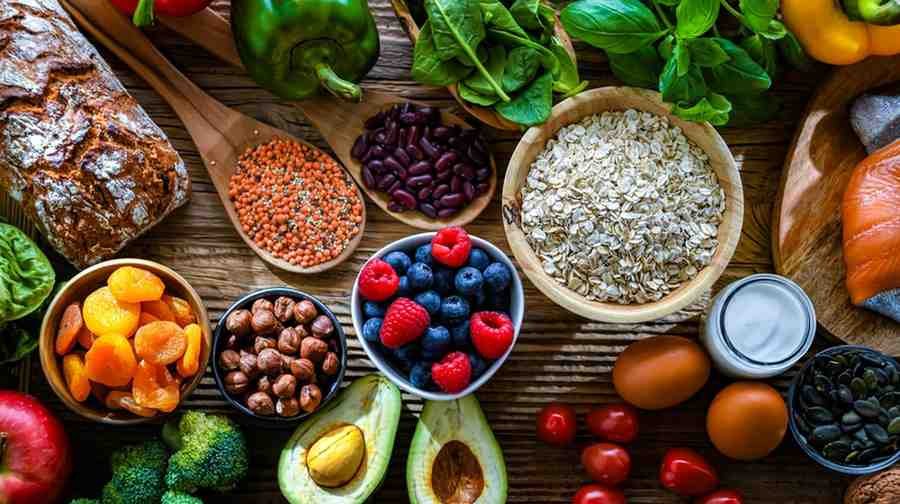
| Day | Breakfast | Lunch | Dinner | Snack |
| Mon | Kefir overnight oats + blueberries | Salmon arugula salad | Lentil turmeric soup + sourdough | Yogurt + walnuts |
| Tue | Kefir mango smoothie | Quinoa beet bowl | Miso salmon + brown rice | Kimchi + rice crackers |
| Wed | Turmeric scrambled eggs | Chicken white bean soup | Turkey stir-fry + cauliflower rice | Apple + almond butter |
| Thu | Bone broth savory oats | Lentil sweet potato salad | Baked cod + artichoke + white beans | Hummus + veggies |
| Fri | Chia coconut pudding | Tempeh Buddha bowl | Beef & Jerusalem artichoke stew | Warm bone broth |
| Sat | Sourdough avocado eggs + sauerkraut | Mediterranean plate | Salmon tacos + cabbage slaw | Kombucha + nuts |
| Sun | Golden milk overnight oats | Miso mushroom tofu soup | Roasted chicken + wild rice | Kefir banana smoothie |
🍽 Simple Recipes (U.S.-Friendly)
Lemon Olive Oil Dressing
- 3 tbsp extra virgin olive oil
- 1½ tbsp fresh lemon juice
- 1 tsp Dijon mustard
- Salt, pepper, and a pinch of garlic powder. Whisk together. Keeps in a jar in the fridge for up to 5 days.
Easy Miso Salmon (Serves 2)
- 2 salmon fillets (5–6 oz each)
- 2 tbsp white miso paste
- 1 tbsp low-sodium tamari
- 1 tsp sesame oil, 1 tsp honey, 1 tsp fresh grated ginger marinate for 30 minutes. Bake at 400°F for 12–14 minutes. Broil for the last 2 minutes for caramelization.
Overnight Kefir Oats
- ½ cup rolled oats
- ¾ cup plain kefir
- 1 tbsp chia seeds
- 1 tbsp ground flaxseed
- Pinch of cinnamon
- Toppings: blueberries, raw honey, walnuts Mix, refrigerate overnight. Ready in the morning.
The Science Behind This Plan — Why It Works
This isn’t just intuition. The foods in this 7-day gut reset diet are backed by a growing body of peer-reviewed research.
A landmark 2021 study published in Cell (Sonnenburg et al., Stanford University) found that a high-fermented-food diet significantly increased microbiome diversity and decreased 19 inflammatory proteins — results that a high-fiber diet alone didn’t achieve in the same timeframe. That’s why fermented foods are in every single day of this plan.
Research from the American Journal of Clinical Nutrition has shown that polyphenol-rich foods (berries, olive oil, dark chocolate) selectively increase beneficial Bifidobacterium and Lactobacillus populations while suppressing harmful species.
Omega-3 fatty acids from fatty fish have been shown to reduce intestinal inflammation and support the mucus layer of the gut lining — the first physical barrier between your gut contents and your bloodstream.
And bone broth’s glutamine content? Glutamine is the primary fuel source for enterocytes — the cells that line your intestinal wall. Research supports its role in maintaining tight junction integrity, which is essentially what prevents a leaky gut.
This isn’t a trend. It’s nutrition science, applied.
Recommended Gut Health Products
| Product | Why It Helps | Where to Buy |
| Garden of Life Raw Probiotics for Women | 85 billion CFU, 32 strains, specifically formulated for female gut + hormonal health | View on Amazon |
| Vital Proteins Collagen Peptides | Supports gut lining repair; mixes into smoothies, coffee, oats invisibly | View on Amazon |
| Kettle & Fire Bone Broth (Chicken) | High-quality, shelf-stable; no artificial ingredients; excellent source of glycine and glutamine | View on Amazon |
| Navitas Organics Chia Seeds (2 lbs) | Clean, affordable prebiotic fiber source — essential for this plan | View on Amazon |
| Lifeway Plain Whole Milk Kefir | Widely available, 12 live cultures, no added sugar; the best liquid probiotic for everyday use | View on Amazon |
| GT’s Synergy Kombucha (Gingerade) | Raw, low-sugar kombucha with genuine live cultures | View on Amazon |
Note: As an Amazon Associate, we may earn a small commission from qualifying purchases at no additional cost to you. We only recommend products we’d genuinely use ourselves.
Science-Backed Benefits of a Gut Health Reset
After a consistent week of eating this way, here’s what the research suggests you can expect — both immediately and over time:
- Reduced bloating — within 3–5 days, as fiber intake normalizes and gas-producing bacteria begin to shift
- More regular digestion — prebiotic fiber feeds motility-supporting bacteria that regulate how quickly food moves through the intestines
- Improved mood and anxiety — serotonin precursors from a well-fed gut begin to increase within days; some women notice mood shifts within the first week
- Clearer skin — the gut-skin axis means microbiome improvements often show up on your face within 2–4 weeks
- Better sleep quality — gut bacteria produce GABA, a calming neurotransmitter; as the microbiome improves, many women notice deeper sleep
- Reduced sugar cravings — beneficial bacteria produce short-chain fatty acids (SCFAs) like butyrate that help regulate blood sugar and dampen cravings for refined carbs
Frequently Asked Questions
Q: How soon will I notice a difference in my gut health?
Most women notice some improvement in bloating and digestion within 3–5 days. Mood and energy shifts often follow in week two. Deeper changes — skin, hormonal regularity, inflammation markers — take 4–8 weeks of consistent effort.
Q: Can I follow this plan if I’m lactose intolerant?
Yes. Fermented dairy (kefir, yogurt) is much lower in lactose than regular milk because the bacteria pre-digest most of it. Many lactose-intolerant women tolerate these well. If not, substitute with coconut yogurt or water kefir and use plant-based alternatives throughout.
Q: Will this plan help with IBS?
It’s designed to be generally gut-supportive, but IBS is complex and individual. Some IBS sufferers do better on a low-FODMAP approach initially, and some high-prebiotic foods (garlic, onions, Jerusalem artichokes) may temporarily worsen symptoms. Introduce those foods gradually and pay attention to your body’s signals.
Q: Do I need to take a probiotic supplement alongside this meal plan?
Not necessarily — the plan is rich in dietary probiotics and prebiotics. However, if you’ve had recent antibiotic use, significant gut symptoms, or a history of chronic digestive issues, a quality probiotic supplement (see the table above) can accelerate recovery.
Q: Is this a low-calorie diet
No. This is not designed for caloric restriction. It’s designed for nutritional quality. Most women eating this way actually end up feeling more satisfied and less likely to overeat, because fiber and fermented foods stabilize hunger hormones. Weight loss, if it occurs, is a side effect of healing — not the mechanism.
Q: Can I drink coffee on this plan
Yes — black coffee is fine and actually contains polyphenols that support beneficial gut bacteria. Limit to 1–2 cups in the morning, avoid it on an empty stomach if you’re prone to acid reflux, and skip flavored creamers and artificial sweeteners.
Conclusion — Your Gut Is Ready When You Are
Seven days won’t undo years of damage. I want to be honest about that. But it will absolutely start something. The gut microbiome responds remarkably quickly to dietary change — research shows measurable shifts in microbial composition within 24–72 hours of changing what you eat. You’re not waiting months to see results. You’re planting seeds that will grow.
What this 7-day gut health meal plan for women is really asking you to do is simple: treat your gut like it matters. Because it does. It’s not just about digestion — it’s about your mood, your hormones, your skin, your energy, your immune resilience. All of it runs upstream from the gut.
Start Monday. Or start today. Make the overnight oats, order the kefir, and add a handful of sauerkraut to something you’re already eating. Take the first small step, and let the science do the rest.
Your gut has been waiting for this.
This post is for informational purposes only and does not constitute medical advice. Always consult a qualified healthcare provider or registered dietitian before making significant changes to your diet, particularly if you have an existing health condition.


Add Comment