

7-day insulin resistance diet plan for women — that’s not something I ever thought I’d be researching at 36 years old. I was tired, yes. Bloated, definitely. Craving sugar at 3pm like clockwork every single day. But I figured that was just adulthood. Just the cost of doing business as a woman with a full life and not enough sleep.
Then my doctor mentioned my fasting glucose was “borderline.” That my A1C had crept up. That there were signs of insulin resistance showing up in my bloodwork — and if I didn’t do something about it now, it would likely progress.
I sat in the car afterward and cried a little. Then I went home and started reading everything I could find.
What I learned — and what I want to share with you — is that insulin resistance is not a life sentence. For most women, it is genuinely reversible through targeted dietary and lifestyle changes. Your body is not broken. It’s responding to inputs, and when you change the inputs, it changes the response. That’s not wishful thinking. That’s how biology actually works.
This is the guide I wish someone had handed me that afternoon in the parking lot.
Table of Contents
What Is Insulin Resistance — And Why Does It Hit Women Differently?
Here’s the simplest way I can explain it: insulin is the hormone your pancreas produces to move glucose (sugar) from your bloodstream into your cells, where it’s used for energy. When everything’s working properly, this process is quick and efficient. A small amount of insulin handles a reasonable glucose load, your cells absorb it, and blood sugar returns to normal.
Insulin resistance happens when your cells stop responding to insulin the way they should. They become, essentially, less sensitive to the signal. So your pancreas compensates by producing more insulin. For a while, this keeps blood sugar relatively normal. But over time, the pancreas can’t keep up, blood glucose starts rising, and you end up on the spectrum that runs from prediabetes to type 2 diabetes.
But here’s what most basic explanations leave out: for women, the story is considerably more complicated.
Hormonal fluctuations throughout the menstrual cycle, during pregnancy, in perimenopause, and menopause all directly affect insulin sensitivity. Estrogen, progesterone, and cortisol all play roles in how well your cells respond to insulin. PCOS — polycystic ovary syndrome — is deeply intertwined with insulin resistance and affects roughly 1 in 10 women of reproductive age. The hormonal dimension of this condition is why women often develop different patterns of symptoms than men, why standard advice doesn’t always apply, and why a targeted approach designed specifically for women’s physiology makes such a difference.
Symptoms of Insulin Resistance in Women
This is where I want to slow down, because so many women I’ve spoken to had these symptoms for years, and nobody connected the dots. The list is longer than most people realize.
- Persistent fatigue — not the tired-from-a-long-day kind. The bone-deep, sleep-doesn’t-fix-it exhaustion that makes mornings genuinely hard.
- Sugar and carb cravings — especially in the afternoon. Your cells aren’t getting glucose efficiently, so your brain keeps signaling for more fuel.
- Difficulty losing weight despite dieting — particularly around the abdomen. High insulin levels actively promote fat storage and inhibit fat burning.
- Brain fog — difficulty concentrating, trouble finding words, a general mental fuzziness that worsens after carb-heavy meals.
- Skin changes — acanthosis nigricans (dark, velvety patches in the neck, armpits, or groin) and skin tags are both associated with chronically elevated insulin.
- Irregular periods — insulin resistance drives up androgen levels, which disrupts the hormonal cascade that regulates the menstrual cycle.
- Increased hunger shortly after eating — because blood sugar spikes and then crashes quickly, leaving you hungry again within an hour or two of a meal.
- High triglycerides and low HDL — these show up on bloodwork before blood glucose is significantly affected, which is why a full lipid panel matters.
- PCOS symptoms — acne, excess hair growth, irregular cycles, and difficulty conceiving are all closely linked to insulin resistance in women.
- Frequent urination and increased thirst — as blood sugar rises, the kidneys work harder to filter it, pulling more fluid along with it.
If you’re reading this list and nodding along to several of these, please talk to your doctor about getting a fasting insulin test (not just fasting glucose — fasting insulin is far more sensitive for catching early resistance) alongside a full A1C panel.
The Best Foods for Insulin Resistance in Women
Food is your most powerful lever here. Not medication, not supplements — food, first. What you eat determines how much glucose enters your bloodstream at once, how much insulin your pancreas needs to produce, and, over time, how sensitive your cells remain to that signal.
Non-starchy vegetables — eat as much as you want:
- Leafy greens: spinach, kale, arugula, Swiss chard, romaine
- Cruciferous: broccoli, cauliflower, Brussels sprouts, cabbage
- Zucchini, cucumber, celery, asparagus, bell peppers, mushrooms
High-quality protein — anchor every single meal:
- Eggs (whole eggs — the yolk matters for fat-soluble nutrients and satiety)
- Fatty fish: salmon, sardines, mackerel (omega-3 fatty acids improve insulin sensitivity directly)
- Chicken breast and thighs, turkey, lean beef, pork tenderloin
- Plain full-fat Greek yogurt, cottage cheese
- Legumes: lentils, chickpeas, black beans (protein plus fiber plus low glycemic index)
Fiber-rich foods — slow everything down:
- Chia seeds and ground flaxseeds (add to smoothies, yogurt, oatmeal)
- Rolled or steel-cut oats (not instant — the processing matters)
- Lentils and beans
- Avocado (also rich in monounsaturated fat, which improves insulin signaling)
- Berries: blueberries, raspberries, blackberries (high fiber, low glycemic, antioxidant-dense)
Healthy fats — stop being afraid of these:
- Extra virgin olive oil (oleic acid directly improves insulin receptor function)
- Avocados
- Walnuts and almonds
- Full-fat dairy in moderate amounts
Blood sugar superstars worth knowing:
- Apple cider vinegar — taken before meals (1–2 tbsp in water), studies show measurable reductions in post-meal glucose spikes
- Cinnamon — demonstrated mild insulin-sensitizing effects in multiple clinical studies
- Turmeric/curcumin — reduces inflammatory markers directly linked to worsening insulin resistance
- Green tea — EGCG has been shown to improve insulin sensitivity at the cellular level
- Magnesium-rich foods — dark leafy greens, pumpkin seeds, and almonds all support glucose metabolism; magnesium deficiency is extremely common in women with insulin resistance
Foods to Avoid (Or Dramatically Reduce)
These are the foods that most aggressively drive insulin resistance — because they spike blood glucose rapidly, keep insulin chronically elevated, or both.
- Refined sugars and added sugars — soda, candy, pastries, sweetened yogurt, flavored coffee drinks, most breakfast cereals. These cause the sharpest, fastest glucose spikes.
- Refined carbohydrates — white bread, white rice, white pasta, most crackers and bagels. They behave like liquid sugar in the bloodstream with almost no nutritional offset.
- Sugary drinks — including 100% fruit juice. Liquid glucose with no fiber hits the bloodstream almost instantaneously, triggering a massive insulin response.
- Trans fats and excess seed oils — partially hydrogenated oils and heavy omega-6 intake from corn, soybean, and sunflower oils promote systemic inflammation, which directly worsens insulin sensitivity.
- Processed meats — hot dogs, deli meats, sausages. Consistently linked to increased type 2 diabetes risk across large population studies.
- Alcohol — particularly beer and sweet cocktails. Disrupts liver glucose regulation and worsens insulin sensitivity with regular consumption.
- Sweetened “health” products — flavored protein bars, low-fat yogurt with fruit on the bottom, store-bought granola. These are often loaded with hidden sugar under names like “brown rice syrup,” “evaporated cane juice,” or “dextrose.”
- High-fructose corn syrup — found in countless processed foods; fructose is metabolized directly by the liver and is particularly damaging to insulin sensitivity in excess.
A practical rule of thumb: if it came out of a factory rather than a field, read the label carefully before trusting it.
Sample 1-Day Insulin Resistance Diet Plan (A Window Into the Week)
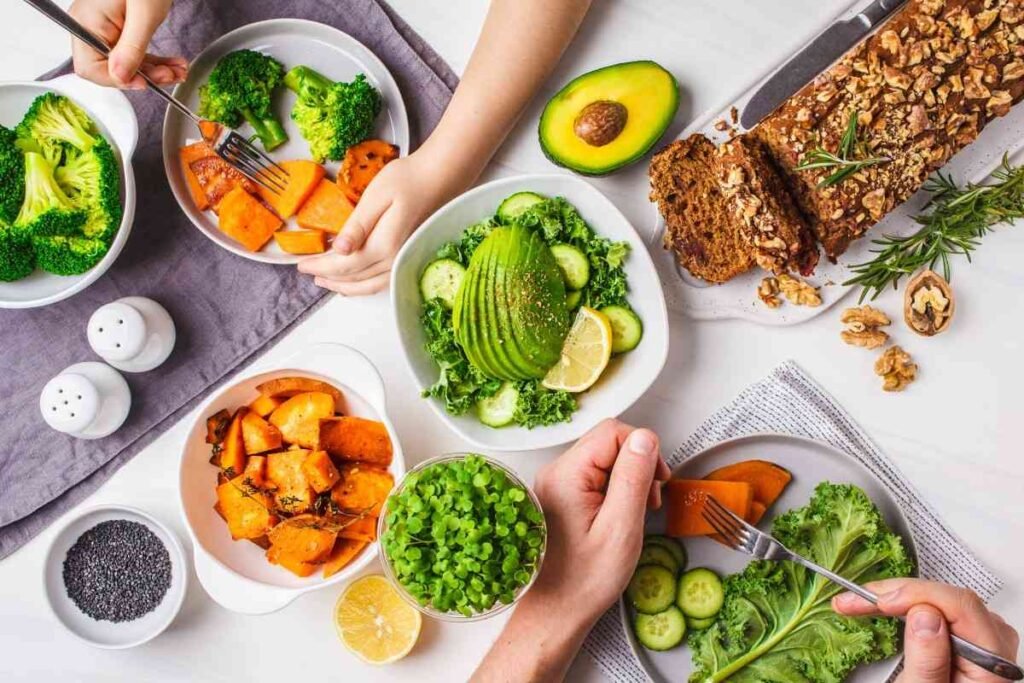
Rather than dump seven days of meals on you all at once, I want to walk you through one complete day — show you what this actually looks like lived out, meal by meal, in the real world.
Morning Ritual (Before Breakfast): Drink 8 oz of water with 1 tablespoon of apple cider vinegar. Not glamorous. Genuinely effective. The evidence for pre-meal ACV reducing post-meal glucose spikes is solid enough to make it a consistent morning habit.
Breakfast (7:00–8:00 AM): Savory egg bowl — two eggs scrambled in olive oil with a generous handful of sautéed spinach, half an avocado sliced alongside, and a sprinkle of hemp seeds on top. Black coffee or green tea. No toast, no juice.
Why it works: High protein and fat at breakfast blunts the morning cortisol spike — which raises blood sugar before you’ve even eaten a thing — keeps you full for 4+ hours, and sets a stable blood sugar tone for the rest of the day.
Mid-Morning (10:30 AM, if needed): A small handful of walnuts (about 1 oz) and two squares of 85%+ dark chocolate. Or skip entirely if you’re genuinely not hungry — insulin sensitivity improves with longer gaps between meals for many women.
Lunch (12:30–1:00 PM): Large mixed green salad with a can of wild salmon, cucumber, cherry tomatoes, half an avocado, pumpkin seeds, and a simple lemon-olive oil dressing. A small portion of lentils or chickpeas on the side for fiber and plant protein.
Why it works: Omega-3s from salmon, polyphenols from the greens, and resistant starch from the legumes. Blood sugar stays flat for hours after this meal.
Afternoon Snack (3:30 PM — the classic danger zone): Full-fat plain Greek yogurt with a handful of blueberries and ground cinnamon stirred in. This replaces the 3pm sugar-crash-and-dive cycle with protein, probiotics, and low-glycemic fruit. You stop craving the vending machine.
Dinner (6:30–7:00 PM): Baked turmeric salmon with roasted broccoli and cauliflower rice sautéed with garlic and olive oil. A large glass of water with lemon alongside.
Why it works: A high-protein, low-glycemic dinner means lower overnight insulin levels, better fasting glucose in the morning, and more stable energy when you wake up.
Evening: Chamomile or cinnamon herbal tea. No eating after 8pm if possible — even a two-hour gap between your last meal and sleep improves overnight glucose regulation in a way that’s genuinely measurable.
The Full 7-Day Structure (At a Glance):
| Day | Breakfast | Lunch | Dinner |
| Monday | Eggs + greens + avocado | Salmon salad + chickpeas | Baked chicken + roasted veg |
| Tuesday | Greek yogurt + berries + seeds | Lentil soup + whole grain bread | Turkey stir-fry + cauliflower rice |
| Wednesday | Veggie scramble + avocado | Tuna lettuce cups + cucumber | Cod + Brussels sprouts + lemon |
| Thursday | Chia pudding + raspberries | Grain bowl + grilled chicken | Beef + zucchini noodles + pesto |
| Friday | Smoked salmon + cream cheese | Chickpea and kale salad | Sheet pan salmon + asparagus |
| Saturday | Low-carb pancakes + berries | Stuffed peppers (ground turkey) | Slow-cooked pulled chicken + slaw |
| Sunday | Savory oatmeal + soft-boiled egg | Bone broth soup + shredded chicken | Steak + mushrooms + arugula salad |
Print this table and stick it on your fridge. Meal planning is genuinely half the battle.
Lifestyle Tips for Managing Insulin Resistance
Diet is the most powerful tool, but it doesn’t work in isolation. These lifestyle factors have direct, documented effects on insulin sensitivity — and ignoring them while eating perfectly is a bit like bailing out a boat while leaving the tap running.
- Move after meals: Even a 10-minute walk after eating can reduce post-meal blood glucose by 20–30%, according to multiple controlled studies. Your muscles absorb glucose directly during movement — without requiring insulin. You don’t need a gym. Just don’t sit down immediately after dinner.
- Prioritize sleep — actually prioritize it: A single night of poor sleep measurably worsens insulin sensitivity the following day. Chronic sleep deprivation is one of the most consistent predictors of insulin resistance progression. Aim for 7–9 hours in a cool, dark room. This is not optional.
- Manage stress with real intention: Cortisol raises blood glucose. Chronic stress means chronically elevated cortisol, which means chronically elevated blood sugar, even when your diet is perfect. Meditation, yoga, long walks, therapy — whatever actually reduces your stress load is a legitimate, clinical part of your insulin resistance treatment plan.
- Strength train at least twice a week: Skeletal muscle is your body’s largest glucose disposal organ. Building more of it increases insulin sensitivity by creating more “storage capacity” for glucose. Two sessions a week of resistance training — weights, bodyweight, resistance bands — produce measurable improvements within 8 weeks. Studies have shown reductions of up to 23% in fasting insulin with consistent strength training in women.
- Try time-restricted eating: Many women with insulin resistance see significant improvements with a 12–16 hour eating window — eating between 8am and 6pm, for example. This gives insulin levels time to come down fully between meals, which is essential for restoring cellular sensitivity. Start with 12 hours and see how you feel.
- Reduce endocrine disruptors where practical: BPA in plastics, certain pesticides, and phthalates in personal care products have been shown to disrupt insulin signaling. Switching to glass food storage, filtering your drinking water, and choosing cleaner personal care products are modest but meaningful steps over time.
Helpful Products to Support Your Insulin Resistance Journey
| Product | Why It Helps | Link |
| Nutricost Berberine HCl 500mg | Plant compound studied for blood sugar support; some research shows comparable effects to metformin for mild cases | View on Amazon |
| Garden of Life Magnesium Glycinate | Magnesium deficiency is common in insulin resistance; glycinate form is gentle, well-absorbed, and also supports sleep | View on Amazon |
| Bragg Organic Apple Cider Vinegar | Pre-meal ACV reduces post-meal glucose spikes; raw, unfiltered, with the mother | View on Amazon |
| Wholesome Yum Blanched Almond Flour | Low glycemic baking staple; replaces white flour in pancakes, coatings, and baked goods | View on Amazon |
| Primal Kitchen Extra Virgin Olive Oil | High-polyphenol, cold-pressed EVOO — daily consumption is one of the most consistent dietary interventions for insulin sensitivity | View on Amazon |
| Fullgreen Riced Cauliflower (Microwaveable) | Ready in 90 seconds; replaces white rice with essentially zero glycemic impact — a genuine game-changer for busy weeknights | View on Amazon |
| Wild Planet Wild Albacore Tuna | Sustainably sourced, BPA-free cans, no added water — omega-3s and protein in one pantry staple | View on Amazon |
| Nutribullet Personal Blender | Makes morning smoothies with spinach, seeds, and berries fast enough to actually happen on a weekday | View on Amazon |
Always consult your healthcare provider before starting any new supplement, particularly if you are on medication for blood sugar management.
FAQ: 7-Day Insulin Resistance Diet Plan for Women
Q: How quickly can diet changes improve insulin resistance?
A: Many women notice improvements in energy, cravings, and mental clarity within 1–2 weeks. Measurable reductions in fasting insulin and A1C typically take 8–12 weeks of consistent effort. Full reversal — where insulin sensitivity returns to a clinically normal range — can take 3–6 months depending on severity, starting point, and lifestyle consistency. The research is unambiguous: for most women, lifestyle intervention alone is sufficient to reverse prediabetes and early insulin resistance.
Q: Can insulin resistance cause weight gain even when I’m eating carefully?
A: Yes — and this is one of the most frustrating aspects of the condition. Chronically elevated insulin actively promotes fat storage, particularly visceral fat around the abdomen, and directly inhibits fat burning. Women with significant insulin resistance can gain weight or fail to lose it even on a calorie-controlled diet, because the hormonal environment is working against fat mobilization. Addressing insulin resistance directly — not just calories — is what finally allows meaningful fat loss to occur.
Q: Is this plan suitable for women with PCOS?
A: Absolutely — and in fact, dietary insulin management is considered the first-line intervention for PCOS in most clinical guidelines. Insulin resistance drives the androgen excess that causes most PCOS symptoms: irregular cycles, acne, hair thinning, excess hair growth, and difficulty conceiving. Reducing dietary insulin load directly reduces androgen production and can restore hormonal balance over time. Many women with PCOS see significant symptom improvement within 3 months of consistent dietary changes.
Q: Do I need to track calories on this plan?
A: Not necessarily. For many women with insulin resistance, obsessive calorie tracking adds a stress layer that elevates cortisol and can actually worsen outcomes. The priority is food quality and meal composition — protein and fat at every meal, high fiber, minimal refined carbs. Most women naturally reduce their caloric intake when blood sugar is stable, because cravings and excessive hunger diminish significantly. If you’re not seeing any progress after 4–6 weeks, a gentle awareness of portion sizes is a reasonable next step.
Q: Can I follow this plan if I’m a vegetarian or a vegan?
A: Yes, with adjustments. Replace fish and meat with eggs (if vegetarian), legumes, tofu, tempeh, and full-fat dairy. Ensure you’re getting adequate protein at every meal — this is the biggest challenge on a plant-based insulin resistance plan. Nuts, seeds, and high-protein plant foods like edamame, seitan, and nutritional yeast can help close the gap. Omega-3 intake becomes particularly important — consider an algae-based omega-3 supplement if you’re not eating fish.
Q: Is intermittent fasting safe for women with insulin resistance?
A: For most women, a moderate approach — a 12–14 hour overnight fast — is both safe and effective for improving insulin sensitivity. More aggressive protocols (20+ hours, extended multi-day fasts) can sometimes trigger hormonal stress responses in women, particularly those with adrenal fatigue or thyroid issues. Start conservatively, monitor how you feel, and consult your doctor if you have any underlying conditions before extending your fasting window significantly.
Q: What’s the single most impactful dietary change I can make starting today?
A: Eliminate liquid sugar. Soda, fruit juice, sweetened coffee drinks, energy drinks — these deliver glucose to your bloodstream faster than almost anything else, spike insulin more dramatically, and provide essentially zero nutritional value in return. Switching to water, sparkling water, black coffee, and herbal tea costs you nothing, requires no cooking, and immediately begins reducing the daily insulin burden on your body. If you make only one change from this entire guide, make that one. Today.
You Have More Control Than You’ve Been Told — Now Use It
Here’s what I want you to take from all of this: your body built this pattern in response to years of inputs, and it can build a different one in response to different inputs. That’s not motivational poster language — that’s metabolic physiology.
The 7-day insulin resistance diet plan for women in this guide isn’t a punishment or a permanent restriction. It’s a redirection. It’s your pancreas finally getting to rest. It’s your cells starting to hear the insulin signal again. It’s your energy stabilizing, your cravings going quiet, your brain lifting out of the fog.
Most women notice something shifting within the first week. Nothing dramatic. Just a little more even. A little less desperate for something sweet at 3pm. A little easier to get out of bed in the morning.
That’s the beginning. And the beginning is enough.
Start with your next meal. Not Monday. Not after the weekend. Your next meal.
Pick anything from the plan above and make it. Your body is waiting for the signal that things are changing.
Give it one.
This content is for informational purposes only and does not constitute medical advice. Always consult your physician, endocrinologist, or registered dietitian before making significant dietary changes, especially if you have been diagnosed with prediabetes, type 2 diabetes, PCOS, or any other metabolic or hormonal condition.



Add Comment