
7-day leaky gut diet plan — it’s one of those searches you make quietly, late at night, after months of symptoms that doctors keep dismissing. Bloating that makes you look three months pregnant after a normal meal. Skin that breaks out no matter what you use on it. Fatigue that isn’t fixed by sleeping. Brain fog so thick you feel like you’re thinking through wet concrete.
That was me, two years ago.
My GP ran the standard bloodwork, found nothing dramatic, and suggested I “reduce stress.” My gastroenterologist was a little more helpful — but not much. It wasn’t until a functional medicine practitioner mentioned intestinal permeability, better known as leaky gut syndrome, that something finally clicked.
I’m not here to tell you that food cured everything overnight. It didn’t. But starting a proper gut healing diet changed my trajectory in ways I still find kind of remarkable. And if you’re dealing with chronic digestive issues, unexplained inflammation, skin problems, autoimmune flares, or just a general feeling that your body is working against you — this guide is for you.
Let’s talk about what’s actually happening, what to eat, what to avoid, and exactly how to structure your first seven days.
Table of Contents
What Is Leaky Gut Syndrome?
Your intestinal lining is one of the most remarkable structures in the human body. A single layer of epithelial cells, joined together by what researchers call “tight junctions,” forms the wall between your gut contents and your bloodstream. When that lining is healthy, it acts like a precise filter — letting nutrients through and keeping harmful substances out.
Leaky gut, or increased intestinal permeability, is what happens when those tight junctions break down. Partially digested food particles, bacterial toxins, and other compounds start slipping through gaps in the intestinal wall into the bloodstream. Your immune system, understandably, sees these intruders as threats and mounts a response. The result is systemic inflammation — inflammation that doesn’t stay in your gut. It shows up in your joints, your skin, your brain, your hormones.
The medical establishment has been slow to embrace the term “leaky gut” — some doctors still dismiss it — but the underlying science of intestinal permeability is well established. Research connecting increased intestinal permeability to conditions like irritable bowel syndrome (IBS), inflammatory bowel disease (IBD), celiac disease, type 1 diabetes, rheumatoid arthritis, and even depression has been accumulating steadily for years.
What damages the gut lining? A combination of factors that are, unfortunately, extremely common in modern life:
- Chronic stress — elevates cortisol, which directly impairs gut barrier function
- Antibiotic overuse — disrupts the gut microbiome, which plays a critical role in maintaining the intestinal lining
- Ultra-processed food diet — emulsifiers, artificial additives, and refined sugars all compromise tight junction integrity
- Alcohol — even moderate regular consumption increases intestinal permeability
- Nonsteroidal anti-inflammatory drugs (NSAIDs) like ibuprofen, with long-term use
- Environmental toxins — glyphosate (a common herbicide) has been specifically linked to disruption of tight junctions in several studies
The good news is that the intestinal lining regenerates. The cells that line your gut turn over roughly every 3 to 5 days. With the right nutritional support, you can begin meaningfully rebuilding gut barrier integrity within weeks.
Foods to Eat on a Leaky Gut Diet
These are your healing foods — the ones that provide the raw materials your gut needs to repair itself, support a balanced microbiome, and reduce the inflammation that’s driving symptoms.
- Bone broth — rich in collagen, gelatin, proline, and glycine, which directly support gut lining repair. One of the most powerful gut-healing foods available, and deeply underrated.
- Fermented foods — sauerkraut, kimchi, kefir, plain yogurt, miso, and tempeh deliver live beneficial bacteria (probiotics) that help rebuild a healthy gut microbiome
- Cooked leafy greens — spinach, kale, and Swiss chard are easier on an irritated gut when lightly cooked rather than raw; packed with folate, magnesium, and vitamin K
- Salmon and other fatty fish — omega-3 fatty acids (EPA and DHA) reduce intestinal inflammation and help restore gut barrier function
- Sweet potatoes — gentle on the digestive system, high in soluble fiber that feeds beneficial bacteria, and rich in beta-carotene
- Coconut products — coconut oil contains lauric acid, which has antimicrobial properties that help balance gut bacteria; coconut yogurt is a good dairy-free probiotic option
- Blueberries and other berries — polyphenols in berries act as prebiotics, selectively feeding beneficial gut bacteria
- Garlic and onion — prebiotic foods that provide inulin and fructooligosaccharides (FOS), fuel for the beneficial bacteria doing repair work in your gut
- Ginger — soothes gut inflammation, supports motility, and has been shown to reduce intestinal permeability markers
- Turmeric — curcumin has well-documented effects on reducing inflammation in the gut lining; always pair with black pepper to improve absorption
- Collagen protein — supplemental collagen (from grass-fed bovine or marine sources) provides glycine and proline that support tight junction repair
- Slippery elm, marshmallow root, aloe vera juice — these mucilaginous herbs form a soothing coating along the gut lining and support mucosal integrity
- Zucchini, cucumber, and well-cooked vegetables — gentle, easy-to-digest, and low in gut-irritating compounds
- Flaxseeds and chia seeds — soluble fiber that feeds beneficial bacteria and supports regular bowel movements
- Wild-caught sardines — one of the most cost-effective sources of omega-3s and gut-healing nutrients available
Foods to Avoid With Leaky Gut
This is genuinely hard for a lot of people because many of the foods that damage the gut lining are the ones we reach for automatically. I’m not saying you need to be perfect forever — but during a healing phase, these are worth cutting aggressively.
- Gluten-containing grains — wheat, barley, and rye contain gliadin, which directly triggers zonulin release (a protein that opens tight junctions) even in people without celiac disease. This is one of the most researched mechanisms in gut permeability research.
- Dairy (in large amounts) — casein in conventional dairy can be inflammatory for many people with compromised gut lining; fermented dairy like kefir and yogurt is often better tolerated
- Sugar and high-fructose corn syrup — feeds harmful gut bacteria and yeast (Candida), disrupt microbiome balance, and promote intestinal inflammation
- Processed seed oils — corn, soybean, sunflower, and canola oils are high in omega-6 fatty acids that promote a pro-inflammatory gut environment
- Alcohol — increases intestinal permeability almost immediately; even small amounts during a healing phase can set you back
- Artificial sweeteners — aspartame, saccharin, and sucralose have been shown to negatively alter gut microbiome composition
- Ultra-processed foods — the emulsifiers (carboxymethylcellulose, polysorbate 80) found in many packaged foods directly damage the intestinal mucous layer
- Conventional corn and soy — heavily treated with glyphosate, which has been specifically linked to increased intestinal permeability
- Raw legumes and beans without proper preparation — lectins in unprepared legumes can irritate the gut lining; soaking and cooking thoroughly reduces this significantly
- Nightshades (for sensitive individuals) — tomatoes, peppers, eggplant, and potatoes contain lectins and saponins that may increase permeability in already-inflamed guts
7-Day Leaky Gut Diet Plan — Best Gut Healing Foods to Repair Your Gut Naturally
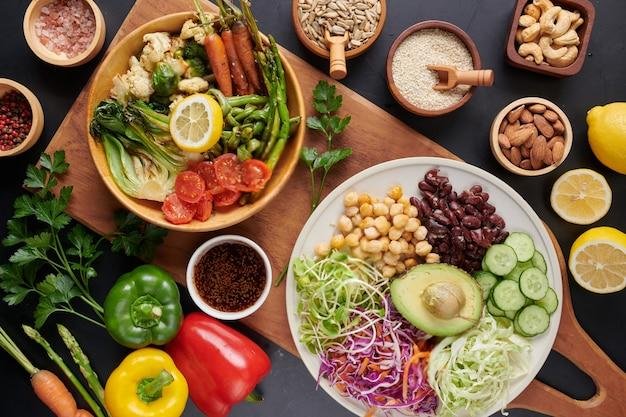
This week is your reset. Every meal is designed to reduce inflammation, support the gut microbiome, and provide the specific nutrients your intestinal lining needs to rebuild. Portions are flexible — eat until comfortably satisfied. Drink at least 8 glasses of water daily, and prioritize sleep each night. This is about healing, not restriction.
Day 1 — Monday: Begin With Broth
Breakfast: Gut-healing smoothie — blend spinach, frozen blueberries, half a banana, ground flaxseed, fresh ginger (1 inch), and coconut milk. Sip slowly.
Lunch: Warm bone broth soup with zucchini noodles, shredded chicken (about 4 oz), garlic, ginger, and turmeric. Finish with a squeeze of lemon.
Dinner: Baked salmon (5–6 oz) with steamed broccoli and sweet potato mash made with coconut oil and sea salt.
Snack: A small bowl of plain coconut yogurt with blueberries and a teaspoon of raw honey.
Day 2 — Tuesday: Ferments and Fiber
Breakfast: Overnight oats (gluten-free rolled oats) with chia seeds, kefir (or coconut kefir if dairy-free), and sliced banana.
Lunch: Large salad of cooked beets, cucumber, arugula, pumpkin seeds, and sardines, dressed with olive oil and apple cider vinegar.
Dinner: Turkey meatballs (about 5 oz) in a simple tomato-free broth with cooked carrots, parsnips, and fresh thyme. Serve over cauliflower rice.
Snack: Sliced cucumber with guacamole.
Day 3 — Wednesday: Prebiotic Power
Breakfast: Two eggs scrambled in coconut oil with sautéed onion, garlic, spinach, and a pinch of turmeric. One cup of green tea or ginger tea.
Lunch: Lentil and vegetable soup (brown lentils, carrot, celery, onion, low-sodium broth, cumin, and coriander). Serve with a small piece of gluten-free sourdough bread if tolerated.
Dinner: Garlic-ginger shrimp stir-fry with bok choy and snap peas over brown rice (about 1/2 cup cooked). Drizzle with sesame oil and tamari (gluten-free).
Snack: A small handful of walnuts and a few squares of dark chocolate (85%+ cacao).
Day 4 — Thursday: Collagen Day
Breakfast: Bone broth “latte” — heat 1 cup of high-quality bone broth, whisk in 1 scoop of collagen peptides, a little coconut milk, ginger, and turmeric. It sounds unusual; it tastes grounding and deeply nourishing.
Lunch: Stuffed baked sweet potato with black beans (well-cooked), sautéed kale, a scoop of guacamole, and a drizzle of olive oil.
Dinner: Slow-cooked chicken thighs with leek, celery root, thyme, and low-sodium bone broth. Serve with mashed sweet potato and steamed courgette.
Snack: Plain kefir (6 oz) with a teaspoon of raw honey and cinnamon.
Day 5 — Friday: Light and Anti-Inflammatory
Breakfast: Chia pudding made with coconut milk, a teaspoon of raw honey, and vanilla — topped with raspberries and hemp seeds. Prep the night before for an effortless morning.
Lunch: Warm grain bowl — quinoa base, roasted sweet potato, steamed broccoli, sliced avocado, topped with a lemon-tahini dressing and a soft-boiled egg.
Dinner: Wild-caught cod (5 oz) baked with lemon, capers, olive oil, and fresh dill. Serve with steamed asparagus and cauliflower rice.
Snack: Celery sticks with almond butter and a few blueberries.
Day 6 — Saturday: Comfort and Fermentation
Breakfast: Gluten-free banana pancakes — two mashed bananas, two eggs, a pinch of cinnamon. Cook in coconut oil, serve with fresh berries and a drizzle of raw honey.
Lunch: Miso soup (use organic, unpasteurized miso) with silken tofu, wakame seaweed, scallions, and sliced mushrooms. Pair with a small cucumber-ginger salad.
Dinner: Slow-cooker beef bone broth stew — grass-fed beef short ribs (about 6 oz), parsnips, carrots, onion, garlic, celery, and herbs. Cook low and slow for maximum collagen extraction. This is gut healing in a pot.
Snack: Fermented sauerkraut (2–3 tablespoons) as a side, with a rice cake and almond butter.
Day 7 — Sunday: Prep and Reflect
Breakfast: Savory breakfast bowl — cooked quinoa topped with a poached egg, sautéed spinach with garlic, sliced avocado, and a splash of apple cider vinegar.
Lunch: Homemade chicken and vegetable soup using leftover stew broth. Add extra turmeric, ginger, and a handful of kale in the last few minutes of cooking.
Dinner: Herb-crusted baked salmon (5–6 oz) with roasted beets, a large leafy green salad, and a lemon-olive oil dressing.
Snack: A cup of slippery elm tea or chamomile with a teaspoon of raw honey — a gentle end to a healing week.
Sunday is also meal-prep day. Cook a big batch of bone broth, prep a jar of overnight oats, and roast a sheet pan of vegetables for the week ahead.
Recommended Gut Healing Supplements (With Amazon Links)
These aren’t mandatory, but they can meaningfully accelerate gut repair — especially in the first 4–8 weeks.
| Supplement | Why It Helps | Where to Buy |
| Collagen Peptides (Grass-Fed) | Provides glycine and proline for tight junction repair | View on Amazon |
| L-Glutamine Powder | The primary fuel source for enterocytes (intestinal lining cells); directly supports gut repair | View on Amazon |
| Probiotic (Multi-Strain, 50 Billion CFU) | Repopulates beneficial gut bacteria; look for Lactobacillus rhamnosus GG and Bifidobacterium strains | View on Amazon |
| Slippery Elm Bark Powder | Coats and soothes the gut lining; particularly helpful for IBS and IBD symptoms | View on Amazon |
| Zinc Carnosine | Research shows specific effects on restoring intestinal tight junction integrity | View on Amazon |
| Omega-3 Fish Oil (High EPA/DHA) | Reduces gut inflammation; supports healthy cell membrane function throughout the intestinal lining | View on Amazon |
| Digestive Enzymes | Reduces the burden on a compromised digestive system; helps break down food more thoroughly | View on Amazon |
Always consult your doctor or a qualified healthcare practitioner before starting new supplements, particularly if you are pregnant, breastfeeding, or managing a medical condition.
Lifestyle Tips to Support Gut Healing
The foods are the foundation, but healing the gut is a whole-body project. These lifestyle factors can make or break your progress — and most of them cost nothing.
Sleep like it’s medicine — because it is. Your gut does a significant portion of its repair work during sleep. Aim for 7–9 hours of consistent, quality sleep. Even two or three nights of poor sleep have been shown to measurably alter gut microbiome composition.
Manage stress with actual tools, not just intentions. Chronic stress elevates cortisol, which directly impairs gut barrier function. Meditation, breathwork, yoga, walking in nature, journaling — pick the one you’ll actually do and do it daily. Even 10 minutes matters.
Move your body gently, especially in the first few weeks. Intense exercise actually increases intestinal permeability temporarily — great for athletes in good gut health, not ideal when you’re trying to heal. Stick to walking, swimming, yoga, or light cycling. As gut symptoms improve, you can gradually increase intensity.
Chew your food properly. Digestion starts in the mouth. Chewing thoroughly reduces the burden on an already-compromised gut, and gives digestive enzymes in saliva a real chance to start breaking food down before it reaches your intestines. The rule of 30 — chew each bite 30 times — sounds tedious, but it genuinely helps.
Drink filtered water. Chlorine in tap water can kill beneficial gut bacteria. A good water filter removes chlorine while keeping minerals intact.
Reduce NSAID use where possible. Ibuprofen and similar drugs taken regularly are directly linked to increased intestinal permeability. Discuss alternatives with your doctor if you rely on them.
Consider an elimination protocol. If symptoms persist after 3–4 weeks of dietary changes, consider working with a functional medicine practitioner to identify specific food sensitivities through an elimination-reintroduction protocol. Common culprits beyond gluten and dairy include eggs, corn, and nightshades.
FAQ: 7-Day Leaky Gut Diet Plan
Q: How long does it actually take to heal a leaky gut?
A: It depends on the severity and duration of the damage. Many people notice meaningful improvement in digestive symptoms, energy, and skin within 4–6 weeks of consistent dietary and lifestyle changes. Full restoration of the gut barrier can take 3–6 months, sometimes longer in cases involving autoimmune conditions or longstanding dysbiosis. Consistency matters far more than perfection.
Q: Is leaky gut syndrome a real medical diagnosis?
A: Intestinal permeability is a measurable, scientifically validated phenomenon — this part is not controversial. The clinical term “leaky gut syndrome” is less standardized and not yet listed as a formal diagnosis in most conventional medical frameworks, though this is changing. Functional and integrative medicine practitioners are far ahead of mainstream medicine in testing for and treating it.
Q: Can I drink coffee on a leaky gut diet?
A: This one is tricky. Black coffee is generally tolerated by many people with leaky gut — and it does contain polyphenols that benefit the gut microbiome. However, if you’re particularly sensitive or dealing with significant gut inflammation, coffee can irritate the gut lining. It’s worth experimenting: cut it out for two weeks, see how you feel, then reintroduce and observe.
Q: What are the most important supplements for leaky gut?
A: If you’re prioritizing, start with L-glutamine (the primary fuel for gut lining cells), a quality multi-strain probiotic, and a collagen peptide supplement. Zinc carnosine has particularly strong clinical evidence for restoring tight junction integrity. Digestive enzymes can provide immediate symptomatic relief while longer-term repair happens.
Q: Can I eat bread on a leaky gut diet?
A: Conventional wheat bread is generally a no during an active healing phase due to gluten’s effect on zonulin and tight junctions. Properly fermented sourdough bread made from ancient grains (like einkorn or spelt) is better tolerated by some people because the long fermentation process partially breaks down gluten. Gluten-free bread made from rice, tapioca, or cassava is generally the safest option during healing.
Q: How do I know if I have leaky gut?
A: There isn’t one universally agreed-upon diagnostic test, though the lactulose-mannitol urine test is commonly used in functional medicine to assess intestinal permeability. Zonulin levels in stool or blood can also be measured. Practically speaking, chronic symptoms like bloating, gas, food sensitivities, skin issues, fatigue, brain fog, and autoimmune flares — especially in combination — are strong clinical indicators. Working with a functional medicine doctor will get you the most thorough assessment.
Q: Is this diet suitable if I have IBS?
A: Yes, and the overlap between IBS and increased intestinal permeability is substantial. Many people with IBS also have leaky gut as an underlying driver. This diet plan — low in processed foods, high in gut-healing foods and fiber — is broadly compatible with IBS management. If you have IBS-D (diarrhea-predominant), you may want to temporarily reduce high-FODMAP foods like garlic, onion, and certain legumes during the most acute phase.
Start Today — Your Gut Can Heal
Here’s what I want you to hear, if nothing else sticks: your gut is not permanently broken. The intestinal lining regenerates continuously. The gut microbiome is remarkably adaptable. The body, given the right raw materials and a break from the things that were damaging it, has a genuine capacity to repair.
You don’t need to be perfect this week. You need to be consistent enough, often enough, over enough time.
Start with Day 1. Make the smoothie. Heat the bone broth. Swap one processed meal for something from this plan. That’s it. One meal at a time, one day at a time, you can meaningfully change how your gut functions — and in doing so, change how you feel in your body every single day.
If you’ve been dismissing your symptoms, waiting for a doctor to take them seriously, or quietly googling gut health at midnight — this is your sign to start taking it seriously yourself. Because you know your body. And when something’s been wrong this long, the kindest thing you can do is finally listen.
Your gut healing journey starts today. Pick one thing from this plan and do it now.
This article is for informational purposes only and is not a substitute for professional medical advice, diagnosis, or treatment. Always consult your physician or a qualified healthcare provider before beginning any new dietary program or supplement regimen.
Leave a Reply