
7-day clean eating meal plan for beginners — I remember searching that exact phrase while sitting on the edge of my bed at 6am, having just stepped off a scale for the first time in eight months. The number wasn’t catastrophic. But the way I felt was. Sluggish. Puffy. Tired before the day had even started. I’d been eating whatever was fast, whatever was easy, whatever came in a box with instructions that involved two minutes in a microwave.
Something had to change.

What I found online was mostly overwhelming — restrictive plans that banned everything enjoyable, or vague advice like “eat more whole foods” with zero explanation of what that actually looks like at 7pm on a Wednesday when you’re exhausted. So I started experimenting. I made mistakes. I figured things out slowly.
This post is the guide I wish I’d had — practical, honest, and built around real life. Not perfection.
Table of Contents
What Is Clean Eating? (And What It Isn’t)
Clean eating is one of those phrases that sounds simple until you try to define it. At its core, clean eating means choosing foods in their most natural, least processed form. It means reading labels. It means cooking more than you order. It means understanding that food is fuel — and also one of life’s genuine pleasures, which shouldn’t be forgotten.
Benefits of Clean Eating — Why It’s Worth It
People start clean eating for all kinds of reasons. Weight loss is the obvious one, and yes — cutting ultra-processed foods, added sugars, and refined carbohydrates does tend to reduce caloric intake naturally, without a calculator in hand. But the benefits extend well beyond the number on the scale.
Here’s what most beginners report noticing first:
- More consistent energy — without the blood sugar spikes and crashes that come from sugary snacks and refined carbs, your energy levels tend to stay steadier throughout the day
- Better digestion — more fiber from vegetables, fruits, and whole grains feeds the gut microbiome and gets things moving in the right direction
- Clearer skin — dairy and sugar are common skin triggers; many people see visible improvements within two to three weeks of cutting back
- Improved sleep quality — processed food and alcohol disrupt sleep architecture; cleaner eating supports deeper, more restorative rest
- Reduced bloating — less sodium, fewer additives, and more whole foods can noticeably reduce water retention and bloat
- Better mood and mental clarity — the gut-brain connection is real and well-documented; what you eat directly affects neurotransmitter production and cognitive function
- Weight loss without hunger — whole foods are generally more satiating per calorie than processed alternatives, which means you eat less without feeling deprived
Beyond the physical, there’s something less tangible but equally real: the feeling of being in control of what goes into your body. That alone has a psychological payoff that’s hard to overstate.
7-Day Clean Eating Meal Plan for Beginners (Simple & Healthy)
This is the heart of the guide. Every meal here is designed to be achievable — simple ingredients, straightforward preparation, and flavors that actually taste good. Portions aren’t rigid; listen to your body. And feel free to swap proteins or vegetables based on what’s available or what you prefer.
One note before we dive in: if you’re cooking for one, most of these recipes scale down easily. If you’re cooking for a family, they scale up just as well.
Day 1 — Monday: Simple and Grounding
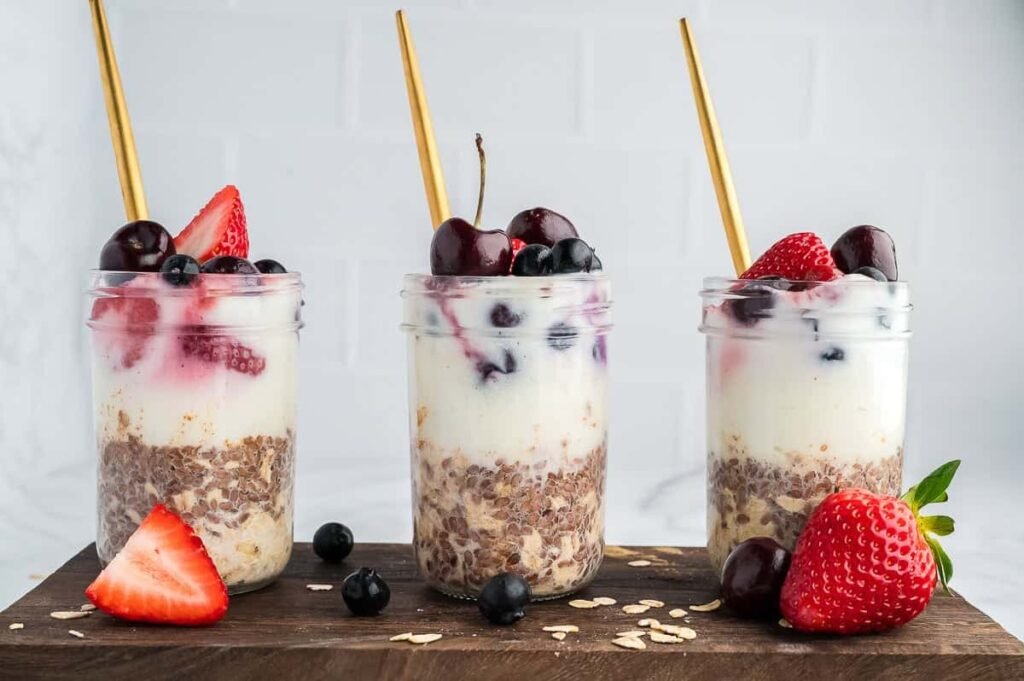
Breakfast: Overnight oats made with rolled oats, unsweetened almond milk, chia seeds, and sliced banana. Prep it Sunday night, and breakfast is already done.
Lunch: Large salad with mixed greens, cherry tomatoes, cucumber, chickpeas, half an avocado, and a lemon-olive oil dressing. Add a boiled egg if you want more protein.
Dinner: Baked chicken breast seasoned with garlic, paprika, and herbs, served with roasted sweet potato and steamed broccoli.
Snack: Apple slices with a tablespoon of natural almond butter.
Quick tip: Season generously. Clean food doesn’t mean bland food — herbs, spices, lemon, and garlic are your best friends.
Day 2 — Tuesday: Plant-Forward Energy
Breakfast: Greek yogurt (plain, full-fat) with fresh berries and a tablespoon of hemp seeds.
Lunch: Lentil soup — either canned (check for low sodium) or homemade — with a slice of whole grain sourdough bread.
Dinner: Stir-fried tofu and mixed vegetables (bell peppers, snap peas, bok choy) over brown rice with a low-sodium tamari and ginger sauce.
Snack: A small handful of mixed nuts — walnuts, almonds, cashews.
Day 3 — Wednesday: Mediterranean Inspiration
Breakfast: Two eggs scrambled in olive oil with spinach and diced tomatoes, served with half an avocado on the side.
Lunch: Whole grain wrap with hummus, roasted red peppers, cucumber, arugula, and a squeeze of lemon. Simple, fast, satisfying.
Dinner: Baked salmon with a mustard-herb crust, served with quinoa and roasted asparagus drizzled with olive oil.
Snack: Carrot sticks and celery with guacamole.
Day 4 — Thursday: Midweek Reset
Breakfast: Smoothie — frozen spinach, half a banana, frozen mango, ground flaxseed, and unsweetened coconut milk. Blend until smooth.
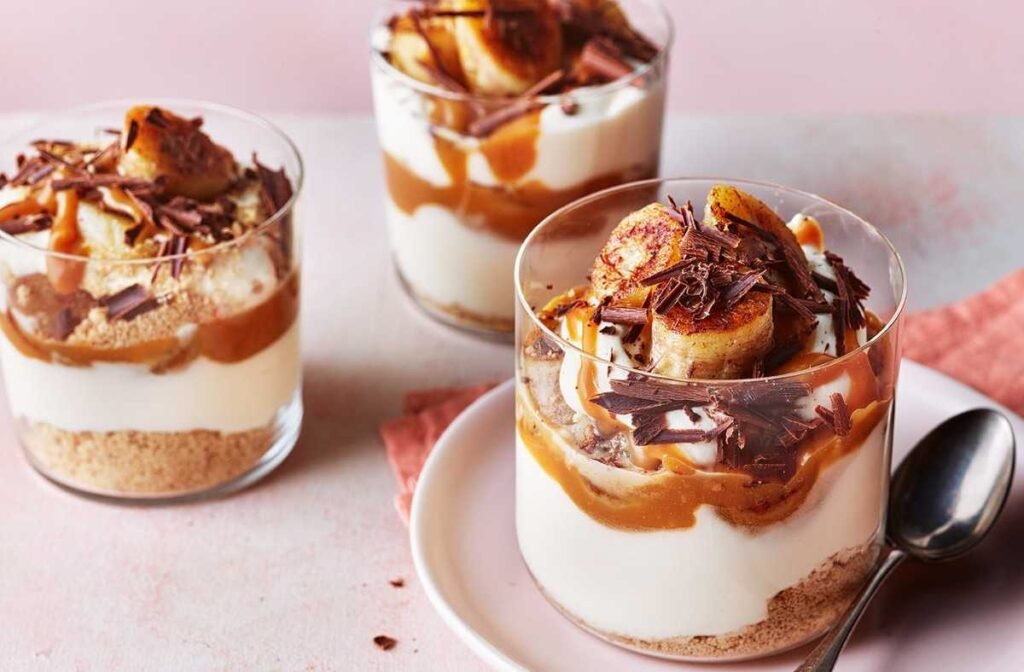
Lunch: Mason jar salad: quinoa base, roasted chickpeas, shredded kale, sliced beets, pumpkin seeds, and tahini-lemon dressing. The jar keeps it fresh if you’re packing lunch.
Dinner: Turkey meatballs (ground turkey, garlic, herbs, egg, oat flour) over zucchini noodles with a clean marinara sauce — check labels for no added sugar.
Snack: Rice cakes with natural peanut butter and sliced strawberries.
Day 5 — Friday: Treat Yourself (Cleanly)
Breakfast: Whole grain toast with smashed avocado, a poached egg, red pepper flakes, and a squeeze of lime. The Friday version of a treat.
Lunch: Leftover turkey meatballs reheated with more zucchini noodles or tucked into a whole-grain wrap.
Dinner: Grass-fed beef tacos in corn tortillas with shredded cabbage, pico de gallo (fresh tomatoes, onion, cilantro, lime), sliced avocado, and a drizzle of plain Greek yogurt instead of sour cream.
Snack: A couple of squares of dark chocolate (70%+ cacao) with a cup of herbal tea.
Day 6 — Saturday: Slow Down and Cook
Breakfast: Veggie-loaded omelette — three eggs, sautéed mushrooms, spinach, cherry tomatoes, and a little goat cheese.
Lunch: Large grain bowl: farro or brown rice base, roasted vegetables (zucchini, red onion, bell peppers), grilled chicken, topped with a tahini dressing.
Dinner: Whole roasted chicken thighs with lemon, garlic, and rosemary, served alongside mashed cauliflower and green beans with almonds.
Snack: Fresh fruit salad — whatever’s in season — with a squeeze of lime and fresh mint.
Day 7 — Sunday: Prep for the Week Ahead
Breakfast: Turmeric oatmeal — cook oats with turmeric, cinnamon, black pepper, and coconut milk. Top with sliced almonds and a drizzle of raw honey.
Lunch: White bean and vegetable soup — cannellini beans, kale, carrots, celery, garlic, diced tomatoes, low-sodium broth, fresh herbs. Make a big batch. It keeps for days.
Dinner: Baked cod with a herb and olive oil coating, served with roasted Brussels sprouts and a small serving of wild rice.
Snack: Almond butter energy balls (rolled oats, almond butter, honey, dark chocolate chips, chia seeds — roll into balls and refrigerate). Make a batch for the week ahead.
Sunday is your power day. Spend an hour or two prepping: cook grains, roast vegetables, hard-boil eggs, and make energy balls. Future-you on a Thursday evening will genuinely appreciate it.
Clean Eating Grocery List
Here’s everything you need for the full 7 days. It’s organized by section to make your shop faster.
Produce:
- Mixed greens and baby spinach (large bags)
- Kale
- Broccoli, Brussels sprouts, asparagus, green beans
- Zucchini (2–3 large)
- Sweet potatoes (3–4, approximately 1.5–2 lbs)
- Cherry tomatoes, cucumber, bell peppers
- Carrots and celery
- Beets (fresh or pre-cooked)
- Avocados (5–6)
- Lemons and limes
- Bananas, apples, strawberries, fresh berries
- Frozen mango and frozen spinach
- Garlic and onions
- Fresh herbs: parsley, rosemary, cilantro
- Mushrooms
Protein:
- Chicken breasts (2 lbs)
- Chicken thighs, bone-in (2 lbs)
- Salmon fillets, wild-caught (1–1.5 lbs)
- Cod fillets (1 lb)
- Grass-fed ground beef (1 lb)
- Ground turkey (1 lb)
- Eggs (2 dozen)
- Firm tofu (1 block)
- Plain full-fat Greek yogurt (32 oz)
- Canned chickpeas and cannellini beans (2 cans each)
- Green or brown lentils (1 can or 1 lb dry)
Grains and Pantry Staples:
- Rolled oats (old-fashioned, not instant)
- Quinoa
- Brown rice
- Farro or wild rice
- Whole-grain sourdough bread
- Whole-grain wraps or corn tortillas
- Rice cakes
Fats, Oils, Nuts, and Seeds:
- Extra virgin olive oil
- Coconut milk (canned, unsweetened)
- Almond butter (natural, no added sugar)
- Natural peanut butter
- Walnuts, almonds, cashews (small bags or bulk)
- Pumpkin seeds, hemp seeds, chia seeds, ground flaxseed
- Dark chocolate (70%+ cacao)
- Raw honey
Condiments and Spices:
- Low-sodium tamari or soy sauce
- Tahini
- Low-sodium vegetable and chicken broth (32 oz cartons)
- Canned diced tomatoes (no-salt-added)
- Dijon mustard
- Apple cider vinegar
- Turmeric, cumin, paprika, cinnamon, red pepper flakes
- Garlic powder, onion powder, black pepper
Amazon Picks for Your Clean Eating Kitchen
These are tools and pantry staples that genuinely make clean eating easier — not gimmicks, actual, useful things.
| Product | Link |
| Vitamix Blender | View on Amazon |
| Instant Pot Duo (6 Qt) | View on Amazon |
| Glass Meal Prep Containers (Set of 10) | View on Amazon |
| OXO Good Grips Salad Spinner | View on Amazon |
| Bob’s Red Mill Rolled Oats (5 lbs) | View on Amazon |
| Navitas Organics Chia Seeds (16 oz) | View on Amazon |
| California Olive Ranch Extra Virgin Olive Oil | View on Amazon |
| Microplane Zester | View on Amazon |
Leave a Reply