
7-day Mediterranean diet meal plan for women is one of those search terms I typed in a mild panic after my annual checkup, when my doctor — very kindly, very gently — mentioned that my cholesterol was creeping up and maybe I should “think about my diet.” I was 38, I was tired all the time, and I’d been telling myself I ate “pretty well” for years.
Spoiler: I didn’t.
What I found when I actually started looking into the Mediterranean diet wasn’t a list of restrictions or a calorie count. It was olive oil. Wine (in moderation). Fresh fish, real bread, mountains of vegetables. It felt like a diet invented by someone who actually enjoyed being alive.

Six weeks later, I was down 9 pounds, sleeping better, and my cholesterol panel looked completely different. I’m not promising those exact results — bodies are different, and results vary — but I am telling you it works, it’s sustainable, and this guide is going to make starting it as easy as possible.
Let’s go.
Table of Contents
Mediterranean Diet Food List
Before you plan a single meal, here’s what your kitchen should be stocked with. This isn’t a rigid prescription — it’s more like a new set of defaults.
Eat Freely
- Extra virgin olive oil (your new primary cooking fat — use it generously)
- All vegetables, especially leafy greens, tomatoes, eggplant, zucchini, artichokes, and peppers
- All fruits, with a focus on berries, figs, citrus, and grapes
- Legumes — chickpeas, lentils, white beans, cannellini beans
- Whole grains — whole grain bread, farro, bulgur, brown rice, oats, whole wheat pasta
- Nuts and seeds — walnuts, almonds, pistachios, pine nuts, sesame seeds
- Fresh and dried herbs and spices — oregano, basil, rosemary, thyme, parsley, cumin, cinnamon, saffron
- Fish and seafood — salmon, sardines, mackerel, sea bass, shrimp, mussels (aim for 2–3 times per week)
- Eggs (up to 1 per day is fine)
- Greek yogurt and small amounts of cheese (feta, Parmesan, ricotta)
Eat in Moderation
- Poultry — chicken and turkey, a few times per week
- Red wine — 1 glass per day with a meal, if you drink alcohol
- Red meat — a few times per month, not per week
- White rice and white pasta — not eliminated, just not the daily baseline
Minimize or Avoid
- Ultra-processed foods: chips, packaged snacks, fast food
- Added sugar: soda, candy, pastries, sweetened beverages
- Refined vegetable oils: corn, soybean, sunflower
- Processed meat: hot dogs, deli meats, sausages
7-Day Mediterranean Diet Meal Plan for Women
This is designed for a woman eating approximately 1,600–1,900 calories per day, which supports gradual weight loss of 1–2 pounds per week without metabolic slowdown. Adjust portions up or down based on your size, activity level, and goals.
Day 1 — Monday: A Fresh Start
Breakfast: Greek yogurt parfait — full-fat plain Greek yogurt layered with fresh berries, a drizzle of honey, and a tablespoon of chopped walnuts. Green tea or black coffee alongside.
Lunch: Big Greek salad — romaine, cucumber, cherry tomatoes, Kalamata olives, red onion, and crumbled feta with a lemon-olive oil dressing. Add half a can of chickpeas for protein.
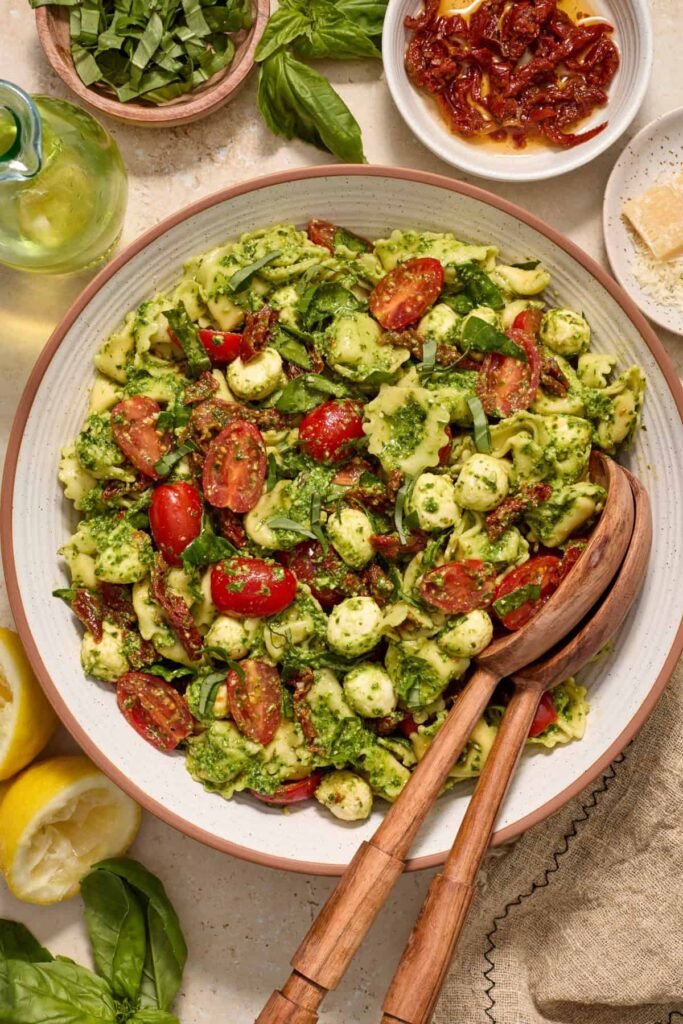
Dinner: Baked lemon herb salmon (6 oz) with roasted asparagus and a side of bulgur wheat cooked in broth with fresh parsley.
Day 1 tip: Make extra bulgur — you’ll use it later in the week. Meal prepping, even one component a day, is the habit that makes this sustainable.
Day 2 — Tuesday: Plant-Forward Power
Breakfast: Whole grain toast with smashed avocado, sliced tomato, a drizzle of olive oil, and flaky sea salt. One poached or soft-boiled egg on top.
Lunch: White bean and kale soup — white beans, kale, garlic, diced tomatoes, and chicken broth with a generous pour of olive oil at the end. This freezes beautifully; make a big pot.
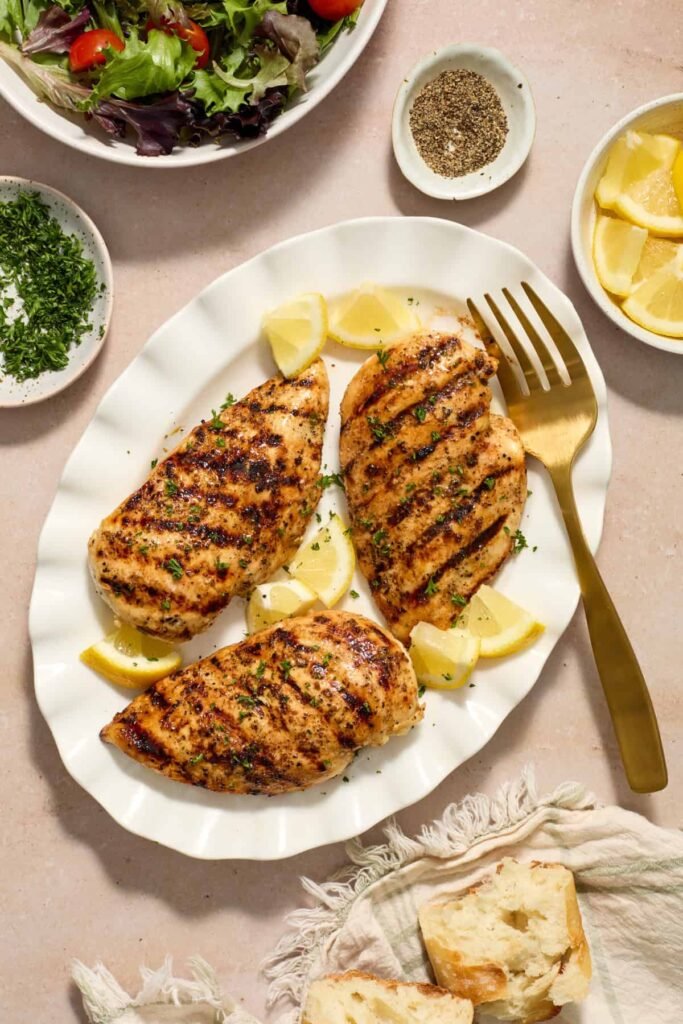
Dinner: Grilled chicken thighs marinated in lemon, garlic, and oregano, served with roasted zucchini and a small side of whole wheat couscous.
Evening: One small glass of red wine with dinner, if that’s your thing. It’s Mediterranean, after all.
Day 3 — Wednesday: Midweek Mediterranean
Breakfast: Overnight oats made with rolled oats, almond milk, chia seeds, and sliced figs or dates. Top with a drizzle of tahini.
Lunch: Tuna-stuffed roasted bell peppers — mix canned wild tuna with olive oil, capers, red onion, parsley, and a squeeze of lemon. Stuff into halved roasted bell peppers.
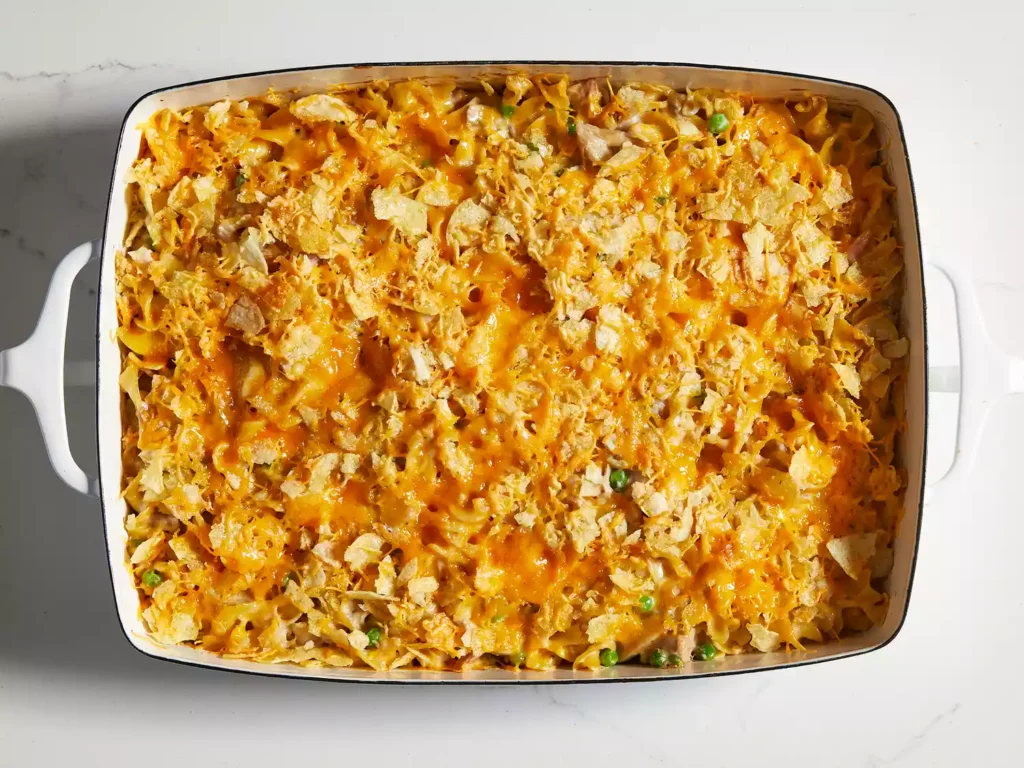
Dinner: Whole grain pasta with a slow-cooked marinara (olive oil, garlic, crushed tomatoes, fresh basil), topped with grated Parmesan. Add sautéed shrimp if you want more protein.
This is the meal that converts skeptics. Real pasta. Good olive oil. Parmesan. It tastes indulgent, and it’s entirely on plan.
Day 4 — Thursday: Gut Health Day
Breakfast: Two scrambled eggs in olive oil with sautéed spinach, cherry tomatoes, and a sprinkle of za’atar. Serve with one slice of whole-grain sourdough.
Lunch: Leftover white bean soup from Tuesday (this is where batch cooking pays off) with extra lemon squeezed in and a heel of good whole grain bread.
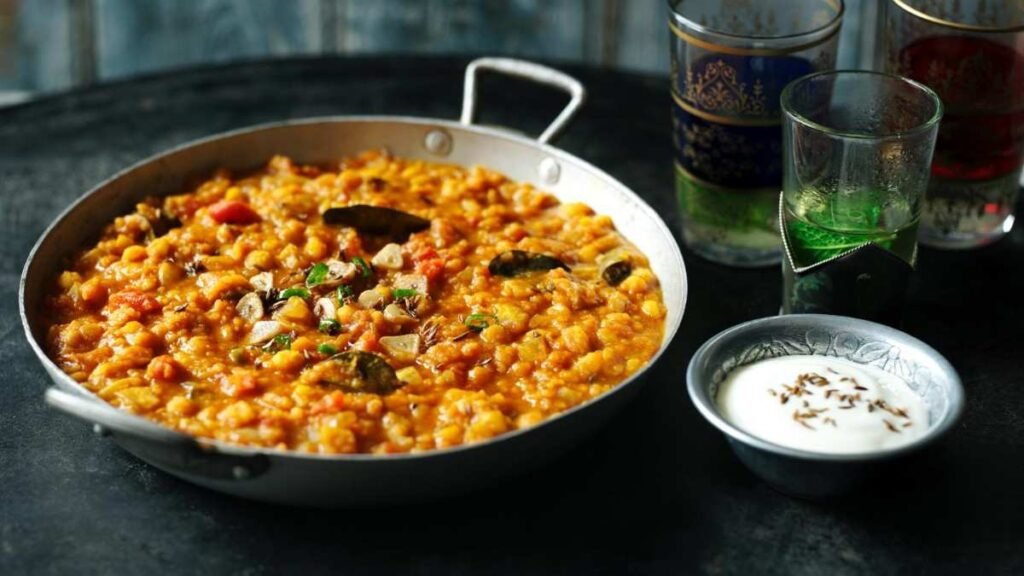
Dinner: Baked cod with a walnut-herb crust, served over lentils braised with cumin, garlic, and diced tomatoes. A simple green salad on the side.
Why Thursday is gut health day: Lentils and legumes are prebiotic powerhouses. They feed the beneficial bacteria in your gut, which directly influences everything from mood to metabolism to immune function. Eating them consistently is one of the most impactful things you can do for your microbiome.
Day 5 — Friday: Treat Yourself (The Mediterranean Way)
Breakfast: Smoothie — frozen mango, Greek yogurt, a handful of spinach, ground flaxseed, almond milk, and a pinch of turmeric. Blend until smooth.
Lunch: Grilled halloumi and roasted vegetable plate — halloumi, roasted eggplant, zucchini, and red peppers over arugula with a lemon-olive oil dressing and fresh mint.
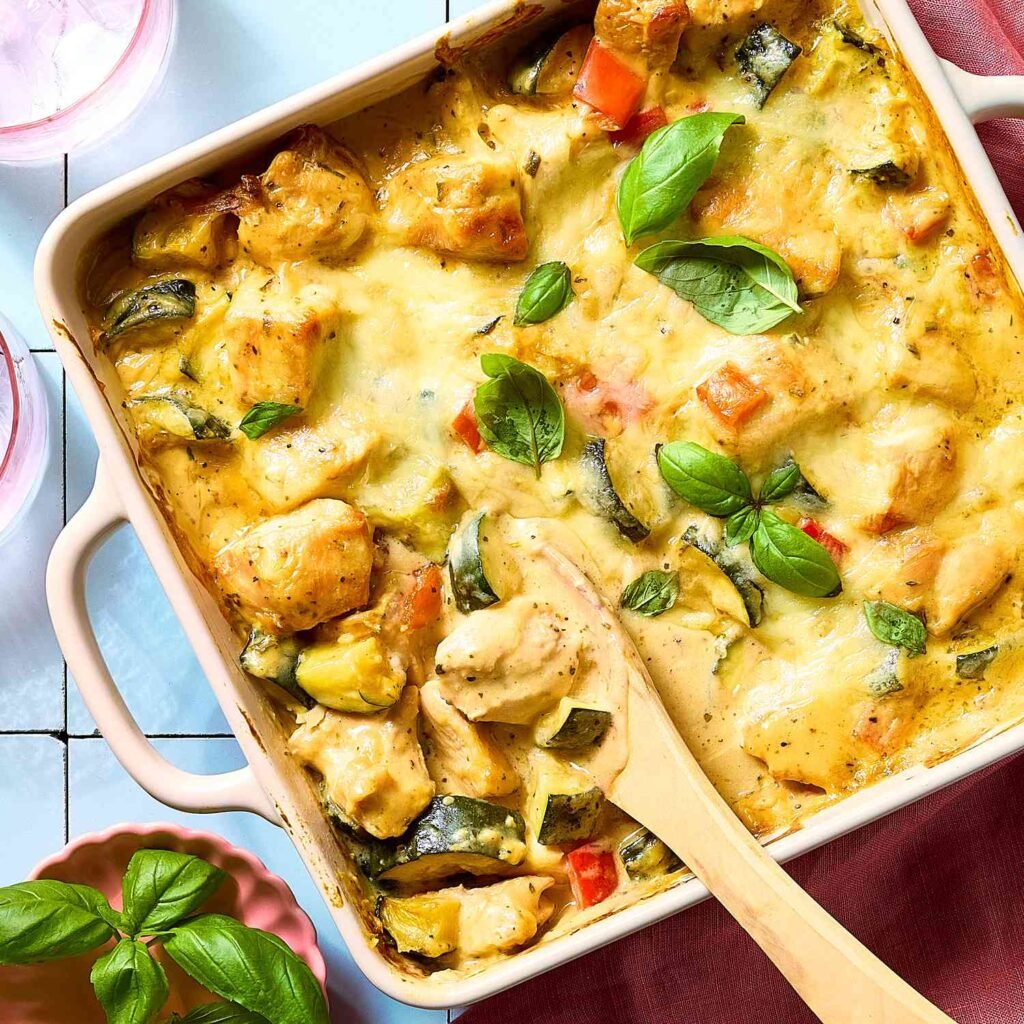
Dinner: Something special — sardine and olive tapenade flatbread on whole grain pita, with a side salad and a glass of red wine. Or swap sardines for anchovies if that’s your preference. High in omega-3s, deeply flavorful, and an underrated dinner that takes 15 minutes.
Day 6 — Saturday: Weekend Slower Pace
Breakfast (later, leisurely): Shakshuka — eggs poached in a spiced tomato sauce with bell peppers, garlic, cumin, paprika, and fresh parsley. Serve with whole-grain pita for scooping.
Lunch: Mediterranean grain bowl — farro or leftover bulgur as the base, topped with roasted chickpeas, cucumber, olives, diced tomatoes, crumbled feta, and a big dollop of hummus.
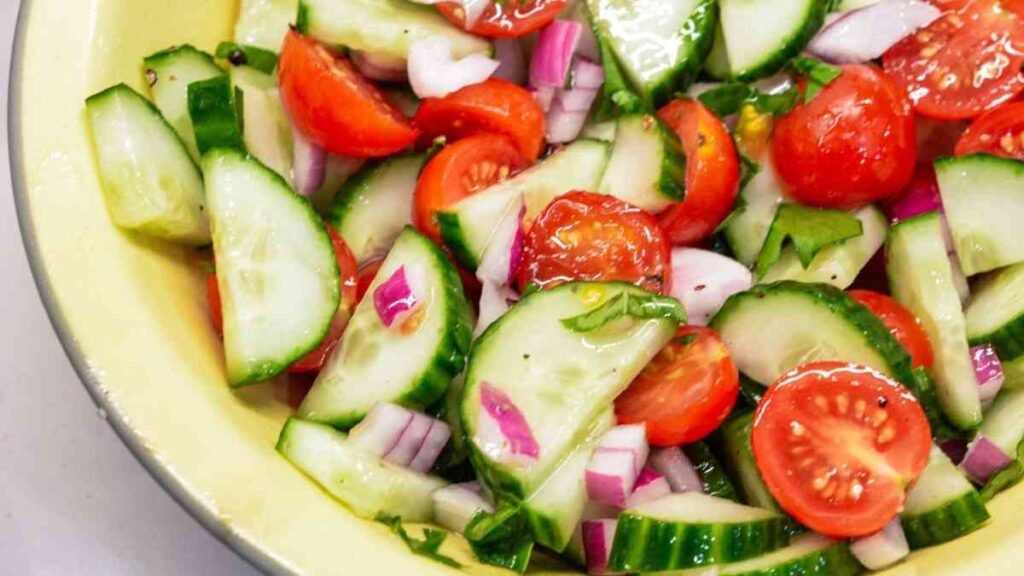
Dinner: Grilled or pan-seared sea bass with a tomato-caper sauce, served with sautéed spinach and a glass of white wine.
Saturday cooking tip: Take 20 minutes before dinner to prep Sunday and Monday ingredients — wash greens, hard-boil a few eggs, soak lentils. It takes so much pressure off the week.
Day 7 — Sunday: Slow Down and Reset
Breakfast: Full-fat Greek yogurt with pomegranate seeds, chopped pistachios, and a swirl of honey. Simple, beautiful, done.
Lunch: Big mezze spread — hummus, baba ganoush (store-bought is fine), pita, olives, sliced cucumbers, cherry tomatoes, and a few slices of feta. Lunch as an experience, not just fuel.
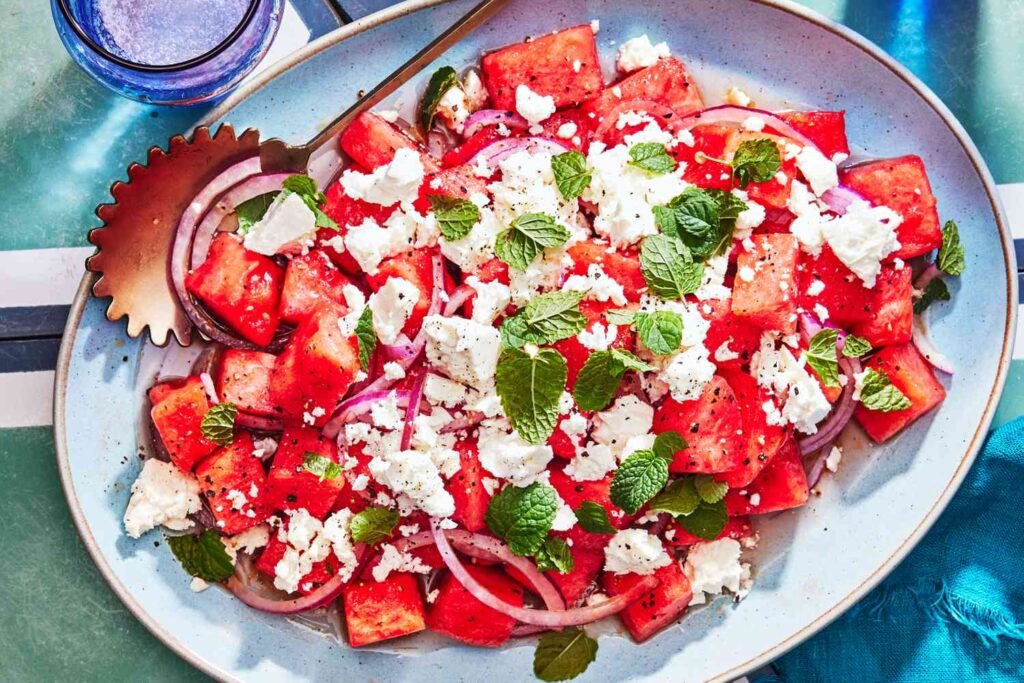
Dinner: Slow-roasted lamb shoulder with herbs and lemon (or roast chicken if lamb isn’t your preference), with roasted root vegetables and a cucumber-yogurt sauce (tzatziki). This is the Sunday dinner that makes the whole week feel worth it.
Tips for Following the Mediterranean Diet
Use olive oil daily: Extra virgin olive oil is the foundation of the Mediterranean diet. Add it to salads, vegetables, fish, and whole grains for flavor and healthy fats.
Eat fish twice a week: Fish provides heart-healthy omega-3s. Budget-friendly options like canned salmon and sardines work just as well.
Choose quality carbs: Focus on whole grains, beans, and legumes. Pair them with protein and healthy fats for better energy and fullness.
Slow down at meals: Eating mindfully and without distractions can improve digestion and help with portion control.
Meal prep ahead: Spend an hour preparing grains, vegetables, or soups to make healthy eating easier throughout the week.
Watch trends, not daily weight: Weigh yourself weekly instead of daily, since normal fluctuations can be misleading.
Helpful Products to Support Your Mediterranean Kitchen
These are the tools and pantry staples that make this diet genuinely easy to maintain:
| Product | Link |
| California Olive Ranch Extra Virgin Olive Oil | View on Amazon |
| Lodge Cast Iron Skillet | View on Amazon |
| Wild Planet Canned Sardines in Olive Oil | View on Amazon |
| Bob’s Red Mill Farro | View on Amazon |
| Stonewall Kitchen Tahini | View on Amazon |
| Greek Instant Pot Cookbook for Mediterranean Meals | View on Amazon |
Leave a Reply