
The best energy-boosting diet plan for women isn’t something most of us stumble upon by accident. We find it after years of running on coffee and willpower, after the third time in a week we’ve cancelled plans because we’re just too tired to show up, after standing in the kitchen at 3 pm wondering why we feel like we’ve already lived a full week, and it’s only Wednesday.
That was me at 34. On paper, everything looked fine. I wasn’t anemic — I’d checked. I was sleeping, sort of. I exercised occasionally, drank enough water, and took a multivitamin. But I was exhausted in this deep, frustrating way that felt personal, like my body was just failing me.
What I didn’t know then — and what nobody had clearly explained — was that the energy problem wasn’t mysterious at all. It was almost entirely dietary. Not because I was eating terribly, but because I wasn’t eating for my body. Women’s energy needs are genuinely different from men’s, shaped by hormonal cycles, iron requirements, thyroid function, and a stress response that runs hotter and burns out faster. A generic “eat healthy” approach simply doesn’t address any of that.
This guide does.
Table of Contents
Why Women Experience Low Energy — And Why It’s Not All in Your Head
Before we talk food, it’s worth naming what’s actually happening. Because a lot of women spend years thinking their exhaustion is a character flaw before they realize it’s physiology.
Hormonal fluctuations play a massive role. Estrogen and progesterone don’t just regulate the menstrual cycle — they directly influence neurotransmitter activity, blood sugar regulation, and cellular energy production. The week before your period, progesterone rises, and your resting metabolic rate increases slightly. You’re literally burning more energy, which means you need more fuel. Most women don’t adjust their diet accordingly, which is exactly why the pre-menstrual energy crash hits so hard.
Iron deficiency is one of the most common and most overlooked culprits. Women lose iron through menstruation every month, and unless you’re actively replacing it through food or supplementation, levels can drop into a range that tanks your energy without technically crossing into clinical anemia. You don’t need a diagnosis to feel it.
Blood sugar instability is another big one. Women tend to be more sensitive to blood glucose swings than men — partly hormonal, partly related to how female bodies store and release glycogen. Skipping meals, eating high-sugar breakfasts, or going too long without eating sends blood sugar on a rollercoaster that leaves you exhausted, foggy, and raiding the pantry by mid-afternoon.
Cortisol and chronic stress deplete key energy nutrients — magnesium, B vitamins, and vitamin C — faster than they can be replenished through a typical diet. When the tank runs dry, energy goes with it.
The point isn’t to blame biology. The point is: when you eat specifically to support these mechanisms, the exhaustion often resolves without medication, without dramatic lifestyle overhauls, and without giving up the things you love.
Best Energy-Boosting Foods for Women
These aren’t just “healthy foods” in a generic sense. These are nutrients and food sources that specifically address the energy mechanisms women are most vulnerable to.
- Iron-rich foods — grass-fed beef, chicken thighs, dark leafy greens (especially spinach), lentils, pumpkin seeds, and fortified cereals. Always pair plant-based iron with vitamin C to significantly boost absorption.
- Complex carbohydrates — oats, sweet potatoes, quinoa, brown rice, and whole-grain bread. These release glucose slowly, preventing the blood sugar spikes and crashes that trigger afternoon fatigue.
- Magnesium-rich foods — dark chocolate, pumpkin seeds, black beans, almonds, and avocado. Magnesium is involved in over 300 enzymatic reactions, many of them directly related to energy production. Women are commonly deficient in it.
- B-vitamin sources — eggs, salmon, beef liver, nutritional yeast, sunflower seeds, and legumes. B12, B6, and folate are the backbone of cellular energy metabolism.
- Protein at every meal — chicken, fish, eggs, Greek yogurt, cottage cheese, legumes, and tofu. Protein slows digestion, stabilizes blood sugar, and provides the amino acids — especially tyrosine — that are direct precursors to dopamine and norepinephrine, the brain chemicals behind alertness and drive.
- Hydrating foods — cucumbers, watermelon, celery, zucchini, and citrus fruits. Even mild dehydration of just 1–2% body water loss measurably reduces cognitive function and perceived energy.
- Healthy fats — salmon, sardines, walnuts, extra virgin olive oil, and avocado. Omega-3 fatty acids support brain health, reduce neuroinflammation, and improve the quality of restorative sleep.
- Adaptogenic herbs — ashwagandha, maca root, and rhodiola rosea have growing clinical support for reducing cortisol-related fatigue, specifically in women.
Foods That Drain Your Energy (More Than You Realize)
Here’s the uncomfortable truth: a lot of the foods and drinks women reach for when they’re exhausted are actively making things worse.
- Caffeine overload — one or two cups of coffee is fine for most women. But four cups spread throughout the day disrupts your cortisol rhythm, interferes with deep sleep, and creates a dependency cycle that leaves you feeling terrible without it.
- High-sugar breakfast foods — flavored yogurts, granola bars, fruit juice, and most commercial cereals spike blood sugar and then crash it hard within 90 minutes. You’ll feel fine for 20 minutes, then wonder why you can barely keep your eyes open at 10 am.
- Alcohol, especially in the evening — even one glass of wine a few nights a week disrupts REM sleep — the restorative phase. You can wake up after eight hours and still feel unrefreshed because the quality wasn’t there.
- Ultra-processed snack foods — chips, crackers, and similar items provide virtually no micronutrients, spike blood sugar, and leave you hungry and tired again within the hour.
- Skipping meals — prolonged gaps between meals deplete glycogen stores, lower blood sugar, elevate cortisol, and make you more likely to overeat later. It exhausts both your metabolism and your willpower simultaneously.
- Diet sodas and artificial sweeteners — research increasingly links these to disrupted gut microbiome function, which affects how well you absorb the nutrients that produce energy.
The Best Energy-Boosting Diet Plan for Women — Your 7-Day Meal Guide

Every day in this plan is built around three core principles: stable blood sugar, replenishment of iron and B vitamins, and protein spread evenly across all meals. Portions are calibrated for a moderately active woman around 130–160 pounds. Adjust up or down based on your activity level and hunger cues.
Day 1 — Monday: Blood Sugar Stability First
Breakfast: Savory oat bowl — rolled oats cooked in low-sodium broth, topped with a soft-poached egg, sautéed spinach, cherry tomatoes, and a drizzle of olive oil.
Lunch: Grilled chicken and quinoa salad with roasted red peppers, cucumber, chickpeas, and a lemon-tahini dressing.

Dinner: Baked salmon with sweet potato mash and steamed broccoli with garlic.
Snack: A small handful of pumpkin seeds and one square of dark chocolate (70%+).
Energy focus: Iron from spinach and chickpeas, omega-3s and B12 from salmon, slow-release fuel from oats and sweet potato.
Day 2 — Tuesday: Iron Recovery
Breakfast: Scrambled eggs with sautéed kale, cherry tomatoes, and whole-grain toast. A small glass of orange juice on the side — the vitamin C dramatically boosts iron absorption from the greens.
Lunch: Lentil and vegetable soup with a thick slice of sourdough bread.
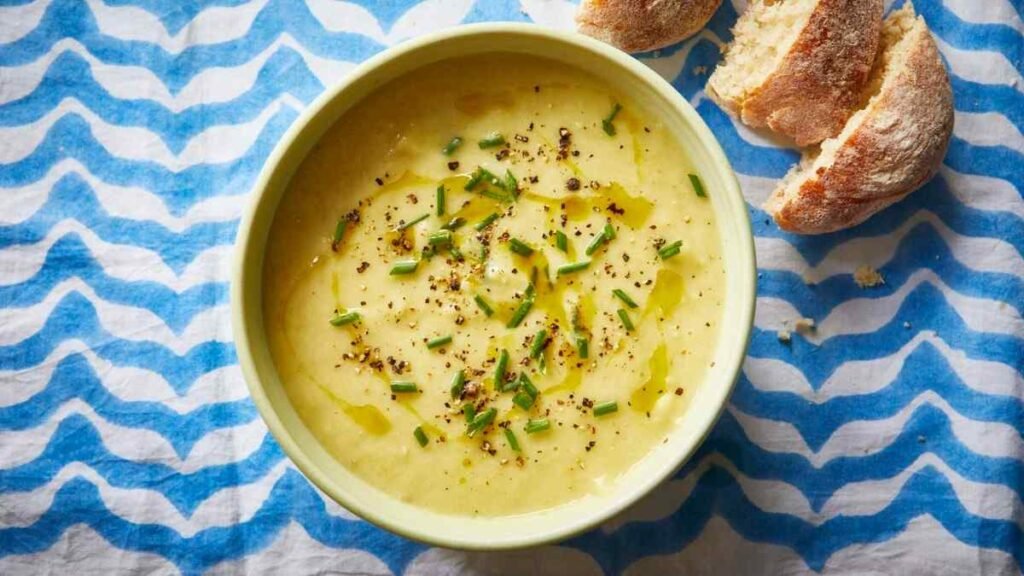
Dinner: Lean grass-fed beef stir-fry with bell peppers, snap peas, broccoli, and brown rice in a ginger-soy sauce.
Snack: Apple slices with almond butter.
Day 3 — Wednesday: Hormone Support
Breakfast: Smoothie with frozen mango, spinach, half a teaspoon of maca powder, chia seeds, unsweetened almond milk, and a scoop of vanilla protein powder.
Lunch: Turkey and avocado wrap in a whole-grain tortilla with arugula, shredded carrots, and a yogurt-herb sauce.

Dinner: Roasted chicken thighs with Brussels sprouts, wild rice, and a lemon-herb pan sauce.
Snack: Full-fat Greek yogurt with a drizzle of honey and a handful of walnuts.
Energy focus: Maca is particularly well-studied for hormonal balance and fatigue in women. Wednesday’s meals also hit magnesium hard through wild rice, walnuts, and dark leafy greens — key for the luteal phase of the cycle.
Day 4 — Thursday: Brain Fuel Day
Breakfast: Overnight oats with sliced banana, ground flaxseed, cinnamon, and a tablespoon of almond butter. Matcha latte instead of coffee.
Lunch: Nicoise-style salad — mixed greens, canned tuna, hard-boiled eggs, green beans, cherry tomatoes, olives, and a red wine vinegar dressing.
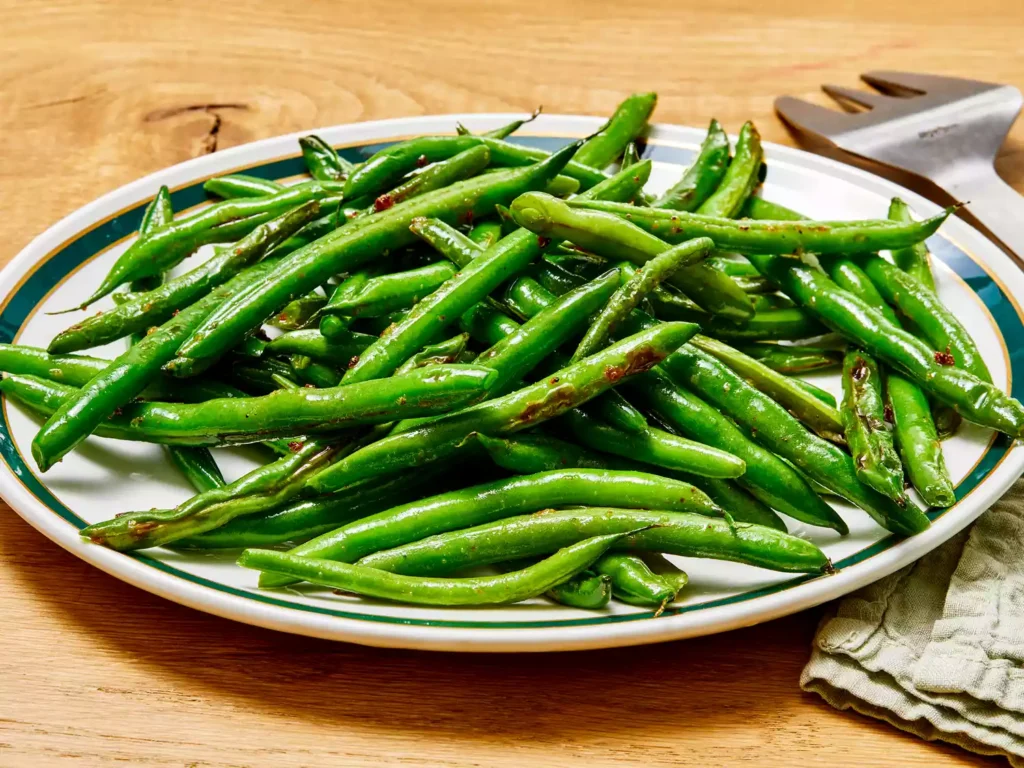
Dinner: Baked cod with roasted asparagus, quinoa, and a side of steamed edamame.
Snack: Celery sticks with hummus and a few walnuts.
Day 5 — Friday: Gut and Thyroid Reset
Breakfast: Full-fat cottage cheese with sliced peaches, hemp seeds, and a drizzle of raw honey.
Lunch: Warming lentil and sweet potato curry over brown rice with a spoonful of plain Greek yogurt on the side.
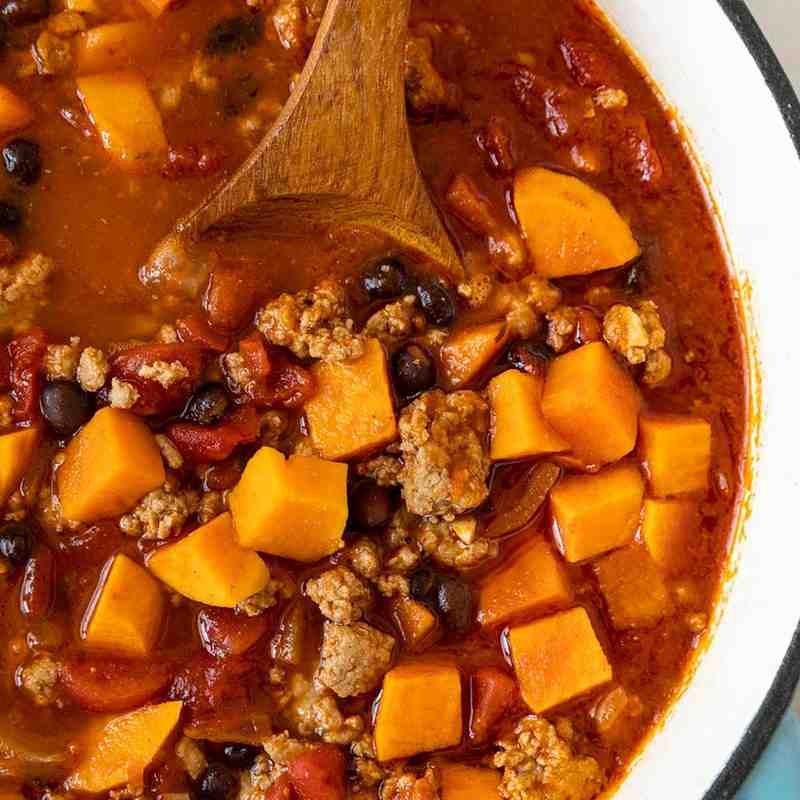
Dinner: Sheet pan shrimp with roasted zucchini, cherry tomatoes, bell peppers, and whole grain pasta in olive oil and garlic.
Snack: Mixed berries (frozen is absolutely fine) with a small handful of almonds.
Energy focus: Shrimp is one of the richest sources of iodine, which supports thyroid function directly. An underperforming thyroid is a surprisingly common and frequently missed driver of persistent fatigue in women.
Day 6 — Saturday: Deep Nourishment
Breakfast: Smashed avocado on whole grain toast with two poached eggs, red pepper flakes, and a squeeze of lemon. Fresh fruit on the side.
Lunch: Grain bowl with a farro base, roasted beets, crumbled goat cheese, toasted pumpkin seeds, arugula, and a balsamic-olive oil dressing.
Dinner: Herb-marinated grilled salmon with roasted sweet potatoes and a large green salad with tahini dressing.
Snack: Two squares of dark chocolate (70%+) and a cup of chamomile tea.
Day 7 — Sunday: Reset and Prep
Breakfast: Golden turmeric smoothie — frozen banana, turmeric, fresh ginger, cinnamon, a pinch of black pepper (this activates curcumin absorption — it’s not optional), coconut milk, and almond butter.
Lunch: Warm chickpea and kale salad with roasted cauliflower, pine nuts, and a sherry vinegar dressing.

Dinner: Slow-cooked chicken and white bean stew with a thick slice of whole grain bread. Comforting and deeply restorative — exactly what Sunday is for.
Snack: Rice cakes with nut butter and sliced banana.
Sunday tip: Cook a double batch of grains, roast a sheet pan of vegetables, and hard-boil four eggs. It takes about 45 minutes and makes the entire week dramatically more manageable.
Lifestyle Tips That Multiply Your Energy
Food does most of the work, but these habits amplify everything.
Protect your sleep architecture, not just your hours. Eight fragmented hours are not the same as seven deep, uninterrupted hours. A consistent wake time — even on weekends — is the single most effective lever for sleep quality and morning energy.
Move in the morning, even briefly. A 10-minute walk within an hour of waking resets cortisol rhythm, improves insulin sensitivity, and primes the brain for alertness. You don’t need a full workout — just move.
Eat breakfast within 90 minutes of waking. Skipping it raises cortisol and triggers blood sugar instability for the entire day. At least 20–25 grams of protein at breakfast is the most evidence-backed way to sustain energy through the morning.
Use caffeine strategically. For most women, the ideal caffeine window is 9:30am to 2pm. Earlier blunts your natural cortisol peak; later disrupts sleep even if it doesn’t feel like it does.
Recommended Energy-Boosting Supplements for Women
Whole food comes first — always. But these supplements address gaps that diet alone often can’t fully close, especially for women managing high stress, monthly iron losses, or restricted diets.
| Supplement | Why It Helps Women Specifically | Product |
| Iron (with Vitamin C) | Replaces menstrual iron losses; directly combats fatigue | Thorne Iron Bisglycinate — View on Amazon |
| Magnesium Glycinate | Supports energy production, lowers cortisol, and improves sleep | Pure Encapsulations Magnesium Glycinate — View on Amazon |
| Vitamin B Complex | Fuels cellular energy metabolism, especially B12 and B6 | Garden of Life B Complex — View on Amazon |
| Vitamin D3 + K2 | Deficiency is directly linked to fatigue; D3+K2 improves absorption and utilization | Sports Research Vitamin D3 K2 — View on Amazon |
| Ashwagandha (KSM-66) | Clinically studied adaptogen that measurably reduces cortisol and fatigue | KSM-66 Ashwagandha by Jarrow — View on Amazon |
| Omega-3 Fish Oil | Reduces neuroinflammation and improves restorative sleep depth | Nordic Naturals Ultimate Omega — View on Amazon |
| Maca Root Powder | Hormone-supportive adaptogen with evidence for energy and mood in women | Navitas Organics Maca Powder — View on Amazon |
Always speak with your doctor before starting iron supplements specifically — excess iron can be harmful, and supplementation should follow a confirmed deficiency via bloodwork.
FAQ: Energy-Boosting Diet for Women
Q: How quickly will I feel more energized after changing my diet?
Most women notice improved morning energy and fewer afternoon crashes within 7–10 days of stabilizing blood sugar. Deeper changes — hormone balance, iron recovery, better sleep — typically take 3–6 weeks.
Q: Is coffee actually bad for energy?
Not inherently. One to two cups before noon is fine for most women. The problem is relying on it beyond that — it disrupts sleep architecture and cortisol rhythm in ways that compound fatigue over time.
Q: Can I follow this plan as a vegetarian?
Yes. Swap meat-based proteins with lentils, chickpeas, tofu, tempeh, eggs, and Greek yogurt. Add an algae-based omega-3 and monitor B12 and iron closely.
Q: Why am I always exhausted the week before my period?
During the luteal phase, progesterone rises, and your caloric needs increase slightly — some research suggests 150–200 additional calories per day. Iron and magnesium intake is especially critical during this window.
Q: How much water should I drink for energy?
A practical starting point: drink at least half your body weight (in pounds) in ounces per day. If you weigh 140 pounds, aim for at least 70 oz of water daily. Increase this with exercise, heat, or caffeine consumption.
Your Energy Is Not Gone — It’s Just Waiting for the Right Fuel
Here’s the thing about energy: you don’t have time to keep waiting for it to come back on its own. Every low-energy day costs you something real — productivity, joy, presence, the version of yourself you’re genuinely trying to be.
The 7-day plan above isn’t complicated. You don’t need to cook every meal from scratch or clear out your entire pantry this weekend. Start with one change tomorrow morning: a protein-forward breakfast. A handful of pumpkin seeds in the afternoon instead of a second coffee. One iron-rich dinner this week.
Small, deliberate shifts compound faster than you expect.
Pick one meal from Day 1, make it tomorrow, and notice how you feel by noon. That’s all it takes to begin.
Your energy isn’t broken. It’s been waiting for this.
Always consult your physician or a registered dietitian before making significant dietary changes, particularly if you have an existing medical condition or take any medications.


Add Comment