
7-day high-fibre diet plan — that’s what my doctor scribbled on a printed sheet and slid across her desk after I told her I’d been bloated for three months straight, had gained 14 pounds without actually changing anything, and felt the kind of tired that a full night’s sleep didn’t fix. She circled the words dietary fibre with her pen and said, “Start here before we do anything else.”
I’ll be honest — I rolled my eyes a little on the drive home. Fibre felt like something you worried about in your 70s, not something that could genuinely move the needle on weight or how your gut behaved day-to-day. I figured she was just giving me the polite brush-off. But I tried it anyway, mostly because I was desperate enough to try anything.
Within two weeks, something quietly shifted. The bloating that had been my constant companion for months eased up. I stopped feeling starved an hour after eating a full meal. The scale moved — not dramatically, but it moved in the right direction for the first time in a long time.
What I didn’t get back then is that fibre is probably the most underrated nutrient in how we eat today. Most of us are getting roughly half of what our bodies actually need, and the downstream effects — weight gain, sluggish digestion, blood sugar that swings like a pendulum, low energy by 2pm — are so widespread we’ve started treating them as just being normal. They’re really not.
This guide is everything I wish someone had handed me from day one. A realistic 7-day plan, a rundown of the best high fibre foods, practical tips for actually making this sustainable, and the mistakes that’ll derail you if nobody warns you about them. Let’s get into it.
Table of Contents
What Fibre Actually Is (And Why Most People Don’t Get Enough)
Fibre is a type of carbohydrate your body genuinely cannot digest. Unlike sugar or starch, it moves through your system largely intact — and weirdly, that’s exactly the point. That’s what makes it useful. There are two main types, and honestly, both of them matter in different ways.
Soluble fibre dissolves in water and turns into a kind of thick gel inside your digestive tract. That gel slows digestion down, stabilises blood sugar, helps lower LDL cholesterol, and feeds the good bacteria living in your gut. You’ll find it in oats, apples, beans, flaxseeds, and most citrus fruits.
Insoluble fibre doesn’t dissolve at all — instead it adds bulk to your stool and keeps things physically moving through your intestines. It’s basically why high-fibre diets have such a strong connection to regularity and long-term colorectal health. Whole grains, most vegetables, nuts, and seeds are your best sources.
Most adults need somewhere between 25 and 38 grams of fibre per day — 25g being the general baseline for women, 38g for men. The average person is pulling in somewhere around 15 to 17 grams. That’s a significant gap, and it tends to show up in symptoms that don’t immediately scream “fibre problem” — things like afternoon energy crashes, persistent bloating, and stubborn weight that won’t budge no matter what you try.
The Real Benefits of a High Fibre Diet
Before we get to the actual meal plan, it’s worth pausing on the why for a minute — because when you understand what’s actually happening in your body, it’s a lot easier to stay motivated past Day 3.
Weight loss and appetite control: Fibre slows the rate at which food leaves your stomach — what doctors call gastric emptying. The practical effect is that you feel full for longer, which means you naturally eat less without having to white-knuckle it through hunger. High fibre foods also tend to need more chewing and carry fewer calories per bite, so you get more volume without the caloric hit. There are multiple large studies showing that increasing fibre intake alone — without any other dietary changes — produces real, measurable weight loss.
Gut health and the microbiome: Your gut microbiome — we’re talking trillions of bacteria, fungi, and other organisms living in your digestive tract — is literally fed by the fibre you eat. Specifically by prebiotic fibre, which particular beneficial bacteria ferment into compounds called short-chain fatty acids. These fatty acids calm gut inflammation, reinforce the intestinal lining, and do a surprising amount of work for your immune system. A varied, fibre-rich diet is genuinely one of the most evidence-backed ways to build a healthier gut — and the gut-health benefits alone are worth it.
Blood sugar regulation: Soluble fibre slows how quickly glucose gets absorbed into your bloodstream, which means less dramatic spikes after meals. That matters enormously for insulin sensitivity, long-term diabetes risk, and — maybe more relevantly for most people — those 3pm energy crashes and sugar cravings that feel impossible to ignore.
Cholesterol and heart health: Soluble fibre grabs onto bile acids in your gut and helps escort them out of your body. Your liver then has to pull more cholesterol from the blood to make new bile, which gradually lowers your LDL levels. It’s a slow process but a real one, backed by decades of research.
Digestive regularity: Insoluble fibre adds bulk and draws water into your stool, which physically speeds things along and reduces constipation. A digestive system that works the way it’s supposed to has knock-on effects that reach further than most people expect — energy, skin, mood, even sleep.
Best High Fibre Foods List
These are the ingredients you’ll be building your meals around. The key thing is variety — rotating through different sources is what actually builds a diverse microbiome. Don’t just eat the same three foods every day and call it done.
Legumes (highest fibre density per serving):
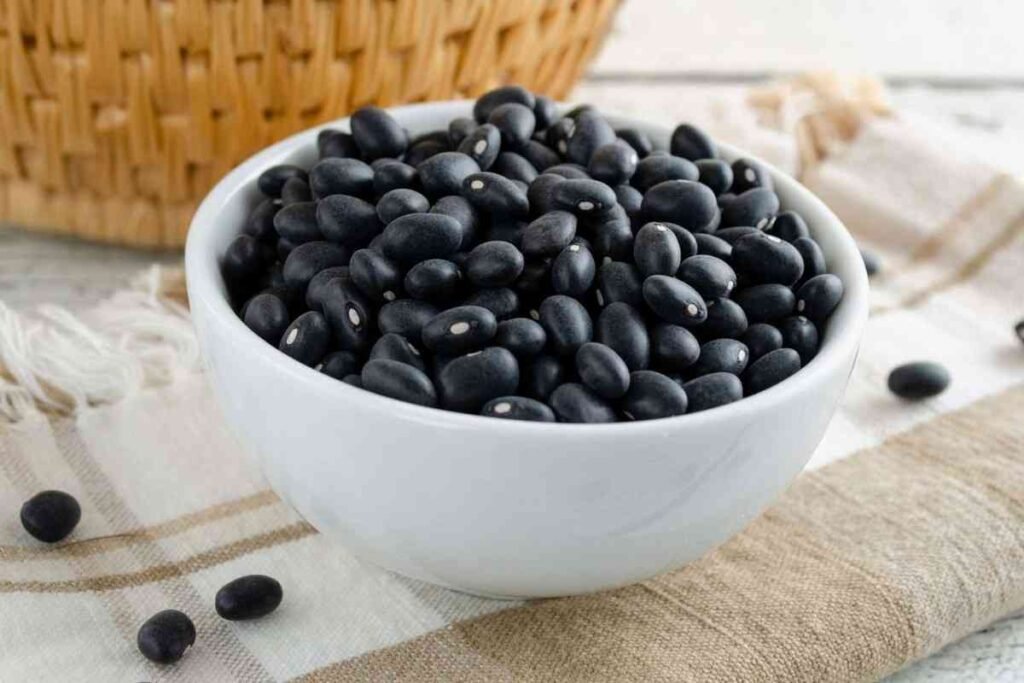
- Black beans — 15g fibre per cup (cooked)
- Lentils — 15.6g per cup (cooked)
- Chickpeas — 12.5g per cup (cooked)
- Kidney beans — 13.6g per cup (cooked)
- Edamame — 8g per cup
Whole grains:
- Oats (rolled or steel-cut) — 4g per cup (cooked)
- Quinoa — 5.2g per cup (cooked)
- Barley — 6g per cup (cooked)
- Whole grain bread — 2–3g per slice (varies a lot by brand)
- Brown rice — 3.5g per cup (cooked)
Vegetables:
- Artichokes — 10g per medium artichoke
- Brussels sprouts — 4g per cup
- Broccoli — 5.1g per cup (cooked)
- Sweet potato — 4g per medium (with skin on)
- Carrots — 3.6g per cup
- Peas — 8.8g per cup
Fruit:
- Raspberries — 8g per cup
- Avocado — 10g per whole avocado
- Pears — 5.5g per medium (with skin)
- Apples — 4.4g per medium (with skin)
- Figs — 1.4g per fig (dried figs run considerably higher)
- Bananas — 3.1g per medium banana
Nuts and seeds:
- Chia seeds — 10g per ounce
- Flaxseeds (ground) — 2.8g per tablespoon
- Almonds — 3.5g per ounce
- Walnuts — 2g per ounce
- Pumpkin seeds — 1.8g per ounce
One thing worth saying out loud: keep the skins on. A huge chunk of the fibre in apples, pears, potatoes, and zucchini sits right at or just under the skin. Peeling them out of habit throws away a lot of nutritional value that required zero extra effort to keep.
7-Day High-Fibre Diet Plan for Weight Loss and Gut Health
This plan is structured to increase your daily fibre intake gradually across the week — starting around 22–25g on Day 1 and working up toward 30–35g by Day 7. That progression matters. I’ll explain why in the tips section, but the short version is: jumping straight to 38g when you’ve been eating 15g is a recipe for a very uncomfortable week. All portions here are for one adult.
Day 1 — Ease In
Breakfast: Steel-cut oats cooked in water or almond milk, topped with sliced banana, a tablespoon of ground flaxseed, and a small handful of raspberries. Estimated fibre: ~11g

Lunch: Lentil and vegetable soup with a slice of whole-grain bread. Use canned lentils — there’s no shame in it, they’re just as nutritious and you’ll actually make the soup. Estimated fibre: ~10g
Dinner: Grilled chicken breast with roasted broccoli, a medium baked sweet potato with the skin left on, and a drizzle of olive oil. Estimated fibre: ~9g
Snack: A medium apple with a tablespoon of almond butter. Day total: ~22–24g fibre
Day 2 — Add a Legume
Breakfast: Whole grain toast with smashed avocado, a poached egg, and a pinch of red pepper flakes. Estimated fibre: ~8g
Lunch: Black bean and brown rice bowl with roasted peppers, corn, cilantro, lime, and salsa. Estimated fibre: ~14g
Dinner: Baked salmon with a big green salad — romaine, cucumber, cherry tomatoes, shredded carrots — and a lemon-olive oil dressing. Estimated fibre: ~7g
Snack: A pear with the skin on and a small handful of walnuts. Day total: ~25–27g fibre
Day 3 — Breakfast Gets Serious
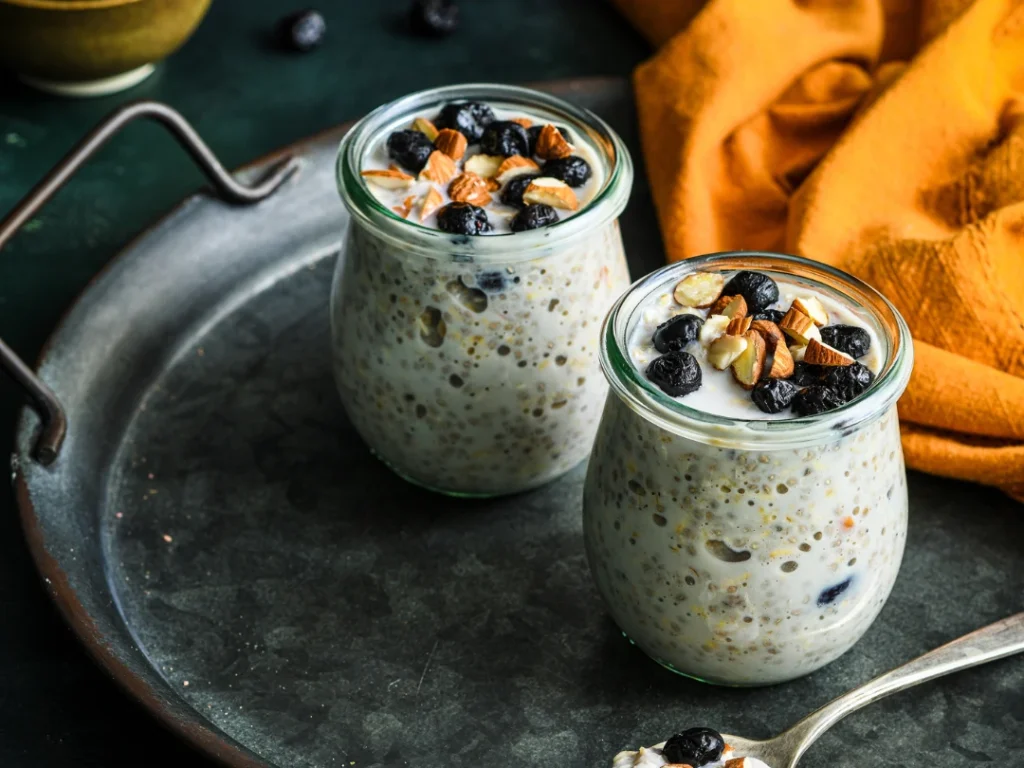
Breakfast: Overnight oats with chia seeds, frozen mixed berries, and a tablespoon of almond butter. Assemble it before bed — takes four minutes and future-you will be grateful. Estimated fibre: ~14g
Lunch: Hummus wrap in a whole grain tortilla with shredded kale, roasted beetroot, cucumber, and pumpkin seeds. Estimated fibre: ~10g
Dinner: Turkey and chickpea curry over brown rice with steamed spinach on the side. Estimated fibre: ~11g
Snack: Carrot and celery sticks with hummus. Day total: ~28–30g fibre
Day 4 — Midweek Reset
Breakfast: Smoothie with frozen spinach, half an avocado, frozen mango, ground flaxseed, chia seeds, and oat milk. Blend it longer than you think you need to — nobody wants a chunk of frozen spinach at 7am. Estimated fibre: ~12g
Lunch: Barley and roasted vegetable bowl — barley base, roasted zucchini, bell peppers, red onion, cherry tomatoes, and a tahini dressing that pulls everything together. Estimated fibre: ~10g

Dinner: Grilled cod with roasted Brussels sprouts and a warm lentil salad with a simple lemon vinaigrette. Estimated fibre: ~12g
Snack: A handful of almonds and a small pile of raspberries. Day total: ~30–32g fibre
Day 5 — Fuel Up
Breakfast: Savory oatmeal cooked in vegetable broth, topped with a soft-boiled egg, sautéed mushrooms, and baby spinach. I know it sounds a bit odd but try it before you judge — it’s genuinely good. Estimated fibre: ~8g
Lunch: Split pea soup (canned is fine, homemade is better) with a thick slice of whole grain rye bread. Estimated fibre: ~13g

Dinner: Stuffed bell peppers loaded with quinoa, black beans, corn, diced tomatoes, and a little melted cheese on top. Estimated fibre: ~12g
Snack: Sliced pear with a side of chia seed pudding made with coconut milk. Make the pudding the night before. Day total: ~30–32g fibre
Day 6 — Weekend Prep Day
Breakfast: Whole grain pancakes made with oat flour, topped with fresh blueberries and a drizzle of raw honey. A little slower morning, a little more enjoyable start. Estimated fibre: ~9g
Lunch: Big grain salad — quinoa, edamame, shredded kale, roasted sweet potato, pumpkin seeds, and a miso-ginger dressing that you’ll want to put on everything. Estimated fibre: ~14g

Dinner: Slow-cooked vegetable and kidney bean chili over brown rice, with a dollop of plain Greek yogurt on top instead of sour cream. Estimated fibre: ~16g
Snack: Apple slices with almond butter and a sprinkle of ground flaxseed. Day total: ~33–35g fibre
Day 7 — Full Stride
Breakfast: Chia seed pudding made with almond milk, layered with mango, raspberries, and a tablespoon of hemp seeds. Make it Saturday night — Sunday morning, you just open the fridge. Estimated fibre: ~15g
Lunch: Warm artichoke and white bean salad with arugula, shaved parmesan, and a lemon-herb dressing. Sounds fancy, comes together in about 10 minutes. Estimated fibre: ~14g

Dinner: Baked tofu and vegetable stir-fry with bok choy, snap peas, and broccoli over brown rice, dressed with tamari and a little sesame oil. Estimated fibre: ~12g
Snack: A bowl of mixed berries with a tablespoon of ground flaxseed stirred through. Day total: ~35–38g fibre
Recommended High-Fibre Products Worth Having
These are products that genuinely make hitting your daily fibre intake easier — whether you’re cooking properly or just need something quick that won’t undo your progress.
| Product | Why It’s Useful | Where to Buy |
| Bob’s Red Mill Steel Cut Oats | High fibre, low glycemic, easy to batch-cook for the week | View on Amazon |
| Anthony’s Organic Psyllium Husk Powder | Adds ~5g soluble fibre per teaspoon, disappears into smoothies completely | View on Amazon |
| Navitas Organics Chia Seeds | 10g fibre per ounce, works in everything from puddings to oatmeal | View on Amazon |
| Bob’s Red Mill Ground Flaxseed | Omega-3s plus fibre in one sprinkle, no prep needed | View on Amazon |
| Lundberg Organic Brown Rice | Clean ingredients, whole grain base you can cook in big batches | View on Amazon |
| KIND Dark Chocolate Nuts & Sea Salt Bars | 7g fibre per bar, a snack that actually tastes like a treat | View on Amazon |
Note: As an Amazon Associate, I may earn a small commission from qualifying purchases at no extra cost to you.
Tips for Increasing Fibre Safely
This is the section people always skim past — and then message me wondering why they feel terrible on Day 3. Don’t skip this.
Go slow: Jumping from 15g to 35g of fibre overnight is genuinely a bad idea. Your gut bacteria and digestive system need time to catch up. Fibre fermentation produces gas — that’s normal and actually a sign things are working — but too much too fast and you’ll be uncomfortable in a way that makes you want to quit the whole thing. Build up gradually over two to three weeks instead.
Drink more water than you think you need: Fibre pulls water into your digestive tract. Without enough hydration, especially with insoluble fibre, you can actually end up more constipated, not less. Aim for at least 8 glasses (roughly 64 oz) a day, and bump that up when you’re actively increasing your fibre intake.
Spread it across the whole day: Trying to hit 30g in a single meal is not the move. Spreading fibre across breakfast, lunch, dinner, and snacks keeps digestion smoother and makes the gas and bloating far more manageable.
Pair fibre with protein and fat: Fibre on its own is valuable, but combining it with protein and healthy fat at each meal makes blood sugar regulation significantly more stable — and keeps you full in a way that actually lasts.
Rinse your canned beans: Seriously. A lot of the gas-causing compounds in legumes sit in the liquid they’re stored in. A quick rinse takes ten seconds and makes a noticeable difference. If you’re cooking dried beans from scratch, soak them overnight before cooking.
Common Mistakes to Avoid on a High Fibre Diet Plan
Leaning too hard on fibre supplements: Psyllium husk and fibre powders aren’t useless — they have a legitimate role — but they cannot replace diverse whole food sources of fibre. The actual benefits come from the full package: fibre plus vitamins, minerals, antioxidants, polyphenols, and the hundreds of other compounds that whole foods deliver and supplements simply don’t.
Eating mostly fruit and calling it done: Fruit is nutritious, genuinely. But if your whole fibre strategy is fruit smoothies and apples, you’re missing most of the picture. Vegetables, legumes, and whole grains need to be the foundation. Fruit is the bonus on top — not the base.
Trusting “high-fibre” labels on packaged food: Granola bars, fibre-enriched cereals, and branded wraps that shout “high fibre” on the front are often highly processed foods with isolated added fibre, large amounts of sugar, and a list of preservatives. Isolated fibre additives don’t behave the same way in your gut as fibre from whole foods. Flip the package over and read the actual ingredients before you buy.
Overlooking daily fibre intake for women specifically: The baseline for women is 25g per day — lower than men, but still well above what most women are actually eating. Women are disproportionately affected by IBS, constipation, and hormonal blood sugar fluctuations, and a properly structured high fibre diet addresses all three of those things in meaningful ways.
Quitting after seven days: One week gets you started. It genuinely does not get you to the finish line. The microbiome shifts that create lasting change in digestion, weight, and energy take six to eight weeks of consistent eating to really establish themselves. Keep going past the week.
FAQ: High-Fibre Diet for Weight Loss and Gut Health
Q: How much fibre should I eat per day to lose weight?
A: Research consistently points to 25–30g per day as the range associated with meaningful weight loss — even when nothing else in the diet changes. Satiety, lower caloric intake, and better blood sugar regulation all work together to make this happen.
Q: Will a high-fibre diet make me gassy?
A: In the beginning, probably yes — especially if you increase intake too quickly. This is completely normal and usually settles down within one to two weeks as your gut bacteria adapt. Going slowly and drinking plenty of water makes it much more manageable.
Q: What’s the best high-fibre breakfast for weight loss?
A: Overnight oats with chia seeds and berries. About 12–15g of fibre, five minutes of prep the night before, and it keeps most people comfortably full until well after noon.
Q: Can I get enough fibre on a low-carb diet?
A: It’s harder, but doable. Lean into non-starchy vegetables, avocados, nuts, seeds, and low-carb legumes like edamame. A lot of people eating low-carb are quietly under-eating fibre without realising that’s why they feel off.
Q: How long before I see results from a high-fibre diet?
A: Digestive changes — regularity, reduced bloating — often show up within 3 to 7 days. Weight loss is slower; most people see 1 to 2 pounds shift in the first couple of weeks, with momentum building from there.
Your Next Step Starts Today
Here’s the honest truth about fibre: it isn’t glamorous. Nobody’s going viral on social media with their lentil soup transformation. There’s no dramatic ten-day cleanse story with before-and-after photos. What there is instead is a quieter, more durable kind of progress — waking up feeling genuinely lighter, eating a full meal and still feeling satisfied two hours later, realising at some point that your digestion has stopped being something that takes up mental space in your day.
That’s not nothing. Honestly, for most people, that’s everything.
Start with one change this week. Swap your usual breakfast for overnight oats. Throw a handful of raspberries on whatever you’re already eating. Make a big pot of lentil soup on Sunday and eat off it for three days. You don’t have to overhaul your whole kitchen in an afternoon — you just have to take the next small step.
The 7-day plan above is a framework, not a rigid set of rules. Swap the meals around. Use what you have. Give yourself the space to have an imperfect day and keep going anyway. What matters most is the direction, not whether every single meal was executed perfectly.
Your gut — and eventually the scale — will notice the difference.
The Bottom Line
A high-fibre diet plan isn’t a trend that’s going to look embarrassing in two years. It’s one of the most consistently supported approaches in nutrition research — for weight loss, for gut health, for metabolic function, for disease prevention over the long term. And yet most of us are still eating less than half of what our bodies actually need on any given day.
This 7-day plan is a real, practical place to start. The foods are things you can actually find at a normal grocery store. The meals are satisfying enough that you won’t feel like you’re punishing yourself. And the habits, built gradually and consistently over time, have genuine potential to change how you feel in your body — not just by Sunday of this week, but months and years down the road.
Start today. One meal at a time. That’s enough.
Always speak with your doctor or a registered dietitian before making significant changes to your diet, particularly if you have a digestive condition, diabetes, or other health concerns that could be affected by a meaningful increase in dietary fibre.


Add Comment