
10 best plant-based protein sources for muscle building — I searched that exact phrase after my gym buddy Marcus showed up to leg day looking noticeably bigger than the last time I’d seen him. Three months prior, he’d gone fully plant-based. I, being the skeptic I was, assumed he’d lose muscle. Maybe soften up a little around the edges.

He did the opposite.
So I asked him what changed. He pulled out his phone and showed me his weekly food log. Lentils, tempeh, edamame, hemp seeds. More protein per day than I was getting on my chicken-and-eggs diet. I went home and started researching, and what I found genuinely surprised me.
The science is clear: you absolutely can build serious muscle on a plant-based diet. The key — and this is the part most people miss — is knowing which plant foods deliver the most usable protein, and how to structure your eating so your muscles actually have what they need to grow.
That’s exactly what this guide is about.
Table of Contents
Why Protein Is Non-Negotiable for Muscle Building
Before we get to the list, here’s the key point: muscle growth happens when your body repairs exercise-induced muscle damage using amino acids from protein. To build muscle, muscle protein synthesis must exceed muscle breakdown, making protein one of the most important nutrients for results.
While some plant proteins lack certain essential amino acids, you don’t need every amino acid in every meal. Eating a variety of protein-rich plant foods throughout the day provides everything your body needs to support muscle growth.
How Much Protein Do You Actually Need?
A persistent myth in fitness culture is that you need enormous amounts of protein to build muscle. The research paints a more nuanced picture.
For muscle building, most sports nutrition research suggests:
- Minimum effective dose: 0.7 grams per pound of body weight per day
- Optimal range for active individuals: 0.8–1.0 grams per pound of bodyweight per day
- Upper range (for those in aggressive muscle-building phases): up to 1.2 grams per pound
So if you weigh 170 pounds and you’re training consistently 4–5 days per week, you’re looking at roughly 136–170 grams of protein per day. That’s absolutely achievable on a plant-based diet — it just requires intentionality.
10 Best Plant-Based Protein Sources for Muscle Building
Here they are — ranked by protein density, bioavailability, and practical usability for anyone serious about building muscle on a plant-based diet.
1. Tempeh — 31g Protein per Cup
Tempeh is the protein powerhouse that most plant-based beginners overlook in favor of tofu. It’s made from whole fermented soybeans, and that fermentation process does two important things: it increases the bioavailability of the protein, and it partially breaks down the phytic acid that can inhibit mineral absorption.
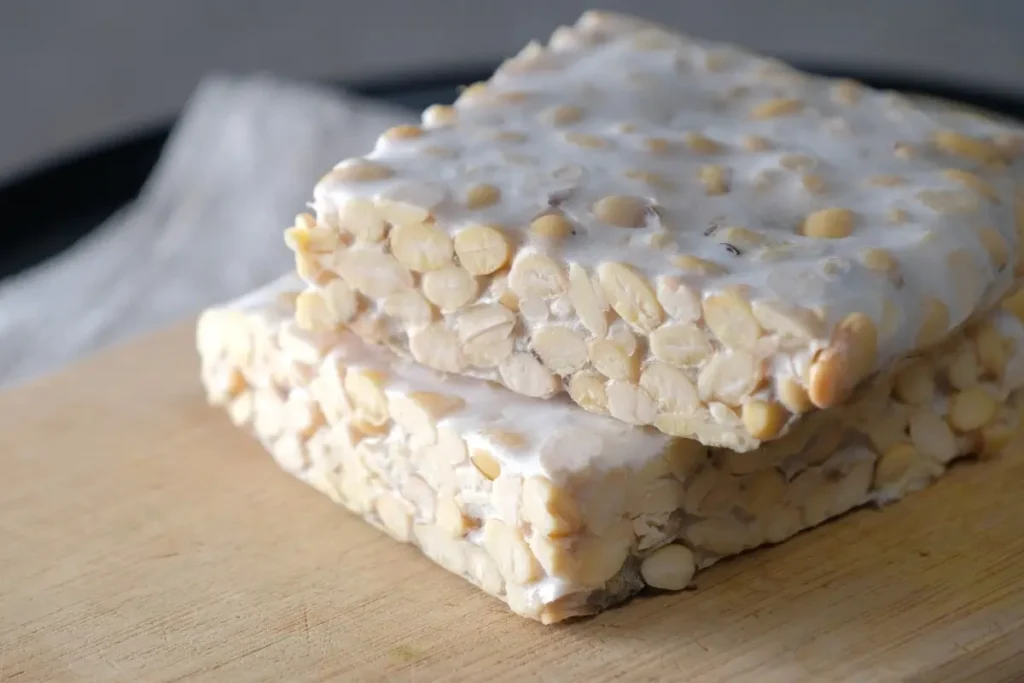
Soy protein in general is the only plant protein that matches animal protein for leucine content — and leucine is the essential amino acid most directly responsible for triggering muscle protein synthesis. Tempeh is a complete protein source, rich in iron, calcium, and magnesium, and it has a meaty, nutty texture that actually holds up in high-heat cooking.
Slice it thin and pan-fry it. Crumble it into grain bowls. Marinate it overnight and grill it. This should honestly be a weekly staple in any plant-based muscle-building diet.
Protein: 31g per cup | Calories: ~320 | Complete protein: Yes
| Product | Description | Link |
| Lightlife Original Tempeh | Non-GMO, organic soy, widely available | View on Amazon |
2. Edamame — 18g Protein per Cup
Edamame are young soybeans, harvested before they fully mature, and they’re one of the most convenient high-protein plant foods on the planet. Steam them from frozen in five minutes. Toss them into a salad. Eat them straight from the shell with a little sea salt.
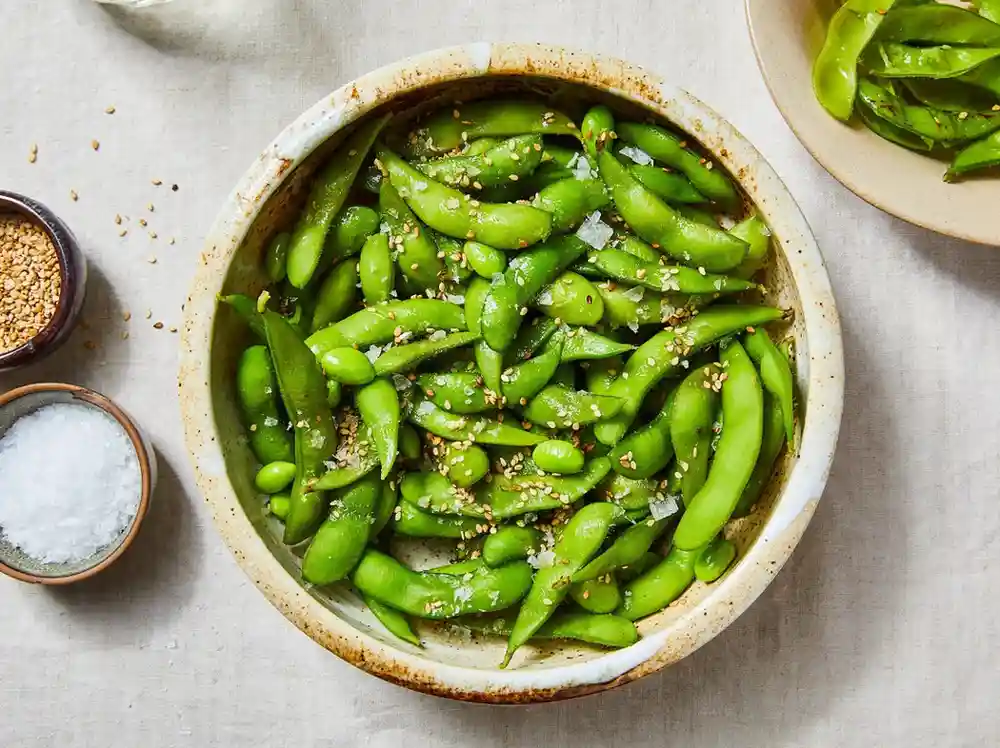
One cup of cooked edamame delivers 18 grams of complete protein alongside a solid hit of fiber, folate, vitamin K, and iron. As a pre- or post-workout snack, they’re nearly perfect — protein plus complex carbs in a portable, minimal-prep package.
Protein: 18g per cup | Calories: ~188 | Complete protein: Yes
3. Lentils — 18g Protein per Cup (Cooked)
If tempeh is the underrated star, lentils are the quiet workhorse of plant-based protein. A cup of cooked lentils delivers 18 grams of protein along with nearly 16 grams of fiber — one of the highest fiber-to-calorie ratios of any food — plus iron, folate, and potassium.
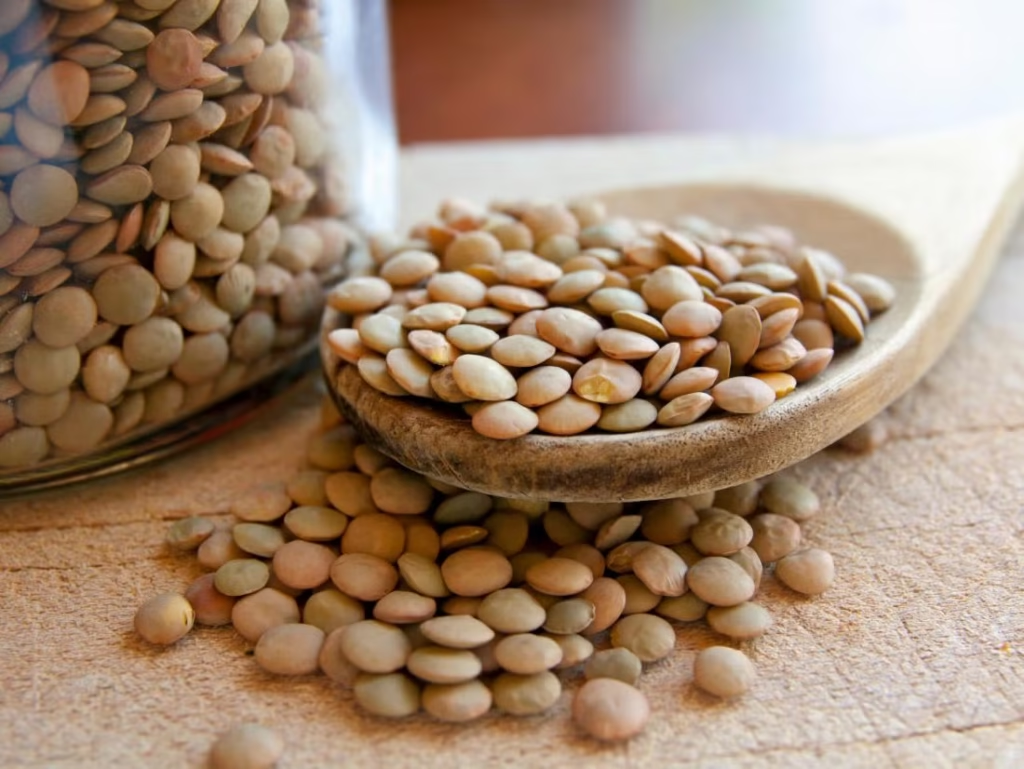
Lentils aren’t a complete protein on their own (they’re low in methionine), but pair them with any grain — rice, quinoa, even whole grain bread — and you’ve got a complete amino acid profile. They’re also extraordinarily affordable, extremely versatile, and one of the most gut-friendly legumes because they’re easier to digest than many other beans.
Red, green, or black — all are excellent. Red lentils cook fastest (about 15–20 minutes, no soaking required) and work beautifully in soups and dals.
Protein: 18g per cup | Calories: ~230 | Complete protein: With grains
4. Black Beans — 15g Protein per Cup (Cooked)
Black beans are the most versatile protein in a plant-based athlete’s kitchen. One cup of cooked delivers 15 grams of protein alongside a near-perfect balance of complex carbohydrates for sustained energy during training. They’re also packed with antioxidants — specifically anthocyanins, the same compounds found in blueberries — which help combat exercise-induced oxidative stress.
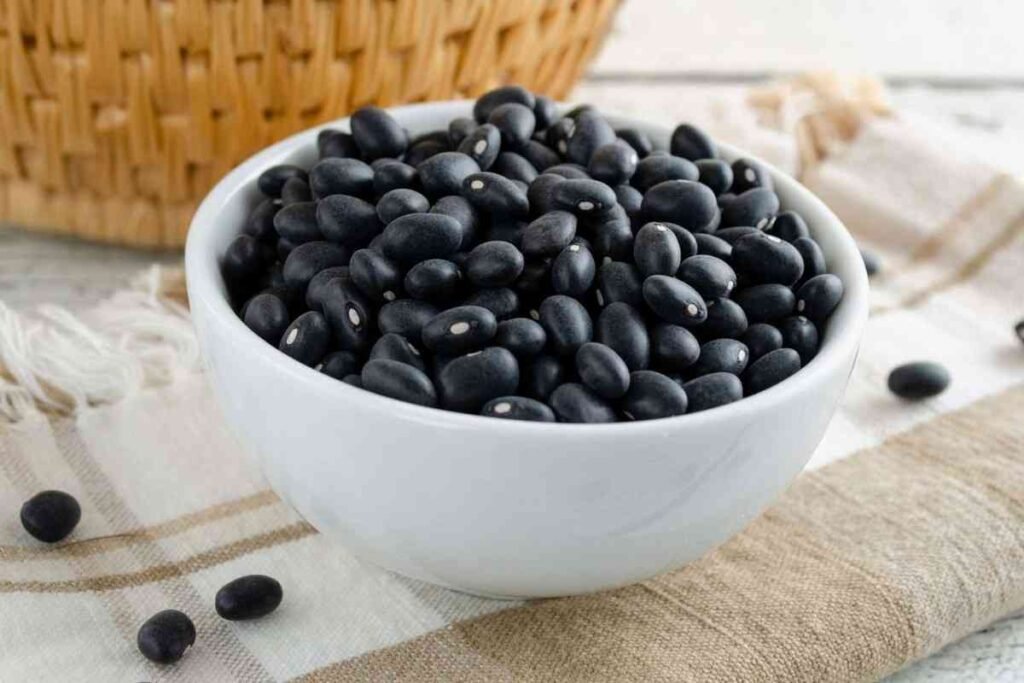
The carb-protein combination in black beans is actually ideal for muscle building: you need glycogen to fuel workouts, and glycogen comes from carbohydrates. Eating beans as a protein source also means fueling your workouts, not just your recovery.
Mash them for burritos, simmer them in soups, blend them into dips, or mix them cold into grain salads.
Protein: 15g per cup | Calories: ~227 | Complete protein: With grains
5. Hemp Seeds — 10g Protein per 3 Tablespoons
Ounce-for-ounce, hemp seeds are one of the most nutrient-dense foods in existence. Three tablespoons deliver 10 grams of complete protein — including all nine essential amino acids — plus an excellent ratio of omega-3 to omega-6 fatty acids, which supports joint health, reduces exercise-induced inflammation, and aids recovery.
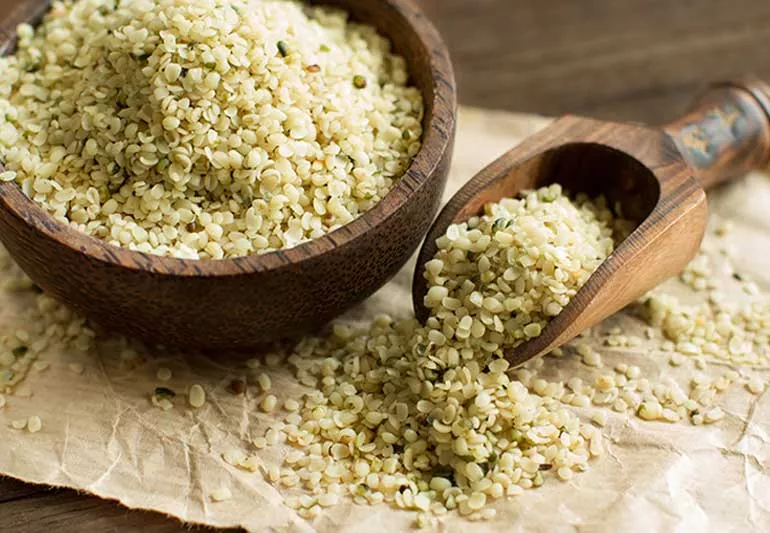
They have a mild, nutty flavor and require zero preparation. Sprinkle them on oatmeal, blend them into smoothies, stir them into yogurt, or mix them into grain bowls. They’re genuinely one of the easiest protein upgrades you can make to foods you’re already eating.
Protein: 10g per 3 tbsp | Calories: ~166 | Complete protein: Yes
| Product | Description | Link |
| Manitoba Harvest Hemp Hearts | Raw, shelled, non-GMO, no added anything | View on Amazon |
6. Chickpeas — 15g Protein per Cup (Cooked)
Chickpeas are the protein that bridges the gap between everyday cooking and serious muscle-building nutrition. A cup of cooked gives you 15 grams of protein, 45 grams of complex carbs, and 12 grams of fiber. They’re also rich in manganese, copper, and folate.
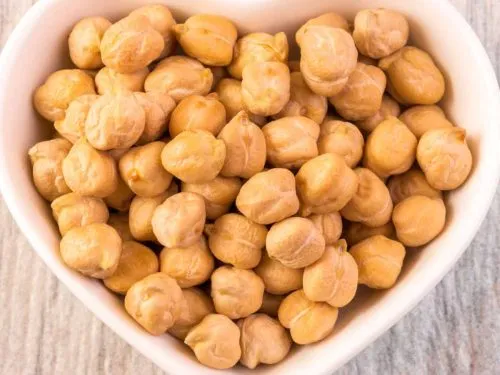
The amino acid profile is similar to other legumes — not quite complete on its own, but easily rounded out by eating them with grains, seeds, or other protein sources across the day. Roasted chickpeas make an outstanding high-protein snack. Chickpea pasta (now widely available) is one of the simplest swaps for dramatically increasing protein in a meal you’re probably already eating.
Protein: 15g per cup | Calories: ~269 | Complete protein: With grains
7. Seitan — 25g Protein per 3.5 oz
Seitan is wheat gluten — essentially the protein fraction of wheat, isolated and cooked into a dense, chewy, remarkably meat-like texture. It’s not for everyone (obviously not if you’re gluten-intolerant), but for those who can eat it, seitan is one of the highest protein plant foods by weight you’ll find.
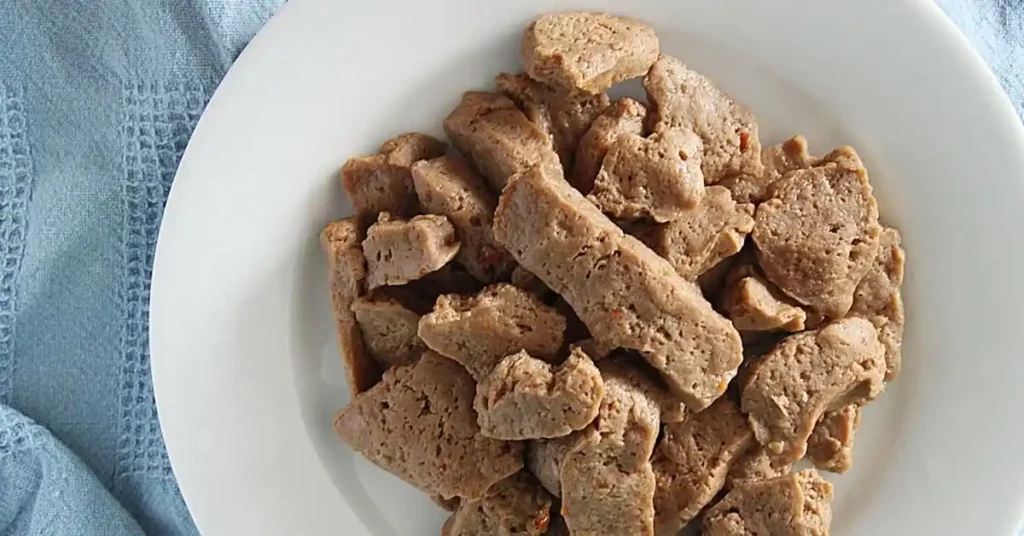
Three and a half ounces of seitan delivers roughly 25 grams of protein. It absorbs marinades brilliantly, holds up on a grill, and can be sliced, shredded, or crumbled into virtually any dish that normally calls for meat. The one caveat: Seitan is lower in lysine, so pair it with lysine-rich foods like legumes or quinoa to cover your amino acid bases.
Protein: 25g per 3.5 oz | Calories: ~150 | Complete protein: With legumes
| Product | Description | Link |
| Bob’s Red Mill Vital Wheat Gluten | For homemade seitan — budget-friendly and easy | View on Amazon |
8. Tofu — 20g Protein per Cup (Firm, Raw)
Tofu is the classic, and for good reason. Made from coagulated soy milk, firm tofu delivers around 20 grams of complete protein per cup alongside calcium, iron, and magnesium. It’s incredibly versatile — scrambled like eggs for breakfast, baked and crispy for salads and bowls, blended silky-smooth into sauces and desserts.
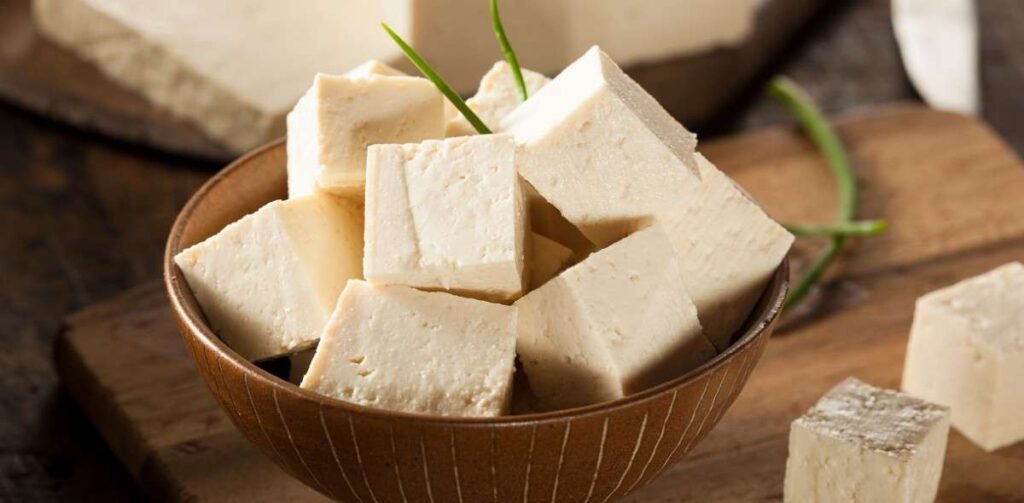
The key to good tofu is pressing out the moisture before cooking. A tofu press (or even a heavy pan with paper towels) transforms the texture completely — you get a firmer, more satisfying result that actually holds up in the pan instead of falling apart.
Extra-firm is your best bet for muscle-building meals where you want protein density without excess water weight.
Protein: 20g per cup | Calories: ~188 | Complete protein: Yes
9. Quinoa — 8g Protein per Cup (Cooked)
Quinoa earns its spot on this list not because it’s the highest protein grain — it’s not — but because it’s one of the very few plant foods outside of soy that is genuinely a complete protein. All nine essential amino acids, including a solid hit of lysine (which most grains are deficient in).
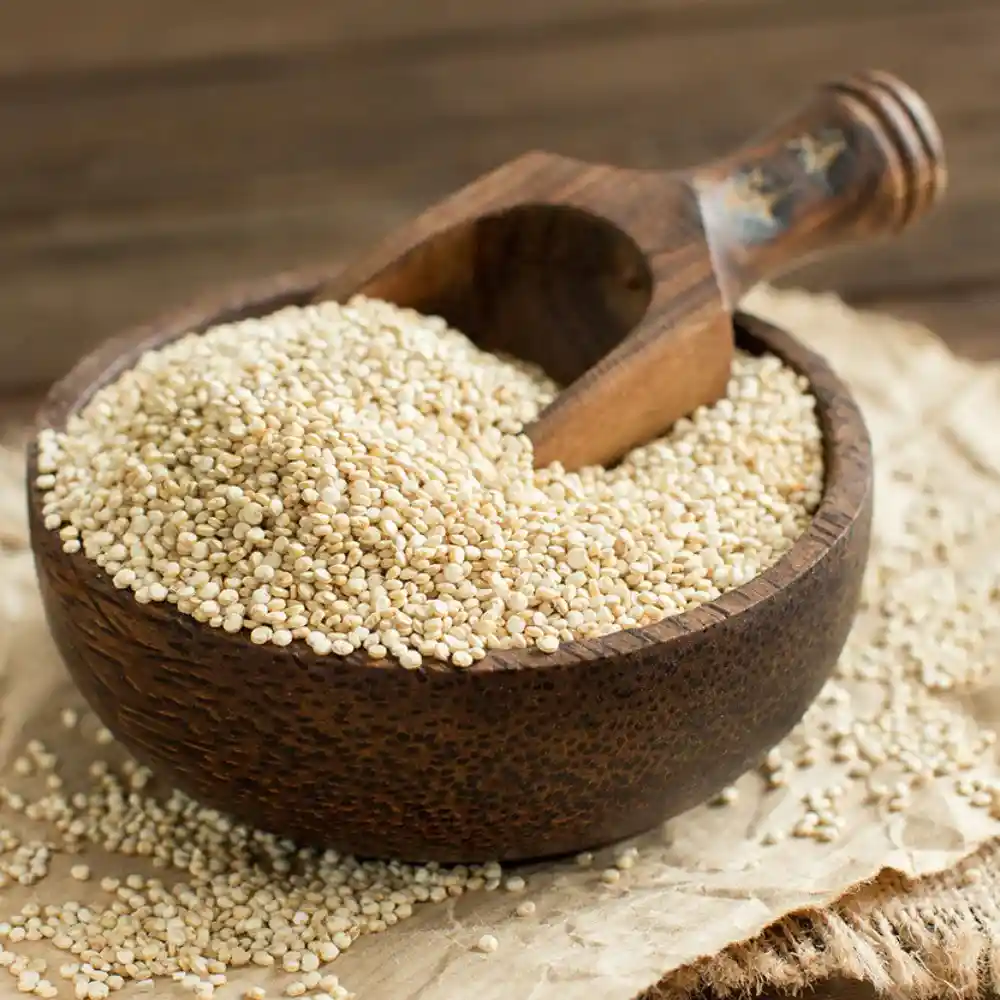
Eight grams per cooked cup might not sound like much, but when you’re building meals where you’re stacking protein sources — quinoa base, lentils, hemp seeds, roasted chickpeas — those grams add up fast. Quinoa also digests well, cooks in about 15 minutes, and works hot or cold.
Protein: 8g per cup | Calories: ~222 | Complete protein: Yes
10. Pea Protein Powder — 20–25g Protein per Scoop
No list of plant-based muscle-building protein sources is complete without mentioning pea protein. Derived from yellow split peas, it’s now the most commonly used protein in plant-based protein powders — and for good reason. Pea protein is high in BCAAs (branched-chain amino acids), particularly arginine and leucine, which are directly involved in muscle protein synthesis.
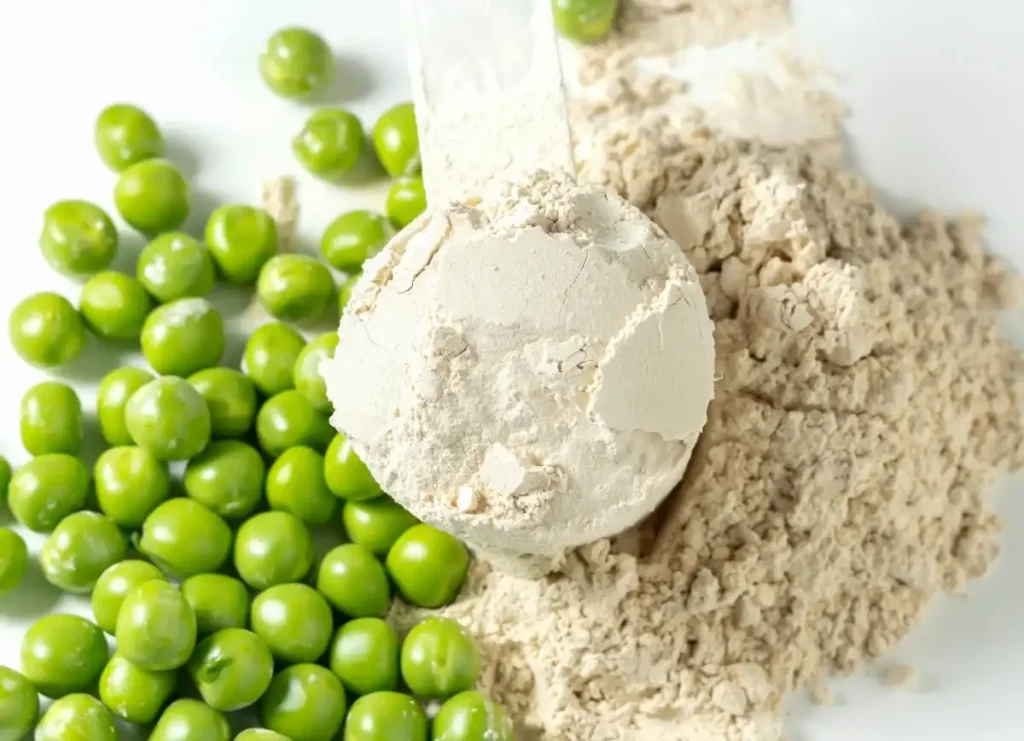
It’s also hypoallergenic, well-tolerated by most digestive systems, and mixes smoothly into shakes, oatmeal, and even savory foods. A quality pea protein powder genuinely competes with whey for post-workout muscle recovery outcomes — multiple studies have found comparable gains in muscle mass between the two.
Protein: 20–25g per scoop | Calories: ~100–120 | Complete protein: Leucine-rich; pair with hemp or rice protein for a full spectrum
| Product | Description | Link |
| Orgain Organic Pea Protein | Clean label, no artificial sweeteners, 21g per scoop | View on Amazon |
| Nuzest Clean Lean Protein | European golden peas, 20g per scoop, minimal ingredients | View on Amazon |
Sample Muscle-Building Meal Plan (Plant-Based)
Here’s what a solid high-protein vegan day looks like when you put these sources together. This plan hits approximately 160–170 grams of protein for a 160–175 lb person in active muscle-building phase.
Breakfast (~40g protein) Smoothie with 1 scoop pea protein (21g), 3 tbsp hemp seeds (10g), 1 cup frozen edamame blended in (9g), frozen banana, spinach, and unsweetened almond milk.
Mid-Morning Snack (~15g protein) ½ cup roasted chickpeas (8g) + 2 tbsp almond butter on rice cakes (7g).
Lunch (~45g protein) Grain bowl: 1 cup quinoa (8g) + 1 cup black beans (15g) + 4 oz baked tempeh (15g) + roasted vegetables + tahini dressing + 2 tbsp hemp seeds (7g).
Pre-Workout Snack (~18g protein) 1 cup edamame (18g) with sea salt and lemon.
Dinner (~45g protein) Red lentil dal (1 cup cooked = 18g) over brown rice (5g) + 3.5 oz pan-fried seitan (25g) + sautéed spinach in olive oil.
Evening (if needed, ~10g protein) ½ cup cooked lentils cold in a small salad, or a small hemp seed + nut butter bowl.
Tips for Building Muscle on a Plant-Based Diet
Eat enough total calories: This is the number-one mistake. Under-eating on a plant-based diet is easy because many plant foods are high-fiber and filling at low calorie counts. You need a caloric surplus (even a small one — 200–300 calories above maintenance) to build muscle effectively.
Prioritize leucine-rich sources: Leucine is the amino acid most responsible for triggering MPS. Soy based proteins (tempeh, edamame, tofu) and pea protein are your best leucine sources in the plant kingdom.
Don’t skip carbohydrates: Carbs fuel resistance training. Depleted glycogen = reduced performance = less stimulus for muscle growth. Whole food carbs from grains, legumes, and fruit are your friends.
Time your protein: A protein-rich meal or shake within 1–2 hours post-workout takes advantage of the anabolic window when your muscles are most receptive to amino acids.
Consider a vitamin B12 supplement: B12 is the one nutrient that’s genuinely difficult to get from plants. It’s critical for energy metabolism and nerve function — and low levels will absolutely impact your training.
Creatine is worth considering: Creatine monohydrate is naturally found in meat and fish, meaning plant-based athletes tend to have lower baseline creatine stores. Supplementing with 3–5 grams per day has decades of research behind it for strength and muscle gains.

Leave a Reply