
Anti-inflammatory foods to eat every day — that phrase changed how I grocery shop, how I cook, and honestly, how I feel when I wake up in the morning.
I was 34 when my doctor flagged elevated C-reactive protein (CRP) in my bloodwork. CRP is a marker of systemic inflammation, and mine was creeping into a range that, over time, increases the risk for cardiovascular disease, metabolic disorders, and cognitive decline. I wasn’t sick, exactly. But I wasn’t well either. My joints ached in ways I was too young to explain, my energy was unpredictable, and I had a low hum of brain fog that I’d started writing off as just “how adulthood feels.”
Spoiler: it’s not how adulthood is supposed to feel.
My doctor mentioned diet as a first intervention before anything else. I went home and started reading. What I found wasn’t complicated — it was just unfamiliar. And once I started applying it, the changes were real enough that I wish I’d known earlier.
This post is what I learned, organized the way I needed it when I was starting: what chronic inflammation actually is, which specific foods fight it every single day, what to stop eating, a sample daily meal plan, and the science to back all of it up.
Table of Contents
Anti-Inflammatory Foods to Eat Every Day — What the Science Actually Says
Inflammation isn’t the enemy. Let’s be clear about that.
When you sprain your ankle or fight off a cold, acute inflammation is your immune system doing its job perfectly — rushing blood and healing agents to the site, clearing out the threat, and withdrawing when the work is done. The problem is when that process never fully winds down. When your immune system stays activated — triggered by diet, stress, environmental toxins, sleep deprivation, or a combination — the result is chronic low-grade inflammation that silently damages tissue over months and years.
Research published in journals like Nature Medicine and the New England Journal of Medicine has established clear links between chronic inflammation and conditions including:
- Cardiovascular disease — inflammation damages arterial walls and promotes plaque buildup
- Type 2 diabetes — inflammatory cytokines interfere with insulin signaling
- Alzheimer’s disease — neuroinflammation is now considered a central feature, not a byproduct
- Depression and anxiety — the gut-brain-immune axis is more influential than most people realize
- Autoimmune conditions — from rheumatoid arthritis to Crohn’s disease to lupus
Here’s what makes this actionable: multiple large-scale studies — including the landmark PREDIMED trial — have demonstrated that dietary changes alone can reduce inflammatory biomarkers significantly within weeks. Your plate is one of the most powerful tools you have, and you use it three times a day.
Best Daily Anti-Inflammatory Foods List

These aren’t foods you eat once in a while for a health boost. These are the ones research consistently identifies as having measurable, repeatable anti-inflammatory effects — the kind that compound over time when eaten regularly.
1. Wild-Caught Fatty Fish (Salmon, Sardines, Mackerel)
If there’s one category of food that shows up in virtually every credible anti-inflammatory research paper, it’s fatty fish. Wild salmon, sardines, mackerel, and anchovies are among the richest sources of EPA and DHA — long-chain omega-3 fatty acids that directly suppress the production of pro-inflammatory compounds called eicosanoids and cytokines.
A 2012 meta-analysis in PLOS ONE found that omega-3 supplementation significantly reduced CRP, IL-6, and TNF-α — three of the most important inflammatory markers. Whole fish provides these compounds even more bioavailable than supplements.
Serving goal: 2–3 servings per week, ideally wild-caught
Easy daily use: Canned sardines on whole grain crackers, salmon over leafy greens
2. Extra Virgin Olive Oil
Extra virgin olive oil (EVOO) is the cornerstone fat of the Mediterranean diet — the single most evidence-backed anti-inflammatory eating pattern we have. It contains oleocanthal, a polyphenol that works through the same biological pathway as ibuprofen. Scientists at the Monell Chemical Senses Center actually discovered this when they noticed EVOO caused the same throat sensation as anti-inflammatory drugs.
Beyond oleocanthal, EVOO is rich in oleic acid and over 30 phenolic compounds that reduce oxidative stress and inflammatory gene expression.
Look for: Cold-pressed, single-origin, harvest date within 18 months.
Daily use: Cook with it, drizzle it over finished dishes, use it as a dip
3. Blueberries (and All Dark Berries)
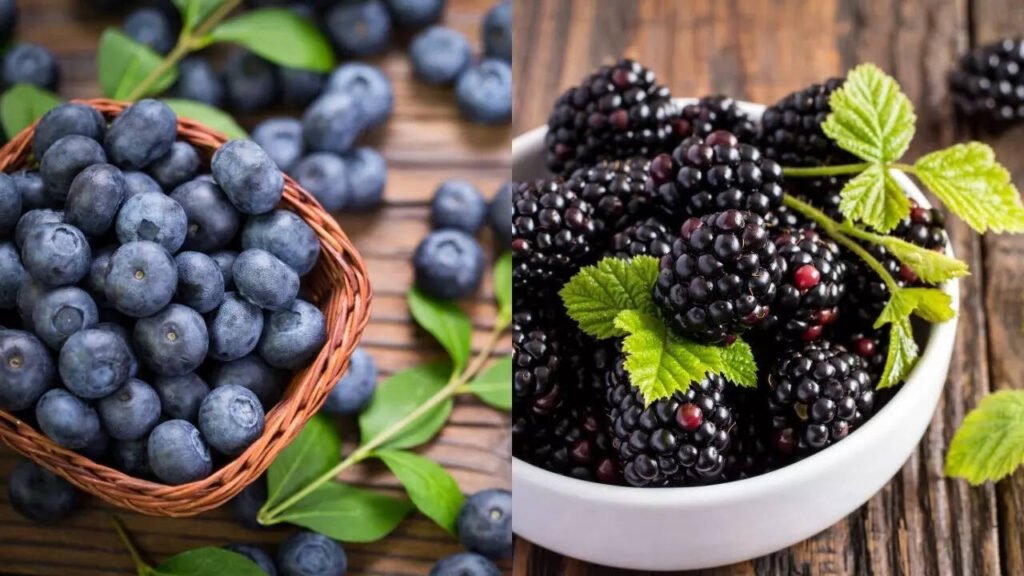
Blueberries, blackberries, raspberries, tart cherries — the deeper and darker the color, the higher the anthocyanin content. Anthocyanins are polyphenolic pigments that inhibit NF-κB, a protein complex that controls the transcription of inflammatory genes. In simple terms, they turn down the molecular volume of inflammation at the cellular level.
A study in The Journal of Nutrition found that daily blueberry consumption over six weeks reduced several inflammatory markers in overweight adults, including CRP and IL-6.
Daily serving: About 1/2 to 1 cup
Easy use: Frozen berries in smoothies, fresh on oatmeal, eaten as-is
4. Turmeric (With Black Pepper)
Curcumin — the active compound in turmeric — might be the single most studied natural anti-inflammatory compound in existence. Hundreds of clinical trials have investigated it, and the results are consistently compelling: curcumin inhibits NF-κB, suppresses COX-2 enzymes (the same pathway targeted by aspirin and ibuprofen), and reduces multiple inflammatory biomarkers.
There’s one catch: curcumin is poorly absorbed on its own. Piperine, a compound in black pepper, increases its bioavailability by up to 2,000% according to research published in Planta Medica. Never use turmeric without black pepper.
Daily use: Golden milk, added to scrambled eggs, stirred into soups and stews, in smoothies
Combo rule: Always pair turmeric with black pepper and a fat source
5. Leafy Green Vegetables (Spinach, Kale, Swiss Chard)
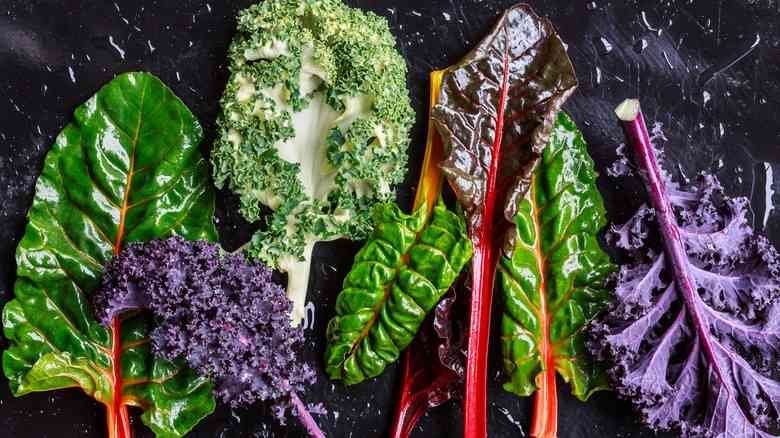
Leafy greens are dense with vitamins K, C, and E — all of which play direct roles in regulating the inflammatory response. Vitamin K in particular activates proteins that inhibit inflammatory cytokine production. Kale and spinach also contain quercetin and kaempferol, flavonoids linked to reduced inflammatory markers in multiple epidemiological studies.
They’re also among the most fiber-rich foods available, and fiber is critical for gut microbiome health — which is now understood to be one of the central regulators of systemic inflammation.
Daily goal: At least 2–3 cups of raw leafy greens, or 1 cup cooked
Easy use: Base of any salad, blended into smoothies, sautéed as a side
6. Walnuts and Almonds
Among nuts, walnuts stand out because they contain alpha-linolenic acid (ALA), a plant-based omega-3 fatty acid that the body partially converts to EPA and DHA. They also contain ellagitannins, which gut bacteria convert into anti-inflammatory compounds called urolithins.
Almonds are rich in vitamin E and magnesium — magnesium deficiency is surprisingly common and strongly correlated with elevated inflammatory markers.
Daily serving: About 1 oz (roughly a small handful) — approximately 0.06 lbs.
Note: More is not better here. Nuts are calorie-dense.
7. Green Tea
Green tea contains epigallocatechin-3-gallate (EGCG), one of the most potent catechins in the plant kingdom. EGCG inhibits multiple inflammatory pathways and has shown neuroprotective properties in research on Alzheimer’s and Parkinson’s prevention.
A 2017 meta-analysis in Nutrients found that green tea consumption was associated with significantly lower CRP levels across multiple populations.
Daily use: 2–3 cups per day, ideally without added sugar.
Tip: Steep for 2–3 minutes in water that’s hot but not boiling (around 175°F) to preserve catechin content
8. Broccoli and Cruciferous Vegetables
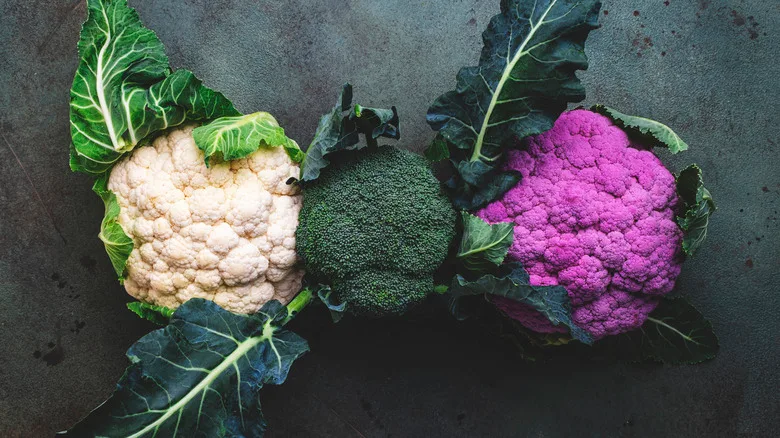
Broccoli contains sulforaphane — a sulfur compound that activates the Nrf2 pathway, a master regulator of the body’s antioxidant and anti-inflammatory defense systems. This is genuinely impressive at a biochemical level. Nrf2 activation has been associated with protection against inflammatory diseases, cancer, and neurodegenerative conditions.
Sulforaphane is most bioavailable when broccoli is eaten raw or lightly steamed — overcooking destroys the enzyme (myrosinase) needed to produce it.
Daily use: Raw florets as a snack, lightly steamed as a side, chopped into salads
9. Ginger
Fresh ginger contains gingerols and shogaols — compounds that inhibit prostaglandin synthesis (the same mechanism as NSAIDs) and suppress NF-κB. Research has shown that ginger reduces CRP and TNF-α in people with osteoarthritis and metabolic syndrome.
It also has significant anti-nausea properties and supports healthy digestion — a bonus for people whose inflammatory conditions affect the gut.
Daily use: Grated into hot water with lemon, added to smoothies, used in stir-fries and marinades
10. Avocados
Avocados are one of the most nutrient-dense foods available — rich in monounsaturated oleic acid (the same fat dominant in EVOO), carotenoids like lutein and zeaxanthin, potassium, and fiber. A study in The Journal of Nutrition found that eating half an avocado with a burger significantly reduced post-meal levels of the inflammatory marker NF-κB compared to eating the burger alone.
They also promote the absorption of fat-soluble anti-inflammatory nutrients (like carotenoids) from other foods eaten at the same meal.
Daily use: Half an avocado on toast, sliced in salads, blended into smoothies
11. Legumes (Lentils, Chickpeas, Black Beans)
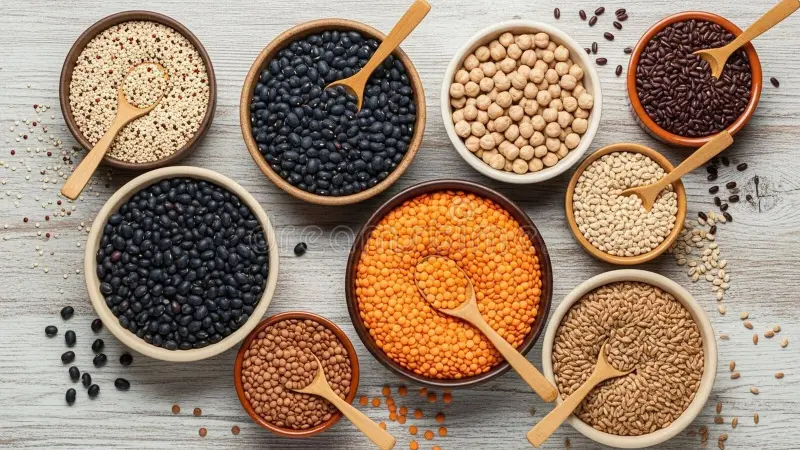
Legumes are among the most underrated foods in the anti-inflammatory toolkit. They’re high in fiber — including prebiotic fiber that feeds beneficial gut bacteria — and contain polyphenols like isoflavones and anthocyanins. A healthy gut microbiome produces short-chain fatty acids (SCFAs) that directly reduce intestinal and systemic inflammation.
Multiple Blue Zone populations (the world’s longest-lived people) eat legumes as a dietary staple — averaging about 1 cup per day.
Daily use: Add chickpeas to salads, use lentils as a base for soups, stir black beans into grain bowls
Foods That Cause Inflammation — Know What You’re Fighting
You can eat all the salmon and blueberries in the world and still have high inflammatory markers if you’re also regularly eating the things on this list. Diet works in both directions.
| Food Category | Why It Inflames | Common Sources |
| Refined sugars | Spike blood glucose, trigger insulin response, activate NF-κB | Soda, candy, pastries, flavored yogurt |
| Trans fats | Directly elevates LDL and inflammatory cytokines | Fried fast food, some margarines, packaged snacks |
| Refined carbohydrates | Rapid glucose spikes mirror sugar’s effects | White bread, white rice, most crackers, and cereals |
| Processed meats | Nitrates, advanced glycation end products (AGEs), saturated fat | Hot dogs, deli meats, sausages, bacon |
| Excess alcohol | Increases intestinal permeability (“leaky gut”), elevates cytokines | Beer, wine, spirits in excess |
| Vegetable seed oils (in excess) | High omega-6 to omega-3 ratio skews away from omega-3, promotes inflammation | Corn oil, soybean oil, sunflower oil |
| Ultra-processed foods | Emulsifiers and additives disrupt gut microbiome | Packaged snacks, fast food, frozen meals |
The pattern here isn’t hard to spot: the most inflammatory foods are almost exclusively ultra-processed, high in sugar, or made with industrial fats. Minimizing these — not necessarily eliminating overnight, but consistently reducing — has a measurable, documented impact on inflammatory biomarkers.
Sample U.S. Daily Anti-Inflammatory Meal Plan
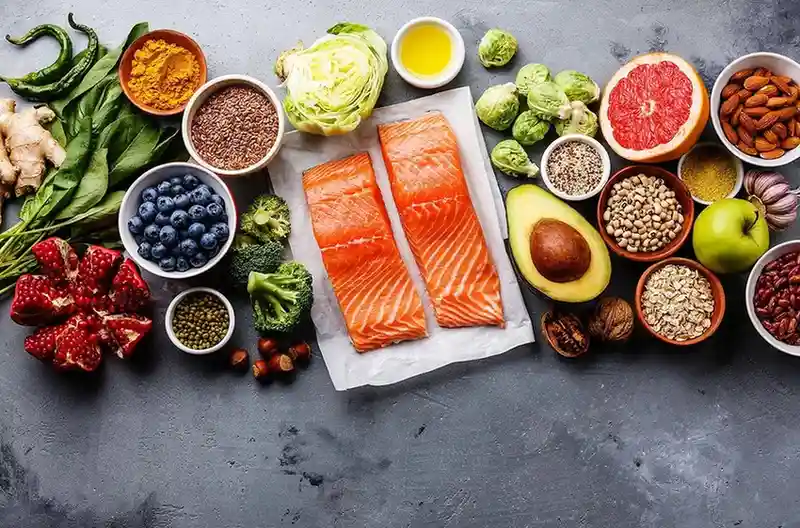
This isn’t a diet. It’s just a day of eating that happens to cover a powerful range of anti-inflammatory foods — using ingredients you can find at any major grocery store.
On Waking: 8–12 oz of warm water with fresh lemon and a pinch of ginger
Breakfast: Oatmeal (steel-cut or rolled) topped with 1/2 cup fresh blueberries, 1 tbsp ground flaxseed, a small handful of walnuts, and a drizzle of raw honey. Side of green tea.
Why it works: You’re getting beta-glucan fiber from oats, anthocyanins from berries, ALA omega-3s and lignans from flax, and EGCG from the tea — before 9am.*
Mid-Morning Snack: Half an avocado on whole-grain toast with red pepper flakes and a squeeze of lemon.
Lunch: Large mixed greens salad (spinach, arugula, kale) with 4–5 oz wild-caught canned salmon, cherry tomatoes, shredded beets, pumpkin seeds, and an EVOO-lemon dressing. Add a sprinkle of turmeric and black pepper to the dressing.
Afternoon Snack: A small handful of almonds (about 0.06 lbs / 1 oz) and a cup of green tea.
Dinner: Baked wild salmon (5–6 oz) with a turmeric-black pepper glaze, served over quinoa and alongside lightly steamed broccoli with olive oil and garlic. Side of lentil soup if you’re hungry.
Evening: Turmeric golden milk — warm unsweetened almond milk with turmeric, ginger, cinnamon, black pepper, and a small amount of honey.
Total estimated daily anti-inflammatory score: High across every meal. This isn’t a special occasion — it’s what a sustainable, inflammation-reducing diet plan looks like in practice.
Recommended Products
| Product | Why It Helps | Where to Buy |
| Viva Naturals Organic Turmeric with BioPerine | High-dose curcumin with piperine for 2,000% better absorption | View on Amazon |
| Wild Planet Wild Sockeye Salmon (Canned) | Sustainable, BPA-free, rich in EPA/DHA omega-3s | View on Amazon |
| California Olive Ranch Extra Virgin Olive Oil | High-polyphenol, harvest-dated, cold-pressed EVOO | View on Amazon |
| Navitas Organics Chia Seeds | ALA omega-3s, fiber, plant-based anti-inflammatory nutrients | View on Amazon |
| Celestial Seasonings Turmeric & Honey Green Tea | EGCG + curcumin combo in a convenient daily ritual | View on Amazon |
| Terrasoul Superfoods Raw Walnuts | ALA, ellagitannins, magnesium — one of the best anti-inflammatory nuts | View on Amazon |
As an Amazon Associate, this site may earn from qualifying purchases. Recommendations are based on ingredient quality and independent research — not commission size.
FAQ: Anti-Inflammatory Foods
Q: What is the single most powerful anti-inflammatory food?
A: There’s no single winner, but fatty fish (particularly wild salmon and sardines) and extra virgin olive oil consistently rank highest across the research literature due to the direct, measurable effects of omega-3s and oleocanthal on inflammatory biomarkers.
Q: How long does it take for anti-inflammatory foods to work?
A: Most people notice changes in energy and digestion within 1–2 weeks. Measurable reductions in inflammatory markers like CRP typically appear after 6–12 weeks of consistent dietary changes.
Q: Can I reduce inflammation without cutting out all processed food?
A: Yes. Reducing is more sustainable than eliminating. Focus on adding more anti-inflammatory foods first — crowding out the bad with the good is a proven behavior change strategy.
Q: Is an anti-inflammatory diet the same as the Mediterranean diet?
A: They overlap significantly. The Mediterranean diet is the most studied expression of anti-inflammatory eating. This approach takes the same foundation and reinforces it with specific compounds — curcumin, sulforaphane, EGCG — that have strong independent research support.
Q: Are anti-inflammatory foods good for weight loss?
A: Often, yes — indirectly. An inflammation-reducing diet plan naturally eliminates most ultra-processed, high-sugar, and high-calorie foods. Many people lose weight without counting calories, though that’s not guaranteed.
Q: Is coffee anti-inflammatory?
A: Black coffee, in moderation, actually contains polyphenols with anti-inflammatory properties. It’s the additives — cream, sugar, flavored syrups — that create problems. 1–3 cups of black coffee per day is generally considered compatible with an anti-inflammatory diet.
Conclusion: Start With One Meal
Here’s the thing about all this research and science — it only matters if you actually act on it. And the barrier to action is lower than most people think.
You don’t need to completely rebuild your diet this week. You don’t need to buy anything exotic or spend more money on groceries. Start by adding a handful of blueberries to your breakfast. Cook with olive oil instead of vegetable oil. Add a cup of green tea in the afternoon. Throw some spinach into whatever you’re already making for dinner.
Daily anti-inflammatory foods aren’t a special category of expensive wellness products — they’re mostly ordinary whole foods that humans have been eating for thousands of years. Science has just caught up to explain why they work so well.
Chronic inflammation built up slowly. It comes down slowly, too. But with consistent, intentional eating — prioritizing the foods on this list and gradually reducing the ones that trigger the fire — the research is detailed: your body responds. The markers come down. The joints ease up. The fog lifts.
That’s not marketing. That’s what happened for me, and it’s what the science keeps confirming for millions of people who make this shift.
Start with one meal. Then another. That’s the whole strategy.
This content is for informational purposes only and does not constitute medical advice. Always consult a qualified healthcare provider before making significant changes to your diet, particularly if you have an existing medical condition.
Leave a Reply