
There’s something almost magical about a cookie that smells like sunshine. These Lemon Sugar Cookies showed up in my kitchen on one of those slow, restless afternoons when I needed something to do with my hands — and now they’ve become one of those recipes I come back to again and again without thinking twice.
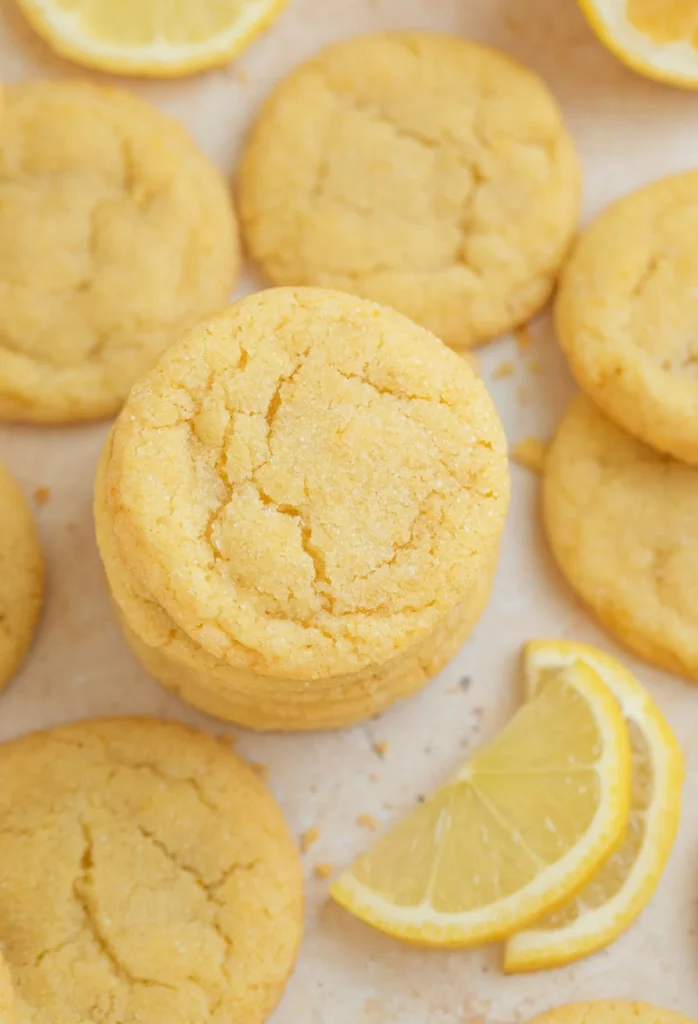
No fancy techniques. No overnight rest in the fridge. Just a soft, pillowy cookie with a gentle citrus punch that hits exactly the right note.
Table of Contents
Why We Love These Lemon Sugar Cookies
I’ll be honest — I’m not someone who bakes elaborate layer cakes or painstakingly decorated pastries. But cookies? Cookies, I can do. And these lemon sugar cookies check every box I care about:
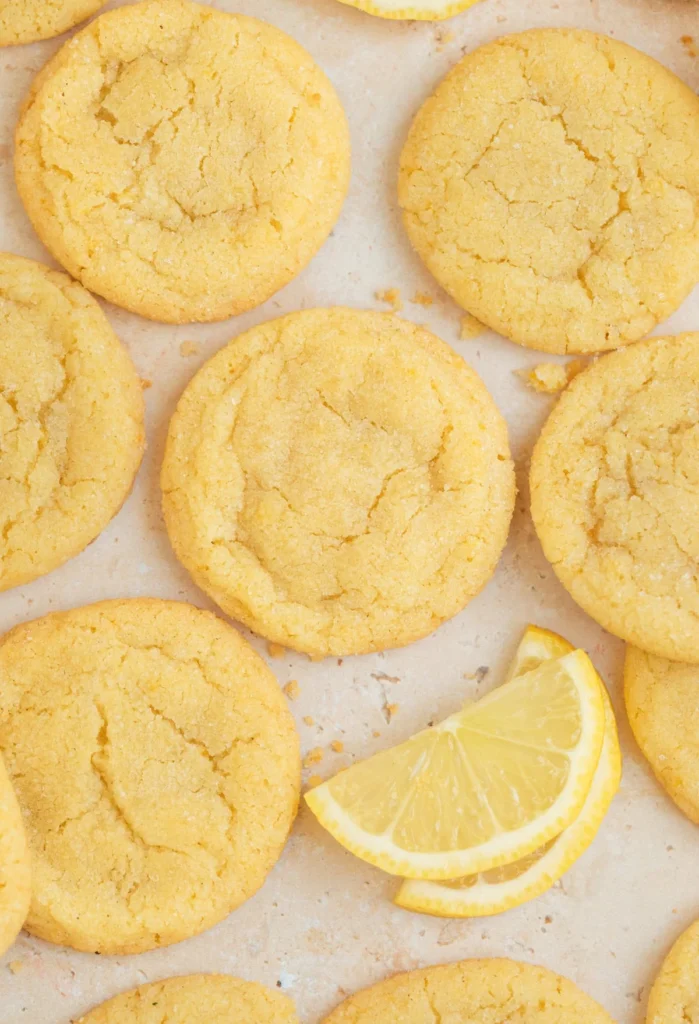
- Texture that actually delivers — soft centers, barely-set edges, with just enough chew to make you reach for a second one
- Real lemon flavor — not the artificial kind that tastes like dish soap, but bright, natural citrus from fresh zest
- Quick from start to finish — ten minutes to prep and you’re sliding a tray into the oven
- Freezer-friendly — bake a batch or freeze raw dough balls for future-you to enjoy
Ingredient Notes
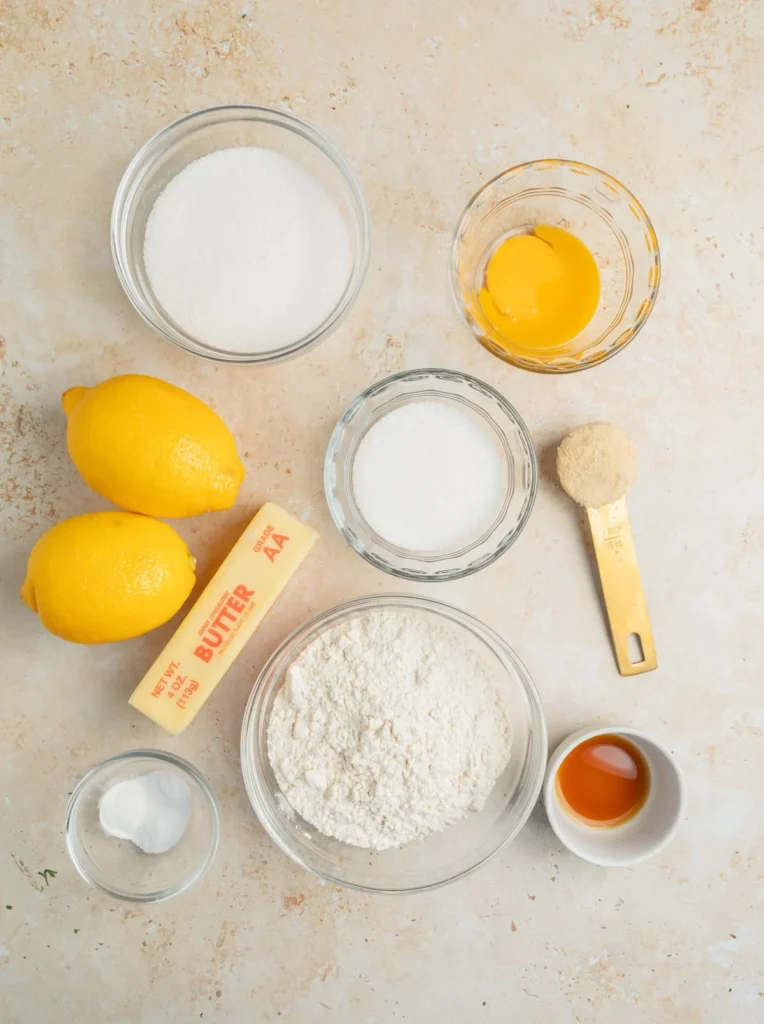
- Unsalted butter (softened): Softened means pliable, not melty. Press your finger in — it should leave a mark without the butter feeling greasy or warm. Cut it into cubes if you’re short on time, but skip the microwave entirely.
- Sugar (split into two portions): Three-quarters goes into the dough; the remaining quarter becomes the rolling coat that gives each cookie its sparkle and a delicate crisp exterior.
- Light brown sugar: Just a small amount works wonders for chewiness. It also adds a faint warmth that balances out the tartness of the lemon beautifully.
- Vanilla extract: Use a full teaspoon, or swap half of it for lemon extract if you want that citrus note to really sing.
- Egg yolk only: This is the cheat code for chewy cookies. The yolk adds richness and fat without the extra moisture a whole egg brings — which can push cookies toward cakey territory.
- Fresh lemon zest: Don’t measure this too carefully. More is almost always better. One good-sized lemon gives you plenty, but two lemons? Even better.
- All-purpose flour: Spoon it into your measuring cup and level it off — don’t scoop straight from the bag or you’ll pack in too much and end up with dense, dry cookies.
- Baking soda + baking powder: Both need to be fresh. If they’ve been sitting in your pantry for a year, replace them. Old leavening agents are one of the most common reasons cookies come out flat and sad.
Step-By-Step Instructions
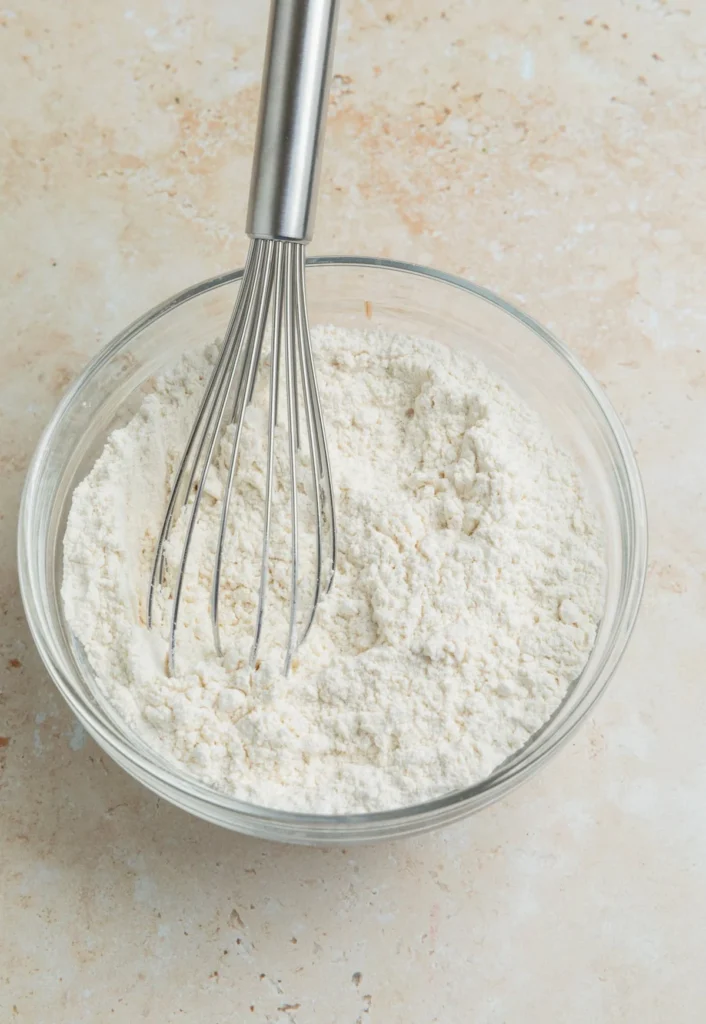
Step 1 — Mix the dry ingredients. In a small bowl, whisk together flour, baking soda, baking powder, and a pinch of salt. Set it aside.
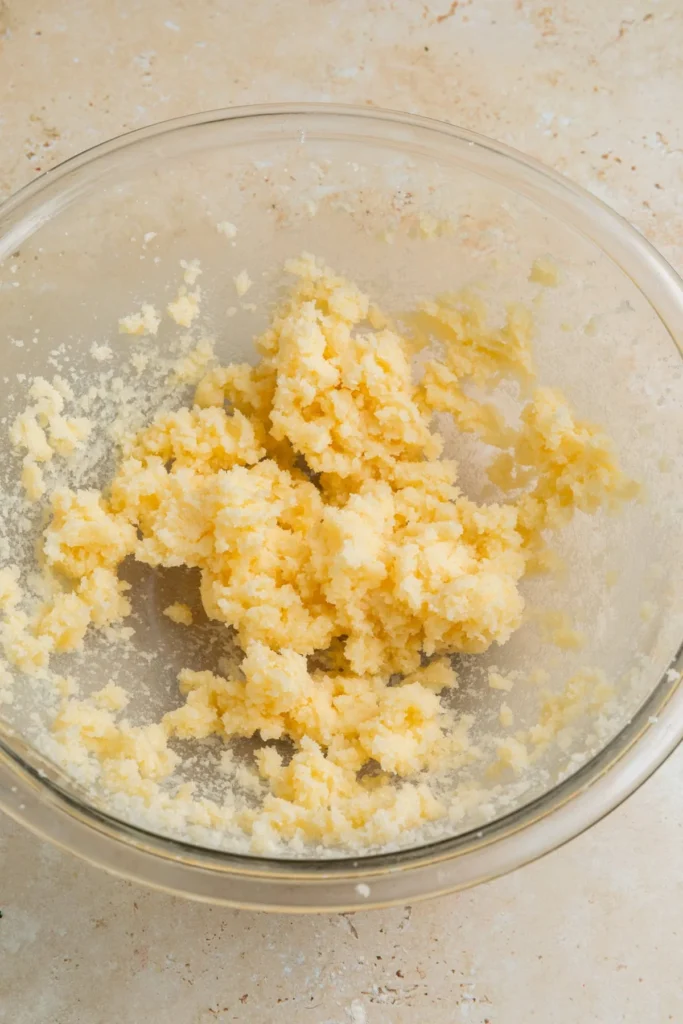
Step 2 — Cream butter and sugar properly. This step matters more than people realize. Beat the butter, white sugar, and brown sugar together for a solid 2–4 minutes until the mixture looks pale and feels airy. You’re not just combining — you’re building structure. Tiny air pockets formed here are what give the cookies their lift and chew later on. Don’t rush it.
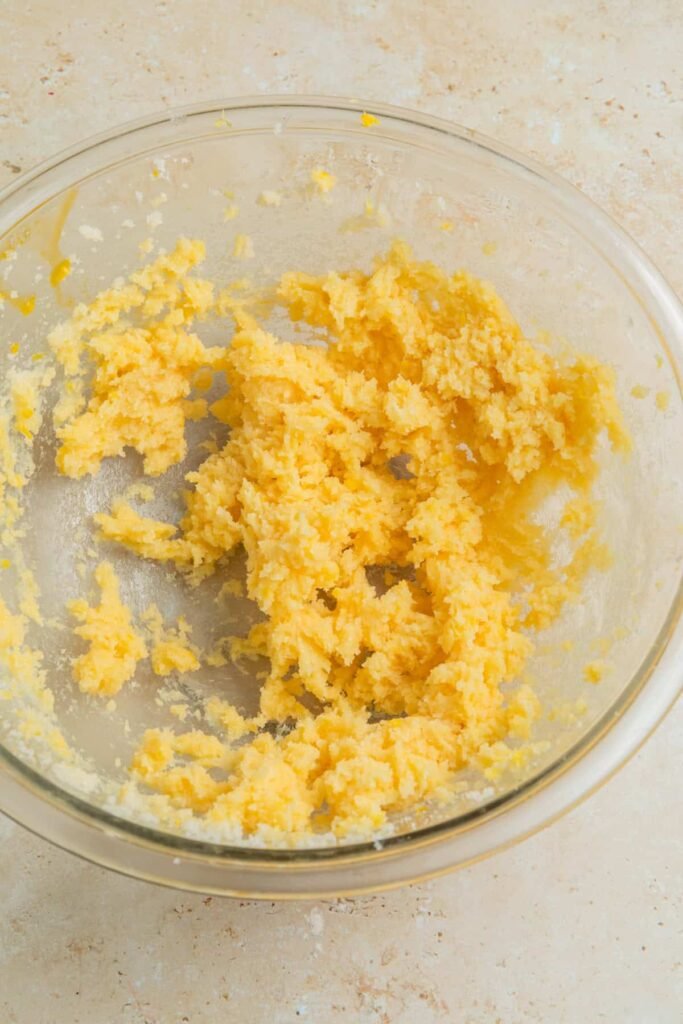
Step 3 — Add the wet ingredients. Mix in the lemon zest, vanilla, and egg yolk. Beat until everything is evenly combined and the mixture looks smooth and cohesive.
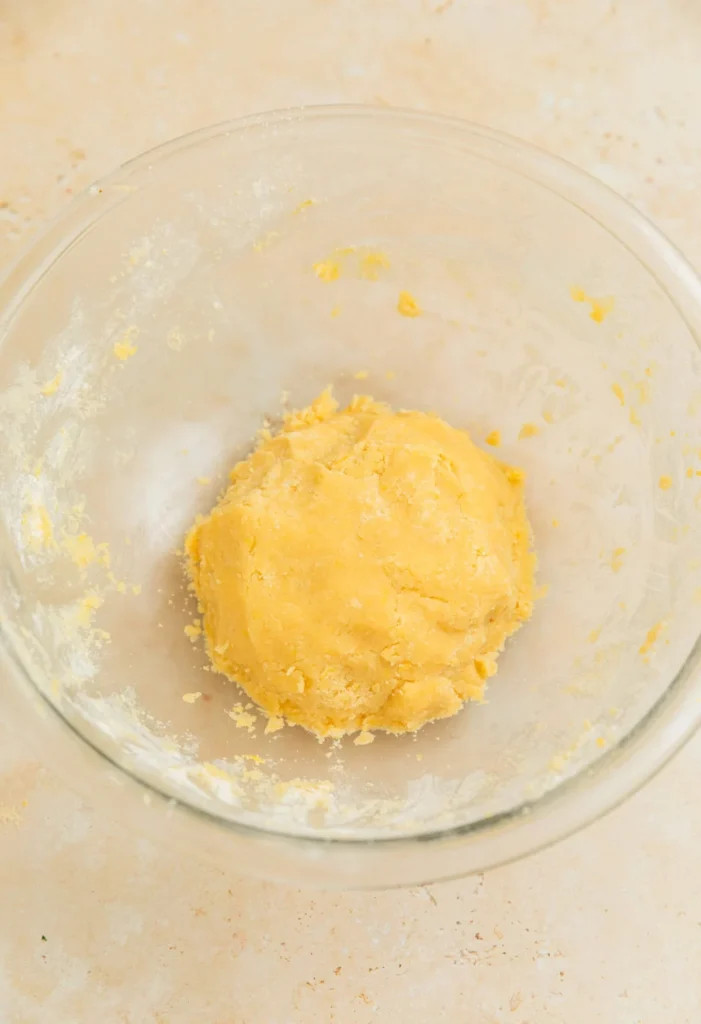
Step 4 — Bring in the dry ingredients. Add the flour mixture gradually and mix on low. The dough may look slightly crumbly toward the end — that’s completely normal. Press it together into a ball. At this point, you can refrigerate it for 15–30 minutes if you’d like, though it’s not required.
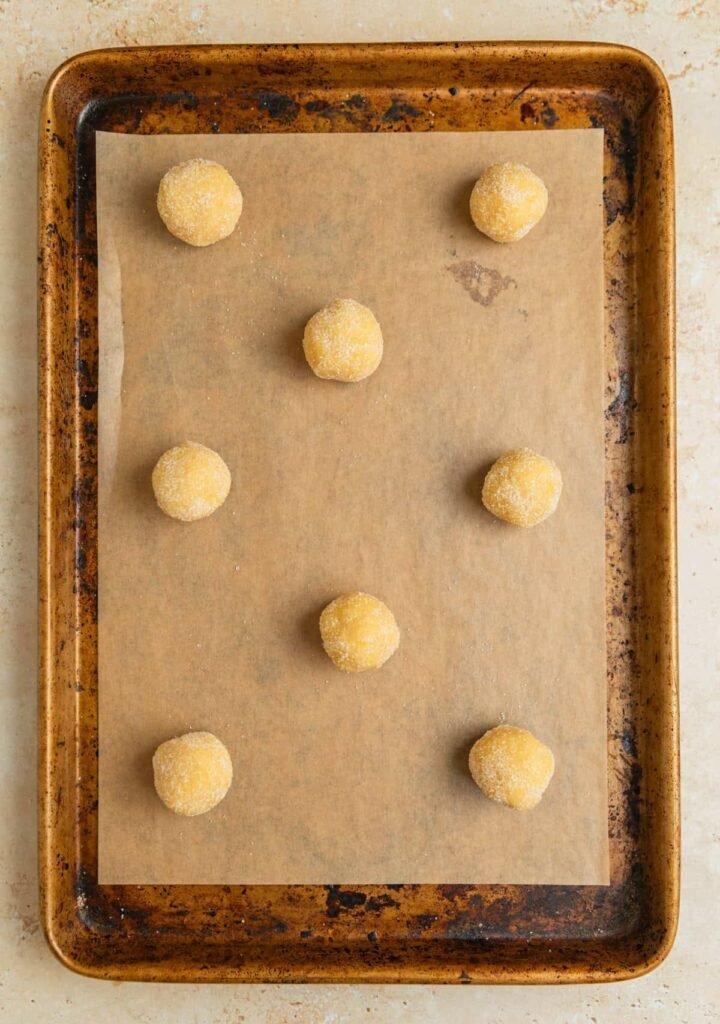
Step 5 — Roll and bake. Portion the dough with a cookie scoop and roll each ball in the reserved sugar until fully coated. Place them on a parchment-lined baking sheet with a little space between each and bake at 350°F for 8–11 minutes. Pull them out when the edges are just barely turning golden — the centers will look underdone, and that’s exactly right.
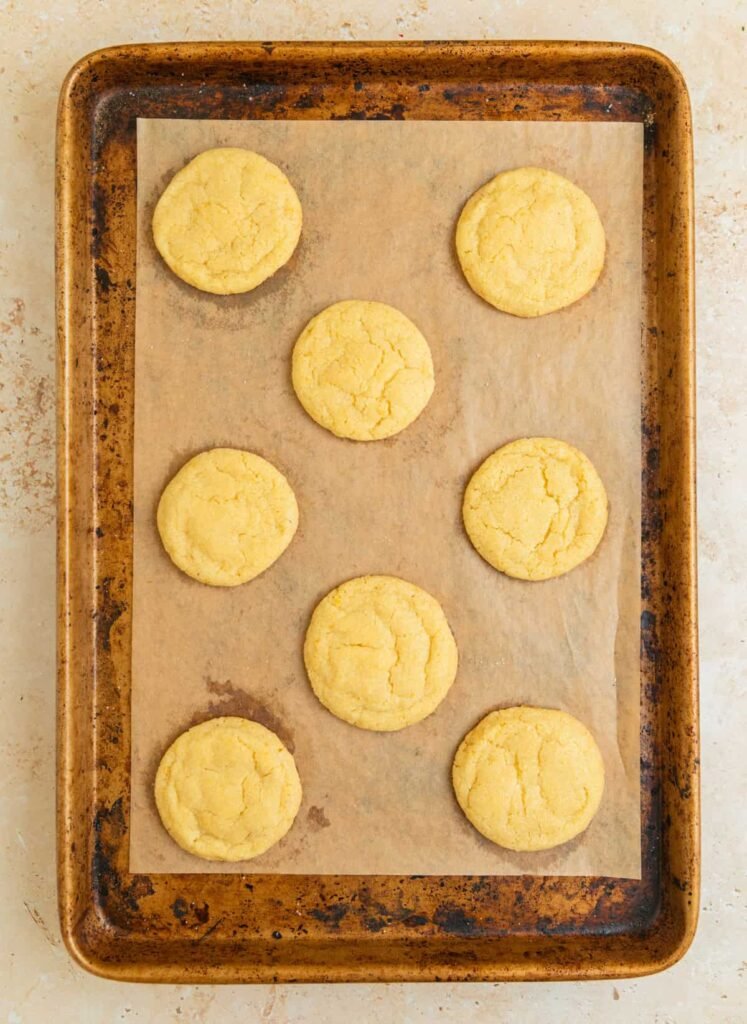
Step 6 — Shape and cool. While the cookies are still warm and soft, use a round biscuit cutter or cup to gently nudge them into perfect circles if you want that bakery-neat look. Then let them cool on the pan — or don’t, and risk burning your mouth on one immediately. No judgment here.
Recipe Tips
Don’t skip the creaming step. It’s tempting to cut it short, but under-creamed butter leads to flat, dense cookies. Set a timer and let the mixer run.
Your butter should feel cool, not warm. If it’s shiny, greasy, or starting to look melted around the edges, it’s too warm. The target temperature is around 65–67°F.
Underbake slightly. These cookies continue to set up as they cool. If they look perfect in the oven, they’ll be overdone on the plate.
Out of lemon? Lime zest is a great substitute, and orange zest makes a wonderfully different version. Any fresh citrus works here.
Batch size: A standard cookie scoop yields about 12–15 cookies. Smaller balls will give you closer to 18.
Frequently Asked Questions
Can I use bottled lemon juice instead of fresh zest?
Zest and juice do very different things. Zest carries the essential oils from the skin — that’s where the concentrated lemon flavor actually lives. Bottled juice adds moisture and acidity, but very little of that bright citrus aroma. For this recipe, fresh zest is strongly recommended. A tiny splash of fresh juice can be added too, but don’t substitute one for the other entirely.
Why only the egg yolk and not the whole egg?
The egg white adds water and protein, which can make cookies puff up and turn cakey in the center. Using just the yolk gives you all the fat and richness without the extra moisture, resulting in that dense, chewy texture that makes these cookies stand out.
My cookies keep spreading out flat — what went wrong?
A few things can cause this: butter that was too warm and soft before creaming, flour that was under-measured (try spooning rather than scooping), or leavening agents that have expired. Chilling the dough for 20–30 minutes before baking also helps significantly if spreading is a consistent issue.
Can I freeze the dough?
Absolutely. Roll the dough into balls first, then freeze them on a baking sheet until solid before transferring to a bag or container. When ready to bake, roll in sugar straight from frozen and add 2–3 extra minutes to the bake time.
How do I store baked cookies?
Keep them in an airtight container at room temperature for up to 5 days. Place a small piece of bread in the container if they start to dry out — it helps maintain softness. For longer storage, freeze baked cookies for up to 2 months.
Can I make these without a mixer?
You can, but it takes some effort. Use very well-softened butter and a sturdy wooden spoon or silicone spatula. The key is still creaming the butter and sugar until the mixture lightens in color and feels airy — it’ll just take a bit more arm work.
What if I want a stronger lemon flavor?
Use the zest of two lemons instead of one, and replace half of the vanilla extract with lemon extract. You can also add a teaspoon of fresh lemon juice to the dough without affecting the texture much. A simple lemon glaze drizzled on top after baking is another easy way to amplify the citrus.
Are these cookies suitable for gifting or shipping?
Yes — their sturdy-yet-soft texture holds up well for a day or two in transit. Pack them in a single layer with parchment between each cookie and an airtight seal to keep them fresh.
Lemon Sugar Cookies
Ingredients
- 1 ½ cups All-purpose flour Spooned and leveled
- ½ tsp Baking soda Must be fresh
- ½ tsp Baking powder Must be fresh
- ¼ tsp Salt
- ½ cup Unsalted butter Softened to ~65–67°F
- ¾ cup Granulated white sugar For the dough
- 2 tbsp Light brown sugar Packed
- 1 large Egg yolk Room temperature
- 1 tsp Vanilla extract Or ½ tsp vanilla + ½ tsp lemon extract
- 2 tbsp Fresh lemon zest From about 1–2 lemons
- ¼ cup Granulated white sugar For rolling
Instructions
- Mix the dry ingredients. Whisk together the flour, baking soda, baking powder, and salt in a small bowl until evenly combined. Set aside.2. Cream the butter and sugars. In a large bowl using a hand or stand mixer, beat the softened butter, ¾ cup granulated sugar, and brown sugar together on medium speed for 2–4 minutes, until the mixture is pale, light, and noticeably fluffy. Do not rush this step — it builds the structure of your cookie.3.Add the wet ingredients. Mix in the lemon zest, vanilla extract, and egg yolk. Beat until fully combined and the mixture looks smooth.4. Incorporate the dry ingredients. With the mixer on low, gradually add the flour mixture into the wet ingredients. Mix until just combined — the dough may look slightly crumbly toward the end, but press it together and it will hold. Optionally, refrigerate the dough for 15–30 minutes to reduce spreading.5. Portion and roll. Scoop the dough into balls using a cookie scoop. Roll each ball in the reserved ¼ cup of sugar until fully coated. Place on a parchment-lined baking sheet, spacing them about 2 inches apart.6. Bake. Bake at 350°F (175°C) for 8–11 minutes, or until the edges are just barely turning golden. The centers will look slightly underdone — that's exactly right. Do not overbake.7. Shape and cool. Immediately after pulling from the oven, use a round biscuit cutter or cup to gently scoot each cookie into a perfect circle while still warm and pliable. Allow to cool on the pan for 5 minutes before transferring.
Notes
- Butter temperature matters. Softened butter should be around 65–67°F — cool to the touch, not greasy or shiny. Over-softened butter causes cookies to spread flat.
- Don’t skimp on creaming. Under-creaming the butter and sugar is the most common reason cookies turn out dense. Give it the full 2–4 minutes.
- Underbake on purpose. These cookies set up as they cool. If they look perfect in the oven, they’ll be overdone once they rest.
- Out of lemon? Lime or orange zest both work wonderfully as substitutes.
- To freeze: Roll dough into balls and freeze solid on a sheet pan before transferring to a bag. Bake from frozen, adding 2–3 minutes to the bake time.
- Storage: Keep in an airtight container at room temperature for up to 5 days. Freeze baked cookies for up to 2 months.
Nutrition
Calories: 129kcal, Carbohydrates: 19g, Protein: 1g, Fat: 6g, Saturated Fat: 3g, Polyunsaturated Fat: 0.3g, Monounsaturated Fat: 1g, Trans Fat: 0.2g, Cholesterol: 24mg, Sodium: 89mg, Potassium: 26mg, Fiber: 0.3g, Sugar: 12g, Vitamin A: 172IU, Vitamin C: 1mg, Calcium: 11mg, Iron: 0.5mg Nutrition information is automatically calculated and should only be used as an approximation.Shop This Post
1. Sheet Pan
2. Cookie Scoop
3. Hand Mixer
4. Zester
5. Silicone Flexible Turner
Leave a Reply