

Anti-inflammatory meal plan for beginners — that’s what I typed into Google at 11pm on a Tuesday, three days after my rheumatologist looked me in the eye and said my bloodwork showed “significant systemic inflammation.”
I didn’t really know what that meant at the time. But I knew how I felt: exhausted in a way that sleep didn’t fix, joints that ached on cold mornings, a bloated stomach that seemed to have a grudge against everything I ate, and a brain fog so thick some days I couldn’t finish a sentence without losing my train of thought.
Sound familiar?
Here’s what nobody tells you at first: inflammation isn’t just a medical word. It’s your body sending up flares — distress signals — because something in your lifestyle, your environment, or your diet is creating an internal fire. And for a lot of people, food is both the problem and the most powerful solution.
This guide is everything I wish I’d had when I was starting. No complicated recipes that require a culinary degree. No $14 superfood powders. Just a practical, real-world, 7-day anti-inflammatory meal plan built for actual beginners — with the science to back it up and enough flexibility to survive a Tuesday when life goes sideways.
Let’s get into it.
Table of Contents
What Is an Anti-Inflammatory Diet — And Why Does It Actually Matter?
Before we get to the food, it helps to understand what we’re actually doing here. Inflammation isn’t inherently bad. Acute inflammation — the kind that happens when you cut your finger or catch a cold — is your immune system doing exactly what it’s supposed to do. It rushes blood to the area, sends in white blood cells, and starts the healing process.
Chronic inflammation is a completely different animal.
When the inflammatory response never fully switches off — because of diet, stress, poor sleep, environmental toxins, or a combination of all of these — it starts attacking healthy tissue. Over time, chronic low-grade inflammation has been linked to heart disease, type 2 diabetes, Alzheimer’s disease, certain cancers, depression, and autoimmune conditions. The research on this is extensive, and it’s not particularly controversial anymore.
An anti-inflammatory diet is essentially a way of eating that works with your immune system instead of against it. It’s not a crash diet or a detox — it’s closer to a long-term lifestyle shift rooted in whole, nutrient-dense foods that calm the inflammatory response rather than trigger it.
The good news? The foods that reduce inflammation also tend to be the foods that make you feel genuinely good — energized, clear-headed, and satisfied. That’s not a coincidence.
Foods to Eat on an Anti-Inflammatory Diet
These are your foundation foods — the ones you want to build your meals around consistently. Think of them less like a prescription and more like your new default.
- Fatty fish — salmon, mackerel, sardines, and anchovies are loaded with omega-3 fatty acids (EPA and DHA), which are among the most well-researched anti-inflammatory compounds in existence
- Leafy greens — spinach, kale, Swiss chard, arugula, and collard greens are rich in vitamins K, C, and E, as well as antioxidants that combat oxidative stress
- Berries — blueberries, strawberries, raspberries, and blackberries contain anthocyanins, polyphenols that have shown measurable anti-inflammatory effects in clinical studies
- Olive oil (extra virgin) — contains oleocanthal, a compound with effects comparable to low-dose ibuprofen, according to some research
- Nuts and seeds — walnuts, almonds, flaxseeds, and chia seeds provide healthy fats, magnesium, and fiber
- Turmeric and ginger — curcumin (the active compound in turmeric) is one of the most studied natural anti-inflammatories; ginger has similar properties and works synergistically
- Whole grains — oats, quinoa, brown rice, and farro provide fiber that feeds beneficial gut bacteria, which plays a direct role in regulating inflammation
- Legumes — lentils, chickpeas, and black beans offer plant-based protein plus fiber and polyphenols
- Cruciferous vegetables — broccoli, cauliflower, Brussels sprouts, and cabbage contain sulforaphane, a compound with potent anti-inflammatory and even anti-cancer properties
- Green tea — rich in EGCG, a catechin that inhibits inflammatory pathways at the cellular level
- Avocados — packed with monounsaturated fats, potassium, and carotenoids, all of which support an anti-inflammatory environment in the body
- Dark chocolate (70%+ cacao) — yes, really. Flavanols in dark chocolate have been shown to reduce inflammatory markers when consumed in moderation
Foods to Avoid (Or Significantly Reduce)
This part isn’t about shame or perfection — it’s about understanding which foods are essentially adding fuel to the fire. You don’t have to eliminate all of these overnight. But being aware of them changes how you shop and how you eat.
- Refined sugars and high-fructose corn syrup — these drive up blood glucose rapidly, triggering an inflammatory insulin response; found in soda, candy, pastries, many packaged sauces and dressings
- Refined carbohydrates — white bread, white rice, most crackers and cereals — these behave similarly to sugar in the body and spike inflammation markers
- Trans fats — found in partially hydrogenated oils, many fried foods, and some margarine products; directly linked to elevated inflammatory markers
- Vegetable and seed oils high in omega-6 — corn oil, soybean oil, sunflower oil, and canola oil in large amounts can skew the omega-6 to omega-3 ratio in a way that promotes inflammation
- Processed meat — hot dogs, sausages, deli meats, and similar products contain nitrates, saturated fat, and additives that contribute to chronic inflammation
- Alcohol in excess — moderate consumption may be okay for some people, but regular heavy drinking increases intestinal permeability (leaky gut) and elevates inflammatory cytokines
- Artificial additives and preservatives — many processed foods contain emulsifiers, artificial dyes, and other additives that disrupt the gut microbiome and trigger low-grade immune responses
- Fast food — usually a combination of the worst offenders: refined carbs, seed oils, processed meat, sugar, and additives all in one meal
A useful rule of thumb: if it comes in packaging with more than five ingredients you can’t pronounce, it’s probably working against you.
Anti-Inflammatory Meal Plan for Beginners — Your Full 7-Day Guide

This is the part you came here for. Every meal in this plan is designed to be realistic — no exotic ingredients, no two-hour prep time. Portions are flexible. Swap proteins if needed. Use frozen vegetables when fresh ones aren’t available. The goal is consistency, not perfection.
Day 1 — Monday: Start Simple
Breakfast: Overnight oats with blueberries, chia seeds, and a drizzle of raw honey. Steep a cup of green tea alongside.
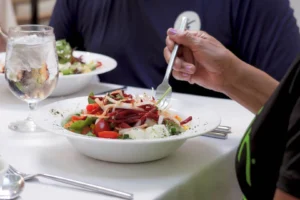
Lunch: Big leafy green salad with canned wild salmon, cherry tomatoes, cucumber, avocado, and a lemon-olive oil dressing. Add a small handful of walnuts for crunch.
Dinner: Baked turmeric salmon with roasted broccoli and a side of quinoa cooked in low-sodium vegetable broth.
Snack: A small bowl of mixed berries with a few squares of dark chocolate (70%+).
Why it works: You’re hitting omega-3s twice, getting fiber from oats and quinoa, and front-loading antioxidants with the berries and broccoli. Not bad for a Monday.
Day 2 — Tuesday: Plant-Forward Power
Breakfast: Smoothie with frozen spinach, frozen mango, half a banana, ground flaxseed, ginger (fresh or powdered), and unsweetened almond milk.
Lunch: Lentil soup (canned or homemade) with a thick slice of whole grain sourdough bread and olive oil for dipping.
Dinner: Stir-fried tofu and bok choy over brown rice with a ginger-tamari sauce (use low-sodium tamari).
Snack: Apple slices with almond butter.
Day 3 — Wednesday: Mediterranean Vibes
Breakfast: Two scrambled eggs cooked in olive oil with sautéed spinach and cherry tomatoes. Sprinkle with turmeric.
Lunch: Hummus and veggie wrap in a whole grain tortilla — load it with roasted red peppers, arugula, cucumber, and a squeeze of lemon.
Dinner: Baked cod with a herb crust (parsley, garlic, olive oil), served with roasted sweet potato wedges and a simple cucumber-tomato salad dressed in red wine vinegar and olive oil.
Snack: A small handful of mixed nuts (walnuts and almonds especially).
Day 4 — Thursday: Gut Health Focus
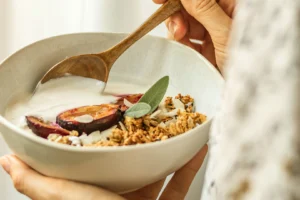
Breakfast: Plain Greek yogurt (full-fat or 2%) topped with raspberries, hemp seeds, and a drizzle of olive oil. Yes, olive oil on yogurt. Try it before you judge.
Lunch: Chickpea and kale salad with roasted beets, pumpkin seeds, goat cheese, and a tahini-lemon dressing.
Dinner: Turkey and vegetable soup — ground turkey, carrots, celery, onion, garlic, diced tomatoes, cannellini beans, low-sodium broth, and plenty of fresh herbs. Make extra; it keeps beautifully.
Snack: Carrot and celery sticks with guacamole.
Why it works: Greek yogurt provides probiotics that support the gut microbiome. A healthier gut directly correlates with lower systemic inflammation — this connection between the gut and the immune system is increasingly well-documented.
Day 5 — Friday: Comfort Food, Cleaned Up
Breakfast: Whole grain toast with smashed avocado, a poached egg, red pepper flakes, and a squeeze of lemon.
Lunch: Leftover turkey vegetable soup from Thursday (told you to make extra).
Dinner: Grass-fed beef burger (no bun, or on a whole grain bun) with lettuce, tomato, caramelized onion, and a side of roasted Brussels sprouts with balsamic glaze.
Snack: A square or two of dark chocolate and a cup of chamomile or turmeric tea.
Day 6 — Saturday: Take Your Time
Breakfast: Savory oatmeal — cook oats in broth instead of water, top with a soft-boiled egg, sautéed mushrooms, and a drizzle of sesame oil. It sounds unusual, but it tastes incredible.
Lunch: Large grain bowl: quinoa base, roasted vegetables (whatever you have — zucchini, bell peppers, red onion), topped with grilled chicken or canned sardines, and a tahini dressing.
Dinner: Salmon tacos in corn tortillas with shredded purple cabbage, mango salsa, cilantro, and lime. Serve with a simple black bean side.
Snack: Fresh fruit salad with mint and a squeeze of lime.
Day 7 — Sunday: Reset and Prep
Breakfast: Turmeric golden milk smoothie — blend banana, turmeric, ginger, black pepper (this activates curcumin absorption — important detail), cinnamon, coconut milk, and a tablespoon of almond butter.
Lunch: Warm lentil and roasted vegetable salad with spinach, cherry tomatoes, feta, and a sherry vinegar dressing.
Dinner: Whole roasted chicken thighs with a lemon-herb marinade, served over cauliflower mash and roasted asparagus.
Snack: Rice cakes with almond butter and sliced banana.
Sunday tip: Use today to prep for the week ahead. Cook a big batch of grains, roast a sheet pan of vegetables, and hard-boil a few eggs. Future-you will be very grateful.
7-Day Anti-Inflammatory Grocery List

Print this, screenshot it, or send it to yourself before your next shop. This covers the full week with a little flexibility built in.
Produce:
- Spinach, kale, and arugula (large bags)
- Blueberries, raspberries, strawberries (fresh or frozen)
- Avocados (4–5)
- Broccoli and Brussels sprouts
- Sweet potatoes (3–4)
- Cherry tomatoes, cucumber, bell peppers
- Beets, zucchini, asparagus
- Carrots and celery
- Lemons and limes
- Garlic, fresh ginger, onions
- Bok choy and cauliflower
- Bananas and apples
- Mango (fresh or frozen)
Protein:
- Salmon fillets (wild-caught, 4–6 oz per serving)
- Cod fillets
- Eggs (1–2 dozen)
- Canned wild salmon and sardines
- Ground turkey
- Chicken thighs (bone-in, skin-on for flavor)
- Canned chickpeas and cannellini beans
- Firm tofu
- Plain full-fat Greek yogurt
Grains and Legumes:
- Rolled oats
- Quinoa
- Brown rice
- Whole-grain sourdough bread
- Whole-grain tortillas (corn or whole wheat)
- Green or brown lentils (canned or dry)
- Black beans (canned)
Pantry:
- Extra virgin olive oil (get a good one — it matters)
- Low-sodium tamari or soy sauce
- Low-sodium vegetable and chicken broth
- Canned diced tomatoes
- Tahini
- Almond butter
- Pumpkin seeds, hemp seeds, chia seeds, flaxseeds
- Walnuts and almonds
- Dark chocolate (70%+ cacao)
- Turmeric, ginger, cumin, cinnamon, red pepper flakes
- Black pepper (crucial for curcumin absorption)
- Apple cider vinegar and red wine vinegar
- Coconut milk (canned, full-fat)
- Green tea bags
Optional / Nice to Have:
- Goat cheese or feta
- Balsamic glaze
- Raw honey
- Sesame oil
Common Mistakes Beginners Make (And How to Avoid Them)
Starting an anti-inflammatory diet is genuinely exciting — and then real life happens. Here’s where most people trip up and what to do instead.
Mistake 1: Going all-in and burning out within a week. You don’t need to overhaul everything at once. Start by adding more anti-inflammatory foods rather than restricting everything simultaneously. Addition before subtraction.
Mistake 2: Ignoring portion sizes of “healthy” foods. Nuts, avocado, olive oil, and dark chocolate are all excellent — but calorie-dense. You don’t need to count every calorie, but a small handful of nuts is a snack, not a dinner.
Mistake 3: Forgetting about drinks. What you drink matters as much as what you eat. Soda, fruit juice, sweetened coffee drinks, and alcohol can undo a lot of good work. Water, green tea, herbal teas, and the occasional black coffee are your best options.
Mistake 4: Not reading labels. Many “healthy” packaged foods — granola bars, flavored yogurts, whole grain crackers — are loaded with added sugar or inflammatory seed oils. Get in the habit of flipping the package over.
Mistake 5: Expecting overnight results. Reducing inflammation through diet is a slow process. Most people start noticing meaningful differences in energy, digestion, and joint comfort within 3–6 weeks. Some symptoms improve faster. Keep going even when it feels like nothing is changing.
Mistake 6: Treating this like a temporary diet. The anti-inflammatory way of eating isn’t a 7-day fix — this plan is just a starting point. The goal is to gradually reshape your default patterns so that these foods become your normal, not your exception.
Affiliate Picks Worth Considering
These are products genuinely useful for an anti-inflammatory lifestyle — the kind of things that actually make the habit stick.
- A high-quality extra virgin olive oil — look for brands with a harvest date printed on the bottle (California Olive Ranch and Bragg are solid options widely available)
- Wild Planet canned salmon and sardines — sustainably sourced, BPA-free cans, and actually tasty enough that you’ll want to eat them
- Navitas Organics hemp and chia seeds — easy to find, good quality, and a dead-simple way to boost omega-3 and fiber intake daily
- A good spice kit — turmeric, black pepper, ginger, and cumin are the core four; buying them fresh in bulk is cheaper and more potent than pre-packaged blends
- Instant Pot or slow cooker — makes lentil soups, grain batches, and chicken dishes dramatically easier, which means you’re far more likely to actually do it
FAQ: Anti-Inflammatory Meal Plan for Beginners
Q: How quickly will I see results from an anti-inflammatory diet?
A: It varies. Some people notice improved digestion, better sleep, and more stable energy within the first 1–2 weeks. Joint pain and skin changes often take 3–6 weeks. Measurable reductions in inflammatory blood markers (like CRP) are typically seen after 8–12 weeks of consistent dietary change. The key word is consistent — occasional healthy eating doesn’t move the needle much.
Q: Can I follow this meal plan if I’m a vegetarian or a vegan?
A: Absolutely. Replace the fish and poultry with additional legumes, tofu, tempeh, and walnuts. Use flaxseeds and algae-based omega-3 supplements if you’re not eating fish. The core framework — whole grains, vegetables, legumes, healthy fats, herbs, and spices — is entirely plant-compatible.
Q: Is an anti-inflammatory diet good for weight loss?
A: Indirectly, yes. You’re eliminating most ultra-processed and high-sugar foods, which are the primary drivers of both inflammation and weight gain. Many people lose weight on an anti-inflammatory diet without actively counting calories. That said, it’s not a calorie-deficient protocol — weight loss isn’t guaranteed, particularly if portions of calorie-dense foods aren’t moderated.
Q: Do I need supplements in addition to this meal plan?
A: For most people, a well-designed anti-inflammatory diet provides most of what the body needs. That said, vitamin D deficiency is extremely common (even in sunny climates) and has direct links to inflammation — it’s worth getting your levels tested. Omega-3 supplements (fish oil or algae oil) can be helpful if you’re not eating fatty fish 2–3 times per week. A quality probiotic may also support gut health. Always discuss supplements with your doctor or dietitian.
Q: Is coffee allowed on an anti-inflammatory diet?
A: Generally, yes — black coffee actually contains polyphenols with anti-inflammatory properties, and moderate consumption (1–3 cups per day) is considered compatible with an anti-inflammatory lifestyle. The problem is what goes in the coffee: flavored creamers, sugary syrups, and artificial sweeteners undermine the benefits. Drink it black or with a small amount of full-fat milk or unsweetened plant milk.
Q: Can children follow an anti-inflammatory meal plan?
A: The foods in this plan are entirely appropriate for children — in fact, the whole-food, minimally processed approach reflects pediatric nutrition best practices. Adjust portions for age and activity level, and involve kids in the cooking when possible. Building these habits early makes a genuine long-term difference.
Q: What’s the difference between anti-inflammatory eating and the Mediterranean diet?
A: They’re closely related — the Mediterranean diet is probably the most studied, most evidence-backed version of anti-inflammatory eating in the world. This meal plan draws heavily from Mediterranean principles (olive oil, fish, legumes, vegetables, whole grains) while also incorporating specific anti-inflammatory foods and spices that aren’t strictly traditional. Think of the Mediterranean diet as the foundation and this plan as a modern, research-informed extension of it.
A Final Word Before You Start
I’ll be honest with you: the week I started eating this way, I didn’t feel that different. I was tired, I still had brain fog, and I missed my usual breakfast of toast with peanut butter and too much coffee.
But by week three, I noticed I was waking up before my alarm went off. My knee — which had been aching every morning for months — stopped hurting. My digestion, which I’d sort of accepted as just being bad, started working like it was supposed to. And the fog lifted in a way that felt almost embarrassingly simple, like the answer had been sitting in my refrigerator all along.
Food isn’t the only variable in inflammation. Sleep matters enormously. Stress matters. Movement matters. But food is the thing you interact with multiple times every day, making it the most powerful lever you have.
Start with one meal. Then another. Don’t aim for perfection — aim for a little better than yesterday. That’s genuinely enough.
Always consult your physician or a registered dietitian before making significant changes to your diet, particularly if you have an existing medical condition or take medications that may be affected by dietary changes.


Add Comment