
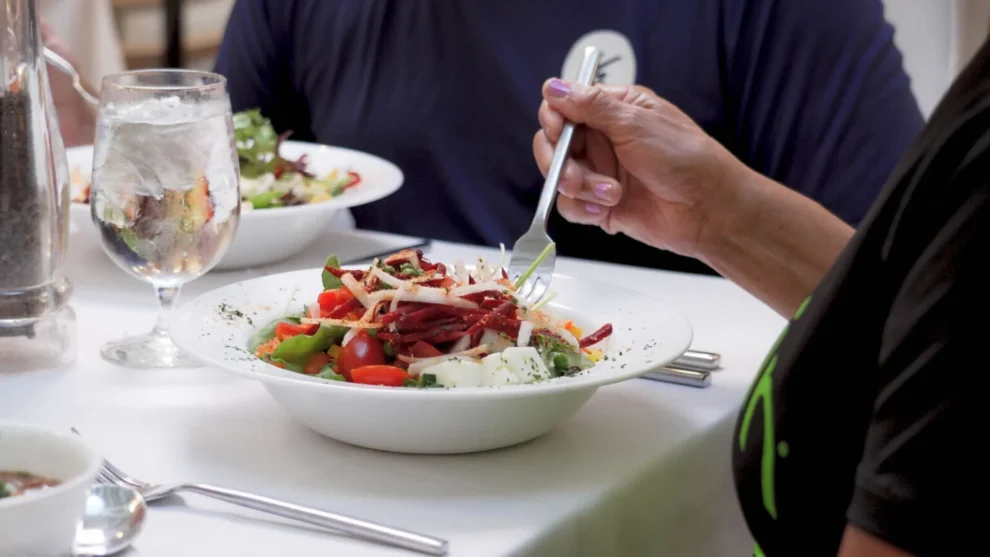
Best high-protein meals for GLP-1 users — if you’re on Ozempic or Wegovy and suddenly eating a fraction of what you used to, this might be the most important thing you read this week.
Here’s the thing nobody warns you about when you start a GLP-1 medication: the appetite suppression works really well. Too well, sometimes. You go from eating three full meals a day to barely finishing half a plate — and that should feel like a win, right? Except if you’re not being strategic about what fills that smaller plate, you could be losing muscle mass right alongside the fat. And that’s a problem that quietly compounds over time.
I’ve spoken with dozens of people navigating Ozempic and Wegovy — patients, coaches, and a few dietitians — and the single most common nutritional mistake they see is people eating too little protein because they’re eating too little of everything. The medication handles the hunger, but it doesn’t know the difference between a grilled chicken breast and a handful of crackers.
That’s what this guide is for.
Table of Contents
Why Protein Is Essential on GLP-1 Medications
GLP-1 receptor agonists like semaglutide (the active ingredient in both Ozempic and Wegovy) work by slowing gastric emptying, reducing appetite, and improving insulin response. The weight loss they produce is real and often significant. But here’s the nutritional reality that gets overlooked: when you’re in a caloric deficit this substantial, your body doesn’t just burn fat. It also burns muscle — a process called lean mass loss — unless you’re actively working to prevent it.
Muscle tissue is metabolically expensive. Your body will sacrifice it if it doesn’t get consistent protein signals that say keep this. And the consequences of losing significant lean mass go beyond aesthetics: it slows your metabolism, reduces strength and mobility, worsens insulin sensitivity (ironic, given why many people are on these medications), and makes weight regain far more likely once the medication is reduced or stopped.
Protein also plays a specific, practical role for GLP-1 users because:
- It’s the most satiating macronutrient — even a small amount keeps you full longer, which matters when your appetite window is narrow
- It has the highest thermic effect of food, meaning your body burns more calories digesting protein than it does digesting carbs or fat
- It supports wound healing, immune function, hair health, and dozens of enzymatic processes that can get neglected during rapid weight loss
- High protein intake on semaglutide is associated with better body composition outcomes — losing fat specifically rather than muscle and fat together
The GLP-1 diet isn’t just about eating less. It’s about eating smarter with what little space you have.
How Much Protein Do You Need Daily on GLP-1?
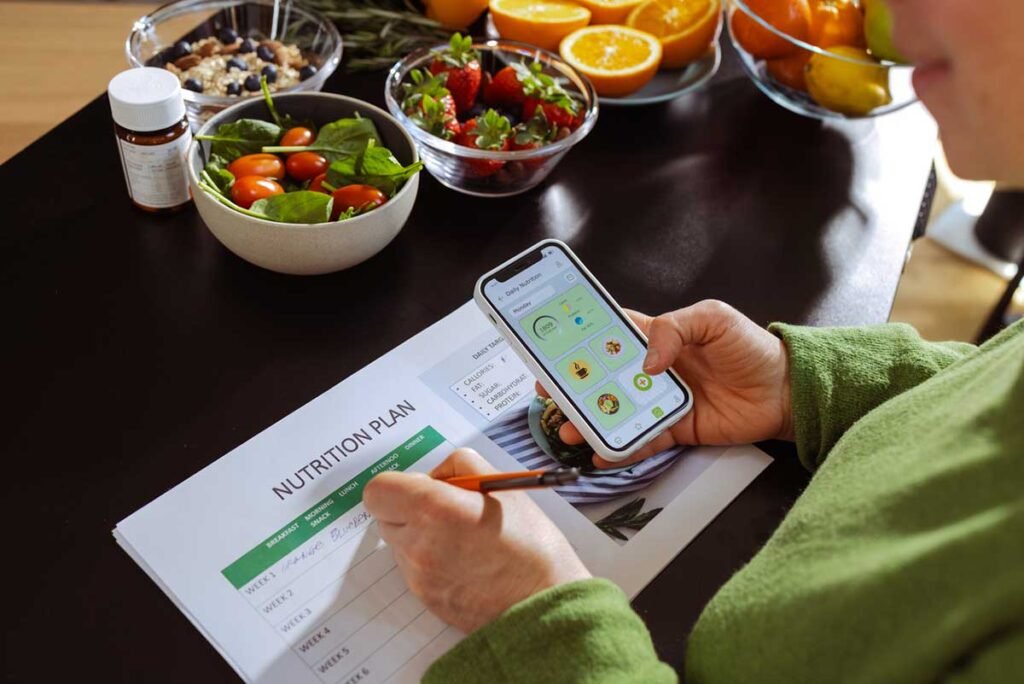
This is where you need to stop listening to the generic “0.8 grams per kilogram” recommendation, which is designed for sedentary adults at maintenance weight — not people in active caloric deficit on a powerful medication.
For GLP-1 users, most sports dietitians and obesity medicine specialists recommend:
0.7 to 1.0 grams of protein per pound of your goal body weight per day.
So if your goal weight is 160 lbs, you’re aiming for roughly 112–160 grams of protein daily.
That might sound like a lot when you’re barely eating 1,200 calories. Which is exactly why every single meal and snack needs to be protein-anchored. You don’t have room for empty calories anymore. The GLP-1 meal plan essentially demands you become a deliberate eater rather than a reactive one.
A few practical benchmarks to work with:
- 3 oz of chicken breast: ~26g protein
- 1 cup of Greek yogurt (plain, full-fat): ~17–20g protein
- 1 large egg: ~6g protein
- 3 oz of salmon: ~22g protein
- ½ cup of cottage cheese: ~14g protein
- 1 scoop of whey protein powder: ~20–25g protein
- ½ cup of edamame: ~9g protein
- 3 oz of canned tuna: ~20g protein
Best High-Protein Breakfasts for GLP-1 Users
Mornings on GLP-1 can be tricky. A lot of users report that nausea is most pronounced in the morning, and appetite is essentially non-existent after injection days. This is not the time to skip breakfast entirely — it’s the time to find the smallest, most protein-dense option you can stomach.
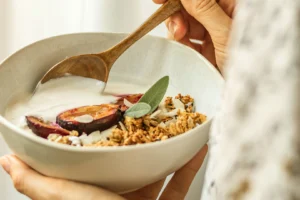
1. Greek Yogurt Protein Bowl: Plain full-fat Greek yogurt + a tablespoon of almond butter + a small handful of berries. Fast, cold (which can help with nausea), and it hits 20–25g protein in about six bites. Add a tablespoon of hemp seeds if you want to push it further.
2. Cottage Cheese Scramble: Two eggs scrambled with ¼ cup cottage cheese mixed in — the cottage cheese melts into the eggs and adds a creamy texture plus an extra 14g of protein. Pair with a few cherry tomatoes or sliced avocado.
3. High-Protein Smoothie: One scoop of whey or plant-based protein powder, half a banana, a handful of spinach, almond milk, and a tablespoon of peanut butter. Drinkable breakfasts are often easier on GLP-1-related nausea. Aim for 25–30g protein and keep it under 300 calories.
4. Smoked Salmon on Whole Grain Toast: 2 oz smoked salmon + a thin schmear of cream cheese on one slice of whole grain toast. Quick, satisfying, and a solid 15–18g protein without requiring much appetite.
5. Egg Muffins (Batch Prep): Whisk together eggs, diced vegetables, and a little cheese, pour into a muffin tin, and bake. Two egg muffins = roughly 12–15g protein in a grab-and-go format. Make a batch on Sunday, and you’re sorted for the week.
Best High-Protein Lunches for GLP-1 Users
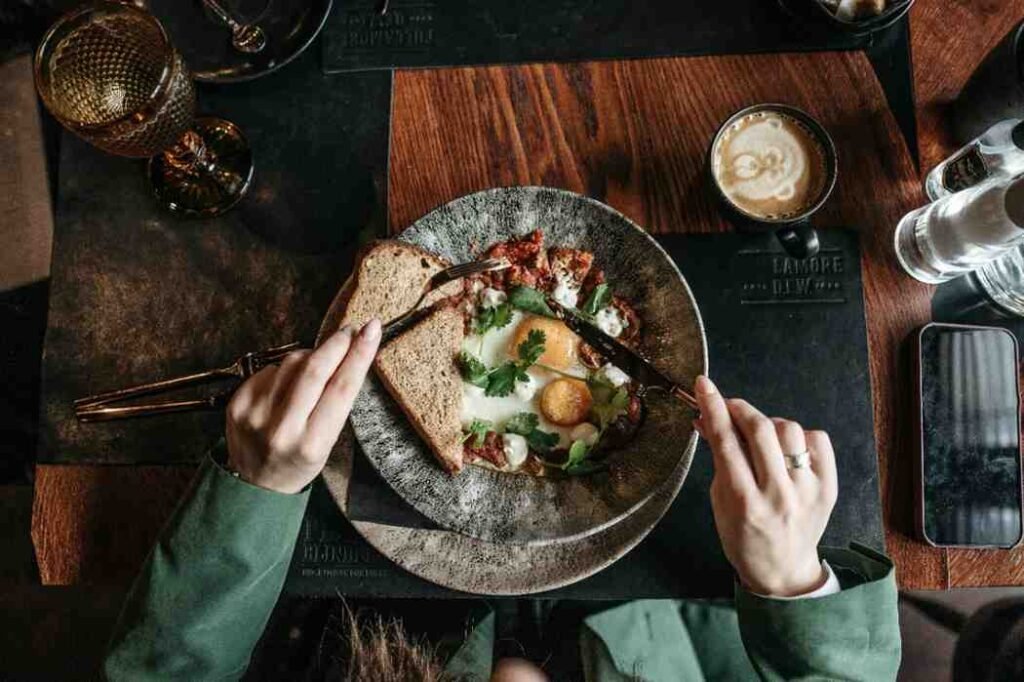
By lunchtime, most GLP-1 users are experiencing moderate hunger — not ravenous, but present. This is your best window for a more substantial meal. Don’t waste it on a sad desk salad with no protein.
1. Tuna or Salmon Salad Bowl: 3 oz canned wild tuna or salmon mixed with a little olive oil mayo, lemon, and capers, served over a bed of mixed greens with cucumber and cherry tomatoes. Add a boiled egg on the side for a 35g+ protein lunch.
2. Ground Turkey Lettuce Cups: Seasoned ground turkey (garlic, ginger, low-sodium tamari) served in crisp romaine or butter lettuce cups. Light enough not to feel heavy, but packed with protein. Easy to meal prep in 20 minutes.
3. Chicken and Quinoa Bowl: ½ cup cooked quinoa, 3–4 oz grilled chicken breast, roasted vegetables, and a tahini-lemon drizzle. This one also travels well in a container.
4. High-Protein Soup: Lentil and chicken soup, white bean and turkey soup, or a simple egg drop soup — liquid meals are often easier to eat when appetite is reduced. A good broth-based soup can deliver 25–30g of protein without feeling heavy.
5. Cottage Cheese Protein Plate: ½ cup cottage cheese, 2–3 oz turkey slices, sliced cucumber, and a few whole-grain crackers. No cooking required. On a rough GLP-1 day, this is your friend.
Best High-Protein Dinners for GLP-1 Users
Dinner tends to be where protein intake either gets saved or completely falls apart. By this point in the day, some users are barely hungry, and the temptation is to eat something light and carb-heavy — crackers, soup, toast. Resist this when possible.
1. Baked Salmon with Roasted Vegetables: A 4–5 oz salmon fillet, seasoned with lemon and herbs, baked at 400°F for 12–15 minutes. Serve alongside roasted broccoli or asparagus. Simple, fast, and delivers 30–35g protein.
2. Sheet Pan Chicken Thighs Bone-in, skin-on chicken thighs marinated in olive oil, garlic, and paprika — roast on a sheet pan with whatever vegetables you have. Chicken thighs are more forgiving to cook and stay moist even when your serving size is small.
3. Lean Beef Stir-Fry 4 oz lean ground beef or sirloin strips stir-fried with broccoli, snap peas, and a ginger-tamari sauce over a small serving of brown rice or cauliflower rice. Roughly 35g of protein is genuinely satisfying.
4. Turkey Meatballs with Zucchini Noodles Homemade or store-bought turkey meatballs (check the label — you want minimal fillers) with marinara sauce over spiralized zucchini. This one feels indulgent without the carb load of traditional pasta.
5. Shrimp and Cauliflower Rice Sautéed shrimp (3–4 oz = roughly 20g protein) with cauliflower rice, garlic, olive oil, and lemon. Cooks in under 10 minutes. On a low-appetite night, this is light enough to eat comfortably.
High-Protein Snacks for GLP-1 Users
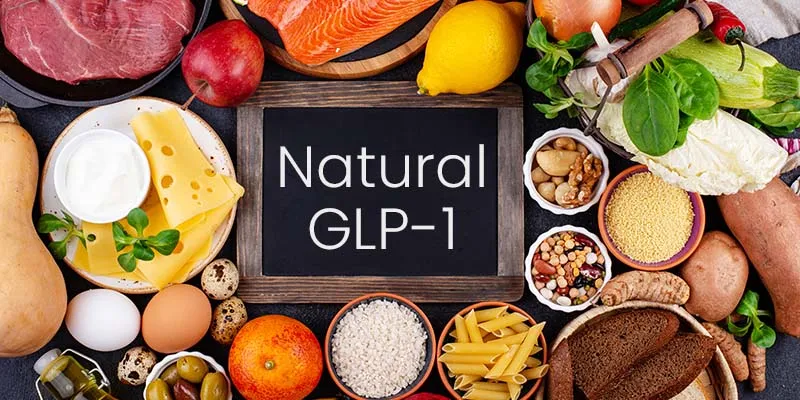
On semaglutide, most people drop from three meals and two snacks down to two meals and one snack — or sometimes just grazing. If you do snack, make it count.
- Hard-boiled eggs — 2 eggs = 12g protein, portable, cheap, no prep required
- Edamame (steamed, lightly salted) — ½ cup = 9g protein, satisfying and genuinely snack-able
- String cheese + deli turkey slices — 10–15g protein, kid-friendly, no fridge-to-table time
- Protein shake or bar — a high-quality bar (look for 15g+ protein, under 5g sugar) when you can’t eat a real snack; RXBARs and Quest bars are popular options among GLP-1 users
- Roasted chickpeas — crunchy, fiber-rich, and about 7–9g protein per ½ cup
- Celery with almond butter — modest protein but filling, and easy on nausea days
Sample 1-Day Meal Plan for GLP-1 Users
Here’s what a solid, protein-optimized day looks like in practice. Total protein target: ~120g.
| Meal | Food | Protein |
| Breakfast | Greek yogurt (1 cup) + hemp seeds (1 tbsp) + berries | ~22g |
| Mid-Morning | 2 hard-boiled eggs + string cheese | ~18g |
| Lunch | Chicken quinoa bowl (4 oz chicken + ½ cup quinoa + roasted veg) | ~35g |
| Afternoon Snack | Protein shake (1 scoop whey + almond milk) | ~22g |
| Dinner | 4 oz baked salmon + roasted broccoli | ~32g |
| Evening | ½ cup cottage cheese (if still hungry) | ~14g |
| Total | ~143g |
Adjust portions down if even this feels too much on a high-nausea day. The priority is always hitting your protein target — calories and carbs are secondary when you’re eating this little.
Foods to Avoid on GLP-1 Medications
Some foods aren’t just nutritionally poor on a GLP-1 diet — they actively make the medication experience worse. Here’s what to limit or cut entirely:
- High-fat, greasy foods — GLP-1 medications slow gastric emptying significantly; adding a fatty meal on top of that is a recipe for prolonged nausea, reflux, and genuine misery
- Carbonated drinks — the bloating and gas from fizzy drinks is dramatically amplified on semaglutide; even sparkling water can cause discomfort for some users
- Ultra-processed snack foods — chips, crackers, packaged cookies — these are calorie-dense, protein-poor, and fill your limited stomach space with essentially nothing useful
- Alcohol — GLP-1 medications reduce alcohol tolerance significantly in many users; beyond the safety concern, alcohol is inflammatory, high in empty calories, and worsens dehydration
- Sugary drinks and juices — liquid calories on semaglutide are still calories, and sugar-sweetened beverages raise blood glucose without providing satiety or protein
- Large portions of refined carbohydrates — white bread, pasta, and white rice eaten in volume can cause blood sugar spikes and often displace protein in your already-small meals
- Fibrous raw vegetables in excess — especially on injection days; raw broccoli, cabbage, and similar vegetables can cause significant gas and bloating when digestion is already slowed
Recommended Products for GLP-1 Users
These are practical tools and products that make high-protein eating on semaglutide significantly easier.
| Product | Why It Helps | Link |
| Optimum Nutrition Gold Standard Whey | Clean, high-quality protein powder; mixes easily into smoothies or Greek yogurt | View on Amazon |
| RXBAR Protein Bars | Whole food ingredients, 12g protein, minimal sugar — a reliable on-the-go option | View on Amazon |
| Vital Proteins Collagen Peptides | Unflavored, mixes into anything, supports skin and joint health during rapid weight loss | View on Amazon |
| Fairlife Core Power Protein Shakes | Pre-made, 26g protein, lactose-free — perfect for nausea days when cooking isn’t happening | View on Amazon |
| Good Culture Cottage Cheese | High-protein, clean ingredient list, genuinely good texture — not your grandma’s cottage cheese | View on Amazon |
Note: As an Amazon Associate, this site earns from qualifying purchases at no extra cost to you.
FAQ: GLP-1 Diet and High-Protein Eating
Q: How much protein should I eat per day on Ozempic or Wegovy?
A: Most GLP-1 specialists recommend 0.7 to 1.0 grams of protein per pound of your goal body weight. For a goal weight of 150 lbs, that’s roughly 105–150 grams of protein daily. Prioritize protein at every meal since your total food volume will be reduced.
Q: What are the best protein sources on a GLP-1 diet?
A: Lean meats (chicken, turkey, fish), eggs, Greek yogurt, cottage cheese, legumes, and quality protein shakes are the most practical options. Prioritize easily digestible proteins on days when nausea is high — fish, eggs, and liquid protein sources tend to be the most tolerable.
Q: Can I eat red meat on Wegovy or Ozempic?
A: Yes, in moderation. Lean cuts — sirloin, 93% lean ground beef, bison — are fine and provide excellent protein plus iron and zinc. High-fat red meats (ribeye, fatty ground beef, processed red meats) are worth limiting because the high fat content can worsen GLP-1-related nausea and slow digestion further.
Q: Will I lose muscle on Ozempic if I don’t eat enough protein?
A: Yes, this is a documented risk. Studies on semaglutide have shown that without adequate protein intake and resistance exercise, a meaningful percentage of weight lost can come from lean mass. Hitting your protein target daily — and ideally doing some form of resistance training — is the most effective defense against this.
Q: What foods make nausea worse on GLP-1 medications?
A: Greasy or fried foods, carbonated beverages, very spicy dishes, large portions eaten quickly, alcohol, and high-fat dairy tend to be the worst offenders. Eating slowly, in smaller portions, avoiding lying down after meals, and sticking to bland, easy-to-digest foods on injection days can all help.
Q: Is intermittent fasting safe on GLP-1 medications?
A: Many GLP-1 users naturally fall into something resembling intermittent fasting because their appetite window narrows significantly. This is generally fine, but deliberately skipping meals specifically to restrict calories further can make it very difficult to hit protein targets. Focus on protein first, and let the fasting pattern evolve naturally rather than forcing it.
Final Thoughts + What to Do Next
Here’s the honest summary: GLP-1 medications are genuinely powerful tools for weight management, but they don’t do the nutritional thinking for you. The appetite suppression creates a window — a real opportunity to reshape your relationship with food, build better habits, and come out of this process healthier and stronger than when you started.
But that only happens if you’re intentional. And the single most important nutritional intention you can set on a GLP-1 diet is this: protein first, always.
Every meal. Every snack. Every time you open the fridge and realize you’re not even that hungry, but you know you need to eat something — make it protein. Build from there.
Start today: Pick one meal from the breakfast or lunch section above, add it to your shopping list, and make it tomorrow. One meal. That’s the whole ask.
If you found this guide useful, bookmark it — you’ll want to come back as your appetite patterns change over the weeks ahead. And if you’re working with a dietitian, feel free to print this and bring it to your next appointment. These are evidence-informed recommendations that align with current obesity medicine and sports nutrition guidance.
You’ve got this.
Medical Disclaimer
This article is for informational purposes only and does not constitute medical advice. GLP-1 medications like Ozempic and Wegovy should only be used under the supervision of a licensed healthcare provider. Nutritional needs vary by individual — consult your doctor or a registered dietitian before making significant changes to your diet while on semaglutide or any other medication. Do not adjust your medication dose or schedule based on anything you read here.


Add Comment