

Tired of spending money on diet plans that leave you hungry, bored, and no lighter than before? Here’s something most of those plans won’t tell you: the secret to sustainable weight loss might literally already be in your kitchen.
25 healthy meals for weight loss don’t have to mean sad salads or flavorless chicken breast eaten joylessly over the sink at 7pm. I’ve been there. Most of us have. You buy into a program, you follow it for two weeks, and then life happens — a work event, a birthday dinner, a night when you’re just too exhausted to cook yet another bowl of cauliflower rice — and the whole thing unravels.
This post is different. It’s built around real meals you’ll actually want to eat, nutritionist-approved principles that work with your body instead of punishing it, and a 25-meal lineup that covers breakfast through dinner, weekdays and weekends, five-minute mornings, and slow Sunday preps. We’ll also cover the pantry staples worth stocking, meal prep strategies that actually save time, and the most common mistakes that quietly sabotage weight loss progress.
Let’s get into it.
Table of Contents
Why Home Cooking Helps With Weight Loss
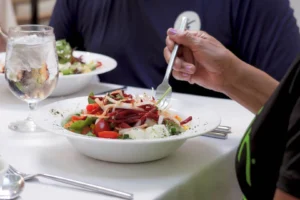
Here’s a fact that doesn’t get talked about enough: restaurant meals — even the ones marketed as “healthy” — are almost universally higher in calories, sodium, and hidden fats than the equivalent meal made at home. A seemingly virtuous grilled chicken salad at a casual dining chain can clock in at 900+ calories once the dressing, croutons, and cheese are factored in. At home, that same salad might be 400 calories and twice as filling.
But the benefits of home cooking for weight loss go deeper than calorie control.
When you cook your own food, you make conscious decisions at every step — how much oil goes in the pan, whether the sauce has added sugar, how big the portions actually are. That awareness alone changes your relationship with food in a meaningful way. Research consistently shows that people who cook at home more frequently have lower body weight, better diet quality, and less reliance on processed foods.
There’s also a psychological element. Cooking your own meals creates a small but real investment in what you’re eating. You’re less likely to mindlessly consume something you put time and care into making. And over time, the habit of cooking becomes self-reinforcing — you get faster, more confident, and more creative in the kitchen, which makes the whole process feel less like a chore and more like something that’s genuinely yours.
Key Principles of a Weight Loss Meal
Before we get to the recipes, it helps to understand what actually makes a meal effective for weight loss. It’s not just about calories — though those do matter. It’s about the quality and composition of what’s on your plate.
Protein is your anchor: High-protein meals increase satiety, reduce the hormone ghrelin (your hunger signal), and preserve muscle mass during a calorie deficit. Aim for at least 25–35 grams of protein per meal. Think: chicken breast, eggs, Greek yogurt, lentils, tofu, salmon, cottage cheese.
Fiber fills you up without filling you out: Vegetables, legumes, whole grains, and fruits provide fiber that slows digestion, keeps blood sugar stable, and keeps you feeling full between meals. Most people dramatically undereat fiber — the target is 25–38 grams per day.
Healthy fats are not the enemy: Avocado, olive oil, nuts, and fatty fish actually support weight loss by promoting satiety and reducing inflammation. The fats to minimize are trans fats and excess saturated fats from processed foods.
Watch the calorie density, not just the calories: A cup of white rice and a cup of broccoli are not the same calorie proposition. Building meals around low-calorie-density foods — vegetables, lean proteins, legumes — means you can eat a satisfying volume of food while staying within your calorie goals.
Don’t forget water: Hunger and thirst feel remarkably similar. Drinking a glass of water before meals is a legitimately effective strategy for reducing calorie intake, and it’s free.
The meals in this guide are built around all of these principles. High protein, high fiber, moderate healthy fat, low added sugar, and genuinely satisfying to eat.
Best Ingredients to Stock at Home
A well-stocked kitchen is your single biggest advantage when you’re trying to eat well consistently. When the right ingredients are already there, you don’t have to make willpower-dependent decisions after a long day.
Proteins to always have:
- Chicken breast and thighs (fresh or frozen)
- Eggs (at least a dozen)
- Canned tuna and wild salmon
- Canned chickpeas, lentils, and black beans
- Greek yogurt (plain, full-fat or 2%)
- Cottage cheese
- Firm tofu or tempeh
- Frozen shrimp
Produce staples:
- Spinach, kale, and mixed greens
- Broccoli, cauliflower, and zucchini
- Cherry tomatoes, bell peppers, and cucumber
- Sweet potatoes and regular potatoes
- Onions, garlic, and ginger
- Lemons and limes
- Bananas, berries (fresh or frozen), apples
Pantry non-negotiables:
- Extra virgin olive oil
- Whole grains: brown rice, quinoa, oats, whole wheat pasta
- Low-sodium broth (chicken and vegetable)
- Canned diced tomatoes
- Nut butters (almond or peanut, no added sugar)
- Spices: cumin, paprika, garlic powder, turmeric, oregano, chili flakes
Having these on hand means you’re almost never without the components for a solid, weight-loss-friendly meal — even on the nights when the fridge looks depressingly empty.
25 Healthy Meals for Weight Loss — The Full List
Breakfast Meals (1–7)
1. Overnight Oats with Berries and Chia Seeds: Combine ½ cup rolled oats, ¾ cup unsweetened almond milk, 1 tbsp chia seeds, and a handful of frozen berries in a jar the night before. Wake up, eat, done. Around 320 calories, 10g protein, 9g fiber.
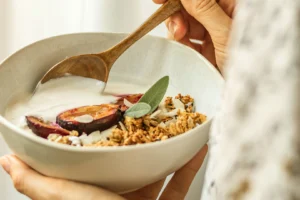
2. Greek Yogurt Parfait: Layer plain Greek yogurt with mixed berries, a tablespoon of honey, and a sprinkle of granola. High protein, quick, and satisfying. Swap granola for walnuts to reduce sugar further.
3. Veggie Egg Muffins: Whisk 6 eggs with diced bell pepper, spinach, onion, and a little feta. Pour into a muffin tin and bake at 350°F for 18–20 minutes. Makes 6 muffins — eat 2–3 per serving. Excellent for meal prep.
4. Avocado Toast with Poached Egg: Whole-grain toast, smashed avocado, a poached egg, red pepper flakes, and lemon juice. Simple, filling, and well-balanced with healthy fat, protein, and complex carbs. Around 380 calories.
5. Cottage Cheese Bowl: Plain cottage cheese topped with sliced cucumber, cherry tomatoes, a drizzle of olive oil, and black pepper. Sounds unusual, tastes genuinely good. High protein (~24g per cup), low calorie.
6. Banana Almond Smoothie: Blend 1 banana, 1 cup spinach (you won’t taste it, promise), 1 tbsp almond butter, 1 scoop vanilla protein powder, and 1 cup unsweetened almond milk. Around 380 calories, 30g protein.
7. Savory Oatmeal: Cook oats in low-sodium broth, top with a soft-boiled egg, sautéed mushrooms, and a drizzle of hot sauce. If you haven’t tried savory oatmeal, this might be your new favorite thing.
Lunch Meals (8–15)
8. Grilled Chicken and Quinoa Bowl: Grilled chicken breast over cooked quinoa with roasted broccoli, cherry tomatoes, and a lemon-tahini dressing. Around 450 calories, 40g protein.
9. Tuna Lettuce Wraps: Canned wild tuna mixed with Greek yogurt (instead of mayo), celery, red onion, lemon, and Dijon mustard. Serve in large romaine leaves. Light, fast, and genuinely filling.
10. Lentil Soup: A big pot of red lentil soup with garlic, onion, cumin, canned tomatoes, and spinach. Incredibly cheap, high in fiber and plant protein, and freezes perfectly. One of the most underrated weight loss meals in existence.
11. Turkey and Veggie Stir-Fry: Ground turkey stir-fried with bok choy, snap peas, bell peppers, garlic, ginger, and low-sodium tamari over brown rice. Fast, high-protein, very satisfying.
12. Chickpea and Kale Salad: Roasted chickpeas, kale massaged with olive oil and lemon, cucumber, cherry tomatoes, feta, and a tahini dressing. Hearty enough to be a full lunch.
13. Egg Salad on Whole Grain Bread: Hard-boiled eggs mashed with Greek yogurt, Dijon mustard, celery, and chives. Serve on whole-grain bread with sliced tomato. Protein-packed and takes 10 minutes.
14. Black Bean Burrito Bowl: Brown rice base, black beans, corn, salsa, avocado, lime juice, and a dollop of plain Greek yogurt instead of sour cream. Entirely plant-based, around 500 calories, and incredibly satisfying.
15. Zucchini Noodles with Pesto and Shrimp: Spiralized zucchini tossed with homemade or store-bought basil pesto and pan-seared shrimp. Low-carb, high-protein, and ready in under 20 minutes.
Dinner Meals (16–22)
16. Baked Salmon with Roasted Sweet Potato and Asparagus: Sheet pan meal — season salmon fillet with olive oil, garlic, and lemon. Roast alongside cubed sweet potato and asparagus at 400°F for 20–22 minutes. One pan, minimal cleanup, around 480 calories.
17. Chicken Vegetable Soup: Shredded chicken breast, carrots, celery, onion, garlic, kale, and white beans in a light broth. Make a large batch on Sunday and eat it all week. Around 280 calories per bowl, 28g protein.
18. Turkey-Stuffed Bell Peppers: Halved bell peppers filled with seasoned ground turkey, diced tomatoes, onion, garlic, and a small amount of brown rice. Bake at 375°F for 30 minutes. Around 350 calories per serving.
19. Cauliflower Fried Rice: Pulse cauliflower in a food processor until rice-sized. Stir-fry with eggs, peas, carrots, green onion, garlic, and tamari. Tastes remarkably like the real thing, at about a third of the calories.
20. Baked Cod with Lemon and Herbs: Cod fillets seasoned with garlic, lemon zest, parsley, and olive oil. Baked at 400°F for 12–15 minutes. Serve with steamed broccoli and quinoa. Around 380 calories, 35g protein.
21. Chicken and Vegetable Curry: Light coconut milk curry with chicken breast, spinach, tomatoes, onion, garlic, ginger, cumin, and garam masala. Serve over cauliflower rice or a small portion of brown rice. Warming, complex, and surprisingly low-calorie.
22. Spaghetti Squash with Turkey Bolognese: Roasted spaghetti squash strands topped with a lean ground turkey tomato sauce loaded with mushrooms, zucchini, and herbs. All the comfort of pasta night at about 40% of the carbohydrates.
Snacks and Light Meals (23–25)
23. Apple Slices with Almond Butter: An apple sliced and served with 1–2 tablespoons of natural almond butter. Around 200 calories, naturally sweet, keeps hunger at bay between meals.
24. Hard-Boiled Eggs with Everything Bagel Seasoning: Two hard-boiled eggs, sprinkled with everything bagel seasoning. 140 calories, 12g protein. One of the best snacks for weight loss, full stop.
25. Roasted Chickpeas: Drain and dry canned chickpeas, toss with olive oil, paprika, garlic powder, and cumin, and roast at 425°F for 25–30 minutes until crispy. A genuinely satisfying crunchy snack that also happens to be high in protein and fiber.
Recommended Tools to Make It Easier
These are worth having — they’ll make cooking faster, more consistent, and honestly more enjoyable.
| Tool | Why It’s Worth It | Link |
| Instant Pot Duo 7-in-1 | Soups, grains, and chicken in a fraction of the time | View on Amazon |
| OXO Good Grips Digital Kitchen Scale | Portion accuracy without obsession — weighing protein once recalibrates your eye for weeks | View on Amazon |
| Pyrex Glass Meal Prep Containers | Microwave-safe, airtight, and won’t absorb smells like plastic | View on Amazon |
| Spiralizer (Brieftons 5-Blade) | Turns zucchini and squash into noodles — genuinely useful, not a gimmick | View on Amazon |
| Lodge Cast Iron Skillet (10-inch) | Better sear on protein, naturally non-stick over time, lasts forever | View on Amazon |
Meal Prep Tips for the Week
The gap between knowing what to eat and actually eating it is almost always about preparation. Here’s how to close that gap without spending your entire Sunday in the kitchen.
Pick 2–3 proteins to batch cook: Grill or bake a few chicken breasts. Hard-boil 6 eggs. Cook a batch of lentils or chickpeas. These form the protein base for multiple meals throughout the week without repetition.
Cook grains in bulk: A large pot of brown rice or quinoa keeps well in the fridge for 5 days. Having it ready means you’re never 40 minutes away from dinner — you’re 10 minutes away.
Wash and chop vegetables upfront: The single biggest obstacle to eating vegetables is the prep. If your spinach is already washed, your peppers are already sliced, and your broccoli is already in florets, you’ll actually eat them.
Portion snacks in advance: Put a serving of almonds into small containers. Divide Greek yogurt into single-serve jars. When hunger hits, having a pre-portioned snack in arm’s reach is the difference between staying on track and eating half a bag of chips.
Make one big soup or stew per week: It’s the most efficient weight-loss meal prep strategy there is — one cook session yields 4–6 lunches or dinners, it keeps well, it freezes even better, and it’s almost always high-protein and high-fiber.
Set aside 45–60 minutes on Sunday. That’s genuinely all it takes to set up a week of healthy eating.
Common Mistakes That Quietly Sabotage Weight Loss
You can eat well 80% of the time and still not lose weight if these habits are working against you.
Underestimating liquid calories: Sweetened coffee drinks, fruit juice, flavored waters, alcohol — these can add 400–600 calories to a day without registering as “food.” Stick to water, black coffee, and unsweetened tea as your defaults.
Not eating enough protein: Under-eating protein leads to muscle loss during weight loss and makes hunger much harder to manage. Every meal should have a clear protein source.
Skipping meals and then overeating later: Skipping breakfast or lunch to “save calories” almost always backfires. Blood sugar drops, hunger spikes, and the evening meal (or the midnight kitchen raid) ends up far exceeding what a normal lunch would have been.
Treating weekends as “off” days: Two days of unrestricted eating can erase five days of careful choices. You don’t need to be perfect on weekends — just consistent.
Eating too fast: It takes about 20 minutes for your stomach to signal fullness to your brain. Eating quickly almost always means you’ve eaten more than you needed before that signal arrives. Slow down. Put the fork down between bites. It sounds small but it genuinely makes a measurable difference.
Conclusion — Your Kitchen Is Already Your Best Weight Loss Tool
Here’s the truth: you don’t need a meal delivery subscription, a fancy diet program, or an obscure superfood. You need a stocked fridge, a few reliable recipes, and the habit of cooking for yourself more often than not.
These 25 healthy meals for weight loss are your starting point. Pick three or four for this week. Try one new one next week. Build from there.
Weight loss that actually lasts isn’t built on restriction — it’s built on consistency, real food, and meals that are genuinely worth eating. You’ve got everything you need.
Ready to start? Pick one meal from this list and make it tonight. That’s the whole challenge. Tag us or drop a comment below if you try one — we genuinely want to hear which one becomes your go-to.
Frequently Asked Questions
Q: How many pounds can I lose eating healthy home meals?
A: With a modest calorie deficit of 500 calories per day through home cooking, most people can expect to lose 0.5–1 pound per week sustainably. Results vary based on starting weight, activity level, and consistency.
Q: Can I lose weight by eating 3 meals a day?
A: Absolutely. Three balanced, high-protein, high-fiber meals per day is a very effective structure for weight loss. The key is meal composition and portion awareness, not meal frequency.
Q: Are these meals good for beginners who don’t cook much?
A: Yes — this list was specifically built with accessibility in mind. Most meals require basic cooking skills, common ingredients, and under 30 minutes of active time.
Q: Do I need to count calories with these meals?
A: Not necessarily. Focusing on protein, fiber, and whole foods naturally creates a calorie deficit for most people. That said, tracking calories for even 2–3 weeks can be a very educational exercise for understanding portions.
Q: What’s the best healthy meal for quick weight loss?
A: There’s no single magic meal, but meals that combine lean protein, vegetables, and fiber consistently outperform low-fat or low-calorie processed alternatives. The chicken and vegetable soup and baked salmon recipes in this guide are among the most effective options.
Always consult a registered dietitian or your healthcare provider before making significant changes to your diet, especially if you have underlying health conditions.


Add Comment