
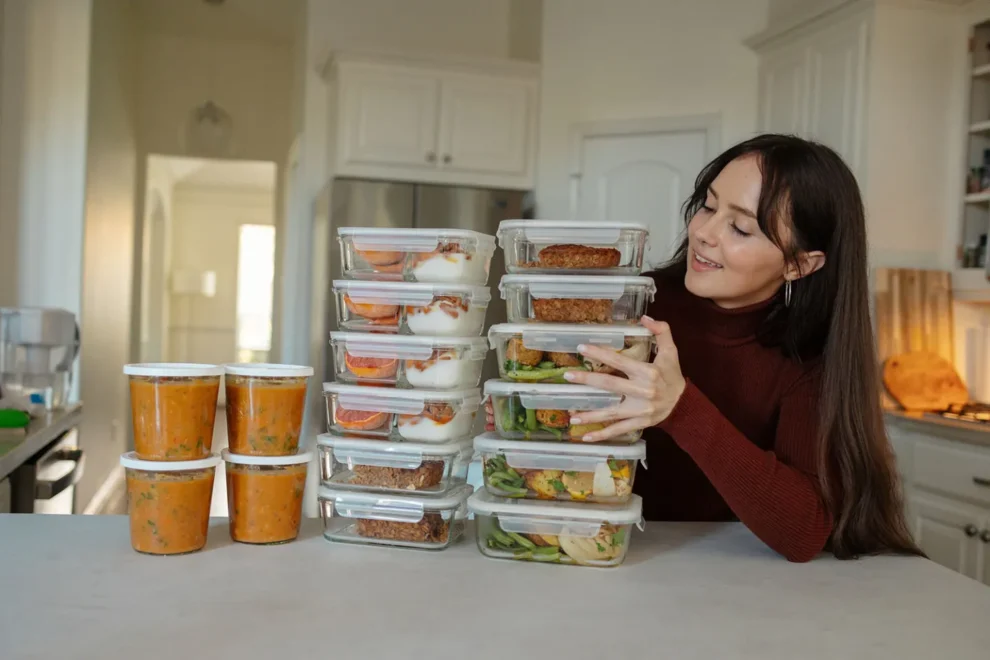
High protein meal prep for women is one of those topics that sounds simple on paper. Cook food, eat protein, feel great. But in real life, it is a little more complicated than that. Between hormone fluctuations, busy schedules, conflicting nutrition advice, and the sheer mental load of figuring out what to actually eat, a lot of women end up cycling through the same three meals or giving up on meal prep altogether by Wednesday.
I’ve been there. Most of us have. You spend Sunday afternoon cooking, everything smells amazing, the containers are lined up in the fridge looking very Instagram-worthy — and then life happens, and by Thursday, you’re eating cereal over the sink, wondering why you even tried.
This guide is different. It’s built around how women actually live, how our bodies actually work, and what high protein eating looks like when it’s sustainable — not just punishing. Whether you’re trying to lose weight, build lean muscle, balance your hormones, or just have enough energy to get through the day without a 3 pm crash, this is for you.
Table of Contents
High Protein Meal Prep for Women — Why Protein Is the Non-Negotiable
Before we get into the food, let’s talk about why protein matters so much — and specifically why it matters for women.
Women’s bodies are constantly navigating hormonal shifts. Across the month, across the decade, across life stages. Estrogen, progesterone, cortisol, insulin — they’re all in conversation with what we eat. And protein is one of the most powerful nutritional levers we have for keeping that system stable.
Here’s what adequate protein actually does for women:
- Preserves and builds lean muscle mass — especially important after 30, when muscle naturally starts declining without resistance training and proper nutrition
- Stabilizes blood sugar — high protein meals slow the absorption of glucose, which means fewer energy crashes, fewer cravings, and a more even mood throughout the day
- Supports fat loss without muscle loss — when you’re in a calorie deficit, protein protects the muscle you’ve built so you’re losing fat, not strength
- Reduces hunger — protein is the most satiating macronutrient, meaning you’ll actually feel full after meals instead of hungry an hour later
- Supports bone density — something women need to think about, especially as they move through perimenopause and beyond
- Aids in hormonal production — many hormones are made from amino acids; without enough protein, the whole system suffers
How much protein do women actually need? The old RDA of 0.8g per kg of body weight is, frankly, the bare minimum to avoid deficiency — not the optimal amount for an active woman. Most sports nutrition researchers now recommend somewhere between 1.6 to 2.2 grams of protein per kilogram of body weight for women who exercise regularly. For a 140-pound woman, that’s roughly 100–140 grams of protein per day. A lot more than most women are getting — and exactly why meal prep matters.
The Biggest Mistakes Women Make With Protein Meal Prep
Let’s clear the air before diving into strategy, because some common traps make this whole process harder than it needs to be.
Mistake 1: Relying too heavily on protein shakes. Shakes have their place, especially post-workout or when you’re genuinely slammed. But building your entire protein intake around supplements means missing out on the micronutrients, fiber, and real satiety that come from whole food sources. Food first, supplements as backup.
Mistake 2: Only prepping dinners. Breakfast and lunch are where most women fall short on protein. Prepping grab-and-go breakfasts and portioned lunches is just as important — maybe more — than having a fancy dinner ready.
Mistake 3: Eating the same thing every single day. Meal prepping five identical containers of chicken and rice is how you end up hating meal prep by day three. Variety isn’t just about enjoyment. It’s how you actually get a broad spectrum of amino acids and nutrients.
Mistake 4: Not accounting for the luteal phase. In the week or so before your period, progesterone rises, metabolism slightly increases, and many women experience stronger cravings and reduced insulin sensitivity. Higher protein during this phase can genuinely help — but most meal prep advice never mentions it.
Mistake 5: Underestimating protein content. A “high protein” yogurt might have 12 grams. That sounds good, but it’s only about 10% of your daily target. Get comfortable reading labels and knowing the protein density of your go-to foods.
Your High Protein Meal Prep Blueprint
Here’s how to build a weekly system that is genuinely sustainable.
Step 1: Choose Your Protein Anchors
Every great prep week starts with 2–3 protein “anchors” — bulk-cooked proteins that can be repurposed across multiple meals. Think of them as the base layer your whole week is built on.
Great anchor proteins for women include:
- Baked or grilled chicken breast — 31g protein per 100g, endlessly versatile
- Ground turkey — 27g per 100g, great for bowls, wraps, and lettuce cups
- Hard-boiled eggs — 6g each, perfect for salads, snacks, and breakfast bowls
- Canned or poached salmon — 25g per 100g, rich in omega-3s that support hormonal health
- Edamame — 11g per 100g, an excellent plant-based option, also high in phytoestrogens
- Full-fat Greek yogurt — around 10g per 100g, better for hormone support than low-fat versions
- Tempeh — 19g per 100g, a fermented soy protein that is also great for gut health
- Cottage cheese — 11g per 100g, high in slow-digesting casein, great before bed
Cook your anchors in bulk on Sunday. One sheet pan of chicken thighs. A big pot of turkey bolognese. A dozen boiled eggs. From there, you’re building meals, not starting from scratch every night.
Step 2: Build Your Prep Day System
A good prep day doesn’t have to take all afternoon. If you’re efficient, two hours covers most of it.
- Start proteins first since they take the longest — get chicken or salmon in the oven
- While proteins cook, prep your grains: quinoa, brown rice, or farro simmer unattended in about 20–30 minutes
- Wash and chop vegetables — pre-washed greens, sliced cucumbers, chopped peppers, cubed sweet potato, ready to roast
- Make one sauce or dressing — a tahini lemon dressing, a peanut sauce, a chimichurri. One great sauce elevates everything and prevents meal boredom
- Portion into containers — pre-portioned containers remove decision fatigue on busy weekday mornings
For containers, glass meal prep sets are worth the investment. They don’t absorb smells, they’re microwave safe, and they last for years. Something like the Prep Naturals Glass Meal Prep Containers or Pyrex Simply Store makes the whole process genuinely more enjoyable.
High Protein Breakfast Prep Ideas for Women
Breakfast is where most women drop the protein ball. A piece of toast and a coffee might get you to 10 am, but the blood sugar crash — and the cortisol spike that follows — sets you up for a day of chasing your energy levels.
Egg muffins baked in a muffin tin are a complete game-changer. Whisk 8–10 eggs, add fillings like spinach, feta, sun-dried tomatoes, or turkey sausage, pour into greased muffin cups, and bake at 375°F for 18–20 minutes. Each muffin comes in at about 7–8g of protein. Make 12, eat two or three each morning, and you’re done.
Overnight protein oats combine half a cup of rolled oats, one cup of Greek yogurt, one scoop of protein powder, chia seeds, and your milk of choice. Refrigerate overnight for approximately 35–40g of protein per jar. Add berries and nut butter in the morning. Garden of Life Sport Organic Protein Powder blends particularly well in overnight oats without clumping.
Cottage cheese bowls take literally two minutes. Top full-fat cottage cheese with fruit, a drizzle of honey, and crushed walnuts. About 25g protein with zero actual prep required — which is sort of the whole point.
High protein smoothie packs are brilliant for genuinely rushed mornings. Pre-portion smoothie ingredients into freezer bags: frozen banana, spinach, frozen berries, almond butter, and a scoop of protein powder. In the morning, dump the bag into a blender, add liquid, blend, and done. About 30g of protein per smoothie.
High Protein Lunch Prep Ideas for Women
Lunch is where meal prep really earns its keep. When you have something good waiting in the fridge, you’re not making impulsive decisions at 1 pm when you’re tired, and the delivery app is calling your name.
The protein grain bowl formula is simple: grain base + protein anchor + roasted vegetables + greens + sauce. Mix and match across the week for four or five different lunches from the same Sunday prep session.
- Bowl 1: Quinoa + grilled chicken + roasted broccoli + arugula + lemon tahini
- Bowl 2: Brown rice + hard boiled egg + roasted sweet potato + spinach + miso ginger dressing
- Bowl 3: Farro + canned salmon + cucumber + mixed greens + avocado vinaigrette
High-protein mason jar salads work beautifully for packed lunches. Layer dressing at the bottom, then hearty vegetables, then grains or legumes, then protein, then greens on top. Keep dressing away from the greens until eating time. These hold up for 4–5 days in the fridge without getting soggy.
Turkey lettuce wrap kits are fast, fresh, and genuinely satisfying. Cook a batch of seasoned ground turkey with garlic, ginger, and soy sauce. Store it separately from washed butter lettuce, sliced cucumber, shredded carrots, and sriracha mayo. Assembly at lunchtime takes three minutes and delivers about 30g of protein per serving.
High Protein Dinner Prep Ideas for Women
Dinners can afford to be a bit more elaborate, but the prep principle stays the same: do the heavy lifting ahead of time so weeknight cooking is just assembly or reheating.
Sheet pan salmon with roasted vegetables is probably the easiest high-protein dinner you can prep. Season salmon filets with olive oil, garlic, lemon, and dill. Roast at 400°F for 12–15 minutes alongside broccoli, cherry tomatoes, and zucchini. About 35g of protein per serving, and it keeps well for three days. A flexible fish spatula, like the Di Oro Silicone Turner, makes handling salmon without breaking it much less stressful.
Turkey meatballs in marinara are a meal prep classic. Make a big batch using ground turkey, one egg, parmesan, breadcrumbs, and herbs. Bake, then store in marinara. Serve over zucchini noodles, spaghetti squash, or regular pasta, depending on your goals. About 28–32g protein per serving.
Chicken and chickpea curry takes 30 minutes and feeds you for days. Chicken breast, canned chickpeas, canned tomatoes, coconut milk, and generous curry spice. About 35g of protein per bowl. Freeze half, and you’re already ahead for next week.
If you have an Instant Pot, batch cooking becomes genuinely effortless. Pulled chicken, turkey chili, lentil soup — set it before work, come home to dinner already done. The Instant Pot Duo 7-in-1 is one of those purchases a lot of women describe as life-changing once they start using it consistently for meal prep.
High-Protein Snacks That Actually Keep You Full
Snacking strategically is part of hitting your daily protein target without overeating at meals. Aim for snacks delivering at least 10–15g protein alongside some fat or fiber to slow digestion.
Options to keep prepped and ready:
- Greek yogurt with protein granola — look for granolas with 5+ grams of protein per serving, like RX Bar Granola
- String cheese plus a piece of fruit — quick, portable, about 7g protein
- Microwaved frozen edamame — one cup delivers 17g protein in about three minutes
- Protein energy balls — oats, peanut butter, protein powder, honey, and chocolate chips rolled up and refrigerated. About 8–10g each
- Turkey roll-ups — sliced turkey wrapped around cucumber strips and a smear of hummus
- Pre-boiled eggs kept in the fridge for up to a week, ready to grab whenever
Protein Supplements Worth Having (And the Ones to Skip)
Whole food first, always. But supplements have a legitimate place in a busy woman’s routine, especially around training or on days when food prep just didn’t happen.
Worth having:
- Whey protein isolate — fast-absorbing, great post-workout. Optimum Nutrition Gold Standard Whey is one of the most consistently tested options available
- Casein protein — slow-digesting, great before bed for overnight muscle repair. Dymatize Elite Casein is a solid pick
- Pea protein isolate — best plant-based option for women avoiding dairy, high in muscle-building leucine. Naked Pea Protein is clean and minimally processed
- Collagen peptides — not a complete protein but great for joints, skin, and hair. Dissolves perfectly in coffee. Vital Proteins Collagen Peptides is widely available and well-reviewed
Skip: proprietary blends that hide amounts, anything with 5+ grams of added sugar per serving, and any bar that is essentially a candy bar with a protein label.
Adjusting Your Meal Prep for Different Goals
Not every woman is prepping for weight loss, and it frustrates me how often that assumption gets baked into meal prep content.
For fat loss: Emphasize lean proteins like chicken breast, white fish, egg whites, and low-fat cottage cheese. Keep calories moderate but protein high — that combination preserves muscle while in a deficit and keeps hunger from taking over.
For muscle building: Don’t shy away from caloric density. Include fattier proteins like salmon, whole eggs, and full-fat dairy. Add healthy fats generously and make sure you are genuinely eating enough to support the growth you are training for.
For hormone balance: Prioritize diverse protein sources with meaningful plant protein presence, especially fermented soy like tempeh and miso. Load up on omega-3-rich fish. The gut-hormone connection is well-established.
For energy and performance: Time your highest-protein meals around your workouts. A protein-rich meal 1–2 hours before exercise and a fast-absorbing source within 30–60 minutes after training meaningfully improves both performance and recovery.
A Simple Weekly Grocery List
Proteins: 2 lbs chicken breast or thighs, 1 lb ground turkey, 1 lb salmon filets or 3–4 cans wild-caught salmon, 2 dozen eggs, 1–2 large containers full-fat Greek yogurt, 1 container full-fat cottage cheese, 1 block tempeh, 2 cans chickpeas or lentils, frozen edamame.
Produce: Spinach and mixed greens, broccoli, zucchini, sweet potato, bell peppers, fresh or frozen berries, avocados, and cherry tomatoes.
Pantry: Quinoa or brown rice, rolled oats, nut butter, olive oil, canned tomatoes, coconut milk, protein powder, chia seeds.
FAQ: High Protein Meal Prep for Women
Q: How much protein do women actually need per day?
A: For sedentary women, the minimum sits around 0.8g per kg of body weight. For active women exercising three or more times a week, current research consistently supports 1.6–2.2g per kg — roughly 100–130g per day for a 140-pound woman. With consistent meal prep, it is very achievable.
Q: Can too much protein be harmful for women?
A: For most healthy women, no. The kidney concern is specifically tied to pre-existing kidney disease, not healthy individuals eating high-protein diets. Diversity in protein sources is always the smarter approach, regardless.
Q: What is the best protein for fat loss in women?
A: Lean proteins with strong satiety value — chicken breast, white fish, Greek yogurt, eggs, and legumes. Lower in calories but high in protein, meaning you stay genuinely full without overeating.
Q: How long does meal-prepped food last in the fridge?
A: Most cooked proteins stay safe for 3–4 days. Grains and roasted vegetables last up to 5 days. Soups and curries often last 5–6 days. When in doubt, freeze it.
Q: Should I adjust protein intake during my menstrual cycle?
A: Yes. During the luteal phase in the week before your period, progesterone peaks and cravings intensify. Keeping protein high and pairing it with complex carbs during this phase reduces cravings, stabilizes mood, and improves energy. It is not a dramatic change — just leaning into what your body is already signaling.
Q: Is plant-based high-protein meal prep realistic?
A: Absolutely, with more planning. Combine legumes, soy-based proteins like tofu, tempeh, and edamame with whole grains like quinoa. Adding a quality plant-based protein powder on training days closes the gap considerably.
Q: What containers are best for meal prep?
A: Glass containers are the gold standard — no flavor absorption, no staining, microwave-safe, and they last for years. Prep Naturals glass containers and OXO Good Grips POP containers for dry goods are both consistently well-reviewed.
Consistency Beats Perfection, Every Single Time
Here is the thing nobody tells you about high protein meal prep for women: one week where you prep three solid meals is genuinely more valuable than a perfectly planned week that never actually happens because the standard was set too high.
Start small. Maybe this week, you just boil a dozen eggs and make overnight oats. That is it. Next week, you add a batch of turkey and grain bowls. You build the habit before you try to build the perfect system.
Your body responds to being nourished consistently over time — not to any single flawless day. A woman who eats enough protein most of the time, who doesn’t run on coffee and sheer willpower, who has real food waiting for her when she’s exhausted and hungry — that woman has an edge that no crash diet or supplement regimen can replicate.
This isn’t really about eating more chicken. It’s about giving yourself the infrastructure to feel good, consistently, in a body that is working hard every single day and genuinely deserves to be fed.
Always consult a registered dietitian or healthcare provider before making significant changes to your diet, especially if you have a medical condition or specific health goals.

Add Comment