

Protein intake for women over 30 is one of those topics that sounds clinical until the day you realize your body quietly changed the rules — and nobody told you.
Mine changed on a random Wednesday morning. I was doing the same workout I’d done for years, eating roughly the same way I always had, and yet somehow I felt… softer. Slower. My energy crashed every afternoon like clockwork. My clothes fit differently. I wasn’t gaining weight dramatically, but something had shifted in how my body was holding itself together — or not.
I went to my doctor. Bloodwork came back fine. “Just getting older,” she said, almost cheerfully.
I wasn’t satisfied with that answer.
After a lot of digging — reading research papers, talking to sports dietitians, experimenting on myself — the single biggest lever I found wasn’t a new workout program or an expensive supplement. It was protein. Specifically, I wasn’t eating nearly enough of it. And it turned out, most women I knew were in the same boat.
If you’re over 30 and you’ve noticed changes in your energy, your body composition, your metabolism, or just your overall sense of physical vitality — this is for you. Everything I wish someone had explained to me clearly, without the jargon, without the judgment.
Table of Contents
Why Protein Becomes Non-Negotiable After 30
Here’s something that doesn’t get talked about enough: after age 30, women begin losing muscle mass at a rate of roughly 3–8% per decade. This process is called sarcopenia, and it accelerates significantly in the 40s and beyond — particularly around perimenopause and menopause, when estrogen levels drop, and the body becomes less efficient at building and maintaining lean muscle tissue.
Why does that matter for metabolism? Because muscle is a metabolically active tissue. The more you have, the more calories your body burns at rest. Lose the muscle, and your resting metabolic rate drops with it. This is the biological reason why many women find that the same eating and exercise habits that kept them at a healthy weight in their 20s simply stop working in their 30s and 40s.
Protein is the primary tool for combating this shift.
Here’s what adequate protein intake does for women over 30 specifically:
- Preserves and builds lean muscle mass — protein provides the amino acids (essentially the building blocks) your muscles need to repair after exercise and maintain themselves day-to-day
- Supports metabolic rate — more muscle means a higher resting metabolism; protein also has a high thermic effect, meaning your body burns more calories digesting it than it does digesting carbs or fat
- Stabilizes blood sugar — protein slows glucose absorption, reducing the energy spikes and crashes that lead to cravings and overeating
- Promotes satiety — protein is the most filling macronutrient; higher protein diets consistently show reductions in overall calorie intake without deliberate restriction
- Supports bone density — collagen proteins and calcium metabolism are closely linked; adequate protein intake helps maintain bone density as estrogen declines
- Improves skin, hair, and nail health — collagen and keratin are both proteins; many of the cosmetic changes women notice after 30 are at least partly related to declining protein synthesis
None of this is magic. It’s just biology — and understanding it changes how you approach your plate.
How Much Protein Women Over 30 Actually Need
This is where most women are getting it wrong — and honestly, most conventional nutrition advice isn’t helping.
The standard Recommended Dietary Allowance (RDA) for protein is 0.36 grams per pound of body weight per day. For a 140-pound woman, that’s about 50 grams. That number was designed to prevent deficiency in sedentary people. It was never intended as an optimal target for active women who want to maintain metabolism, body composition, and long-term health.
Current research — particularly from exercise science and geriatric nutrition — suggests a very different picture.
For general health and metabolic support: 0.6–0.8 grams per pound of body weight daily. For women who exercise regularly or want to preserve muscle: 0.8–1.0 grams per pound. For women actively trying to lose fat while preserving muscle: up to 1.0–1.2 grams per pound
Practical examples:
- A 130-pound woman → aim for 104–156 grams of protein per day
- A 150-pound woman → aim for 120–180 grams per day
- A 170-pound woman → aim for 136–204 grams per day
If those numbers feel high compared to what you’re currently eating, you’re probably not alone. Most women significantly underestimate their protein intake and overestimate how much they’re actually getting from a typical day of eating.
A note on timing: research suggests that spreading protein fairly evenly across meals — rather than eating most of it at dinner — is more effective for muscle protein synthesis. Aim for 25–40 grams of protein per meal, with protein-containing snacks if needed.
Best High-Protein Foods for Women

The best high-protein foods for women are the ones that actually fit into real life — not just the ones that show up in fitness magazines. Here’s a practical breakdown, including complete proteins (those containing all essential amino acids) and strong plant-based options.
| Food | Serving Size | Protein | Notes |
| Chicken breast (cooked) | 3.5 oz | ~31g | Lean, versatile, affordable |
| Canned tuna | 3 oz | ~22g | Convenient, pantry staple |
| Greek yogurt (plain, full-fat) | 6 oz | ~17g | Probiotics + protein |
| Eggs | 2 large | ~12g | Complete protein, nutrient-dense |
| Salmon fillet | 4 oz | ~28g | Omega-3s + protein |
| Cottage cheese (low-fat) | ½ cup | ~14g | High casein = slow digesting |
| Tempeh | 3.5 oz | ~19g | Best plant-based complete protein |
| Lentils (cooked) | 1 cup | ~18g | Fiber + plant protein |
| Edamame | 1 cup | ~17g | Complete plant protein |
| Whey protein powder | 1 scoop | ~24g | Fast-absorbing post-workout |
| Casein protein powder | 1 scoop | ~24g | Slow-digesting, great before bed |
| Ground turkey (93% lean) | 3.5 oz | ~27g | Leaner alternative to beef |
| Sardines (canned in water) | 3.75 oz can | ~23g | Underrated, incredibly nutritious |
| Black beans (cooked) | 1 cup | ~15g | Great paired with rice |
| Hemp seeds | 3 tbsp | ~10g | Easy to add to anything |
Recommended Protein Supplements Worth Exploring:
| Product | Type | Why It’s Good | Link |
| Optimum Nutrition Gold Standard Whey | Whey Protein | Industry standard, great macros, wide flavor range | View on Amazon |
| Garden of Life Sport Organic Plant Protein | Plant Protein | Certified organic, complete amino acid profile, no artificial ingredients | View on Amazon |
| Vital Proteins Collagen Peptides | Collagen | Supports joints, skin, and gut lining — easily added to coffee or smoothies | View on Amazon |
| NOW Foods Casein Protein | Casein | Slow-digesting, great before sleep for overnight muscle repair | View on Amazon |
| Dymatize ISO100 Hydrolyzed | Whey Isolate | Fast-absorbing, low lactose, good for sensitive stomachs | View on Amazon |
A Full High-Protein Day: Sample Meal Plan
This is what a 130-gram protein day actually looks like in practice — no meal prep marathons, no weird food combinations.
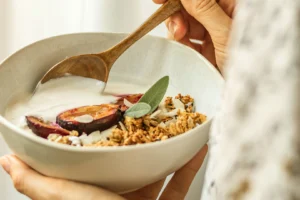
Breakfast — ~35g protein 2-egg scramble with 3 oz smoked salmon, spinach, and cherry tomatoes cooked in olive oil. Side of plain Greek yogurt (6 oz) topped with a handful of berries and 2 tbsp hemp seeds.
Why: Eggs + salmon give you complete protein and omega-3s. Greek yogurt adds casein protein that digests slowly and keeps you full well into mid-morning.
Mid-Morning Snack — ~25g protein One scoop whey protein shake blended with unsweetened almond milk, half a banana, and a tablespoon of almond butter. Or a simpler option: a serving of cottage cheese with cucumber slices.
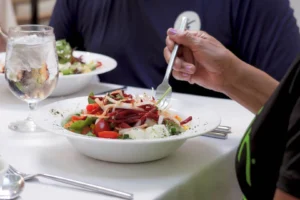
Lunch — ~35g protein Large salad: 4 oz grilled chicken breast over romaine, chickpeas, roasted sweet potato, avocado, pumpkin seeds, and a lemon-tahini dressing. Add a hard-boiled egg on the side if you need an extra boost.
Afternoon Snack — ~15g protein One cup edamame (lightly salted) or a small bag of roasted chickpeas. This is the snack that genuinely changed my afternoon energy — way better than reaching for something carb-heavy.
Dinner — ~35g protein 4 oz baked salmon with roasted broccoli and a cup of lentils cooked with garlic, cumin, and a squeeze of lemon. Or swap salmon for 3.5 oz ground turkey in a stir-fry over brown rice.
Optional Evening Snack — ~10–15g protein: Half a cup of cottage cheese or a small casein protein shake. Research on overnight protein consumption actually suggests this can support muscle protein synthesis during sleep — particularly relevant for women doing resistance training.
Daily total: ~130–150 grams of protein
Common Protein Mistakes Women Make
Let’s talk about the things that quietly sabotage even the best intentions.
Mistake 1: Relying on a protein that’s mostly carbs. Granola bars, flavored yogurts, “protein” cereals — many of these contain 5–8g of protein alongside 25–30g of sugar. That’s not a protein food. That’s a sugar delivery system with protein marketing on the front.
Mistake 2: Front-loading protein at dinner. Most women eat a light breakfast, a medium lunch, and a protein-heavy dinner. But muscle protein synthesis is maximized when protein is distributed across the day. Your body can only effectively use about 30–40g of protein per meal for muscle building — the rest gets used for energy. Spread it out.
Mistake 3: Being afraid of protein supplements. Protein powder is not a steroid. It’s not going to make you “bulky.” It’s a convenient, affordable, well-researched way to close the gap between what you’re eating and what your body needs. Whole foods first, always — but there’s nothing wrong with a scoop of quality protein powder.
Mistake 4: Not eating enough protein around workouts. Having protein within 1–2 hours of strength training significantly improves muscle protein synthesis. This doesn’t need to be complicated — a Greek yogurt, a protein shake, or a chicken wrap all work.
Mistake 5: Assuming your diet is already “high protein.” Track your intake for three days — honestly. Most women are shocked to find they’re averaging 50–70g when they thought they were eating plenty of protein. Awareness is the first step.
7 Practical Tips to Increase Protein Without Overhauling Your Life
Small changes, compounded over time, make a significant difference. Here’s what actually works:
- Add Greek yogurt to everything — use it as a sour cream substitute, a salad dressing base, or a smoothie thickener. It’s the easiest stealth protein move there is.
- Put a protein source at the center of every meal, first. Build the meal outward from the protein — this reframes your whole approach to plating.
- Keep hard-boiled eggs in the fridge. They take 10 minutes to make, last a week, and provide fast, portable, complete protein whenever hunger hits.
- Upgrade your snacks. Swap crackers for cottage cheese. Swap a granola bar for a handful of nuts and a boiled egg. These swaps add 10–20g of protein to your day with minimal effort.
- Use protein powder creatively. Add a scoop to oatmeal, pancake batter, smoothies, or even pasta sauce. Unflavored collagen peptides dissolve invisibly in coffee or tea.
- Order protein-first when eating out. Grilled fish, lean meat, or a legume-based dish as the main. Skip the bread basket, or at least eat the protein first.
- Meal prep one protein source on Sunday. Cook a large batch of chicken, hard-boil eggs, or make a pot of lentils. Having protein ready-to-go removes the friction that derails healthy eating midweek.
Frequently Asked Questions
Q: Does eating more protein help with weight loss for women?
A: Yes — and quite meaningfully. Protein supports fat loss in multiple ways: it increases satiety, reduces overall calorie intake without deliberate restriction, boosts the thermic effect of food (calories burned during digestion), and — crucially — helps preserve the lean muscle mass that keeps your metabolism running efficiently during a calorie deficit.
Q: Can too much protein be harmful for women?
A: For most healthy women, intakes of up to 1.2 grams per pound of body weight are considered safe. Very high intakes over long periods may place additional load on the kidneys — but primarily in people with existing kidney disease. If you have kidney concerns, talk to your doctor before significantly increasing protein. Otherwise, the research doesn’t support the idea that moderate-to-high protein diets are harmful for healthy adults.
Q: Does protein intake affect hormones in women?
A: Indirectly, yes. Adequate protein supports the production of peptide hormones that regulate hunger (like ghrelin and leptin). It also helps stabilize insulin and blood sugar, which has downstream effects on cortisol and energy balance. And maintaining muscle mass through protein intake helps buffer some of the metabolic changes associated with estrogen decline in perimenopause.
Q: What’s the best protein powder for women over 30?
A: It depends on your goals and dietary preferences. Whey protein (especially isolate) is fast-absorbing and excellent post-workout. Casein is slower-digesting and better before bed. Plant-based options like pea protein or a blend work well for those avoiding dairy. Collagen peptides support joint, skin, and gut health but aren’t a complete protein on their own. Look for options with minimal added sugar and no artificial sweeteners.
Q: Is it better to get protein from food or supplements?
A: Whole foods first, always. Real food comes packaged with micronutrients, fiber, and compounds that supplements can’t replicate. But if you’re consistently falling short of your protein targets — which many women are — a quality supplement is a completely legitimate and evidence-backed tool.
Your Next Step Starts Today
Here’s the thing about protein intake for women over 30: the changes don’t happen overnight, but they happen. Within a few weeks of consistently hitting your protein targets, most women report better energy, fewer cravings, improved workout recovery, and a subtle but noticeable shift in body composition.
You don’t need to transform your entire diet tomorrow. Pick one meal — breakfast is usually the easiest place to start — and commit to getting 30 grams of protein in that meal for the next two weeks. That’s it. Just that one change.
Track how you feel. Most women who do this come back and say: I had no idea food could change things this much.
It’s not complicated. It just requires showing up, most days, with a little more intention than before.
Start today. Your metabolism will thank you for it.
Always speak with a registered dietitian or your healthcare provider before making significant dietary changes, especially if you have any underlying health conditions or are pregnant or breastfeeding.


Add Comment