
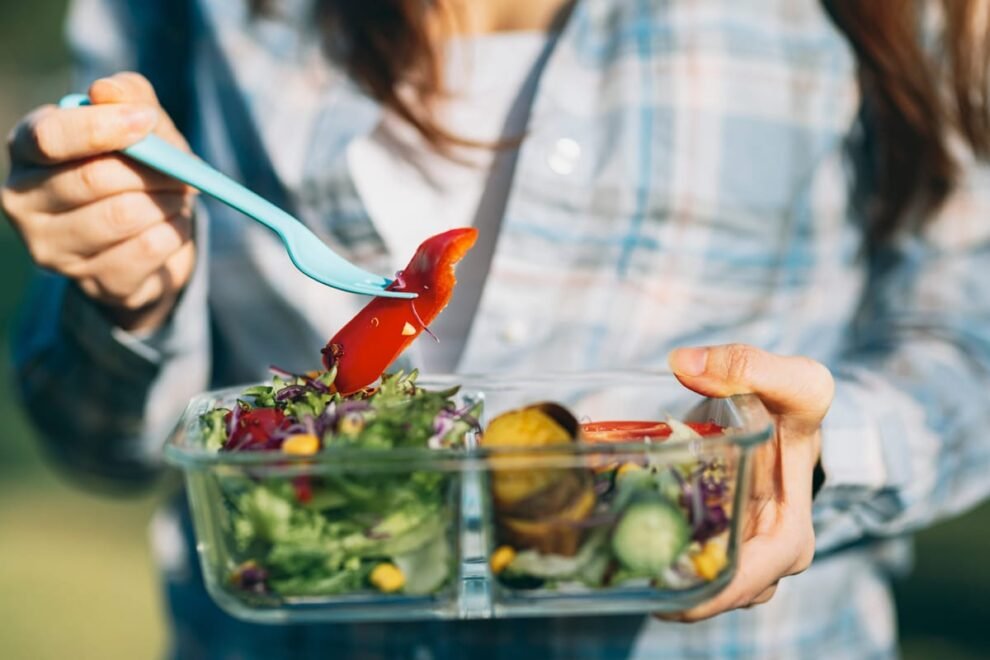
15 high-fiber foods to eat every day for healthy weight loss — I know, you’ve probably heard “eat more fiber” so many times it’s basically background noise at this point.
But here’s what changed things for me personally: I stopped treating fiber like a supplement and started treating it like a strategy. Because when you actually understand why fiber works — not just that it does — everything shifts. You stop counting calories with the same frantic energy and start paying attention to something that quietly does the heavy lifting for you.
I spent years trying to lose weight the hard way. Cutting carbs, restricting portions, white-knuckling through the 3pm hunger crash every single afternoon. And I kept losing and regaining the same 15 pounds like it was a part-time job. The thing nobody told me — the thing I wish someone had sat me down and explained — is that hunger is largely a fiber problem.
When you’re chronically under-fueled on fiber, your blood sugar spikes and crashes, your gut sends hunger signals constantly, and your body holds onto fat more stubbornly than it should. Fixing that — genuinely fixing it, not just managing it — starts with knowing which foods actually do the work.
That’s what this post is. Not a vague “eat vegetables” pep talk. A real, specific, science-backed list of the 15 best high-fiber foods you can eat every single day, plus practical ways to actually use them.
Table of Contents
What Is Fiber, Really? (And Why It’s the Missing Piece)
Before we get into the list, a quick grounding. Fiber is a type of carbohydrate — but unlike other carbs, your body can’t fully digest it. It passes through your digestive system largely intact, and in doing so, it does several things that are genuinely remarkable for weight management.
There are two main types:
Soluble fiber dissolves in water and forms a thick gel in your gut. This slows digestion, keeps you fuller longer, stabilizes blood sugar, and feeds the beneficial bacteria in your gut microbiome. Think oats, beans, and apples.
Insoluble fiber doesn’t dissolve — it adds bulk to your stool and keeps things moving through your digestive tract. Think whole wheat, nuts, and most vegetables.
Most high-fiber foods contain both types, which is part of why they’re so effective.
The daily fiber intake for weight loss recommended by most dietitians sits at 25–38 grams per day, depending on age, sex, and activity level. Most people get somewhere around 10–15 grams. That gap — that 15 to 20 grams of missing fiber — is one of the biggest, most overlooked reasons people struggle to lose weight and keep it off.
Now, the list.
15 High-Fiber Foods to Eat Every Day for Healthy Weight Loss
1. Lentils — 15.6g of Fiber Per Cooked Cup
If there’s a single food that more people should be eating more of, it’s lentils. They’re cheap, versatile, cook in 20 minutes without soaking, and pack nearly 16 grams of fiber per cup alongside 18 grams of protein. That fiber-protein combo is lethal (in the best way) against hunger.
Green lentils hold their shape better in salads and grain bowls. Red lentils dissolve beautifully into soups and dal. Brown lentils are your middle-ground, go-with-anything option. Pick one and start there.
Best use: Lentil soup, taco filling, mixed into pasta sauce to bulk it out without adding much flavor.
2. Black Beans — 15g of Fiber Per Cooked Cup
Black beans are one of the most fiber-dense foods you can put on your plate, and they’re also one of the most satisfying. The combination of soluble and insoluble fiber plus slow-digesting carbohydrates makes them extraordinary for blood sugar stability — which, if you’re trying to lose weight, is everything.
Studies have shown that regular legume consumption is associated with lower body weight, reduced waist circumference, and improved insulin sensitivity. That’s a lot of work for a can of beans that costs less than a dollar.
Best use: Burrito bowls, black bean soup, blended into brownie batter (yes, really — you can’t taste them and the texture is incredible).
3. Avocado — 10g of Fiber Per Whole Fruit
Here’s the thing about avocado that doesn’t get talked about enough: it’s not just healthy fat. A whole avocado delivers around 10 grams of fiber, making it one of the more surprising entries on any fiber-rich foods list.
It’s also rich in potassium, B vitamins, and oleic acid — the same monounsaturated fat found in olive oil that’s associated with reduced inflammation and improved satiety signals. The fat slows digestion. The fiber fills you up. The combination is why half an avocado at lunch genuinely carries you through to dinner.
Best use: On toast, sliced into salads, blended into smoothies for a creamy texture without sweetness.
4. Chia Seeds — 9.8g of Fiber Per Ounce
Two tablespoons. That’s all it takes to get nearly 10 grams of fiber — nearly half the daily recommendation some people never hit — from something you can add to anything.
Chia seeds are almost entirely soluble fiber. When they absorb liquid, they expand to 10 times their size and form a gel that quite literally slows the movement of food through your gut, prolonging satiety for hours. They’re also one of the best plant-based sources of omega-3 fatty acids.
Best use: Overnight chia pudding, stirred into oatmeal, blended into smoothies, or mixed into yogurt and left for 10 minutes to thicken.
| Product | Fiber Per Serving | Why We Like It |
| Anthony’s Organic Chia Seeds (2 lbs) | 10g per oz | Cold-milled, non-GMO, excellent value |
| Navitas Organics Chia Seeds | 10g per oz | Single-origin, raw, widely trusted brand |
5. Oats — 4g of Fiber Per Cup (Cooked), With Beta-Glucan Bonus
Oats are one of the best fiber foods for diet adherence — meaning they’re the kind of food you can actually eat every single day without getting bored, which matters more than most nutrition advice acknowledges.
The standout here is beta-glucan, a specific type of soluble fiber that has strong clinical evidence for reducing LDL cholesterol, stabilizing blood glucose after meals, and increasing satiety hormones (GLP-1 and PYY) — the same hormones that high-end weight loss medications target. You’re getting a modest version of that effect from your breakfast.
Best use: Overnight oats, savory oats with an egg and greens, oat-based energy balls, or stirred into smoothies for thickness.
| Product | Why We Like It |
| Bob’s Red Mill Organic Rolled Oats | Whole grain, minimally processed, excellent texture |
6. Split Peas — 16.3g of Fiber Per Cooked Cup
Possibly the most underrated food on this entire list. Split peas — yellow or green — are the highest-fiber legume you can eat, and they cook down into a naturally thick, creamy soup without any blending required.
They’re also extraordinarily inexpensive, have a long shelf life as a dried pulse, and provide significant protein alongside their fiber load. If you made split pea soup once a week and ate nothing else differently, your fiber intake would transform within a month.
Best use: Split pea and ham soup, yellow dal, blended into veggie burgers.
7. Raspberries — 8g of Fiber Per Cup
Raspberries are the highest-fiber fruit you can buy, and they taste like a treat. That psychological component matters — when healthy food feels indulgent, you actually eat it consistently instead of treating it as punishment.
Beyond fiber, raspberries are loaded with antioxidants (specifically ellagic acid and anthocyanins) that have anti-inflammatory effects and support metabolic health. A cup of raspberries has only 64 calories and will satisfy a sweet craving while moving you meaningfully toward your daily fiber intake for weight loss.
Best use: On top of oatmeal, in yogurt, blended into smoothies, or eaten straight from the bowl. Frozen is just as nutritious and considerably cheaper.
8. Artichokes — 10.3g of Fiber Per Medium Artichoke
Artichokes are a legitimate superfood for gut health and weight management, and they’re criminally underused in everyday cooking. A single medium artichoke has over 10 grams of fiber, a significant chunk of which is inulin — a prebiotic fiber that specifically feeds the beneficial Lactobacillus and Bifidobacterium bacteria in your gut.
Why does that matter for weight loss? Because gut microbiome diversity is directly correlated with metabolic health, inflammation levels, and even appetite regulation. You’re not just filling up — you’re improving the system that manages hunger signals.
Best use: Canned artichoke hearts are the easiest entry point — toss them in salads, add them to pasta, or roast them with olive oil and lemon.
9. Broccoli — 5.1g of Fiber Per Cup
Broccoli shows up on essentially every healthy eating list for good reason — it delivers fiber, vitamin C, vitamin K, folate, and sulforaphane (a compound with impressive anti-cancer and anti-inflammatory evidence) in one low-calorie package.
Volume eating is a legitimate weight loss strategy, and broccoli is the poster food for it: a full two cups of broccoli has only 60 calories and over 5 grams of fiber. You physically cannot feel hungry after eating two cups of broccoli alongside a protein source.
Best use: Roasted at high heat with olive oil and garlic (far better than steamed), in stir fries, raw with hummus, or blended into soups.
10. Flaxseeds — 7.7g of Fiber Per Ounce
Ground flaxseeds are one of the most efficient ways to add fiber — and omega-3 fatty acids — to your diet without changing what you’re eating. Stir a tablespoon into oatmeal, yogurt, or a smoothie and you’ve added nearly 4 grams of fiber invisibly.
Important: ground flaxseed (or milled flaxseed) is significantly more bioavailable than whole flaxseed, which tends to pass through undigested. Buy it pre-ground or grind it yourself and keep it in the freezer to prevent the oils from going rancid.
Best use: Stirred into oatmeal or yogurt, added to smoothies, mixed into muffin or pancake batter.
| Product | Why We Like It |
| Bob’s Red Mill Flaxseed Meal | Finely ground, high oil content, vacuum sealed |
11. Apples — 4.4g of Fiber Per Medium Apple
An apple a day keeps the dietitian happy — and that’s not just because apples taste good. About a third of the fiber in apples is pectin, a soluble fiber that has been shown in studies to reduce food intake by promoting satiety signals before a meal is even finished.
The key is eating the skin, where most of the fiber (and antioxidants) actually lives. A peeled apple is a less useful apple. Choose tart varieties like Granny Smith if blood sugar stability is a priority — they have a lower glycemic impact than sweeter varieties.
Best use: With almond butter for a snack, sliced into oatmeal, diced into salads, or just eaten whole on the way out the door.
12. Chickpeas — 12.5g of Fiber Per Cooked Cup
Chickpeas (garbanzo beans) are one of the most versatile high-fiber foods in existence. Roast them for a crunchy snack. Blend them into hummus. Add them whole to salads, curries, stews, and grain bowls. They play well with virtually every cuisine and flavor profile.
Like black beans, chickpeas provide significant protein alongside fiber, making them a complete hunger-management food rather than just a fiber supplement. They’re also a good source of folate, iron, and manganese.
Best use: Roasted chickpeas as a snack (toss in olive oil, salt, smoked paprika, roast at 400°F for 25 minutes), in hummus, in curries, or in Mediterranean salads.
13. Pears — 5.5g of Fiber Per Medium Pear
Pears are slightly higher in fiber than apples and similarly high in pectin. They’re also one of the few fruits that actually get better as they ripen on the counter — and a ripe pear has a natural sweetness that genuinely satisfies sugar cravings in a way a lot of fruit doesn’t.
Like apples, eat the skin. That’s non-negotiable from a fiber perspective.
Best use: Sliced into oatmeal, paired with cheese as a snack, roasted with honey and walnuts, or eaten fresh.
14. Almonds — 3.5g of Fiber Per Ounce
Almonds are the highest-fiber nut, and they’re also one of the most studied foods for weight management. Research has found that people who eat almonds as a regular snack tend to have lower body weight and waist circumference than those who eat calorie-equivalent carbohydrate-based snacks — likely because of the fiber-fat-protein combination and the fact that not all of the fat in almonds is actually absorbed.
One ounce (about 23 almonds) is the standard serving. That’s a small handful. Don’t eat almonds straight from a bag while watching television — portion them out.
Best use: Pre-portioned as a snack, in trail mix, chopped onto oatmeal or salads, or as almond butter.
15. Sweet Potatoes — 3.8g of Fiber Per Medium Potato
Sweet potatoes close out this list as one of the most satisfying, comforting, and genuinely filling foods you can build a meal around. They’re high in fiber, rich in beta-carotene, potassium, and vitamin B6, and they have a lower glycemic impact than white potatoes when eaten with their skin.
The skin is where a significant portion of the fiber lives — so bake or roast them whole rather than peeling and mashing (or if you do mash, leave the skin on and blend it in).
Best use: Baked and topped with black beans and salsa, cut into wedges and roasted, or diced and added to soups and grain bowls.
A Sample Day of High-Fiber Eating (Real Food, Real Life)
Here’s what hitting 30+ grams of fiber actually looks like in a day:
Breakfast: Overnight oats made with rolled oats, chia seeds, almond milk, and raspberries on top → ~14g fiber
Lunch: Large salad with chickpeas, avocado, roasted broccoli, cherry tomatoes, and a tahini dressing → ~12g fiber
Snack: Apple with a tablespoon of almond butter → ~6g fiber
Dinner: Lentil soup with a slice of whole grain sourdough → ~12g fiber
Total: approximately 44 grams of fiber — well above even the upper recommended range, achieved without any supplements, specialty products, or anything you couldn’t find in an ordinary grocery store.
Tips to Increase Fiber Without the Side Effects
One honest warning: if you go from 12 grams of fiber to 40 grams overnight, your digestive system will let you know it’s unhappy. Gas, bloating, and discomfort are common when you increase fiber too quickly.
Do this instead:
- Add 5 grams per week, not all at once — give your gut microbiome time to adjust
- Drink significantly more water — fiber absorbs water, and without adequate hydration, it can cause constipation rather than prevent it
- Add fermented foods alongside your fiber increase (yogurt, kefir, kimchi) — they help diversify the gut bacteria that process fiber
- Spread fiber throughout the day rather than loading it all into one meal
- Cook your beans rather than eating them raw — cooking breaks down some of the compounds that cause gas
Common Mistakes That Undermine Your Fiber Goals
Relying on fiber bars and supplements instead of food: Supplement fiber (psyllium husk, inulin powders, processed fiber bars) doesn’t come with the vitamins, minerals, antioxidants, and synergistic compounds that whole food fiber does. Use real food as your primary source.
Forgetting to drink water: This cannot be overstated. Without water, dietary fiber doesn’t do its job — it can actually make constipation worse. Aim for at least 8 cups daily, more if you’re very active.
Eating low-fiber “healthy” foods: Juices, smoothies made without pulp, white rice, peeled fruits — these can feel healthy but deliver almost no fiber. Keep the skin on. Keep the pulp in.
Giving up after a week: The gut microbiome changes that fiber drives take time — typically 3–4 weeks before you notice significant changes in digestion, appetite regulation, and energy.
FAQ: High-Fiber Foods and Weight Loss
Q: How much fiber do I need per day to lose weight?
A: Most research suggests 25–38 grams per day as a minimum. Some studies show weight loss benefits continuing to increase with intakes up to 50 grams daily. The average person currently eats around 10–15 grams — so almost everyone has room to meaningfully improve.
Q: Can eating too much fiber be harmful?
A: Extremely high fiber intake (80+ grams daily) can interfere with mineral absorption and cause digestive distress. For most people, eating real food rather than supplements, hitting problematic levels naturally is quite difficult. Focus on the 30–50 gram range, and you’ll be well within healthy territory.
Q: Do fiber supplements work as well as whole foods?
A: Supplements like psyllium husk can help with specific digestive goals, but they don’t replicate the full benefit of whole food fiber, which comes packaged with vitamins, minerals, phytonutrients, and protein. Use supplements to bridge gaps, not as a replacement strategy.
Q: What’s the best high-fiber breakfast for weight loss?
A: Overnight oats with chia seeds and berries is hard to beat — it’s quick, portable, genuinely delicious, and delivers 12–15 grams of fiber before you’ve left the house. It also keeps you full through a morning meeting, which is worth more than the calorie count.
Q: Will a high-fiber diet cause bloating?
A: Initially, possibly yes — especially if you increase intake quickly. This typically resolves within 2–3 weeks as your gut microbiome adapts. Increasing fiber gradually, staying well hydrated, and including fermented foods alongside will minimize discomfort significantly.
Start With Just One Food — Then Build From There
Here’s the CTA I actually mean: don’t try to eat all 15 of these foods this week. Pick one — whichever one already sounds good to you — and add it to something you’re already eating.
Add chia seeds to your morning yogurt. Swap white rice for lentils once this week. Eat an apple instead of whatever you usually reach for at 3pm.
That’s it. One change. Repeat next week with a second food.
That’s how this actually works — not through a dramatic overhaul but through small, stackable, sustainable additions that quietly shift your entire relationship with hunger and weight management over time.
The 15 best high-fiber foods for weight loss aren’t exotic or expensive. They’re in every grocery store. They cost less than most of what you’re already buying. And they do something no supplement or diet plan can fully replicate: they fix the root problem.
The Bottom Line
Foods high in fiber aren’t a trend or a fad — they’re fundamental. The research is consistent, the mechanisms are well-understood, and the results for people who genuinely commit to a fiber-rich way of eating are real and measurable. Lower body weight. Better digestion. More stable energy. Reduced risk of chronic diseases that make the second half of life harder.
You don’t need a perfect diet. You need a better default. And building that default around the 15 foods on this list is one of the most evidence-backed, sustainable, genuinely enjoyable changes you can make.
Start today. Start small. Stay consistent. Your gut — and the number on the scale — will both thank you.
Note: This post contains affiliate links. If you purchase through these links, we may earn a small commission at no additional cost to you. We only recommend products we genuinely find useful.



Add Comment