Health & Fitness

7 Day 1,500 Calorie Meal Plan for Weight Loss (With Grocery List & Macros)

7 Day 1,500 Calorie Meal Plan for Weight Loss (With Grocery List & Macros)

7 day 1,500 calorie meal plan for weight loss. That’s what I typed into Google at 6:47 in the morning, still in my pajamas, standing in the kitchen waiting for my coffee to finish.

I’d just stepped off the scale. The number wasn’t catastrophic. Wasn’t anything I needed to call a doctor about. But it was higher than it had been a year ago, which was higher than the year before that, and at some point, the slow creep stops being something you can just ignore and blame on the dryer shrinking your jeans.

The thing is, I’d tried the aggressive approach before. The 1,200-calorie-and-suffer plan. The one where you’re basically surviving on sadness and rice cakes, lose eight pounds, feel briefly victorious, then eat an entire pizza on day sixteen because your body has given up waiting for you to feed it properly. I’d done that cycle twice. Maybe three times. I wasn’t doing it again.

So I wanted something different. Something that actually fit inside a real life — the kind where you have work deadlines and a fridge that’s only half-stocked and evenings where cooking anything elaborate just isn’t going to happen.

What I landed on, after a lot of reading and one genuinely useful conversation with a dietitian, was 1,500 calories a day. Not as a punishment. Not as a race to the bottom. Just as a number that made sense — enough to lose weight steadily, enough to eat real food, enough to actually stick to past the two-week mark.

This is the plan I put together. It’s the one I actually used. I’m sharing it because I think it might work for you, too.


Why 1,500 Calories Works for Weight Loss (And Why It’s Not as Restrictive as It Sounds)

Let me be honest with you before I explain the science: “1,500 calories” sounds either like way too much or way too little, depending on what diet culture has told you lately. Some people hear it and think that’s still a lot of food. Others hear it and immediately picture four sad crackers and a handful of almonds. Neither is right.

Here’s how the math actually works.

To lose about a pound a week, you need to eat roughly 500 fewer calories per day than your body burns. For most moderately active adults — not marathon runners, not people who are completely sedentary, just regular people with desk jobs who take the occasional walk — maintenance calories tend to fall somewhere between 1,800 and 2,200 per day. Dropping to 1,500 puts you in a real deficit. Not a punishing one. A real one that your body can work with without going into panic mode.

And that panic mode thing is worth talking about, because it’s why most very low-calorie diets backfire.

When you eat too little — below 1,200 calories for most people — your body reads it as a threat. It starts conserving energy. Metabolism slows. Muscle gets broken down for fuel alongside fat, which is a problem because muscle is what keeps your metabolism humming in the first place. You lose weight fast at first, which feels great, and then your body quietly reorganizes itself to survive on less, and suddenly you’re eating 1,000 calories and not losing anything and wondering what went wrong.

At 1,500 calories, most of that doesn’t happen. Here’s why it tends to work better:

  • Muscle holds on: When you pair 1,500 calories with enough protein — and this plan does — your body has what it needs to preserve lean muscle tissue while burning fat instead. That distinction matters enormously for long-term results.
  • Hunger stays manageable: There’s a hormone called ghrelin that drives hunger, and it spikes hard under severe restriction. At 1,500 calories, you’ll feel hungry before meals, which is normal and fine. You won’t feel the kind of desperate, wall-climbing hunger that makes people abandon diets on a Thursday night.
  • Your body actually gets fed: You can hit your iron, magnesium, calcium, B vitamins, and vitamin D targets at 1,500 calories. At 1,100 or 1,200, most people quietly become deficient in half a dozen things and wonder why they’re exhausted, and their hair is falling out.
  • You can have a life: This one sounds small, but it isn’t. At 1,500 calories, you can eat dinner with your family. You can order food at a restaurant without making it weird. You can go to someone’s birthday party and have a small slice of cake and not blow the whole week. That social livability is what keeps people going for months instead of just days.
  • The results actually stick: Losing 0.5 to 1.5 pounds a week feels slower than the crash approach. But the weight that comes off this way tends to stay off, because your metabolism hasn’t been tanked and your relationship with food hasn’t been destroyed.

Consistently, 1,500 calories beats 1,200 calories every single time. The goal isn’t to eat as little as possible. The goal is to eat just a little enough, for long enough, that it actually works.


Macronutrient Breakdown — What Your 1,500 Calories Should Actually Look Like

Calories are the ceiling. Macros are the architecture. And this distinction matters more than most diet advice admits.

You could theoretically hit 1,500 calories eating nothing but crackers and peanut butter. You’d be miserable and hungry, and your blood sugar would be all over the place, and it wouldn’t work particularly well. Or you could structure those same 1,500 calories in a way that keeps you full, fuels your muscles, stabilizes your energy, and actually moves the needle. The macro breakdown is what makes the difference.

Here’s the split that most registered dietitians working with weight loss clients tend to land on — and that this plan is built around:

Protein: 30% — roughly 112 grams per day

This is the big one. Protein is the most filling macronutrient. It takes more energy to digest than carbs or fat — that’s called the thermic effect of food, and it accounts for a meaningful bump in daily calorie burn. And it’s what stands between you and losing muscle alongside fat during a deficit. Every meal in this plan has a solid protein anchor.

Good sources to lean on: chicken breast, ground turkey, salmon, canned tuna, eggs, plain Greek yogurt, cottage cheese, lentils, edamame, tofu.

Carbohydrates: 40% — roughly 150 grams per day

I know carbs have had a rough decade in the press. But cutting them entirely is not necessary, not particularly sustainable for most people, and honestly not supported by the evidence when protein and total calories are where they should be. What matters is the type of carbohydrate. Complex carbs from whole grains, legumes, vegetables, and most fruit come packaged with fiber and micronutrients and are digested slowly. Refined carbs and added sugars spike blood sugar, crash energy, and leave you hungry again in ninety minutes. The plan uses the former, not the latter.

Good sources: oats, quinoa, brown rice, sweet potatoes, lentils, whole grain bread, berries, apples, and most vegetables.

Fat: 30% — roughly 50 grams per day

Fat is not what makes you fat. That’s an old idea and a wrong one. Dietary fat is essential for hormone production, for absorbing fat-soluble vitamins (A, D, E, K), for brain function, and for making meals feel satisfying rather than hollow. The fats in this plan come from whole food sources — avocado, olive oil, nuts, eggs, fatty fish. They’re doing real work, not just adding calories.

One last thing on macros: treat these percentages as a rough guide, not a daily quiz. If you eat slightly more protein on some days, great. If the fat comes in a bit higher on a weekend, fine. The calorie target is what matters most. The macros are just there to make sure those calories are doing something useful.


7 Day 1,500 Calorie Meal Plan for Weight Loss — Your Full Week

Before you scroll through this, I want to be clear about something: these are real meals. Not meals designed to look impressive in a blog post. Not recipes that require tools you don’t own or ingredients from a specialty grocery store. These are things I’ve actually made on weeknights when I had maybe thirty minutes and not a lot of enthusiasm for cooking. The calorie counts are approximate — real food isn’t laboratory-precise — and the macros are rounded. Close enough is good enough here.


Day 1 — Monday: Ease In, Don’t Dive Off a Cliff

Breakfast — 380 calories: Overnight oats. Half a cup of rolled oats, one cup of unsweetened almond milk, a tablespoon of chia seeds, half a cup of blueberries, and a small drizzle of honey. You make this the night before, take it out of the fridge, done. It sounds too simple to work, but it’s genuinely filling and takes about four minutes of actual effort. Macros: P 12g | C 58g | F 8g

Lunch — 430 calories: Grilled chicken salad — five ounces of grilled chicken over a pile of mixed greens with cherry tomatoes, cucumber slices, a quarter of an avocado, and a dressing made from two tablespoons of olive oil, a squeeze of lemon, salt, and pepper. One small whole grain roll on the side if you need it. Macros: P 42g | C 28g | F 16g

Snack — 150 calories: A cup of plain low-fat Greek yogurt with a small handful of walnuts. Not exciting. Genuinely keeps you from being hungry at 5 pm, which is the actual goal. Macros: P 14g | C 8g | F 7g

Dinner — 540 calories: Baked salmon — five ounces, nothing fancy, just olive oil, garlic, and salt — alongside a cubed roasted sweet potato and steamed broccoli drizzled with a little more olive oil. Roast everything at 400°F while the salmon bakes. One pan, about 25 minutes. Macros: P 38g | C 42g | F 18g

Day 1 Total: ~1,500 cal | P 106g | C 136g | F 49g


Day 2 — Tuesday: Protein First, Everything Else Second

Breakfast — 350 calories: Scrambled eggs with vegetables — three large eggs scrambled in a little butter with a handful of baby spinach, a diced tomato, and a quarter cup of shredded cheddar stirred in at the end. One slice of whole grain toast. This takes about eight minutes. It’s the breakfast equivalent of a reliable friend: not flashy, always shows up. Macros: P 24g | C 22g | F 18g

Lunch — 420 calories: Turkey hummus wrap. Whole grain tortilla, four ounces of sliced turkey from the deli counter, three tablespoons of hummus spread down the middle, romaine, cucumber, a few strips of roasted red pepper from a jar. Roll it up, eat it over the sink if you’re short on time. No judgment. Macros: P 32g | C 38g | F 12g

Snack — 180 calories: A medium apple and a tablespoon and a half of almond butter. This combination has quietly become one of my most reliable diet-brain tools — the fat and fiber from both keep you satisfied for a good two hours. Macros: P 5g | C 27g | F 9g

Dinner — 550 calories: Ground turkey taco bowl. Cook five ounces of ground turkey with cumin, chili powder, garlic powder, and salt. Serve it over half a cup of brown rice with a quarter cup of black beans, a scoop of salsa, a handful of shredded lettuce, and two tablespoons of sour cream. This is the meal that makes people forget they’re eating diet food. Macros: P 40g | C 52g | F 16g

Day 2 Total: ~1,500 cal | P 101g | C 139g | F 55g


Day 3 — Wednesday: The Middle of the Week Slump, Handled

Breakfast — 340 calories: Smoothie. One cup of frozen mixed berries, one scoop of vanilla protein powder, one cup of unsweetened almond milk, a tablespoon of flaxseed, and a handful of spinach. Blend it. Drink it in the car if necessary. The spinach disappears completely flavor-wise, I promise. Macros: P 28g | C 36g | F 8g

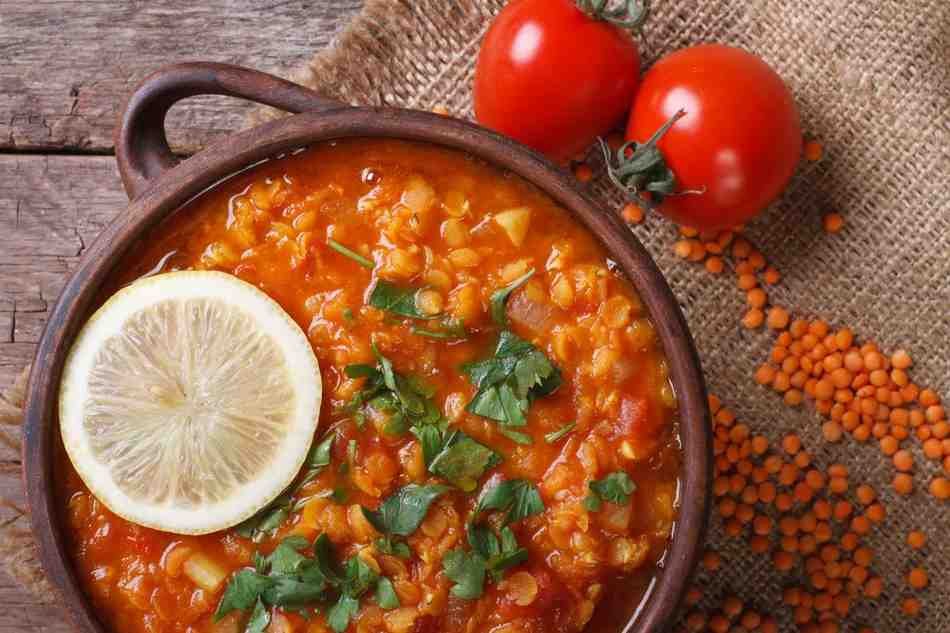
Lunch — 460 calories: Lentil soup — a cup and a half, either canned (Amy’s makes a decent one) or homemade if you have it. A large salad on the side, dressed in olive oil and vinegar. One slice of whole grain sourdough for the dunking. Macros: P 22g | C 58g | F 12g

Snack — 160 calories: An ounce of mixed nuts — almonds and cashews work well together — and a clementine. Keep a bag of this in your desk or your bag. Wednesday is the day you’ll need it. Macros: P 5g | C 18g | F 10g

Dinner — 540 calories: Baked lemon herb chicken breast over half a cup of quinoa with roasted asparagus alongside a simple cucumber and tomato salad with crumbled feta and a splash of red wine vinegar. The whole thing comes together in about 30 minutes if you start the quinoa first. Macros: P 44g | C 40g | F 18g

Day 3 Total: ~1,500 cal | P 99g | C 152g | F 48g


Day 4 — Thursday: Comfort Without the Damage

Breakfast — 370 calories: Two whole grain waffles — frozen, store-bought is completely fine — topped with half a cup of sliced strawberries and a couple tablespoons of plain Greek yogurt instead of syrup. It sounds like a substitute for the real thing, but honestly, it tastes better, and you don’t spend the rest of the morning on a sugar rollercoaster. A hard-boiled egg on the side bumps the protein. Macros: P 18g | C 48g | F 12g

Lunch — 430 calories: Tuna pasta salad. Half a cup of cooked whole grain pasta, a drained can of tuna, diced celery and red onion, a tablespoon of olive oil mayo, a squeeze of Dijon, and lemon juice. Served over arugula. Make extra — this keeps in the fridge for two days and is an excellent “I don’t have the energy to cook” fallback. Macros: P 36g | C 38g | F 14g

Snack — 140 calories: Celery sticks and baby carrots with two tablespoons of hummus. High volume, low calorie, and somehow genuinely satisfying when you eat it slowly instead of inhaling it standing in front of the open fridge. Macros: P 4g | C 18g | F 5g

Dinner — 560 calories: Beef and vegetable stir-fry. Four ounces of lean beef strips cooked fast in a hot pan with broccoli, snap peas, mushrooms, garlic, ginger, and a few tablespoons of low-sodium soy sauce or tamari. Served over half a cup of brown rice. Hot, savory, done in twenty minutes. Macros: P 38g | C 52g | F 16g

Day 4 Total: ~1,500 cal | P 96g | C 156g | F 47g


Day 5 — Friday: You Made It, Reward Yourself Sensibly

Breakfast — 360 calories: Cottage cheese bowl. A full cup of low-fat cottage cheese with half a cup of pineapple chunks, a sprinkle of hemp seeds, and a drizzle of honey. Sounds a bit odd if you’ve never had it. Tastes like something from a hotel breakfast buffet in the best possible way. Macros: P 28g | C 36g | F 8g

Lunch — 450 calories: Grain bowl with shrimp. Half a cup of cooked farro as the base, three ounces of grilled or sautéed shrimp, roasted cherry tomatoes, baby spinach, a quarter of an avocado, and a simple tahini dressing — one tablespoon of tahini loosened with lemon juice, water, and a tiny bit of garlic. This is the kind of lunch that makes your coworkers ask what you ordered. Macros: P 30g | C 44g | F 16g

Snack — 150 calories: A medium banana and a hard-boiled egg. Yes, together. Don’t overthink it. Macros: P 7g | C 28g | F 5g

Dinner — 540 calories: Baked cod with quinoa pilaf. The cod gets a drizzle of olive oil and a squeeze of lemon, twenty minutes at 400°F. The quinoa gets cooked in chicken broth with diced onion and garlic instead of water — this alone makes a huge difference in how it tastes. Roasted green beans on the side with a little lemon zest. Macros: P 40g | C 48g | F 14g

Day 5 Total: ~1,500 cal | P 105g | C 156g | F 43g


Day 6 — Saturday: The Day You Actually Have Time to Eat

Breakfast — 420 calories: Avocado toast done properly. Two slices of good whole grain bread toasted, half an avocado mashed onto both with some salt and red pepper flakes, two poached eggs on top, everything bagel seasoning, and a squeeze of lemon. This takes fifteen minutes and feels like a restaurant breakfast. Macros: P 20g | C 38g | F 22g

Lunch — 380 calories: Homemade chicken soup — which sounds ambitious but isn’t really. A cup and a half of good chicken broth, shredded rotisserie chicken, diced carrots and celery, and zucchini, half a cup of cooked whole grain egg noodles, garlic, and thyme. Twenty minutes on the stove. Warm, filling, and the kind of food that makes you feel like everything is going to be fine. Macros: P 28g | C 38g | F 8g

Snack — 190 calories: Half a cup of shelled edamame with sea salt and a small pear. The edamame is one of the more underrated snacks in the low-calorie toolkit — eight grams of protein for under 100 calories, genuinely satisfying. Macros: P 11g | C 28g | F 5g

Dinner — 510 calories: Turkey meatballs over zucchini noodles. Five ounces of ground turkey seasoned with garlic, Italian herbs, and a pinch of red pepper flakes, formed into four or five meatballs and baked at 400°F for 20 minutes. Serve over spiralized zucchini with half a cup of your favorite marinara and a small salad with olive oil vinaigrette. This is the kind of dinner that doesn’t feel like diet food. At all. Macros: P 38g | C 32g | F 20g

Day 6 Total: ~1,500 cal | P 97g | C 136g | F 55g


Day 7 — Sunday: Eat Well, Prep for the Week, Feel Ready

Breakfast — 350 calories: A proper vegetable omelette — three eggs with diced bell peppers, mushrooms, and onion cooked down first until they’re soft, then folded into the eggs with an ounce of crumbled goat cheese. Cooked in a little olive oil. A small bowl of mixed berries alongside it. Sunday breakfast should feel like something. Macros: P 24g | C 22g | F 18g

Lunch — 440 calories Mediterranean plate. Three ounces of sliced grilled chicken, half a cup of tabbouleh, a quarter cup of hummus with cucumber spears and bell pepper strips for scooping, and a few whole grain crackers. Eat it outside if the weather is even remotely cooperating. Macros: P 32g | C 42g | F 14g

Snack — 160 calories: A cup of plain Greek yogurt with cinnamon and a handful of blueberries. Simple, familiar, does exactly what it’s supposed to do. Macros: P 14g | C 16g | F 3g

Dinner — 550 calories: Sheet pan chicken sausage and vegetables. Two links of chicken or turkey sausage sliced into rounds, tossed with half a cup of cubed red potatoes, sliced bell peppers, zucchini, and red onion. Everything gets coated in olive oil and Italian seasoning and roasted at 425°F for 25–30 minutes until the edges go a bit crispy. It’s a one-pan dinner that takes maybe ten minutes of active work. Perfect for a Sunday when you’d rather be horizontal on the couch. Macros: P 28g | C 50g | F 20g

Day 7 Total: ~1,500 cal | P 98g | C 130g | F 55g


Complete Grocery List — Print This and Take It With You

Protein:

  • Chicken breasts, boneless skinless (about 3 lbs)
  • Ground turkey (1.5 lbs)
  • Lean beef strips (½ lb, for Thursday’s stir-fry)
  • Salmon fillets, wild-caught if you can get them (2 portions, 5 oz each)
  • Cod fillets (2 portions, 5 oz each)
  • Shrimp, frozen raw (1 lb)
  • Chicken or turkey sausage links (1 package)
  • Eggs (1.5 dozen — you’ll go through them faster than you think)
  • Canned tuna in water (3 cans)
  • Plain low-fat Greek yogurt (32 oz container)
  • Low-fat cottage cheese (16 oz)
  • Turkey breast, deli-sliced (6 oz)
  • Vanilla protein powder (look for 20–25g protein per scoop, low sugar)
  • Rotisserie chicken (1, for Saturday’s soup)

Dairy and Refrigerated:

  • Shredded cheddar (small bag)
  • Goat cheese (small log)
  • Crumbled feta (small container)
  • Parmesan (block is better than the tube)
  • Olive oil mayo (Primal Kitchen is the best widely available option)
  • Hummus (store-bought, original or roasted garlic)
  • Sour cream (small container)

Produce:

  • Baby spinach (large bag — you will use all of it)
  • Mixed salad greens and arugula
  • Romaine lettuce
  • Cherry tomatoes (2 pints)
  • Cucumber (3 medium)
  • Avocados (4 — get 5 if you’re like me)
  • Broccoli (2 heads or a large bag of florets)
  • Asparagus (1 bunch)
  • Zucchini (4 medium)
  • Green beans (1 lb)
  • Bell peppers — a mix of red, orange, and green (6 total)
  • Mushrooms (2 packages)
  • Celery (1 bunch)
  • Carrots (1 lb bag)
  • Red onion and yellow onion (2 of each)
  • Snap peas (1 bag)
  • Sweet potatoes (2 medium)
  • Small red potatoes (½ lb)
  • Berries — blueberries, strawberries, a mixed bag (fresh or frozen, frozen is perfectly fine)
  • Apples (2), bananas (2), a pear, and 4–5 clementines
  • Pineapple chunks (small can or a fresh pineapple if you prefer)
  • Lemons (5)
  • Garlic (1 whole head)
  • Fresh ginger (small knob)

Grains, Canned Goods, and Pantry:

  • Rolled oats (1 canister)
  • Quinoa (1 bag)
  • Brown rice (1 bag)
  • Farro (1 bag)
  • Whole grain bread (1 loaf)
  • Whole grain tortillas (1 package)
  • Whole grain sourdough (1 loaf)
  • Frozen whole grain waffles (1 box)
  • Whole grain pasta (1 box)
  • Whole grain egg noodles (1 small box)
  • Whole grain crackers (1 sleeve)
  • Black beans (1 can)
  • Lentil soup — Amy’s or Progresso (2 cans)
  • Marinara sauce, no added sugar (1 jar)
  • Canned diced tomatoes (2 cans)
  • Low-sodium chicken and vegetable broth (2 cartons)
  • Tahini (1 jar — gets used constantly once you start)
  • Almond butter, no added sugar (1 jar)
  • Chia seeds and flaxseeds
  • Hemp seeds
  • Mixed nuts — almonds, cashews, walnuts
  • Frozen shelled edamame (1 bag)
  • Extra virgin olive oil (buy a good bottle, it makes a real difference)
  • Low-sodium soy sauce or tamari
  • Dijon mustard
  • Apple cider vinegar and red wine vinegar
  • Salsa — check the label for added sugar
  • Everything bagel seasoning
  • Italian seasoning, cumin, chili powder, garlic powder, onion powder, red pepper flakes, cinnamon, sea salt, black pepper
  • Raw honey (small jar)
  • Roasted red peppers in a jar

Amazon Tools That Actually Make This Easier

ProductWhat It DoesWhy You Need It
Nicewell Food Scale (Digital, 11 lb)Weighs food in grams and ouncesYou cannot eyeball 5 oz of chicken. No one can. This removes the guessing entirely.
Pressure cooker, slow cooker, rice cooker, all in oneTracks water intake with hour markers on the sideThirst mimics hunger constantly. Staying hydrated is a real, underrated weight loss tool.
Prep Naturals Glass Meal Prep Containers (20-pack)Airtight glass containers in multiple sizesSunday prep is only worth doing if you have somewhere to put the food. Glass keeps it fresher.
Instant Pot Duo 7-in-1 (6-Quart)Pressure cooker, slow cooker, rice cooker all in oneMakes chicken, lentil soup, brown rice, and hard-boiled eggs without you standing over a stove.
NutriBullet Pro 900 Series BlenderPersonal blender, 900 wattsWednesday’s smoothie takes 45 seconds with this. Cleanup takes another 30 seconds. Worth every penny.
Nordic Ware Natural Aluminum Half Sheet Pan (2-pack)Heavy-duty sheet pans that don’t warpSunday’s sheet pan dinner is why sheet pans exist. Buy two so you can roast protein and vegetables simultaneously.
Garden of Life Sport Organic Vanilla ProteinCertified clean protein powder, 30g per scoopGoes straight into Wednesday’s smoothie. No weird ingredients, no chalky aftertaste.
OXO Good Grips SpiralizerTurns zucchini into noodles in about two minutesFor snacks, smoothies, and oatmeal. Clean ingredients, reasonable price, widely available.
Cronometer App (Gold Subscription)Tracks calories, macros, AND micronutrientsBetter than MyFitnessPal for understanding if you’re actually getting enough iron, magnesium, and vitamin D.
365 by Whole Foods Almond ButterJust almonds and salt, nothing elseFor snacks, smoothies, oatmeal. Clean ingredients, reasonable price, widely available.

Prices and availability vary. Some links may be affiliate links — please verify current pricing before purchasing.


Mistakes People Make on a 1,500 Calorie Diet (And How to Not Be One of Them)

I’ve made most of these mistakes myself at some point. Not listing them to lecture anyone — listing them because knowing what goes wrong is genuinely useful information.

  • Eating back exercise calories: Your fitness tracker tells you that you burned 400 calories on the treadmill, and now you have 400 extra calories to spend. Don’t. Those burn estimates are notoriously inflated, and eating them back erases your deficit. Unless you’re training for something seriously intense, keep eating 1,500 regardless of what the watch says.
  • Eyeballing portions instead of measuring: This is the big one. People who think they’re eating 1,500 calories and aren’t losing weight are almost always eating closer to 1,800 or 2,000 — because we are all terrible at estimating portions, especially for calorie-dense foods like nuts, oil, cheese, and peanut butter. A food scale for the first two to three weeks is genuinely transformative. You only have to do it for a little while before your eyes recalibrate.
  • Forgetting about liquid calories: A medium Starbucks latte is around 250 calories. A glass of orange juice is about 110. Two glasses of wine is somewhere around 300. None of these feels like food to your brain, but your body counts every one of them. Stick to water, black coffee, unsweetened tea, and sparkling water most of the time.
  • Skimping on protein: This is where most 1,500-calorie attempts fall apart. When the protein is too low, you’re hungry constantly, you lose muscle alongside fat, and your results look worse than they should. Every single meal needs a protein anchor. Everyone.
  • Skipping meals to bank calories: I know the logic — if I skip breakfast, I have more room for dinner. The problem is that by dinner, you’re ravenous, your willpower is depleted, and you eat three times what you would have if you’d just eaten breakfast. Spread the calories out. The snack in this plan is there on purpose.
  • Buying “diet” foods instead of whole foods: The 100-calorie snack packs. The fat-free yogurt is loaded with sugar. The low-cal frozen meals with sodium counts that make your cardiologist nervous. These foods are engineered to make you eat more. A hard-boiled egg and an apple will keep you satisfied twice as long as any processed diet snack at the same calorie count.
  • Weighing yourself every single day: Your weight can fluctuate by two to four pounds in either direction based purely on water retention, hormonal shifts, how much sodium you ate, and whether you had a big meal the night before. Daily weigh-ins are a psychological trap. Once a week, same morning, before eating, after the bathroom. That’s the number that matters.
  • Expecting the scale to move in a straight line: It won’t. There will be a week when you do everything right and lose nothing. Then the following week, the scale drops two pounds for no apparent reason. This is normal, and it’s not a reason to quit. Look at the overall trend across a month, not the daily or even weekly numbers.

FAQ: 7 Day 1,500 Calorie Meal Plan for Weight Loss

Q: Will I actually feel full on 1,500 calories a day?

A: Honestly, yes — if the calories are structured the way this plan structures them. The biggest driver of hunger on any diet is a lack of protein and fiber, not calories per se. When you’re eating protein at every meal alongside high-fiber vegetables and whole grains, the satiety is genuinely different from eating 1,500 calories’ worth of cereal and crackers. Most people are surprised by how full they feel in the first week once the meals are set up properly.

Q: How many pounds can I realistically lose in the first week?

A: The first week tends to show the biggest drop — often two to four pounds — because a meaningful chunk of that is water weight leaving as carbohydrate stores deplete. After that, a realistic and healthy pace is half a pound to one and a half pounds per week. Over eight weeks that’s four to twelve actual pounds of fat. Not as dramatic as the ads promise, but real and sustainable — which is the whole point.

Q: Do I have to exercise for this to work?

A: Strictly speaking, no. Weight loss happens in the kitchen; the deficit you create through eating does most of the work. That said, adding even thirty minutes of daily walking meaningfully improves both the rate and the quality of your results. And if you can add two sessions of strength training per week, you’ll preserve muscle and change your body composition in ways that diet alone won’t do. Exercise isn’t required, but it makes everything work better.

Q: Can I swap meals around between days?

A: Yes, freely. The plan is a framework, not a rigid schedule. If you want to eat Sunday’s dinner on Wednesday, do it. If you hate fish and want to swap all the salmon and cod for chicken, great. The only rule that actually matters is staying close to 1,500 calories with at least 100 grams of protein per day. Everything else is flexible.

Q: What if I’m still hungry after meals?

A: Three things to check first: is your protein high enough (should be 30–40g per meal), are you eating enough vegetables (non-starchy vegetables are essentially “free” from a calorie standpoint and add bulk), and are you drinking enough water? Thirst is mistaken for hunger far more often than most people realize. If you’re consistently hungry after genuinely addressing all three, bump up to 1,600 or even 1,700 calories — you’ll still be in a deficit, and you’ll actually stick to the plan.

Q: Is 1,500 calories appropriate for men?

A: For most women, yes. For men — especially taller, heavier, or more active men — 1,500 is often too low and can lead to fatigue and muscle loss. Most men lose weight effectively at 1,800–2,200 calories. The right number depends on your height, weight, age, and activity level. Calculate your TDEE (total daily energy expenditure) and subtract 500 to find your target.

Q: Should I track net carbs or total carbs?

A: For general weight loss purposes, total carbs are fine to track, which is what this plan uses. Net carbs (total carbs minus fiber) are more useful if you’re following a lower-carb approach or managing blood sugar. Either way, the emphasis on whole food carb sources in this plan means the fiber content is naturally high — so the difference between total and net carbs here is meaningful and works in your favor.

Q: What’s the most accurate way to track my calories?

A: A food scale combined with a tracking app is the most accurate approach, especially for the first few weeks while your eye for portions is recalibrating. Cronometer is excellent for seeing micronutrients alongside macros. MyFitnessPal has the largest food database. Either one works — the important thing is actually using it consistently, rather than the occasional entry when you remember.


Start Today — Not When the Timing is Perfect, Because It Never Will Be

Let me tell you what I wish someone had told me the morning I stood on that scale in my pajamas.

There is no perfect week to start. There will always be a birthday coming up, a work trip, a dinner reservation at a place with bread you love, a weekend that feels inconvenient for dietary changes. If you keep waiting for the stars to align, you will wait until you’re significantly older than you are right now.

What works is starting imperfectly. Making Monday’s breakfast even though you messed up Monday’s lunch. Getting back on track on Wednesday after a rough Tuesday. Not letting one off-plan meal turn into an off-plan month because you decided to wait until the following Monday to “really start.”

Print the grocery list. Go shopping this week, or even today. Cook Day 1 breakfast tonight — it takes four minutes, and you make it in a jar. That’s it. That’s the whole ask.

The pounds, the clothes fitting differently, the energy at three in the afternoon that used to be a total deadzone — all of that comes from stringing enough individual good days together until they stop feeling like effort and start feeling like your normal.

You’re already reading this, which means you’re more ready than you’re giving yourself credit for.

This week is good enough. You are good enough. Start.


Always speak with your doctor or a registered dietitian before starting a new diet plan, especially if you have an existing health condition, take prescription medications, or are pregnant or breastfeeding.

About the author

jayaprakash

I am a computer science graduate. Started blogging with a passion to help internet users the best I can. Contact Email: jpgurrapu2000@gmail.com

Add Comment

Click here to post a comment