
7-day bloating relief diet plan — that’s exactly what I went searching for after yet another evening of unbuttoning my jeans at the dinner table and wondering why I looked six months pregnant after a completely normal meal.
Nobody talks about how demoralizing chronic bloating actually is. It’s not life-threatening. It doesn’t land you in the hospital. But it’s there, every single day — that tight, stretched, uncomfortable feeling in your abdomen that makes you not want to wear certain clothes, avoid certain social situations, and quietly dread mealtime. I’ve been there. A lot of people have.
Here’s what finally changed things for me: I stopped looking for a magic fix and started understanding what was actually causing the bloating. Turns out, fixing it wasn’t about starving myself or doing a drastic cleanse. It was about eating smarter, not less — and making a few specific changes that let my gut finally do its job without working against itself.
This guide is the complete picture. What’s causing your bloating, which foods make it worse, which ones actually help, and a full 7-day plan you can start tomorrow. No supplements required. No extreme restriction. Just real, practical, food-first strategies that work.
Table of Contents
What Causes Bloating? (It’s Not Always What You Think)
Before we fix the problem, we need to name it properly. Bloating is the sensation of pressure, fullness, or distension in the abdomen — sometimes visible, sometimes just felt. It can come with gas, cramping, or that frustrating “full before I’ve barely eaten anything” feeling.
But here’s the thing most people miss: not all bloating has the same cause. And treating the wrong cause with the wrong solution is why so many people try “bloating diets” and get nowhere.
The most common causes of stomach bloating include:
- Swallowing too much air — eating quickly, drinking through straws, chewing gum, or talking while eating all introduce air into the digestive tract
- FODMAP sensitivity — fermentable carbohydrates (found in garlic, onions, wheat, legumes, and certain fruits) ferment in the colon and produce gas in sensitive individuals
- Gut microbiome imbalance — an overgrowth of gas-producing bacteria or a disrupted ratio of beneficial to harmful bacteria can cause persistent bloating
- Low stomach acid or digestive enzyme insufficiency — when food isn’t broken down efficiently in the stomach, it ferments lower in the gut
- Constipation — slow transit time means more time for fermentation and gas accumulation
- Food intolerances — lactose and gluten are the most common, but reactions to eggs, soy, and certain preservatives are also frequent culprits
- Hormonal fluctuations — many women experience significant bloating in the days before their period due to water retention and changes in gut motility
- Stress — the gut-brain axis is real; anxiety and chronic stress directly slow digestion and increase intestinal sensitivity
- Carbonated beverages — the bubbles have to go somewhere, and they often settle as gas in the gut before they work their way out
Most people are dealing with a combination of two or three of these at once, which is why the fix isn’t usually a single food swap — it’s a more systematic reset. Which is exactly what the 7-day plan below is designed to do.
Best Foods That Reduce Bloating Naturally
These aren’t superfoods in the marketing sense. They’re foods with well-documented effects on digestion, gas reduction, and gut health — and most of them are already sitting in grocery stores near you.
- Ginger — contains gingerols and shogaols that accelerate gastric emptying and relax the intestinal tract; fresh ginger tea before meals is one of the most effective natural remedies for bloating
- Cucumber — high water content and low fiber make it easy to digest; also contains quercetin, a flavonoid with mild anti-inflammatory properties
- Fennel — both the bulb and seeds contain anethole, a compound that relaxes smooth muscle in the gastrointestinal tract and reduces gas; fennel seed tea after meals is a traditional digestive remedy across multiple cultures
- Papaya — contains papain, a proteolytic enzyme that helps break down protein and supports efficient digestion
- Pineapple — bromelain (found primarily in the core) is another powerful digestive enzyme with anti-inflammatory effects
- Asparagus — a natural prebiotic and mild diuretic; helps flush excess sodium and water that contribute to that puffy, bloated feeling
- Bananas (ripe) — potassium-rich, which counteract sodium-related water retention; the soluble fiber pectin also supports regular bowel movements
- Yogurt with live cultures — probiotics in live-culture yogurt (look for Lactobacillus and Bifidobacterium strains) help restore microbial balance in the gut
- Kefir — arguably even more probiotic-dense than yogurt; one of the most studied fermented foods for gut health
- Cooked leafy greens — raw kale and spinach can be harder to digest for some people; cooking them breaks down tough cell walls and reduces the gas-producing potential
- Oats — soluble fiber (beta-glucan) acts as a prebiotic, feeding beneficial bacteria without causing significant gas in most people
- Lemon water — stimulates the production of digestive juices and bile; warm lemon water first thing in the morning is a simple habit with a real physiological effect
- Peppermint — menthol in peppermint relaxes the lower esophageal sphincter and intestinal smooth muscle; peppermint tea or peppermint oil capsules are among the best-researched natural treatments for IBS-related bloating
- Low-FODMAP vegetables — zucchini, carrots, bell peppers, tomatoes, and green beans are all easy on the gut and unlikely to cause fermentation-related gas
Foods That Cause Bloating (The Usual Suspects)
Some of these will be obvious. Some won’t. Worth going through the full list because a lot of people are eating “healthy” foods that are, for them specifically, major bloating triggers.
- Beans and lentils — nutritious, but packed with raffinose and other oligosaccharides that gut bacteria ferment vigorously; soaking them overnight and rinsing thoroughly reduces the gas-producing compounds significantly
- Cruciferous vegetables (raw) — broccoli, cauliflower, cabbage, and Brussels sprouts contain glucosinolates and raffinose; cooking them makes them far more tolerable for bloat-prone people
- Onions and garlic — extremely high in fructans, a type of FODMAP; even small amounts can cause significant bloating in sensitive individuals
- Carbonated drinks — including sparkling water; the gas has to go somewhere
- Dairy (for lactose-intolerant individuals) — milk, ice cream, soft cheeses; hard cheeses and butter have negligible lactose and are usually fine
- Wheat and gluten-containing foods — relevant for both celiac disease and non-celiac gluten sensitivity, which is more common than previously thought
- Sugar alcohols — sorbitol, mannitol, xylitol, and erythritol (found in “sugar-free” products, protein bars, and some chewing gums) are poorly absorbed and highly fermentable
- Apples, pears, and stone fruits — high in fructose and sorbitol; some people handle them fine, others don’t
- Processed salty foods — chips, packaged soups, fast food; excess sodium causes water retention that shows up as abdominal puffiness
- Fried and fatty foods — slow gastric emptying, meaning food sits in the stomach longer and has more time to ferment
- Artificial sweeteners — particularly acesulfame potassium and sucralose- disrupt gut bacteria and can trigger IBS-like symptoms in sensitive people
- Alcohol — irritates the gut lining, disrupts the microbiome, and often contains sugar and carbonation on top of everything else
7-Day Bloating Relief Diet Plan (High Engagement Section)
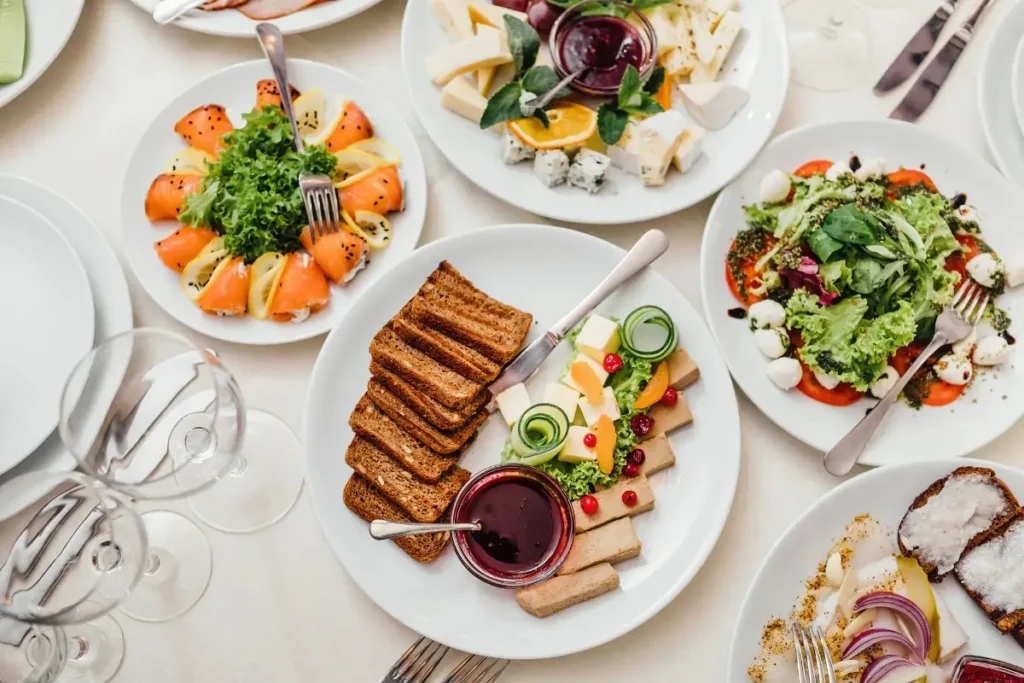
Here’s the complete plan. It’s built around gentle, gut-friendly foods and designed to reduce gas, support beneficial bacteria, and calm intestinal inflammation over seven days. You’re not going to starve. You’re going to eat real food — just with a little more intention behind it.
A note before you start: this plan is low-FODMAP friendly, dairy-light, gluten-free, and free from the most common bloating triggers. If a specific food bothers you that’s listed here, leave it out — your personal triggers matter more than any general guideline.
Day 1 — Monday: Reset
Breakfast: Warm lemon water on waking. Oatmeal made with almond milk, topped with half a ripe banana and a teaspoon of ground ginger.
Lunch: Grilled chicken breast over romaine lettuce with sliced cucumber, cherry tomatoes, and a simple olive oil and lemon dressing. Rice cakes on the side.
Dinner: Baked salmon with steamed zucchini, carrots, and brown rice. Season with turmeric and a little sea salt.
Drinks: Ginger tea after meals. Plenty of still water throughout the day.
Why Day 1 works: You’re eliminating the biggest triggers immediately — gluten, dairy, legumes, and carbonation — while feeding your gut with ginger, lemon, and easily digestible whole foods.
Day 2 — Tuesday: Hydration and Enzymes
Breakfast: Papaya and pineapple fruit bowl with a squeeze of lime. A cup of green tea.
Lunch: Rice noodle bowl with poached shrimp, shredded carrots, cucumber ribbons, fresh mint, and a rice vinegar and sesame oil dressing.
Dinner: Ginger-turmeric chicken soup — low-sodium broth, shredded chicken, bok choy, ginger slices, green onion tops only (not the bulb), and rice noodles.
Snack: A small handful of pumpkin seeds or a rice cake with almond butter.
Evening: Peppermint tea.
Day 3 — Wednesday: Probiotic Push
Breakfast: Lactose-free or coconut yogurt (with live active cultures) topped with a small amount of kiwi and a sprinkle of oats.
Lunch: Turkey and avocado lettuce wraps — romaine leaves filled with sliced turkey breast, thin avocado slices, cucumber, and a smear of Dijon mustard.
Dinner: Baked cod with roasted fennel, cherry tomatoes, and a small portion of quinoa. Drizzle with olive oil and lemon.
Snack: Sliced cucumber with a few tablespoons of hummus (small portion only — chickpeas in large amounts can trigger gas).
Evening: Fennel seed tea — steep a teaspoon of fennel seeds in hot water for 10 minutes.
Day 4 — Thursday: Gut Rest Day
Breakfast: Warm oatmeal with almond milk, a drizzle of pure maple syrup, a pinch of cinnamon, and sliced ripe banana.
Lunch: Miso soup (low-sodium) with silken tofu, seaweed, and a few drops of sesame oil. A side of steamed edamame (small portion).
Dinner: Stir-fried rice with scrambled eggs, diced bell peppers, shredded carrots, a small amount of green onion tops, tamari sauce, and ginger.
Note: Day 4 is intentionally simpler. Giving your digestive system slightly lighter, easier-to-process meals mid-week helps reduce cumulative gut stress.
Day 5 — Friday: Fiber Balance
Breakfast: Two scrambled eggs cooked in coconut oil with sautéed spinach and sliced tomato.
Lunch: Large mixed salad with grilled chicken, roasted beets, arugula, pumpkin seeds, and a lemon-olive oil dressing. Skip the croutons.
Dinner: Baked sweet potato topped with a small portion of black beans (well-rinsed and cooked thoroughly), a dollop of plain lactose-free sour cream or avocado, and fresh chives.
Snack: A few slices of papaya or a small bowl of berries.
Evening: Warm ginger and lemon tea.
Day 6 — Saturday: Anti-Inflammatory Focus
Breakfast: Smoothie — blend frozen pineapple, half a banana, fresh ginger (about half an inch), a cup of coconut water, and a handful of spinach. No dairy, no added sugar.
Lunch: Grilled salmon salad — salmon over arugula and watercress with roasted asparagus, sliced cucumber, and an olive oil and apple cider vinegar dressing.
Dinner: Turkey meatballs (egg, almond flour, herbs, and ground turkey) over zucchini noodles with a simple tomato sauce — crushed tomatoes, garlic-infused olive oil (strain out the garlic solids if FODMAP-sensitive), basil, and sea salt.
Evening: Chamomile tea, which has gentle antispasmodic properties and helps relax the gut overnight.
Day 7 — Sunday: Consolidate and Plan Ahead
Breakfast: Warm lemon water. Oatmeal topped with kiwi slices (kiwi contains actinidin, an enzyme that specifically aids protein digestion), hemp seeds, and a drizzle of honey.
Lunch: Leftover turkey meatballs over a bed of mixed greens. Simple and satisfying.
Dinner: Herb-roasted chicken thighs with roasted asparagus, carrots, and a small baked potato. Season generously.
Reflection: By Day 7, most people following this plan consistently notice a measurable reduction in bloating — particularly the afternoon and evening distension that’s so common. Use Sunday to meal prep for the following week and lock in the habits that felt best.
Daily Habits That Reduce Bloating (Beyond What You Eat)
Food is the biggest lever, but it’s not the only one. These daily habits work alongside your diet to keep bloating from creeping back.
- Eat slowly and chew thoroughly — aim for at least 20 chews per bite; this sounds obsessive until you try it and realize how fast you were inhaling food before
- Don’t eat on the run — your digestive system is not designed to function optimally when your nervous system is in fight-or-flight mode; even five minutes of calm before eating makes a difference
- Walk after meals — a 10–15 minute gentle walk after eating accelerates gastric emptying and significantly reduces post-meal bloating; this is one of the most underrated habits in gut health
- Drink water between meals, not during — large amounts of water with food can dilute digestive enzymes; sip slowly during meals rather than gulping large amounts
- Manage stress actively — yoga, meditation, breathwork, or even just a daily walk; cortisol directly disrupts gut motility and increases intestinal permeability
- Sleep on your left side — this positioning supports the natural flow of waste through the large intestine and reduces overnight bloating
- Avoid lying down immediately after eating — wait at least 2 hours; horizontal positioning slows digestion and increases gas pressure
- Stay regular — constipation is one of the most common causes of persistent bloating; adequate fiber, hydration, and movement are the three pillars of regularity
Quick Bloating Relief Tips for When You Need Help Now
Sometimes you need relief in the next hour, not the next seven days. These work fast.
- Peppermint tea — one of the fastest-acting natural remedies for gas and cramping; the menthol content directly relaxes intestinal smooth muscle
- Gentle abdominal massage — using circular clockwise motions (following the direction of your colon) for 5–10 minutes can physically help move trapped gas through the digestive tract
- Child’s pose or knees-to-chest yoga pose — these positions compress the abdomen gently, and help release trapped gas; not glamorous, but genuinely effective
- Activated charcoal capsules — absorb gas-producing compounds in the gut; best taken 1–2 hours after a triggering meal (not alongside medications, as it can absorb those too)
- Simethicone (Gas-X or equivalent) — an over-the-counter option that breaks up gas bubbles; works within 30–60 minutes and is generally well-tolerated
- Warm water with apple cider vinegar — one tablespoon in 8 oz of warm water before meals may stimulate stomach acid production and improve protein digestion
- Ginger chews or fresh ginger tea — works within 20–30 minutes for gas and nausea-related bloating
- Reduce sodium immediately — if you ate something very salty, drink extra water and eat potassium-rich foods (banana, avocado) to counteract water retention
Recommended Products to Support Your Bloating Relief Journey
These are products that genuinely complement the 7-day plan — tools and supplements that can help when food alone needs a little backup.
| Product | Why It Helps | Link |
| Garden of Life RAW Probiotics | High-potency multi-strain probiotic with 100 billion CFU; supports gut microbiome restoration | View on Amazon |
| Heather’s Tummy Teas Organic Fennel | Therapeutic-grade fennel tea specifically formulated for IBS and bloating relief | View on Amazon |
| NOW Foods Digestive Enzymes | Broad-spectrum enzyme blend including protease, lipase, and amylase to support complete digestion | View on Amazon |
| Pure Encapsulations Magnesium Glycinate | Magnesium supports smooth muscle relaxation in the gut and combats constipation-related bloating | View on Amazon |
| Bragg Organic Apple Cider Vinegar | The most widely used ACV brand for digestive support; use diluted in warm water before meals | View on Amazon |
| Physician’s Choice Probiotic 60 Billion CFU | Well-reviewed, shelf-stable probiotic with Lactobacillus acidophilus and Bifidobacterium strains | View on Amazon |
Affiliate disclosure: This post contains affiliate links. If you purchase through these links, we may earn a small commission at no additional cost to you.
FAQ: 7-Day Bloating Relief Diet Plan
Q: How much weight can I expect to lose from reducing bloating in 7 days?
A: This plan isn’t primarily a weight loss protocol, but most people do notice a visible reduction in abdominal distension — sometimes 2–5 pounds of water weight and gas-related bloating can clear within the first week. This isn’t fat loss; it’s your gut finally not being inflamed and waterlogged. That said, many people find that the clean eating approach naturally leads to gradual fat loss over time as well.
Q: Can I drink coffee while following this plan?
A: Black coffee in moderate amounts (1–2 cups) is generally fine and can actually stimulate gut motility. The problem is usually what goes into the coffee — dairy milk (lactose), artificial sweeteners, or flavored syrups. Stick to black coffee or use a small amount of unsweetened almond or oat milk.
Q: What if I’m vegetarian or vegan — can I follow this 7-day plan?
A: Yes, with adjustments. Replace the chicken and fish with tofu, tempeh (fermented, so actually gut-friendly), eggs if you eat them, or additional legumes. If legumes are a trigger for you, focus on well-cooked lentils (which tend to be gentler than whole beans) and complement with plant-based protein powders that use easily digestible sources like rice or pea protein.
Q: Is it normal for bloating to get slightly worse before it gets better?
A: Yes — this can happen in the first 2–3 days, particularly if you’re increasing your intake of prebiotic foods (oats, asparagus, bananas) that feed gut bacteria. This is a sign your microbiome is adjusting, and it typically resolves by Day 3–4. If it’s severe or accompanied by pain, that’s worth discussing with a doctor.
Q: Should I cut out all fiber to reduce bloating?
A: No — and this is a common mistake. Cutting fiber entirely typically makes bloating worse over time because it leads to constipation and a less diverse gut microbiome. The goal is to choose the right kinds of fiber: soluble fiber (oats, bananas, carrots) is generally well-tolerated, while certain insoluble fibers and high-FODMAP foods are the more likely culprits.
Q: Is daily bloating a sign of something more serious?
A: Occasional bloating is completely normal. Daily or severe bloating — especially if accompanied by significant pain, unexplained weight loss, blood in stools, or persistent changes in bowel habits — warrants a conversation with your doctor. Conditions like IBS, SIBO (small intestinal bacterial overgrowth), celiac disease, and inflammatory bowel disease can all present with chronic bloating and need proper diagnosis.
Q: Can I repeat this 7-day plan or do it monthly?
A: Absolutely. Many people do a modified version of this plan whenever they’ve had a period of eating poorly, traveling, or dealing with extra stress. Think of it less as a “cleanse” and more as a digestive reset — it’s gentle enough to repeat as often as needed.
Take Action Today — Your Gut Will Thank You
If you’ve read this far, you already know what to do. The information is here. The plan is here. The only question is whether you actually start.
Pick up a few basics at the store today: ginger, fennel, oats, salmon, leafy greens, and a good probiotic yogurt. Make tomorrow’s breakfast the overnight oats from Day 1. Brew a cup of peppermint tea tonight.
You don’t have to do it perfectly. You just have to start. And seven days from now — seven consistent, intentional days — there’s a very real chance you’ll be looking in the mirror at a flatter, more comfortable stomach and wondering why you didn’t do this sooner.
Your gut is more responsive than you think. Give it the right inputs, and it will work with you, not against you. Start the plan tomorrow. Pin this page so you can come back to it. And if it helps you — share it with someone else who’s been quietly suffering through the same thing.
Because nobody should have to unbutton their jeans at the dinner table for the rest of their life.
This content is for informational purposes only and does not constitute medical advice. If you have a diagnosed digestive condition or are experiencing severe or persistent symptoms, please consult a qualified healthcare provider before making significant dietary changes.
Leave a Reply