
Health & Fitness

7-Day Cutting Diet Plan for Women (Meal Plan + Tips)

7-Day Cutting Diet Plan for Women

7-day cutting diet plan for women — I know exactly why you’re here, because I’ve typed those exact words myself. It was after months of lifting consistently, eating “pretty healthy,” and still not seeing the definition I was working toward. I felt strong. I just didn’t look at it.

That’s the thing about cutting that nobody really explains upfront: it’s not about eating less and working more until you break. It’s a precision game. You’re trying to drop body fat while holding onto the muscle you’ve built — and that requires a very specific approach, especially for women, whose hormones, body composition, and caloric needs are genuinely different from men’s.

This guide is for you if you’ve been training for a while and want to lean out. If you’re brand new to fitness and just want to lose weight, you’ll still find value here — but know that a cutting phase works best when there’s some muscle underneath to reveal. Either way, let’s talk about how to do this the right way, without starving yourself, without destroying your metabolism, and without losing the results you’ve already worked hard for.


What Is a Cutting Diet — And Is It Right for You?

A cutting diet is a structured period of eating in a caloric deficit — consuming fewer calories than you burn — with the specific goal of reducing body fat while preserving lean muscle mass. It’s the dietary opposite of a “bulking” phase, where you eat in a surplus to support muscle growth.

Here’s why cutting requires strategy, not just willpower:

When you drastically slash calories, your body doesn’t just burn fat. It also breaks down muscle for energy — which is the last thing you want if you’ve spent months building strength. A properly structured cutting diet threads that needle: enough of a deficit to lose fat, enough protein to protect muscle, and enough nutrients to keep your hormones, energy, and performance intact.

For women specifically, cutting comes with additional considerations. Estrogen plays a role in how your body stores and releases fat. Your caloric needs shift throughout your menstrual cycle. And aggressive deficits can disrupt everything from your sleep to your mood to your cycle itself. This isn’t meant to be discouraging — it’s meant to help you cut smarter, not harder.

A 7-day cutting plan is a starting framework. It won’t produce dramatic results in one week (anyone who tells you otherwise is selling something), but it will establish the patterns, food choices, and habits that produce real, sustainable results over 6–12 weeks.


The Real Benefits of a Cutting Phase (Beyond Looking Good)

Yes, the visual goal is valid. But a well-executed cutting diet delivers more than aesthetics.

Improved insulin sensitivity — reducing body fat, particularly visceral fat around the midsection, improves how your body processes glucose and responds to insulin. This has significant long-term health implications.

More muscle definition — this is the one most people are after. Dropping even 5–10 pounds of fat can dramatically reveal the muscle underneath, especially in the arms, shoulders, and core.

Better athletic performance — carrying less excess body fat improves your power-to-weight ratio, which means faster runs, cleaner lifts, and more efficient movement patterns.

Metabolic clarity — many women find that a short, structured cut helps them understand their actual maintenance calories, hunger cues, and how different foods affect their energy levels. It’s essentially a reset.

Mental reset — eating with intention for a defined period of time has a way of breaking unconscious habits: the handful of chips here, the extra glass of wine there, the late-night snacking that adds up quietly.

One caveat worth noting: a cutting phase isn’t appropriate if you’re pregnant, breastfeeding, recovering from an eating disorder, or dealing with significant hormonal disruption. In any of those situations, please work directly with a registered dietitian.


Nutrition Guidelines: The Numbers That Actually Matter

Before we get to the meal plan, you need to understand the nutritional framework it’s built on. This isn’t optional reading — these numbers are what make the difference between a cutting diet that works and one that just makes you miserable.

Caloric Deficit

A sustainable cutting deficit for women is typically 300–500 calories below your Total Daily Energy Expenditure (TDEE). Any more than that and you risk muscle loss, hormonal disruption, and the kind of fatigue that derails your workouts.

To estimate your TDEE, use a reliable calculator (search “TDEE calculator”) and input your height, weight, age, and activity level. Then subtract 300–500 from that number. For most active women, this lands somewhere between 1,400–1,800 calories per day, depending on size and activity.

Protein — Your Most Important Macro

During a cut, protein is non-negotiable. Aim for 0.8–1 gram of protein per pound of body weight daily. So if you weigh 140 pounds, you’re targeting 112–140 grams of protein every day. This sounds like a lot if you’re not used to tracking, but it becomes easier once you structure your meals around protein first.

High-protein foods to prioritize:

  • Chicken breast, turkey, and lean ground beef
  • Eggs and egg whites
  • Greek yogurt (plain, full-fat or 2%)
  • Cottage cheese
  • Salmon, tuna, and shrimp
  • Tofu and edamame
  • Whey or plant-based protein powder

Carbohydrates

Carbs are not the enemy on a cutting diet — but the type and timing matter. Focus on complex, fiber-rich carbohydrates that digest slowly and keep blood sugar stable. Think oats, sweet potatoes, quinoa, brown rice, and lots of vegetables.

Target roughly 30–40% of your calories from carbohydrates, with the majority timed around your workouts when your body can use them most efficiently.

Fats

Don’t cut fat too low. Women need dietary fat for hormone production, brain function, and fat-soluble vitamin absorption. Aim for 25–35% of calories from healthy fats — olive oil, avocado, nuts, seeds, and fatty fish.

Hydration

Drink a minimum of 8–10 cups (64–80 oz) of water daily, more on training days. Proper hydration supports fat metabolism, reduces water retention, and keeps hunger at bay. Many women mistake dehydration for hunger — a glass of water before meals is one of the easiest appetite-management tools there is.


7-Day Cutting Diet Plan for Women — Full Meal Plan

Each day in this plan is structured around approximately 1,500–1,600 calories with high protein (120–130g), moderate carbs, and healthy fats. Adjust portions up or down based on your specific TDEE calculation.


Day 1 — Monday

Breakfast: 3 scrambled eggs + 1 cup sautéed spinach in olive oil + ½ cup oats with cinnamon
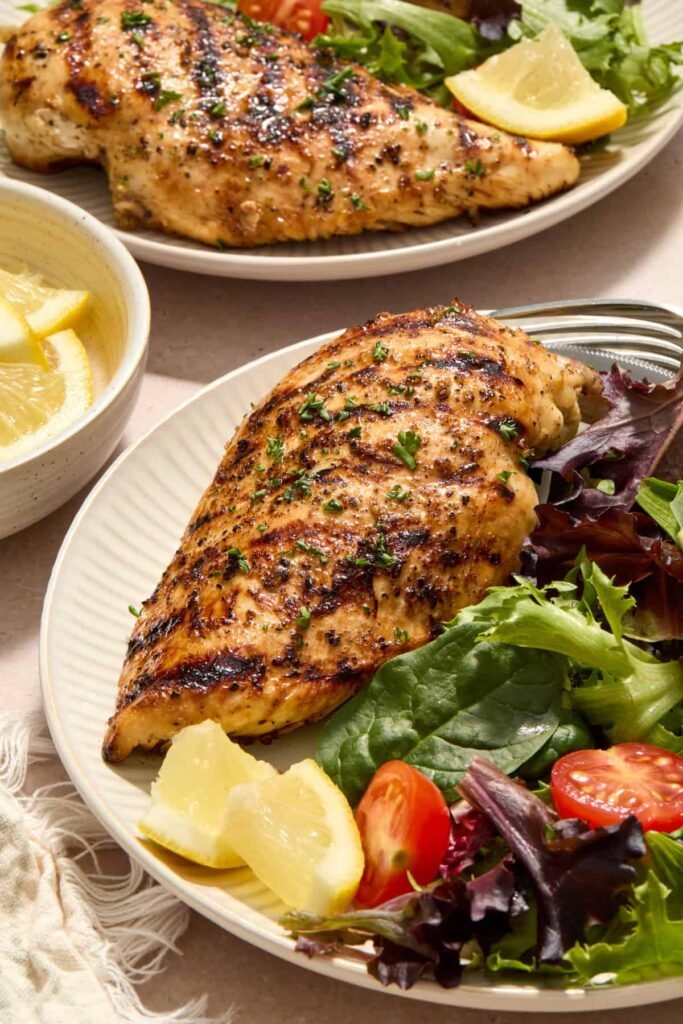
 Lunch: Grilled chicken breast (5 oz) over a large mixed green salad with cherry tomatoes, cucumber, and 2 tbsp olive oil and lemon dressing 

Snack: 1 cup plain Greek yogurt + ½ cup blueberries 

Dinner: Baked salmon (5 oz) + 1 cup roasted broccoli + ½ cup cooked quinoa

 Calories ~: 1,530 | Protein ~: 128g


Day 2 — Tuesday

Breakfast: Protein smoothie — 1 scoop whey protein, 1 cup unsweetened almond milk, ½ frozen banana, 1 tbsp almond butter, handful of spinach

 Lunch: Turkey and avocado lettuce wraps (4 oz lean ground turkey, ¼ avocado, salsa, in romaine leaves)

 Snack: 1 oz almonds + 1 hard-boiled egg 

Dinner: Stir-fried shrimp (5 oz) with bok choy, snap peas, garlic, and ginger over ½ cup brown rice

Calories ~: 1,510 | Protein ~: 125g


Day 3 — Wednesday

Breakfast: 2 eggs + 3 egg whites scrambled + ½ cup cottage cheese on the side + sliced tomato 
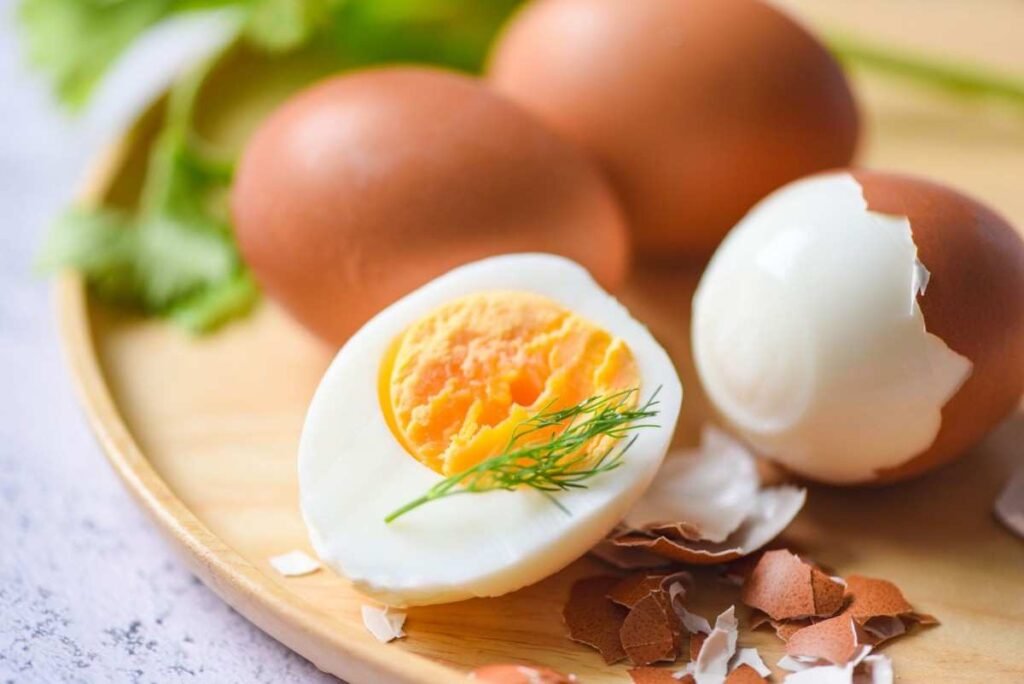
Lunch: Tuna (canned in water, 5 oz) mixed with celery, Dijon mustard, and a squeeze of lemon — served over a bed of arugula with whole grain crackers (8–10) 

Snack: Apple + 2 tbsp almond butter 

Dinner: Lean ground beef (4 oz) taco bowl — brown rice, black beans (¼ cup), shredded cabbage, salsa, lime 

Calories ~: 1,540 | Protein ~: 122g


Day 4 — Thursday (Higher Carb — Training Day)

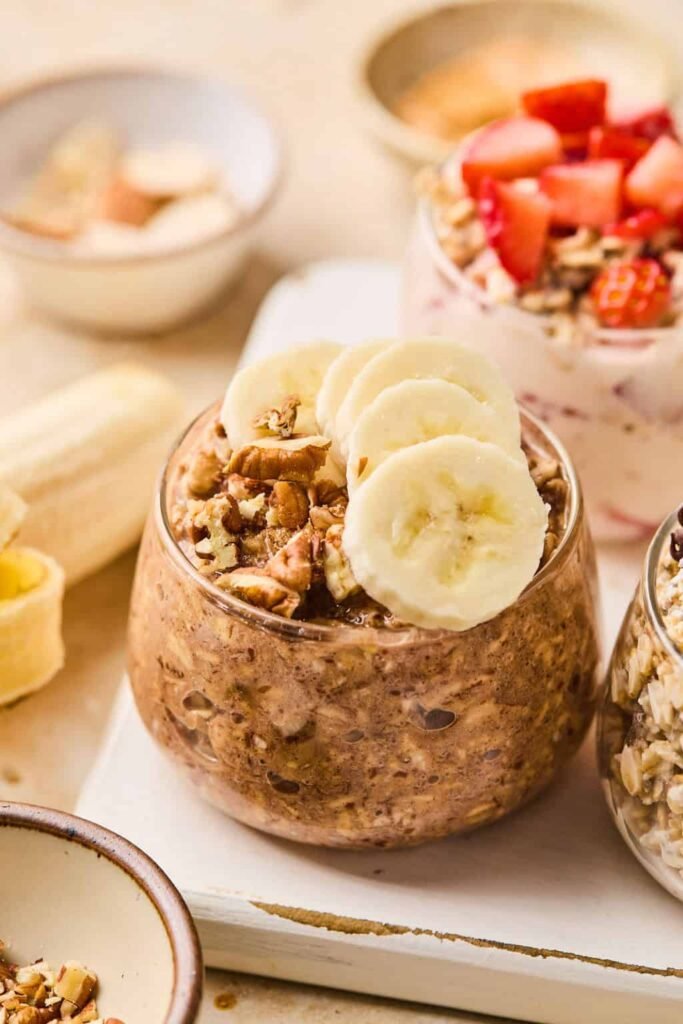
Breakfast: 1 cup oats cooked in water + 1 scoop protein powder stirred in + ½ banana + 1 tbsp chia seeds
 Lunch: Grilled chicken (5 oz) + 1 medium sweet potato + side salad with olive oil dressing 

Snack: Rice cake + 2 tbsp peanut butter 

Dinner: Baked cod (5 oz) + roasted asparagus + ½ cup quinoa

 Calories ~: 1,620 | Protein ~: 130g

Thursday is your highest-carb day intentionally — fuel your best workout of the week.


Day 5 — Friday

Breakfast: 2-egg omelette with mushrooms, spinach, and 1 oz feta cheese 

Lunch: Meal-prepped chicken bowl — chicken breast (5 oz), roasted vegetables, ½ cup chickpeas, tahini drizzle

Snack: 1 cup Greek yogurt + 1 tbsp hemp seeds 

Dinner: Turkey meatballs (made with lean ground turkey, egg, garlic, herbs) + zucchini noodles + tomato sauce 

Calories ~: 1,500 | Protein ~: 126g


Day 6 — Saturday

Breakfast: Protein pancakes — 1 scoop protein powder, 1 banana, 2 eggs, blended and cooked in coconut oil spray. Top with fresh berries. 
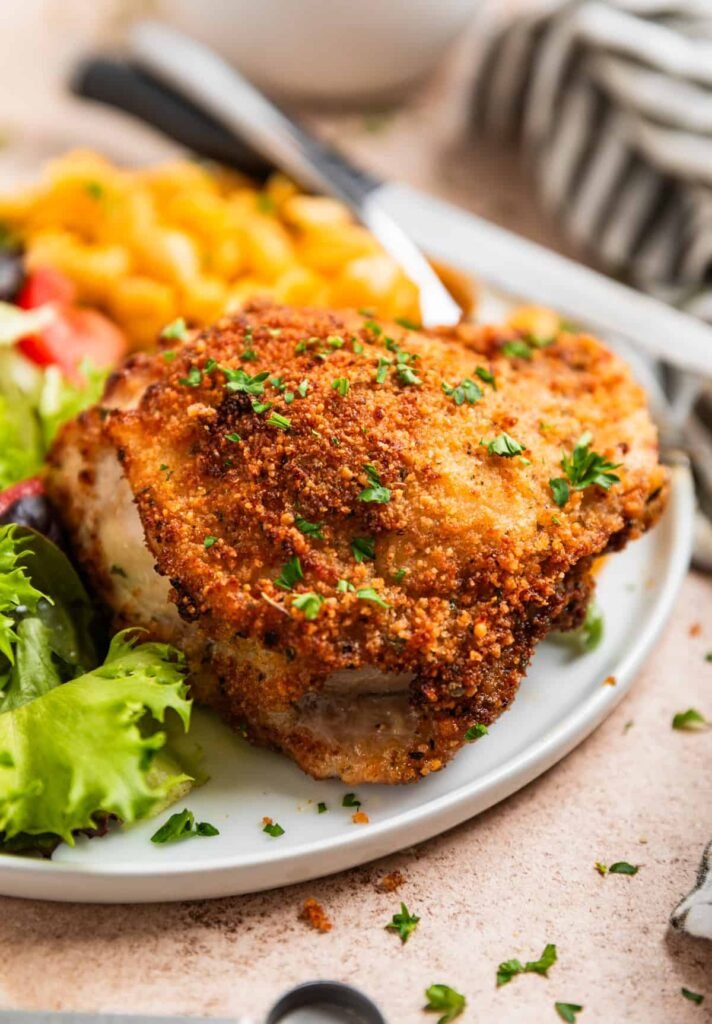
Lunch: Shrimp Caesar salad (no croutons) — 5 oz shrimp, romaine, parmesan, light Caesar dressing

Snack: Hard-boiled egg + handful of cherry tomatoes 

Dinner: Baked chicken thighs (skinless, 5 oz) + roasted Brussels sprouts + small baked sweet potato

Calories ~: 1,520 | Protein ~: 128g


Day 7 — Sunday (Meal Prep Day)

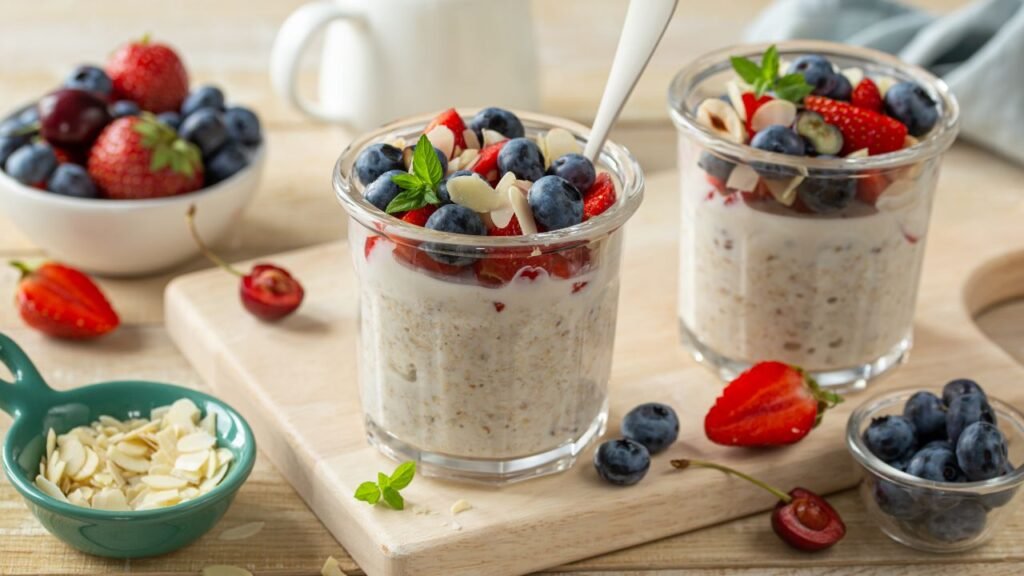
Breakfast: Overnight oats — ½ cup oats, 1 tbsp chia seeds, 1 cup unsweetened almond milk, ½ cup strawberries. Prepped the night before.
 Lunch: Salmon and avocado rice bowl — 4 oz canned wild salmon, ½ avocado, ½ cup brown rice, cucumber, sesame seeds, low-sodium soy sauce 

Snack: Edamame (½ cup shelled) + sparkling water 

Dinner: Slow-cooker turkey chili (lean ground turkey, kidney beans, diced tomatoes, onion, garlic, cumin, chili powder) — make a big batch and refrigerate portions for the week 

Calories ~: 1,530 | Protein ~: 124g


Workout Advice for Your Cutting Phase

Diet does the heavy lifting during a cut (pun intended), but training keeps your muscles where they belong.

Strength training 3–4x per week is essential: This is the primary signal that tells your body to hold onto muscle even while in a deficit. Compound movements — squats, deadlifts, hip thrusts, rows, presses — should form the backbone of your sessions. Don’t drop the weight just because you’re cutting. Maintain intensity.

Cardio: smart, not excessive. 2–3 sessions of moderate cardio per week is plenty — a 30-minute walk, a cycling class, a steady-state run. High-intensity cardio every day while in a caloric deficit is a fast route to burnout, cortisol elevation, and muscle breakdown.

Don’t skip recovery: Sleep is when your body repairs, regulates hunger hormones (ghrelin and leptin), and manages cortisol. Poor sleep during a cut actively works against fat loss. Aim for 7–9 hours.


Recommended Supplements & Tools

These aren’t requirements, but they’re genuinely useful for staying consistent and hitting your protein targets.

ProductWhy It HelpsLink
Whey Protein Powder (Optimum Nutrition Gold Standard)Easiest way to hit daily protein goals without extra caloriesView on Amazon
Food Scale (Etekcity Digital Kitchen Scale)Portion accuracy is the backbone of any cutting dietView on Amazon
Meal Prep Containers (Prep Naturals Glass Containers)Sunday meal prep becomes infinitely easierView on Amazon
Creatine Monohydrate (Thorne Creatine)Supports muscle retention and strength during a deficit — research is solidView on Amazon
Greens Powder (Athletic Greens / AG1)Fills micronutrient gaps when calories are reducedView on Amazon

Disclosure: Some links above are affiliate links. If you purchase through them, we may earn a small commission at no extra cost to you. We only recommend products we genuinely believe in.


Common Mistakes Women Make on a Cutting Diet

Eating too little: This is the big one. Dropping to 1,000–1,200 calories might seem like it’d speed up fat loss — it actually stalls it. Your body down-regulates metabolism, breaks down muscle for fuel, and cranks up hunger hormones. The result: you feel awful and stop losing fat. A 300–500 calorie deficit is the sweet spot.

Not prioritizing protein: Most women don’t eat enough protein even when they’re not cutting. During a deficit, inadequate protein means muscle loss — which defeats the entire purpose of a cutting phase.

Doing too much cardio: More cardio during a cut feels intuitive. But excessive cardio — especially on top of a significant caloric deficit — elevates cortisol chronically, disrupts sleep, and increases the risk of losing muscle. Moderate cardio with consistent strength training is the winning formula.

Ignoring the scale’s fluctuations: Weight fluctuates by 2–4 pounds daily due to water, glycogen, hormones, and digestion. Weighing yourself once a day and panicking over the number is a trap. Weigh yourself at the same time every morning and look at the weekly average trend instead.

Cutting on the days you should be resting: A cutting diet isn’t about white-knuckling hunger on your couch. You need structured rest days, adequate sleep, and active recovery. Chronic stress and poor sleep are two of the most underrated drivers of fat retention in women.

Cutting for too long: Most experts recommend cutting phases of 6–12 weeks, followed by a period of maintenance or a slight surplus. Extended cuts suppress metabolism, disrupt hormones, and increase muscle loss over time. Plan your cut, do it well, then transition out of it intentionally.


FAQ

Q: How much weight can I expect to lose in 7 days on a cutting diet? 

A: Realistically, 1–2 pounds of actual fat loss is achievable in a week — sometimes a bit more on the scale due to water weight reduction. Don’t chase bigger numbers; they usually mean muscle loss, not fat loss.

Q: Can I do this meal plan if I’m a vegetarian? 

A: Yes. Swap animal proteins for tofu, tempeh, edamame, Greek yogurt, cottage cheese, eggs, and plant-based protein powder. The structure stays the same.

Q: Do I need to count calories?

 A: For at least the first 2–3 weeks, yes — tracking helps you understand where you actually are versus where you think you are. Most people underestimate their intake by 20–30%. After a few weeks of tracking, many people can maintain the deficit intuitively.

Q: What if I’m not losing weight after the first week? 

A: Give it 2–3 weeks before adjusting. If the scale hasn’t moved after 3 weeks of consistent adherence, reduce calories by 100–150 per day and reassess. One week of data isn’t enough to conclude.

Q: Is this safe if I’m over 40?

 A: Yes, with some modifications. Women over 40 may need slightly higher protein (closer to 1g per pound) to offset age-related muscle loss, and recovery time increases. Joint-friendly exercise choices and adequate sleep become even more critical.


Start Your Cut This Monday

Here’s the truth: you don’t need a perfect plan, a new gym membership, or to wait until next month. You need a starting point — and you now have one.

Print this meal plan. Order those meal prep containers. Pick up your protein. And start on Monday, or tomorrow, or today. The first week won’t be flawless. That’s fine. What matters is that you begin, you stay consistent, and you trust the process long enough to let it actually work.

Seven days from now, you’ll have laid the foundation. Twelve weeks from now, you’ll understand exactly why this was worth starting.

You’ve got this.


Always consult a registered dietitian or your physician before making significant changes to your diet, particularly if you have any underlying health conditions or are taking medications.

About the author

jayaprakash

I am a computer science graduate. Started blogging with a passion to help internet users the best I can. Contact Email: jpgurrapu2000@gmail.com

Add Comment

Click here to post a comment