
The 15 best high-fiber low-carb vegetables for the keto diet are probably not the ones you’d guess — and that’s actually good news.
Here’s the thing: fiber is your best friend on keto. It keeps your digestion running, feeds the beneficial bacteria in your gut, helps manage blood sugar, and — crucially — fiber carbs don’t count toward your net carb total. Which means you can eat more of the right vegetables than most people realize.
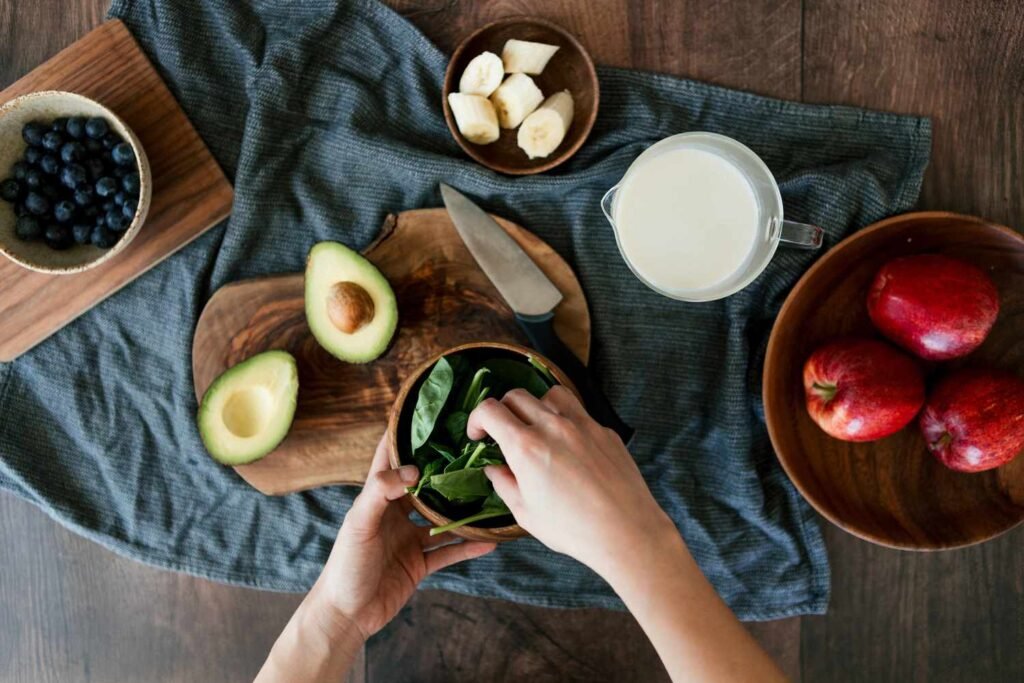
This guide covers the 15 best high-fiber keto vegetables, exactly how many net carbs each one has, why they work, and how to actually use them in your daily meals. Stick around for the comparison table and the keto tips section — both are worth bookmarking.
Table of Contents
What Are Net Carbs
Before we get into the list, this concept is worth nailing down properly because it changes everything about how you shop and eat on keto.
Net carbs = Total carbohydrates − Fiber − Sugar alcohols (if applicable)
Here’s why it matters: dietary fiber is a carbohydrate, but unlike starch or sugar, your body can’t digest it in the small intestine. It passes through largely intact, which means it doesn’t raise blood glucose, doesn’t trigger an insulin response, and doesn’t interfere with ketosis. From a metabolic standpoint, fiber carbs are essentially neutral.
15 Best High-Fiber Low-Carb Vegetables for the Keto Diet
Each vegetable below is listed with its approximate values per 100 grams (about 3.5 oz), raw unless noted. Individual variation exists depending on freshness, preparation method, and source.
1. Spinach — The Quiet Overachiever
Net carbs: 1.4g | Fiber: 2.2g | Total carbs: 3.6g
If there were a vegetable MVP for keto, spinach would have a strong case. It’s almost absurdly low in net carbs, high in magnesium (which keto dieters notoriously deplete), and rich in vitamin K, iron, and folate. You can eat two cups of raw spinach for under 1 gram of net carbs. Sauté it in butter, throw it in omelets, blend it in smoothies — it disappears into almost everything. One of the best keto-friendly vegetables, full stop.
2. Avocado — Yes, It Counts
Net carbs: 1.8g | Fiber: 6.7g | Total carbs: 8.5g
Avocado is technically a fruit, but nutritionally it belongs on every high fiber keto vegetables list. The fiber-to-carb ratio is exceptional, and it’s loaded with monounsaturated fats that are exactly what the keto diet is built around. Half a medium avocado gives you about 4–5 grams of fiber for roughly 2 grams of net carbs. It also provides potassium — another mineral keto dieters tend to run low on.
3. Broccoli — The Classic for Good Reason
Net carbs: 4.0g | Fiber: 2.6g | Total carbs: 6.6g
Broccoli shows up on literally every best vegetables for keto diet list, and it earns its place. One cup of cooked broccoli gives you a solid hit of fiber, vitamin C, and sulforaphane — a compound with legitimate anti-inflammatory and even anti-cancer research behind it. Roast it at high heat in olive oil with garlic and salt, and it becomes something genuinely good, not a dietary chore.
4. Cauliflower — The Keto Shapeshifter
Net carbs: 3.0g | Fiber: 2.0g | Total carbs: 5.0g
Cauliflower’s party trick is its ability to become almost anything: mashed “potatoes,” cauliflower rice, pizza crust, even alfredo-style sauce when blended with cream. It’s mild enough to absorb whatever flavors you cook it with, and at 3 grams of net carbs per 100g, it’s one of the most versatile entries on this low-carb vegetables list.
5. Zucchini — Underrated and Underused
Net carbs: 2.1g | Fiber: 1.1g | Total carbs: 3.2g
Zucchini is one of those vegetables that keto beginners often overlook — it doesn’t have the name recognition of broccoli or the trend appeal of avocado. But it’s incredibly versatile: spiralize it into “zoodles” as a pasta replacement, slice it thin on a mandoline and layer it into a keto lasagna, or just roast it until slightly caramelized. It’s mostly water, which makes it filling without being calorie-dense.
6. Kale — Dense Nutrition in Every Bite
Net carbs: 3.6g | Fiber: 3.6g | Total carbs: 7.2g
Kale is a nutritional powerhouse in a way that feels almost unfair to other vegetables. It’s got more vitamin C than an orange, more calcium per calorie than milk, and the fiber content is excellent for a leafy green. Raw kale can be tough and bitter — massage it with olive oil for a few minutes and it transforms completely. Or roast it into chips: oil, salt, 375°F oven, 10–12 minutes. Genuinely good.
7. Cabbage — The Budget Keto Hero
Net carbs: 3.3g | Fiber: 2.5g | Total carbs: 5.8g
Cabbage is one of the most underappreciated high-fiber, low-carb foods in the entire keto ecosystem. It’s cheap, widely available, stores well, and can be cooked in a dozen different ways: stir-fried, braised, fermented into sauerkraut (which adds probiotics), or eaten raw in slaws. Half a head of green cabbage cooked down in butter with caraway seeds is one of the most satisfying things you can make on keto.
8. Brussels Sprouts — Better Than Their Reputation
Net carbs: 5.2g | Fiber: 3.8g | Total carbs: 9.0g
Brussels sprouts sit a little higher on the net carb scale, so portion control matters here — but the fiber content justifies them absolutely. The key is the cooking method: roast them at high heat (425°F) until the outer leaves are dark and crispy. That’s when they go from boiled-vegetable-of-childhood-trauma to something people actually fight over at the dinner table.
9. Asparagus — Elegant and Efficient
Net carbs: 1.8g | Fiber: 2.1g | Total carbs: 3.9g
Asparagus is a genuinely elegant keto vegetable — low in net carbs, decent fiber, and rich in folate, vitamin K, and the prebiotic inulin, which feeds beneficial gut bacteria. Roast it, grill it, or wrap it in prosciutto and pan-sear it until the fat renders and crisps. Pairs beautifully with salmon or a simple soft-boiled egg.
10. Bell Peppers (Green) — Go Green for Lower Carbs
Net carbs: 2.9g | Fiber: 1.7g | Total carbs: 4.6g
Here’s a small but important detail: green bell peppers have fewer net carbs than red, yellow, or orange varieties (which can run 4–6g net carbs). Green peppers are technically unripe, which means less sugar has developed. They’re excellent raw for dipping in guacamole, stuffed with ground meat and cheese, or sliced into stir-fries.
11. Celery — The Snacking Workhorse
Net carbs: 1.4g | Fiber: 1.6g | Total carbs: 3.0g
Celery is one of the best keto-friendly vegetables for snacking because it’s nearly free in net carbs, gives you something satisfying to crunch on, and pairs perfectly with almond butter or cream cheese. It’s also got a surprising amount of vitamin K and a compound called apigenin, which has been studied for its anti-inflammatory properties.
12. Cucumber — Cool, Crisp, and Keto-Friendly
Net carbs: 2.2g | Fiber: 0.7g | Total carbs: 2.9g
Cucumber is mostly water (about 95%), which makes it hydrating and very filling for very few carbs. The fiber isn’t as high as others on this list, but its near-zero net carb count makes it a reliable snacking vegetable. Slice it into a salad, use it as a dipper instead of crackers, or layer it with salmon and cream cheese for a quick keto appetizer.
13. Swiss Chard — The Mineral Powerhouse
Net carbs: 1.8g | Fiber: 1.6g | Total carbs: 3.4g
Swiss chard is one of those vegetables that serious keto dieters eventually discover and then can’t believe they ignored for so long. It’s high in magnesium, potassium, and vitamin K — three nutrients that keto specifically depletes through electrolyte loss. Sauté it in olive oil with garlic and a pinch of red pepper flakes. Done in five minutes, genuinely excellent.
14. Artichoke Hearts — Fiber Royalty
Net carbs: 4.8g | Fiber: 5.4g | Total carbs: 10.2g
Artichoke hearts have the highest fiber content on this list, gram for gram. The net carbs are manageable if portions are reasonable (half a cup of canned artichoke hearts is very usable), and the fiber is predominantly inulin — one of the best prebiotic fibers for gut microbiome diversity. Toss them with olive oil, garlic, and parmesan and roast until golden.
15. Mushrooms — Low Carb, High Umami
Net carbs: 2.3g | Fiber: 1.0g | Total carbs: 3.3g
Mushrooms aren’t technically a vegetable — they’re fungi — but they earn their spot on this list for the same reasons they earn a spot on every keto plate: low carbs, satisfying umami flavor, and a meaty texture that fills a real gap when you’re not eating pasta or bread. Button, cremini, portobello, shiitake — all are keto-friendly. Roast them whole at high heat, or slice and sauté in butter until every bit of moisture has cooked off and the edges are golden.
Comparison Table: High-Fiber Low-Carb Vegetables at a Glance
Values per 100g (approx. 3.5 oz), raw
| Vegetable | Total Carbs | Fiber | Net Carbs | Best For | Buy on Amazon |
| Spinach | 3.6g | 2.2g | 1.4g | Salads, sautés, smoothies | View on Amazon |
| Avocado | 8.5g | 6.7g | 1.8g | Fat source, dips, salads | View on Amazon |
| Broccoli | 6.6g | 2.6g | 4.0g | Roasting, stir-fries | View on Amazon |
| Cauliflower | 5.0g | 2.0g | 3.0g | Rice, mash, pizza crust | View on Amazon |
| Zucchini | 3.2g | 1.1g | 2.1g | Zoodles, roasting, lasagna | View on Amazon |
| Kale | 7.2g | 3.6g | 3.6g | Chips, salads, sautés | View on Amazon |
| Cabbage | 5.8g | 2.5g | 3.3g | Slaws, stir-fries, sauerkraut | View on Amazon |
| Brussels Sprouts | 9.0g | 3.8g | 5.2g | Roasting, sautéing | View on Amazon |
| Asparagus | 3.9g | 2.1g | 1.8g | Grilling, roasting | View on Amazon |
| Green Bell Pepper | 4.6g | 1.7g | 2.9g | Stuffed peppers, stir-fries | View on Amazon |
| Celery | 3.0g | 1.6g | 1.4g | Snacking, soups | View on Amazon |
| Cucumber | 2.9g | 0.7g | 2.2g | Salads, snacking | View on Amazon |
| Swiss Chard | 3.4g | 1.6g | 1.8g | Sautéing, soups | View on Amazon |
| Artichoke Hearts | 10.2g | 5.4g | 4.8g | Roasting, dips | View on Amazon |
| Mushrooms | 3.3g | 1.0g | 2.3g | Stir-fries, roasting | View on Amazon |
Leave a Reply