
Most people assume a low calorie breakfast means a sad bowl of plain oats or a single boiled egg staring back at them from a cold plate. The truth? Eating light in the morning doesn’t have to feel like a punishment. With the right combinations, you can hit that sweet spot where your breakfast is under 300–400 calories, genuinely satisfying, and something you actually look forward to.
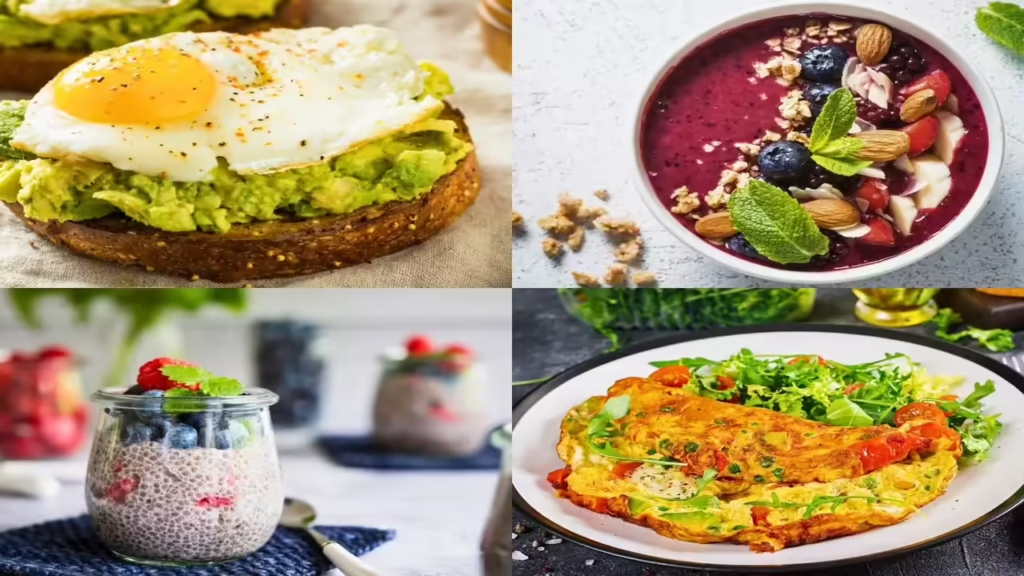
Here are some of the best low calorie breakfast ideas — with a few tips on how to make each one work harder for you.
Table of Contents
1. Greek Yoghurt with Berries and a Drizzle of Honey
~180–220 calories
Plain, full-fat Greek yoghurt is one of those rare foods that feels indulgent but isn’t. It’s high in protein, which helps keep hunger at bay well into the late morning. Pile it with a generous handful of mixed berries — blueberries, raspberries, or strawberries all work beautifully — and a small drizzle of honey to balance the tartness.
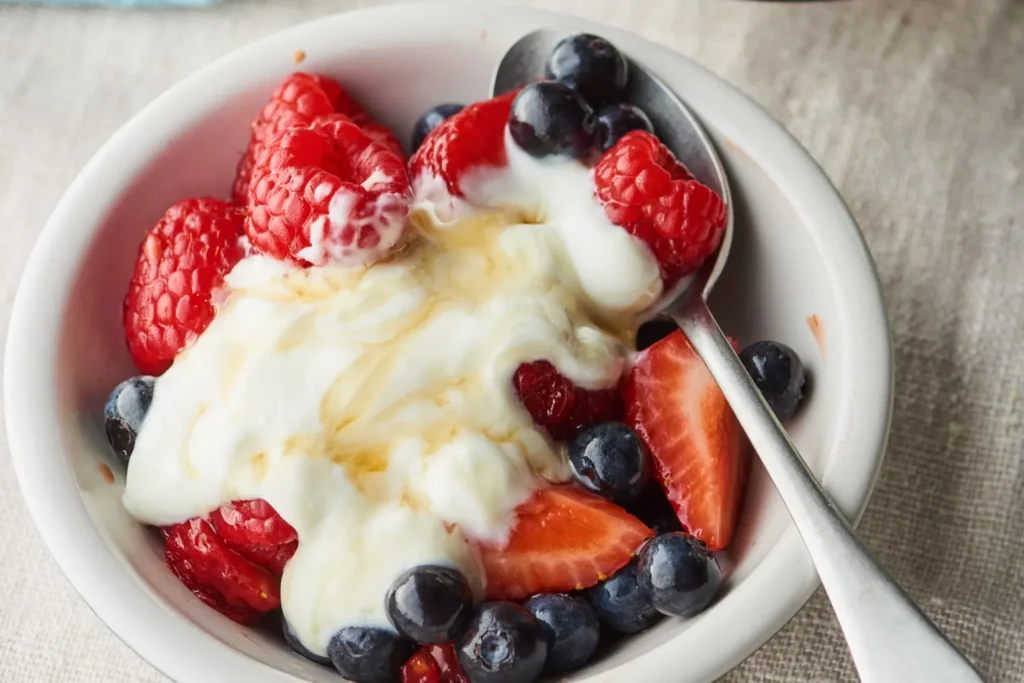
The berries add natural sweetness, antioxidants, and fibre, all for very few calories. Swap the honey for a pinch of cinnamon if you want to cut sugar further.
Pro tip: Go for 0% fat Greek yoghurt if you want to drop the calories even lower, though the full-fat version will keep you fuller for longer.
2. Avocado on Wholegrain Toast
~250–300 calories (1 slice)
A true everyday classic — and for good reason. Half a ripe avocado mashed onto a slice of wholegrain or sourdough toast gives you healthy fats, fibre, and slow-release carbohydrates all in one tidy package.
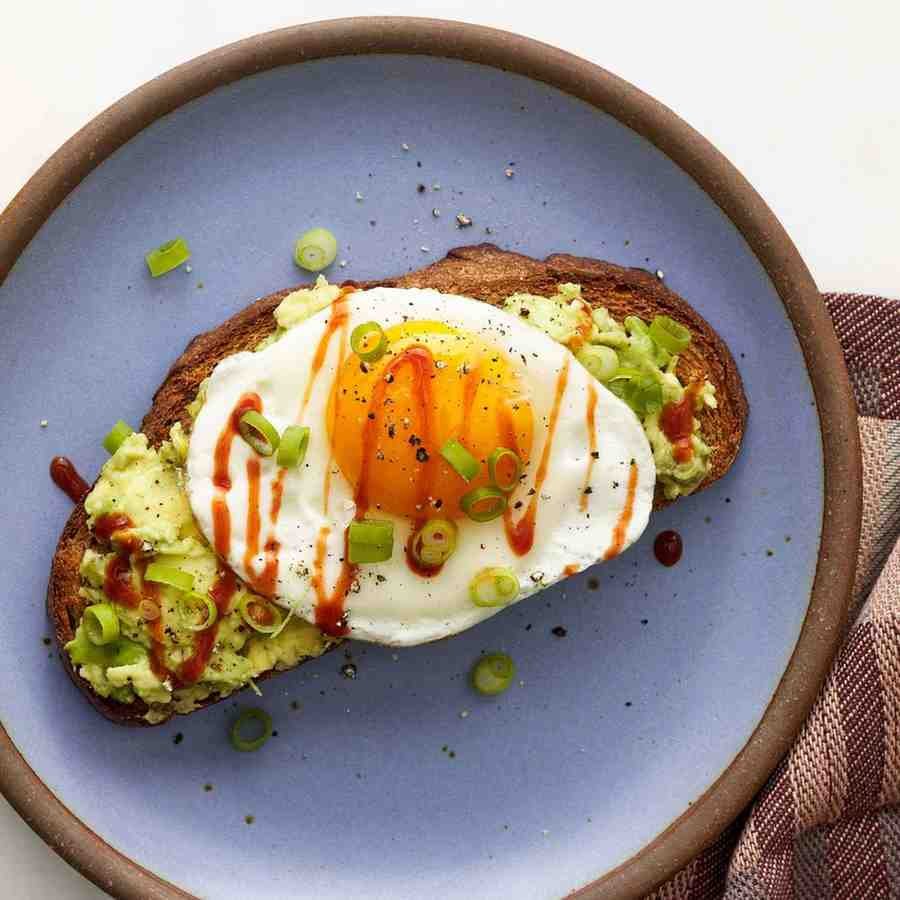
Season it with a squeeze of lemon, flaky sea salt, and a pinch of chilli flakes. Add a poached egg on top and you’re still sitting comfortably under 350 calories with a complete, protein-rich meal.
The fibre from both the avocado and the wholegrain bread makes this one of the most filling low-calorie options available.
3. Overnight Oats
~250–320 calories
If mornings in your house are chaotic, overnight oats are going to change your life. Mix rolled oats with low-fat milk or unsweetened oat milk, a spoonful of chia seeds, and a little vanilla extract the night before. By morning, you have a creamy, ready-to-eat breakfast sitting in the fridge.
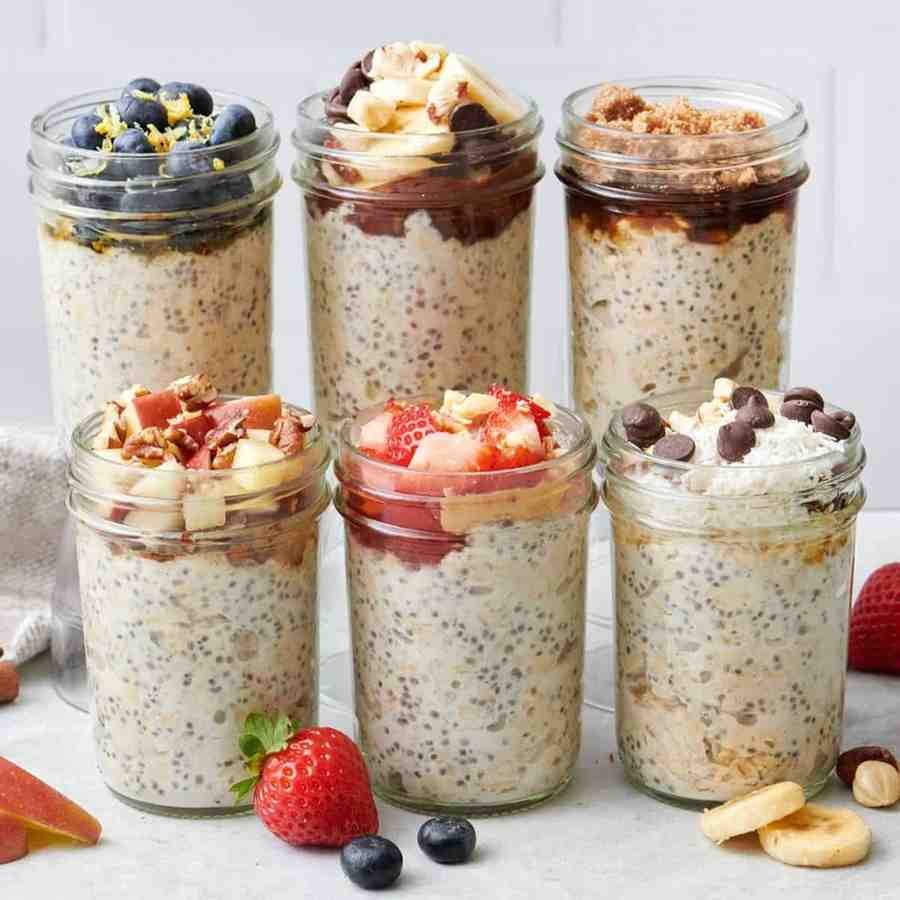
Top with sliced banana or fresh fruit before eating. The chia seeds expand overnight and add a significant fibre and protein boost that most people don’t expect from something this easy to make.
A basic overnight oats base clock in around 250–270 calories, depending on your milk choice — and that’s before you even add the fruit.
4. Egg White Omelette with Spinach and Mushrooms
~150–180 calories
Egg whites are an almost unfairly good food for a diet. They carry all the protein of a whole egg with almost none of the fat or calories. Whisk 3–4 egg whites, pour into a non-stick pan, and fill with a large handful of wilted spinach and sliced mushrooms.

Both spinach and mushrooms are incredibly low in calories but high in volume — meaning your plate looks full and your stomach feels it. Season generously with black pepper, garlic powder, and fresh herbs.
This one is particularly useful if you’re watching calories but doing regular exercise, as the protein supports muscle recovery.
5. Smoothie Bowl
~270–330 calories
The key with smoothie bowls is keeping the base thick and not over-sweetening it. Blend frozen banana, a handful of frozen spinach (you won’t taste it, promise), and a splash of almond milk until smooth and thick — almost like soft-serve ice cream.
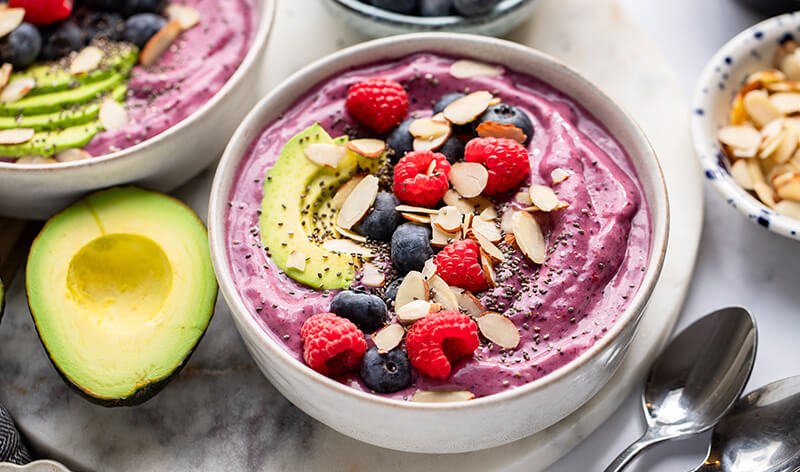
Pour into a bowl and top with granola, sliced kiwi, and a few pumpkin seeds. The toppings add crunch and texture, which makes the whole thing feel far more substantial than a regular smoothie you drink in thirty seconds.
Keep an eye on portion sizes with granola — it can sneak up calorie-wise. Two tablespoons is plenty.
6. Cottage Cheese with Cucumber and Cherry Tomatoes
~130–160 calories
Cottage cheese is one of the most underrated high-protein foods available. A serving contains around 14g of protein and roughly 100–120 calories, making it an exceptional source of nutritional value.
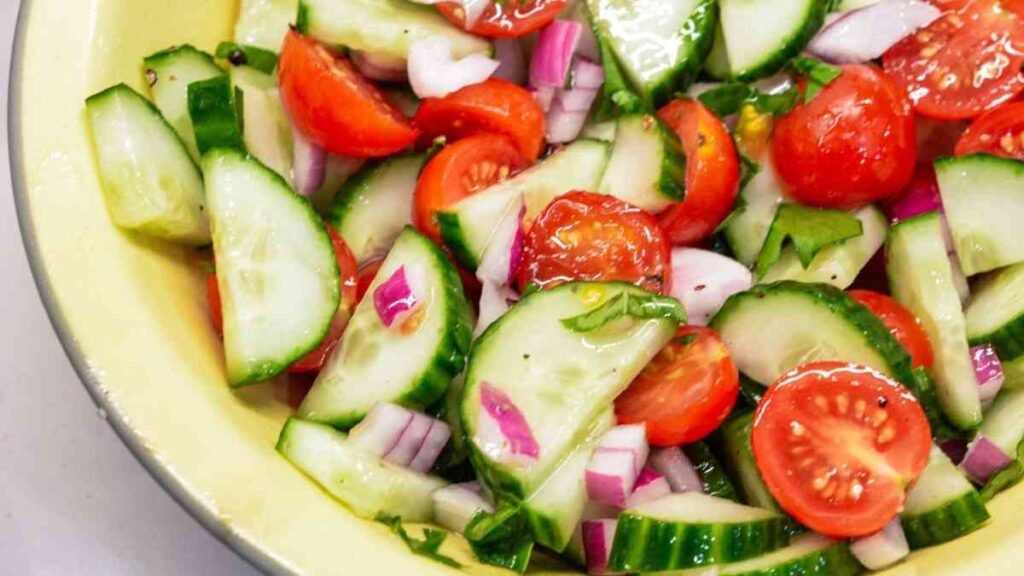
Pair it with sliced cucumber, halved cherry tomatoes, and a few fresh mint leaves. A crack of black pepper and a tiny drizzle of olive oil takes it from bland to genuinely enjoyable. Eat it on wholegrain crackers if you want to add some crunch without going over 200 calories total.
This is also a great option if you tend to feel bloated after eggs in the morning.
7. Chia Seed Pudding
~180–220 calories
Similar in concept to overnight oats, chia pudding is made the evening before by mixing chia seeds with unsweetened almond milk (or any low-calorie milk), a drop of vanilla, and a small amount of maple syrup. Leave it overnight and the seeds absorb the liquid, forming a thick, pudding-like texture.
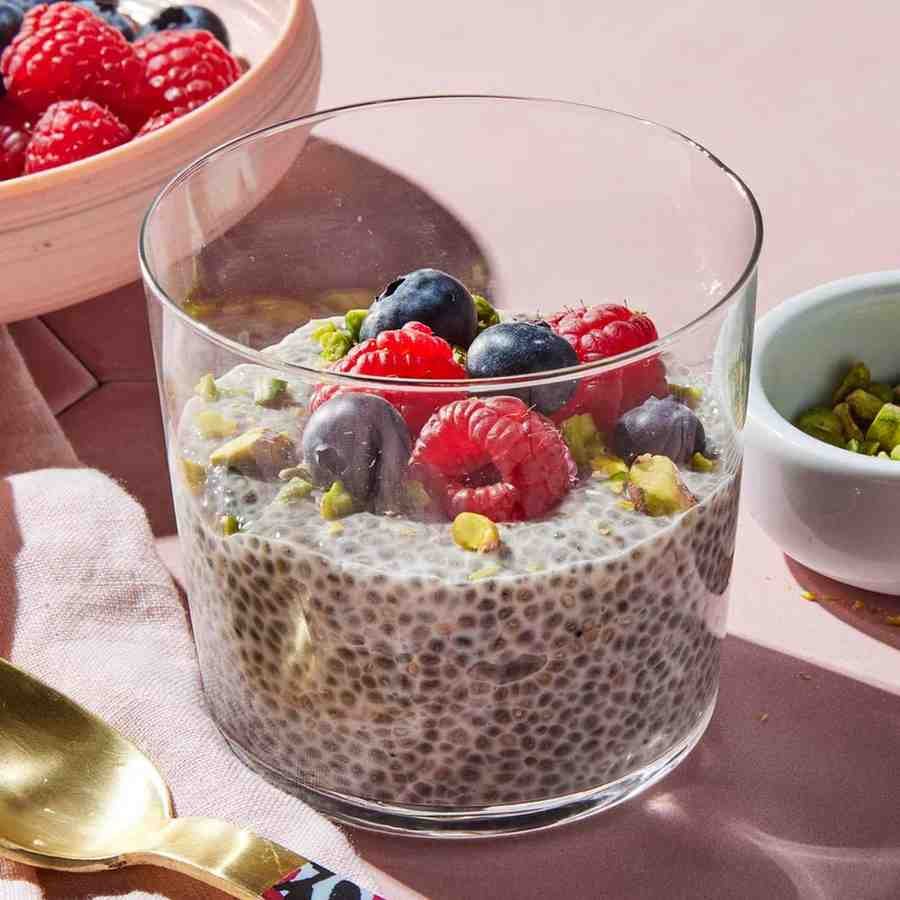
Serve it cold with a topping of sliced mango or mixed berries. Chia seeds are extraordinarily dense in omega-3 fatty acids and fibre for their size, making this one of the most nutritionally well-rounded breakfast options on this list.
8. Rice Cake Stack with Nut Butter and Sliced Banana
~200–240 calories
Two plain rice cakes (roughly 35 calories each), a thin spread of natural peanut or almond butter, and a few slices of banana makes a crunchy, satisfying breakfast that takes under two minutes to prepare.
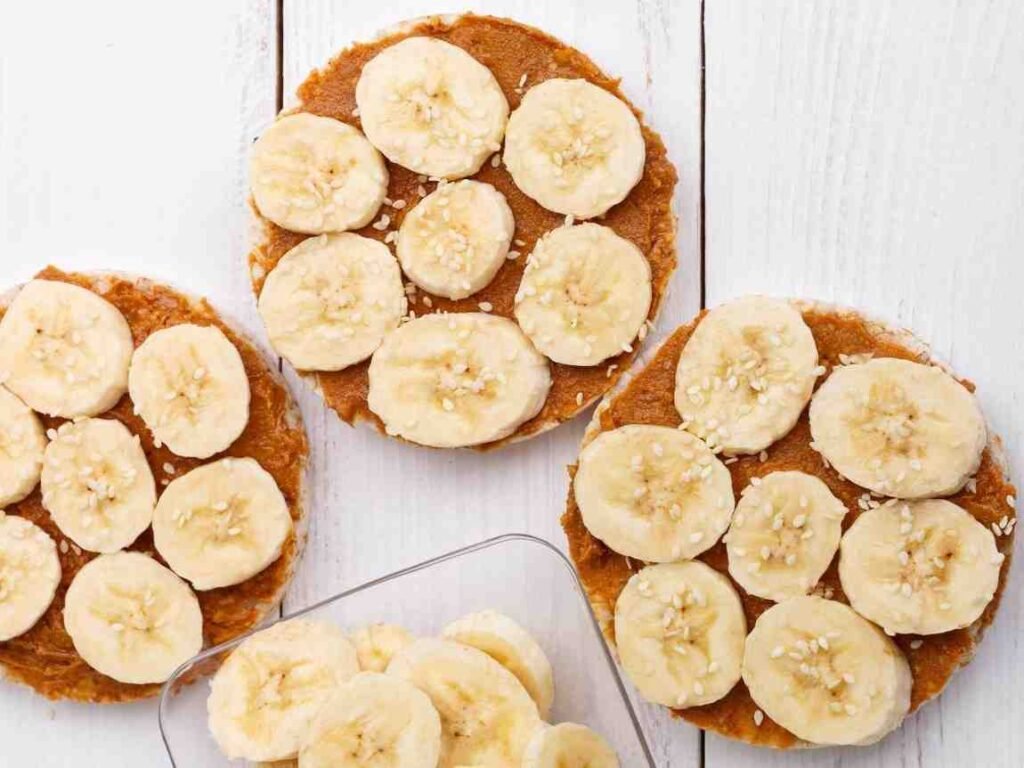
The combination of complex carbohydrates, healthy fat, and fruit sugar gives you a steady energy release — no mid-morning crash. Dust with a little cinnamon to make it feel a touch more special.
Tips for Keeping Breakfast Light Without Feeling Deprived
Prioritise protein. It’s the most filling macronutrient per calorie. Eggs, Greek yoghurt, cottage cheese, and nut butters all deliver protein without a large calorie hit.
Add volume with vegetables. Spinach, mushrooms, cucumber, and tomatoes are almost calorie-free but add bulk and texture to any meal.
Watch liquid calories. A large latte or a glass of orange juice can add 150–200 calories before you’ve taken a single bite. Stick to black coffee, green tea, or water with breakfast if you’re being calorie-conscious.
Meal prep where you can. Overnight oats and chia puddings take five minutes the night before and remove any morning temptation to grab something less healthy.
Don’t skip breakfast. For most people, eating a proper low calorie breakfast actually helps manage total daily calorie intake — rather than “saving” calories by skipping it, which tends to backfire with larger meals later in the day.
Eating light in the morning is genuinely one of the easiest nutritional habits to build, because breakfast is the meal you have the most control over. You’re at home, you have ingredients, and you’re setting the tone for the rest of the day. Pick two or three of the ideas above, rotate them through your week, and see how quickly it starts to feel effortless.
Your future self — at 11am, not hungry, not tired — will thank you.
[…] you’re baking for a family breakfast, a fall gathering, Thanksgiving morning, or simply craving a homemade seasonal treat, these pumpkin […]