
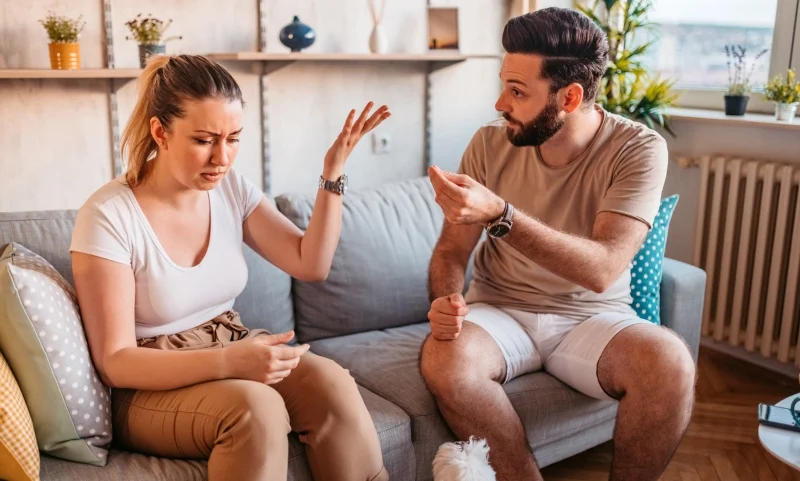
Long-distance relationships (LDRs) often require patience, trust, and emotional effort. When cheating happens, the pain doubles because the distance already magnifies insecurity, overthinking, and emotional loneliness. Many people ask the same burning question: “Should I forgive cheating in a long-distance relationship?”
The truth is—there is no one-size-fits-all answer. Forgiveness is possible, but it depends on the type of cheating, the partner’s guilt, your emotional stability, and whether the relationship is still healthy for your future.
This long-form guide will help you understand why cheating happens in LDRs, signs to watch for, the psychology behind forgiveness, how to reconstruct trust, and when walking away is the better option.
Table of Contents
Why Cheating Happens in Long-Distance Relationships
Emotional gaps, loneliness, or unfulfilled needs are more common than the idea of unkindness in long-distance relationships. Understanding the reason cheating happens will help you determine if the relationship is worth forgiving. In long-distance relationships, infidelity happens the most due to:
1. Emotional Distance
People disengage and start to feel ignored or unheard, or new connections are needed to fill the emotional gaps.
2. Lack of Physical Intimacy
People are drawn to one another and need to be physically close, even if it is not the most significant form of intimacy. Some partners cheat as they struggle with long-distance arrangements.
3. Communication Breakdown
Emotional void leads to dishonesty. Missed calls, unanswered messages, and general misunderstandings. It makes relationships weaker.
4. Neglect/Attention Seeking
Your partner becomes more available and flirty and gives attention if they feel neglected. Friends or coworkers may engage.
5. Insecurity or Jealousy
An already insecure partner may cheat to ‘drama test’ the relationship or ‘feel wanted’.
Understanding the ‘why’ in infidelity is essential. It may not justify, but it greatly helps to determine if you are going to fight for the relationship or not.
Signs of Cheating Over Text (What Your Instinct Is Trying to Tell You)
Catching cheating over text in an LDR is common because texting is the primary mode of communication. If your instincts feel off, these signs may confirm what’s happening:
1. They Suddenly Delete Messages
-
Keeps the phone locked constantly
-
Deletes chats “to save space”
-
Clears history every night
2. Their Messaging Behavior Changes
-
Longer response times
-
Dry or one-word replies
-
Overly defensive when asked about texting habits
3. New “Close Friends” Appear Out of Nowhere
-
Mentions a new coworker or friend too frequently
-
Protects their identity
-
Smiles/downplays conversations about them
4. They Act Annoyed When You Ask for Time
-
Cancels video calls suddenly
-
Makes excuses like “I’m too tired”
-
Becomes irritated when you request small check-ins
5. Emotional Distance Grows
-
Shares less
-
Shows less curiosity
-
Talks to you as if you’re a burden
If several of these patterns align with your partner’s behavior, cheating—or at least emotional detachment—might be happening.
Should You Forgive Cheating in a Long-Distance Relationship?
Forgiving cheating is a deeply personal decision. Not every relationship deserves a second chance, but some situations are repairable.
When Forgiveness May Be Possible
-
The cheating was a one-time mistake
-
Your partner confessed honestly
-
They express deep remorse and take accountability
-
They’re willing to rebuild trust with consistency
-
Both of you still love each other and want the relationship
When Forgiveness Should Not Be Given*
-
They cheated multiple times
-
They blame YOU for their cheating
-
They show zero guilt or empathy
-
They refuse transparency going forward
-
The relationship already had repeated red flags
In LDRs, the emotional strain is high. If cheating becomes a pattern, the relationship might be emotionally unsafe for you.
How to Decide If Forgiving Them Is Right for You
Deciding on emotional pain is tough. Ask yourself the following questions honestly:
1. Do you truly believe they regret it?
Remorse should be shown through:
-
Consistent changed behavior
-
Transparency without defensiveness
-
Effort to repair emotional damage
2. Can you move past the betrayal?
Forgiveness is not just saying “I forgive you,” but also:
-
Releasing resentment
-
Avoid bringing it up every time you fight
-
Allowing emotional closeness again
3. Are you forgiving them because you’re afraid to be alone?
Many people stay in unhealthy relationships due to:
-
Emotional dependency
-
Fear of starting over
-
Hope the partner will magically change
4. What does forgiveness mean for your boundaries?
Decide what you need moving forward:
-
Increased transparency
-
Clear communication rules
-
Regular emotional check-ins
If forgiveness requires sacrificing your dignity or self-worth, it’s not forgiveness—it’s self-harm.
How to Forgive Cheating (If You Choose To)
Forgiveness is not instant. It’s a process that involves communication, boundaries, and healing.
1. Start with an Honest Conversation
Discuss the cheating openly:
-
When did it happen?
-
Why did it happen?
-
How long did it last?
-
What emotions led to it?
2. Set New Boundaries
Establish what’s acceptable moving forward:
-
No secret texting
-
Sharing concerns openly
-
Dedicated time for video calls or communication
3. Transparency Is Non-Negotiable
Your partner must be willing to:
-
Share passwords (if needed temporarily)
-
Rebuild trust step by step
-
Communicate their day honestly
4. Seek Emotional Closure
You may need:
-
A break to process
-
Journaling
-
Talking to a trusted friend
-
Therapy (if the pain is deep)
5. Slowly Rebuild Intimacy
Take your time:
-
Have frequent emotional check-ins
-
Reconnect through shared activities
-
Rebuild romantic energy through calls, dates, or plans
Forgiveness is a journey—not a switch.
How to Rebuild Trust After Cheating in an LDR
Trust is the foundation of a long-distance relationship. After cheating, rebuilding trust requires time, consistency, and emotional effort from BOTH sides.
For Your Partner (Their Responsibility)
-
Show accountability without excuses
-
Be transparent about whereabouts and communication
-
Offer reassurance without being asked
-
Cut off the person they cheated with
-
Demonstrate consistent changed behavior
For You (Your Healing Journey)
-
Express your feelings without guilt
-
Be honest about your triggers
-
Ask for reassurance when needed
-
Observe patterns instead of words
-
Heal at your own pace
For Both of You (Joint Effort)
-
Schedule regular calls
-
Discuss plans seriously
-
Create emotional rituals (good morning texts, nightly check-ins)
-
Promise to communicate honestly when feeling lonely or insecure
Trust isn’t rebuilt in days—it’s rebuilt in daily actions.
When Forgiving Cheating Is a Bad Idea
Not everyone deserves forgiveness. Some partners cheat because they don’t respect you, and forgiveness only encourages their behavior.
Walk Away If:
-
They gaslight you about their cheating
-
They tell you you’re “overreacting”
-
They become irritated when you bring up your pain
-
They cheat again during the healing phase
-
They treat you like a backup option
-
They refuse to cut ties with the affair partner
Staying with someone who continually betrays you damages your self-esteem, confidence, and emotional health.
How to Heal Yourself After Being Cheated On
Even if you forgive your partner, YOU still need to come back.
1. Allow Yourself to Feel the Pain
Burying emotions only causes later breakdowns.
2. Talk About It
Speak to:
-
A trusted friend
-
A therapist
-
A support group
3. Rebuild Your Identity
Do things that bring you joy:
-
Learn a new skill
-
Explore a hobby
-
Spend time with loved ones
4. Don’t Blame Yourself
Cheating reflects THEIR choices, not your worth.
5. Build Stronger Self-Respect
Through:
-
Healthy boundaries
-
Self-care rituals
-
Emotional freedom
Healing makes you stronger, wiser, and more emotionally grown.
Can a Long-Distance Relationship Survive Cheating?
Yes—some LDRs even become stronger after healing from infidelity.
But it requires:
-
Total honesty
-
Transparency
-
Consistent emotional effort
-
Communication maturity
-
Genuine remorse from the cheating partner
-
Equal commitment from both sides
Relationships survive cheating when both partners want growth, not blame.
Relationships fail when one partner wants comfort without accountability.
Final Thought: Should You Forgive?
Forgiving cheating in a long-distance relationship relies on one thing:
Does the relationship still add value to your life—or is it draining you emotionally?
If your partner is genuinely regretful, ready to heal, and committed to change, forgiveness can lead to a stronger bond.
But if the relationship drains your energy, adds stress, or constantly makes you doubt your worth, the healthiest choice is to walk away.
Forgiveness is powerful—but choosing yourself is powerful, too.




Add Comment