
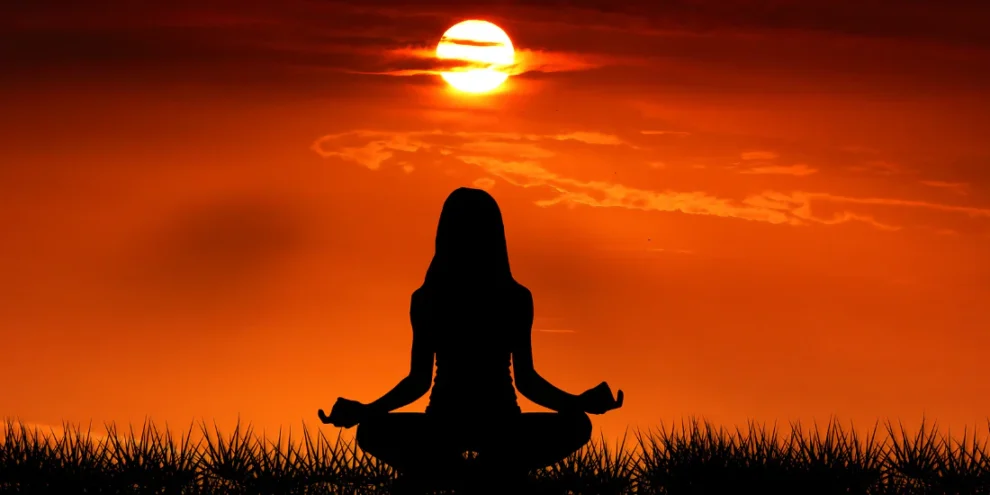
How to find spiritual peace isn’t about escaping life or ignoring problems—it’s about staying calm and grounded even when life feels overwhelming. In a world full of noise, pressure, and constant distraction, true peace has become rare yet deeply needed.
Spiritual peace doesn’t come when life becomes perfect; it grows when you learn to face challenges with clarity, acceptance, and inner balance. When you understand how to find spiritual peace, you stop chasing external approval and begin building calm from within—creating a steady, resilient state of mind that supports every part of life.
Table of Contents
What spiritual peace really means
Understanding how to find spiritual peace begins with defining what it truly is. Spiritual peace is not constant happiness or the absence of problems. It is a grounded state of inner stability where emotions flow without overwhelming you. People with spiritual peace still feel pain, loss, and uncertainty—but they don’t feel lost within those emotions.
-
A sense of inner calm, even during challenges
-
Emotional balance instead of emotional suppression
-
Feeling connected to something greater than the ego
-
Acceptance of life as it is, not as it “should be”
When you redefine peace as inner alignment rather than perfection, the path to spiritual peace becomes clearer and more attainable.
Why spiritual peace is difficult to find today
Many struggle with how to find spiritual peace because modern life constantly pulls attention outward. Notifications, expectations, comparison, and pressure disconnect people from their inner world. Peace requires presence, but distraction thrives on restlessness.
-
Constant digital stimulation overwhelms the mind
-
Social comparison fuels insecurity and self-doubt
-
Productivity culture leaves little space for reflection
-
Emotional avoidance replaces emotional understanding
Spiritual peace becomes difficult when silence feels uncomfortable. Learning how to find spiritual peace means learning how to sit with yourself—without escaping, numbing, or judging your inner experience.
The connection between mindfulness and spiritual peace
Mindfulness is one of the most effective gateways to learning how to find spiritual peace. It trains the mind to stay present instead of replaying the past or worrying about the future. When attention anchors in the present moment, inner peace naturally arises.
-
Mindfulness reduces mental noise and emotional reactivity
-
It builds awareness without judgment
-
It strengthens emotional regulation
-
It deepens connection to the present moment
Practicing mindfulness daily—even for a few minutes—helps create a stable inner foundation. Spiritual peace grows when the mind learns to rest where the body already is.
How meditation helps you find spiritual peace
Meditation is a powerful tool for anyone seeking to find spiritual peace. It creates space between thoughts and awareness, allowing you to observe the mind rather than be controlled by it. Over time, meditation reshapes how you relate to stress, emotions, and identity.
-
Meditation quiets mental chatter
-
It increases self-awareness and clarity
-
It reduces anxiety and emotional overwhelm
-
It cultivates compassion and inner stillness
You don’t need long sessions or perfect focus. Consistent, gentle meditation helps spiritual peace emerge naturally through stillness and self-observation.
Letting go of control and surrendering
A major obstacle in how to find spiritual peace is the need to control everything. Control creates resistance, and resistance fuels inner conflict. Spiritual peace begins when you accept uncertainty instead of fighting it.
-
Let go of outcomes you cannot control
-
Accept imperfection in yourself and others
-
Release rigid expectations about life
-
Trust the process instead of forcing results
Surrender does not mean giving up—it means cooperating with reality. When resistance softens, peace flows in effortlessly.
Healing emotional wounds to access peace
Unhealed emotional pain blocks spiritual peace. Learning how to find spiritual peace requires facing suppressed emotions with honesty and compassion. Avoidance may protect temporarily, but healing creates lasting peace.
-
Acknowledge past pain without self-blame
-
Allow emotions to surface without judgment
-
Practice forgiveness for yourself and others
-
Seek support when healing feels overwhelming
Spiritual peace grows when emotional wounds are acknowledged instead of buried. Healing transforms pain into wisdom and resilience.
The role of gratitude in spiritual peace
Gratitude is a simple yet profound practice in learning how to find spiritual peace. It shifts focus from lack to abundance, calming the nervous system and grounding awareness in the present.
-
Gratitude reduces stress and anxiety
-
It trains the mind to notice positivity
-
It fosters emotional balance and contentment
-
It strengthens the spiritual connection
Daily gratitude—even in small moments—creates inner warmth. Spiritual peace flourishes when appreciation replaces constant dissatisfaction.
Living in alignment with your values
Spiritual peace is impossible when actions conflict with values. One of the most overlooked aspects of how to find spiritual peace is alignment—living honestly and authentically.
-
Identify your core values clearly
-
Make decisions that reflect those values
-
Set boundaries that protect your energy
-
Release roles that feel misaligned
Inner conflict dissolves when life choices match inner truth. Alignment creates peace because there is no internal contradiction draining emotional energy.
Simplifying life to create inner peace
Complexity feeds stress. Simplicity nurtures peace. Learning how to find spiritual peace often involves removing excess—mental, emotional, and physical.
-
Declutter physical spaces
-
Reduce unnecessary commitments
-
Simplify routines and priorities
-
Limit information overload
A simpler life creates mental breathing room. When distractions decrease, awareness deepens, allowing spiritual peace to naturally surface.
The power of solitude and silence
Solitude is essential in the journey of how to find spiritual peace. Silence allows the nervous system to reset and the mind to slow down. Without moments of quiet, inner wisdom remains unheard.
-
Schedule regular quiet time alone
-
Disconnect from digital noise
-
Spend time in reflective stillness
-
Listen without needing to respond
Silence is not emptiness—it is space. Spiritual peace grows when silence becomes a friend rather than something to escape.
Connecting with nature for spiritual grounding
Nature has a calming effect on the human spirit. Many discover how to find spiritual peace through reconnecting with the natural world.
-
Nature reduces mental fatigue
-
It grounds awareness in the present
-
It fosters humility and awe
-
It restores emotional balance
Walking outdoors, observing natural rhythms, or simply sitting under open skies reconnects you with something timeless. Spiritual peace often arises effortlessly in natural surroundings.
Practicing compassion and kindness
Compassion dissolves inner conflict. A key part of how to find spiritual peace is how you treat yourself and others.
-
Practice self-compassion during mistakes
-
Respond with empathy instead of judgment
-
Release resentment through understanding
-
Offer kindness without expectation
Compassion softens the heart. When harshness fades, peace fills the space it once occupied.
Releasing ego-driven identity
Ego thrives on comparison, validation, and fear. Spiritual peace emerges when identity loosens. Understanding how to find spiritual peace means recognizing you are more than your roles, achievements, or failures.
-
Observe thoughts without identifying with them
-
Release the need to prove self-worth
-
Accept yourself beyond labels
-
Cultivate humility and openness
As ego relaxes, inner tension dissolves. Peace is experienced not as something earned, but something remembered.
Creating a daily spiritual routine
Consistency matters when learning how to find spiritual peace. A daily spiritual routine anchors awareness and reinforces inner calm.
-
Begin the day with intention
-
Include meditation or reflection
-
Practice gratitude regularly
-
End the day with a mindful review
Routine does not restrict freedom—it creates stability. Small daily practices accumulate into deep spiritual peace over time.
Finding peace through acceptance
Acceptance is one of the deepest teachings in how to find spiritual peace. Fighting reality creates suffering. Accepting reality creates peace—even when circumstances are difficult.
-
Accept emotions without resistance
-
Allow situations to unfold naturally
-
Release the need for immediate answers
-
Trust life’s unfolding process
Acceptance does not mean approval. It means clarity. From acceptance, wise action becomes possible.
Spiritual peace and meaningful purpose
A sense of purpose strengthens spiritual peace. When life feels meaningful, inner calm increases naturally.
-
Reflect on what truly matters to you
-
Align daily actions with purpose
-
Serve beyond self-interest
-
Let purpose evolve organically
Purpose does not have to be grand. Meaningful presence itself becomes a spiritual path toward peace.
Overcoming fear on the spiritual path
Fear blocks spiritual peace. Learning how to find spiritual peace includes learning how to meet fear with awareness instead of avoidance.
-
Observe fear without feeding it
-
Understand fear as a protective mechanism
-
Practice courage through presence
-
Replace fear-based thinking with trust
Fear loses power when understood. Peace emerges when awareness replaces avoidance.
Long-term practices to maintain spiritual peace
Spiritual peace is not a one-time achievement. It requires ongoing attention and care.
-
Stay committed to inner awareness
-
Adjust practices as life changes
-
Revisit values regularly
-
Allow growth without pressure
Peace deepens through patience. The more gently you walk this path, the more naturally peace stays with you.
Final thoughts on how to find spiritual peace
Learning how to find spiritual peace is a lifelong journey of awareness, acceptance, and understanding. Peace is not found by running from life, but by meeting it fully—without resistance. When you simplify, align, forgive, and stay present, peace becomes your natural state rather than an alien goal.
- Spiritual peace grows via daily practice
-
Spiritual peace grows through daily practice
-
It thrives in presence and honesty
-
It strengthens resilience and clarity
-
It transforms how you experience life
Spiritual peace is already within you. The journey is simply remembering how to return to it.




Add Comment