
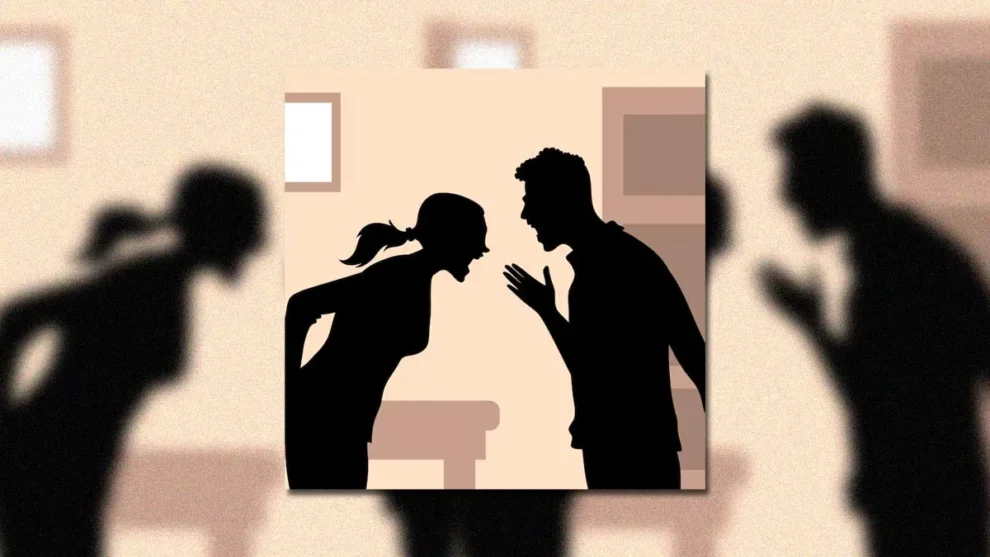
How to recover from an abusive relationship is not something anyone plans to Google one day. It usually happens quietly, late at night, when the noise finally stops and reality sinks in. You might be sitting with your phone in your hand, feeling empty, confused, or strangely guilty for even calling it abuse. That moment matters.
Recovery is not a straight line. Some days you feel powerful and clear. Other days, you miss the person who hurt you, and that confuses you even more. That doesn’t mean you’re weak. It means you’re human.
This guide is written for people who’ve lived it. Not textbook survivors. Real ones. The ones who stayed too long, left suddenly, went back once, or never got an apology. We’ll talk honestly about emotional abuse, physical abuse, narcissistic manipulation, trauma bonding, and the slow rebuilding of self-trust.
You don’t need to rush. You don’t need to forgive. You don’t need to “be strong” all the time.
You just need a place to start.
In this post, you’ll learn:
- What recovery from abuse actually looks like
- Why leaving was only the first step
- How to heal emotionally and mentally
- How to rebuild confidence and self-worth
- How to stop blaming yourself
- How to trust again without losing yourself
Stay with me. You’re not broken. You’re healing.
Table of Contents
Understanding What Abuse Really Did to You
One of the hardest parts of how to recover from an abusive relationship is understanding the damage without minimizing it. Abuse doesn’t only leave bruises. It rewires how you think, feel, and react to the world.
Many survivors say things like:
- “It wasn’t that bad.”
- “Others have it worse.”
- “I should’ve known better.”
Those thoughts didn’t come from nowhere. Abuse trains your brain to doubt your reality.
Abusive relationships often include:
- Gaslighting that makes you question your memory
- Emotional manipulation masked as love
- Control disguised as concern
- Fear mixed with affection
- Apologies followed by repeated harm
Over time, your nervous system stays in survival mode. Your body learns to stay alert, even when nothing is happening. That’s why you may feel anxious, numb, or exhausted now.
This is not a weakness.
It’s trauma.
Healing begins when you stop asking, “Why didn’t I leave sooner?” and start asking, “What did I need back then that I didn’t have?”
That shift changes everything.
Accepting That Leaving Was Not the End, It Was the Beginning
People often think leaving is the hardest part. Sometimes it is. But recovery from an abusive relationship truly begins after the silence.
Once the chaos stops, emotions rush in.
You might feel:
- Relief mixed with grief
- Freedom mixed with fear
- Anger mixed with longing
That emotional whiplash can make you wonder if you made the right decision. This is extremely common, especially in trauma-bonded relationships.
Trauma bonds form when pain and comfort come from the same person. Your brain gets addicted to the cycle.
So when it ends, your body protests.
Important truths to remember:
- Missing them does not mean they were good for you
- Wanting closure doesn’t mean going back
- Healing doesn’t mean forgetting
Recovery means learning to sit with discomfort without running back to familiarity, even if that familiarity was harmful.
That takes courage. Quiet courage.
And you’re already doing it.
How To Recover From an Abusive Relationship Emotionally
How to recover from an abusive relationship emotionally requires patience, which most people don’t talk about. Emotional healing is slow because the feelings you suppressed for survival now want space.
You may feel emotions you didn’t feel during the relationship:
- Rage
- Sadness
- Shame
- Deep loneliness
Let them exist.
Healthy emotional recovery includes:
- Naming what happened honestly
- Allowing yourself to feel without judgment
- Talking to someone safe (friend, therapist, support group)
- Writing things you were never allowed to say
Storytime: A survivor once said, “I cried for six months straight. Not because I missed him, but because I finally felt safe enough to feel.”
That’s healing.
You’re not going backwards when you cry. You’re releasing what you couldn’t before.
Rebuilding Self-Trust After Abuse
Abuse destroys self-trust quietly. You stop listening to your instincts because you were taught they were wrong.
Recovery means learning to trust yourself again.
Start small:
- Trust your hunger
- Trust your exhaustion
- Trust your discomfort
If something feels off, it probably is.
Ways to rebuild self-trust:
- Make small decisions daily and honor them
- Keep promises to yourself, even tiny ones
- Stop explaining your boundaries
- Notice how your body reacts around people
Self-trust doesn’t return all at once. It whispers first.
Listen closely.
How to Stop Blaming Yourself for the Abuse
Self-blame is one of abuse’s longest-lasting scars.
You might think:
- “I allowed it.”
- “I stayed.”
- “I loved them.”
Here’s the truth most survivors need to hear:
You did not cause the abuse.
People choose to abuse. Period.
Self-blame often comes from:
- Wanting control over the narrative
- Believing you could’ve prevented it
- Internalized messages from the abuser
Letting go of blame feels scary because blame gives an illusion of control. Healing means accepting that what happened was unfair.
And it wasn’t your fault.
Setting Boundaries Without Guilt
Boundaries after abuse feel uncomfortable because you were punished for having them.
Now, boundaries are non-negotiable.
Healthy boundaries may include:
- No contact or limited contact
- Blocking on social media
- Saying no without explanation
- Leaving situations that feel unsafe
Guilt will show up. Let it.
Guilt doesn’t mean you’re wrong. It means you’re unlearning people-pleasing.
Healing Your Nervous System
Abuse keeps your body in fight-or-flight.
Healing requires calming your nervous system, not just understanding the abuse intellectually.
Helpful practices:
- Gentle movement (walking, stretching)
- Breathwork
- Cold water on the face
- Consistent sleep routines
- Time in nature
Your body needs safety before your mind fully heals.
Learning to Be Alone Without Feeling Empty
After abuse, silence can feel terrifying.
You were used to emotional chaos.
Being alone now might feel like abandonment, even though it’s peace.
Reframe solitude:
- Alone does not mean unloved
- Quiet does not mean unsafe
- Boredom does not mean broken
Slowly, being alone becomes restful instead of scary.
Dating Again After an Abusive Relationship
Dating after abuse requires honesty with yourself.
You don’t need to rush.
Signs you’re not ready yet:
- You confuse intensity with love
- You ignore red flags to avoid loneliness
- You feel anxious instead of curious
Green flags to look for:
- Consistency
- Accountability
- Respect for boundaries
- Emotional safety
You’re allowed to choose differently now.
When Professional Help Matters
Therapy can be life-changing in abuse recovery.
Especially trauma-informed therapy.
It helps with:
- PTSD symptoms
- Trauma bonding
- Emotional regulation
- Self-worth rebuilding
Asking for help is not a weakness.
It’s wisdom.
How To Recover From An Abusive Relationship and Reclaim Your Identity
How to recover from an abusive relationship fully means remembering who you were before everything revolved around survival.
Ask yourself:
- What did I enjoy before?
- What parts of me went quiet?
- What do I want now?
You are not starting from zero.
You’re starting from experience.
And that matters.
Final Thoughts
Healing from abuse is not about becoming who you were before.
It’s about becoming someone who knows their worth deeply.
You survived something that changed you.
Now you get to choose what changes next.
And yes, recovery is possible.
Even if it doesn’t feel like it yet.



Add Comment