
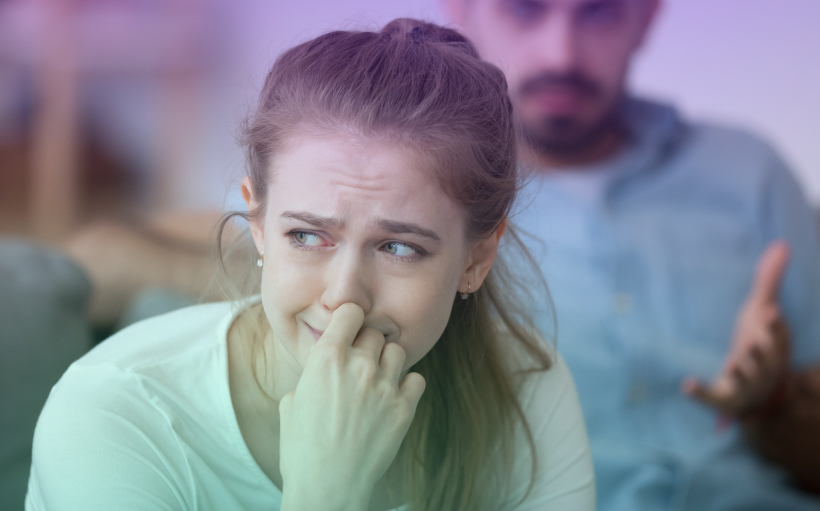
False accusations in a relationship can feel like emotional earthquakes — sudden, destructive, and deeply destabilizing. When you’re blamed for something you didn’t do, especially by the person you trust the most, it creates psychological wounds that are invisible to the outside world but painfully real to you. These accusations don’t just hurt; they chip away at your mental health, confidence, and sense of safety. In this comprehensive guide, we’ll explore the Psychological Effects of False Accusations in a Relationship, their underlying causes, the emotional damage they inflict on partners, and the steps couples can take to move toward healing.
Whether you’re researching for personal clarity or creating content around relationships, love psychology, and emotional well-being, this guide provides a comprehensive view backed by empathy, insight, and real-world patterns.
Table of Contents
What Do False Accusations Mean in a Relationship?
In relationships, false accusations are more than just miscommunications; they are emotionally charged assertions that hold one partner accountable for deeds they did not commit. These accusations frequently occur when current relationship dynamics are combined with feelings of fear, insecurity, or trauma from the past. Without sufficient proof, someone may accuse their partner of lying, cheating, or concealing things. This leads to a vicious cycle of conflict, defence, and emotional weariness.
Common Types of False Accusations
- False allegations of dishonesty
- Assuming dishonesty in the absence of evidence
- Claiming that someone is concealing their intentions or feelings
- Misinterpreting actions as betrayal
- Holding a spouse accountable for behaviours stemming from their personal trauma
Key Takeaway
False accusations are rarely the result of a single incident; instead, they are indicators of unresolved emotional baggage, poor communication, or internal fears that call for understanding rather than confrontation.
The Immediate Psychological Impact: Shock, Confusion, and Emotional Turmoil
The moment someone is falsely accused, they enter a state of emotional shock. Being misunderstood by a stranger is painful — but being misunderstood by your partner feels like betrayal. People often freeze, unable to process why the accusation is happening. This emotional turbulence affects mental clarity and can trigger fight-or-flight responses.
Immediate Emotional Reactions
-
Shock: “Why would they think that of me?”
-
Confusion: Trying to trace events to find a misunderstanding
-
Fear: Worried the relationship might break up
-
Defensiveness: Feeling forced to prove innocence
-
Sadness: Losing the sense of trust and closeness
False accusations can feel like an attack on your character, making you question yourself even when you did nothing wrong. This emotional chaos affects decision-making, communication, and overall well-being during conflicts.
How False Accusations Damage Self-Esteem and Self-Worth
One of the most painful psychological effects of false accusations is the erosion of self-esteem. When your partner repeatedly assumes the worst about you, it creates inner doubt. You begin to question your integrity, worth, and whether you deserve love.
Ways Accusations Lower Self-Worth
-
Feeling judged instead of understood
-
Constantly defending yourself drains emotional energy
-
Developing guilt for things you never did
-
Believing you are untrustworthy because your partner keeps saying it
-
Internalizing negative labels
False accusations force your brain into survival mode — you worry about how you’re perceived rather than feeling secure. Over time, this shifts a person’s identity from secure and confident to self-critical and unsure.
The Psychological Toll of Being Forced to “Prove Innocence”
Relationships should be built on trust, not interrogation. But false accusations create a dynamic where the accused partner is expected to constantly justify their actions, share every detail, or over-explain simple things.
Why This Hurts Mentally
-
It makes you feel like a suspect, not a loved partner
-
Creates exhaustion from constant explanations
-
Breeds resentment toward the accuser
-
Triggers anxiety every time your partner asks questions
-
Turns natural independence into “suspicious behavior.”
Being forced to prove innocence destroys emotional intimacy. Instead of focusing on love, connection, and shared goals, partners get stuck in cycles of suspicion and emotional monitoring. This pressure leads to stress, burnout, and emotional withdrawal.
False Accusations Can Lead to Chronic Anxiety and Overthinking
When accusations happen repeatedly, it trains your brain to expect conflict. Even normal activities — like going out with friends, arriving home late, or responding slowly to a text — can trigger anxiety because you worry it will be misinterpreted.
Signs You Are Developing Anxiety From False Accusations
-
You rehearse conversations in your head
-
You avoid certain behaviors to “prevent misunderstandings.”
-
You feel tense around your partner
-
You overthink small decisions
-
You constantly seek reassurance
Over time, the nervous system stays in a state of hypervigilance. This is similar to what people experience in emotionally unpredictable environments. Anxiety doesn’t just hurt the mind — it impacts sleep, appetite, focus, and confidence.
How False Accusations Affect Trust and Emotional Security
Trust is like emotional currency in a relationship. Every false accusation is like withdrawing from that emotional bank — eventually, the account empties. Trust loses its foundation when one partner repeatedly jumps to conclusions instead of communicating.
How Trust Erodes
-
You stop sharing personal details to avoid fights
-
You feel judged rather than supported
-
You worry your partner doesn’t know the “real you.”
-
You fear long-term instability
-
You stop relying on your partner emotionally
Without trust, a relationship becomes fragile. The accused partner feels unsafe, emotionally exposed, and disconnected — which ironically increases the accuser’s insecurity and fuels more accusations.
The Emotional Burden of Feeling Unseen or Misunderstood
One of the deepest pains in a relationship is feeling like your partner doesn’t truly see who you are. False accusations create that exact emotional wound. You begin to feel invisible, misunderstood, or wrongly judged by the person who is supposed to know you best.
Emotional Weight This Creates
-
Feeling invalidated
-
Loss of emotional closeness
-
Feeling like love is conditional
-
Not being appreciated for your honesty
-
Sense of emotional loneliness even when in a relationship
When someone constantly doubts you, it changes how you show up in the relationship. You might speak less, share less, or emotionally detach to protect yourself from hurt.
The Long-Term Psychological Effects: Depression, Emotional Numbness, and Burnout
If false accusations continue without resolution, they can spiral into deeper mental health issues. Constantly explaining yourself or defending your character can lead to emotional burnout.
Long-Term Effects Include:
-
Depressive thoughts
-
Low motivation
-
Emotional numbness
-
Chronic stress
-
Desire to withdraw from the relationship
-
Loss of excitement about the future together
This emotional exhaustion affects personality, productivity, social life, and overall mental health. What begins as a misunderstanding can evolve into ongoing emotional damage.
Why Partners Make False Accusations: Psychology Behind the Behavior
Understanding the root of false accusations helps break the cycle. These accusations often come from unhealed emotional wounds rather than intentional harm.
Common Psychological Reasons
-
Past trauma or betrayal
-
Fear of abandonment
-
Low self-esteem or self-doubt
-
Attachment insecurities
-
Overthinking patterns
-
Projection (blaming the partner for their own inner fears)
Sometimes, people project past pain onto their current partner without realizing it. This creates emotional distortions — interpreting normal behavior as hidden threats.
How False Accusations Create a Toxic Cycle in Relationships
False accusations rarely happen just once. They create a repetitive pattern where insecurity leads to accusations, which lead to emotional pain, which then repeats.
The Toxic Loop
-
Insecurity triggers suspicion
-
Suspicion creates false accusations
-
Partner defends themselves
-
The accuser feels justified because the partner “reacted strongly.”
-
The emotional connection weakens
-
Insecurity grows stronger
Over time, this loop becomes the relationship’s baseline. Breaking it requires emotional awareness and structured communication.
How to Heal: Healthy Communication Strategies That Actually Work
Healing from false accusations requires effort from both partners. Communication must shift from defensive arguments to understanding, clarity, and emotional healing.
Effective Communication Practices
-
Use “I feel” statements instead of blame
-
Clarify rather than assume
-
Stick to facts, not emotional conclusions
-
Ask questions calmly instead of accusing
-
Be open about insecurities and triggers
Healthy communication rebuilds emotional safety, allowing both partners to feel heard and understood.
How the Accused Partner Can Protect Their Mental Health
If you’ve been falsely accused, it’s important to prioritize your emotional well-being. Protecting your mental health doesn’t mean being defensive — it means setting healthy boundaries.
Ways to Protect Yourself
-
Seek clarity calmly instead of reacting emotionally
-
Take space when arguments escalate
-
Express your feelings transparently
-
Avoid over-explaining every detail
-
Talk to a therapist or trusted friend for support
You deserve emotional respect in a relationship. Setting boundaries helps prevent emotional overload.
When False Accusations Turn Into Emotional Manipulation
Sometimes, accusations cross the line into emotional manipulation. This is especially true when a partner uses guilt, blame, or constant suspicion to control or weaken your confidence.
Red Flags of Manipulation
-
You are always the one apologizing
-
Your partner ignores proof of innocence
-
Accusations happen even without triggers
-
Your partner twists your words
-
You fear being honest because it leads to conflict
If these patterns appear, it may indicate deeper toxicity that requires intervention or separation.
Can a Relationship Survive False Accusations?
Yes — but only if both partners are committed to understanding and healing. Accusations alone do not destroy a relationship; the unwillingness to resolve them does.
Survival Depends On:
-
Emotional maturity
-
Accountability
-
Willingness to change
-
Consistency in actions
-
Rebuilding trust slowly
Healing takes time, patience, and emotional effort from both sides.
Final Thoughts: False Accusations Leave Invisible Scars — But Healing Is Possible
False accusations leave psychological wounds that take time to heal. They can damage confidence, trust, and emotional safety — but they don’t have to define your relationship forever. When both partners commit to honest communication, emotional awareness, and empathy, healing becomes possible.
The key is understanding that accusations are often rooted in fear — not truth. Addressing that fear with compassion rather than defensiveness creates a stronger emotional bond.
Relationships grow through honesty, not suspicion. And every couple deserves a safe space where trust, clarity, and emotional respect are the foundation.




Add Comment