
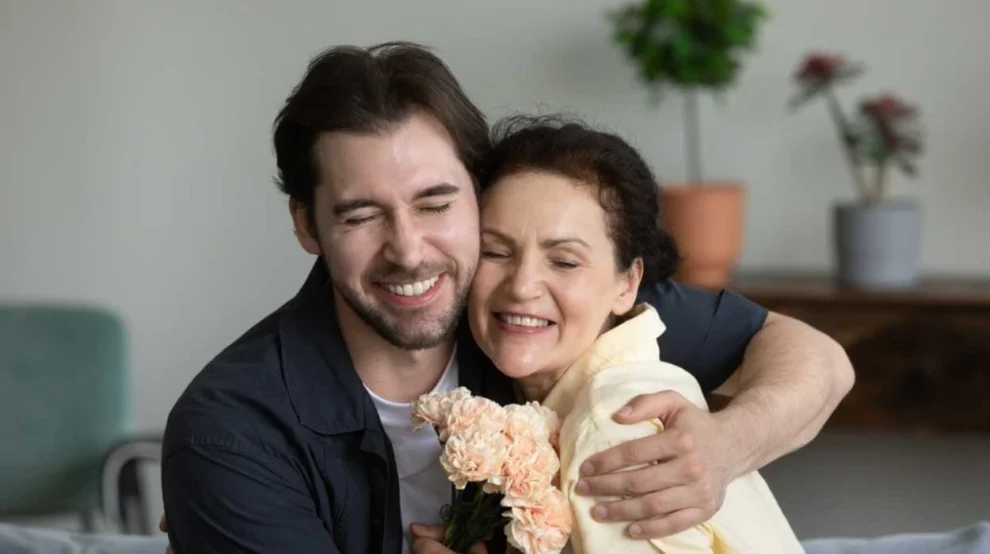
Romantic connections are complex, and age-gap relationships have always sparked curiosity. Among these, older woman–younger man relationships stand out as particularly intriguing. While society often stereotypes such pairings, the reality is far richer: these relationships are shaped by emotional maturity, life experience, and unique psychological dynamics. Understanding the Psychology of Older Woman–Younger Man Relationships helps explain why these connections can be deeply pleasant, despite societal expectations, and why they are becoming more common in today’s evolving dating landscape.
Table of Contents
Why Are Older Women–Younger Men Relationships Becoming More Common?
There has been a noticeable change in dating conventions over the last ten years. These relationships are growing as a result of several factors:
1. Increased Social Independence
Today’s older women are more self-assured, career-focused, and financially secure than in the past. They can put their emotional needs ahead of social expectations because of their independence.
2. Changing Attitudes About Age and Love
Compatibility and emotional connection are becoming more important in contemporary culture than conventional age norms. The discrimination associated with dating younger men has consequently considerably decreased.
3. Attraction to Energy and Vitality
The life experience, maturity, and confidence of older women attract a lot of younger men. On the other hand, younger men’s vitality, spontaneity, and optimism often appeal to older women.
4. Online Dating and Global Connectivity
The dating pool has grown thanks to technology and dating apps, making it simpler for people of all ages to connect.
Psychology sheds light on the underlying dynamics of these relationships and the emotional elements that contribute to their success as they become more apparent.
The Psychology Behind Older Woman–Younger Man Attraction
The attraction in these relationships is driven by a number of psychological factors. Understanding them helps explain why such pairings can be deeply fulfilling for both partners.
1. Emotional Maturity and Stability
Because of their life experiences, older women frequently have higher levels of emotional intelligence. They are aware of effective communication, setting limits, and handling conflict. Because it fosters a supportive and less dramatic relationship environment, younger men might value this stability.
2. Confidence and Self-Assuredness
Confidence is a very desirable psychological quality. When it comes to appearance and decision-making, older women frequently radiate confidence. Younger men who are exploring life and personal development may find this confidence captivating.
3. Mentorship and Learning Dynamics
Elderly women can offer advice, wisdom, and an experience-based viewpoint. The sharing of knowledge can foster mutual respect and strengthen emotional bonds even though the relationship is not a mentorship in the conventional sense.
4. Novelty and Excitement
Dating a younger man can give older women a renewed sense of vitality, adventure, and youth. Younger men, on the other hand, frequently take pleasure in defying social conventions, having a relationship dynamic that differs from that of their peers, and gaining insight from their partner’s life experiences.
5. Reversed Stereotypes and Empowerment
Both partners can defy conventional expectations in these relationships: the man embraces emotional openness and maturity earlier in life, while the woman confronts ageist stereotypes. Mutual attraction is strengthened by this psychological empowerment.
Benefits of Older Woman–Younger Man Relationships
Many studies and anecdotal evidence highlight multiple benefits in age-gap relationships where the woman is older.
1. Enhanced Communication
Older women often excel at communication and emotional articulation. This can reduce misunderstandings and strengthen the emotional bond.
2. Greater Life Experience
Shared insights and wisdom foster growth for both partners. Younger men may gain perspective and practical knowledge, while older women feel valued for their life experience.
3. Reduced Insecurity
Older women tend to be less concerned about competition, societal judgment, or superficial appearances, creating a secure environment for genuine connection.
4. Flexibility and Adaptability
Younger men often bring enthusiasm, curiosity, and adaptability, encouraging a playful, dynamic partnership.
5. Mutual Learning
Both partners learn from each other: older women learn spontaneity and energy, while younger men acquire emotional depth and resilience.
Challenges in Older Woman–Younger Man Relationships
Age-gap relationships have special difficulties, just like any other kind of relationship. They can be effectively negotiated with awareness and proactive tactics.
1. Social Evaluation
The younger man’s or woman’s intentions may be questioned by friends, family, or coworkers who have preconceived ideas about age-gap relationships.
2. Variations in Life Stages
Partners may have different priorities when it comes to their families, careers, or finances, necessitating compromise and negotiation.
3. Lifestyle and Physical Distinctions
Younger men may be more active, while older women may favour stability. Conflict can occasionally result from differences in social habits, nightlife preferences, or travel preferences.
4. Communication Deficits
Generational differences in communication styles, such as preferences for texting, social media, or direct communication, can lead to misunderstandings.
5. Extended Planning
It may be necessary to have open conversations about issues like marriage, children, and retirement plans.
Despite these challenges, studies show that when these relationships are handled with maturity, communication, and trust, they can thrive just like any other.
Effective Communication Strategies for Age-Gap Relationships
The foundation of any successful relationship is effective communication. In older woman–younger man dynamics, it’s even more critical due to generational differences and societal pressures.
1. Practice Active Listening
Instead of just answering, both partners should concentrate on listening to understand. This helps bridge generational gaps.
2. Be Transparent About Expectations
Openly discuss your relationship intentions, long-term objectives, and lifestyle choices. Refrain from making assumptions about one another’s preferences.
3. Embrace Patience
While older partners might have deeply rooted habits, younger partners might have less experience resolving conflicts. Patience guarantees that misunderstandings are resolved amicably.
4. Balance Independence and Togetherness
While fostering emotional intimacy, respect each other’s personal space.
5. Use Humor and Playfulness
Playfulness keeps the relationship lively, eases social pressure, and lowers stress.
Psychological Insights: Why These Relationships Work
Psychologists point to several underlying reasons for compatibility:
-
Attachment Styles: Older women often have secure attachment styles, helping create stable emotional environments.
-
Complementary Personality Traits: Maturity often balances energy and spontaneity, fostering harmony.
-
Reduced Ego Clashes: Older women tend to be more self-aware, reducing competition and control struggles.
-
Novelty Factor: A younger partner often introduces novelty, excitement, and adaptability.
In essence, the psychology of older woman–younger man relationships emphasizes emotional intelligence, mutual respect, and shared learning as critical success factors.
Tips for Maintaining a Healthy Age-Gap Relationship
Here are actionable strategies for couples navigating older woman–younger man relationships:
-
Acknowledge the Age Difference: Openly discuss how it may impact long-term goals.
-
Focus on Shared Values: Prioritize compatibility in morals, lifestyle, and goals over age.
-
Celebrate Each Other’s Strengths: Appreciate maturity, energy, life experience, and creativity.
-
Stay Curious About Each Other: Keep learning about your partner’s generation, interests, and worldview.
-
Address Challenges Early: Discuss societal pressures, family concerns, and plans before they escalate.
-
Seek Support When Needed: Couples therapy or coaching can help navigate unique relationship dynamics.
FAQ Section: Understanding Older Woman–Younger Man Relationships
1. Do older women frequently date younger men?
In fact, because of changing social mores, online dating, and greater female autonomy, it is becoming more common.
2. Do these partnerships outperform more conventional age-gap partnerships?
Success depends more on communication, emotional growth, and compatibility than age alone. Many relationships between older women and younger men are successful because of complementary dynamics.
3. Why do younger men find older women attractive?
Independence, confidence, emotional maturity, and life experience are often attractive to younger men.
4. What are this relationship type’s primary obstacles?
Common challenges include social criticism, disparities in life stages, lifestyle mismatches, and problems with long-term planning.
5. How can couples get past social pressure?
When a couple has faith in their relationship, communicates honestly, and supports one another, they are better equipped to handle criticism from the outside world.
Conclusion: Embracing the Psychology of Age-Gap Love
Older woman–younger man relationships are more than a trend—they represent evolving attitudes toward love, age, and compatibility. By understanding the psychology behind attraction, maintaining strong communication, and embracing mutual respect, couples can thrive despite societal stereotypes.
Ultimately, successful age-gap relationships are built on emotional maturity, curiosity, and genuine connection, proving that love doesn’t follow a clock—it follows the heart.



Add Comment