
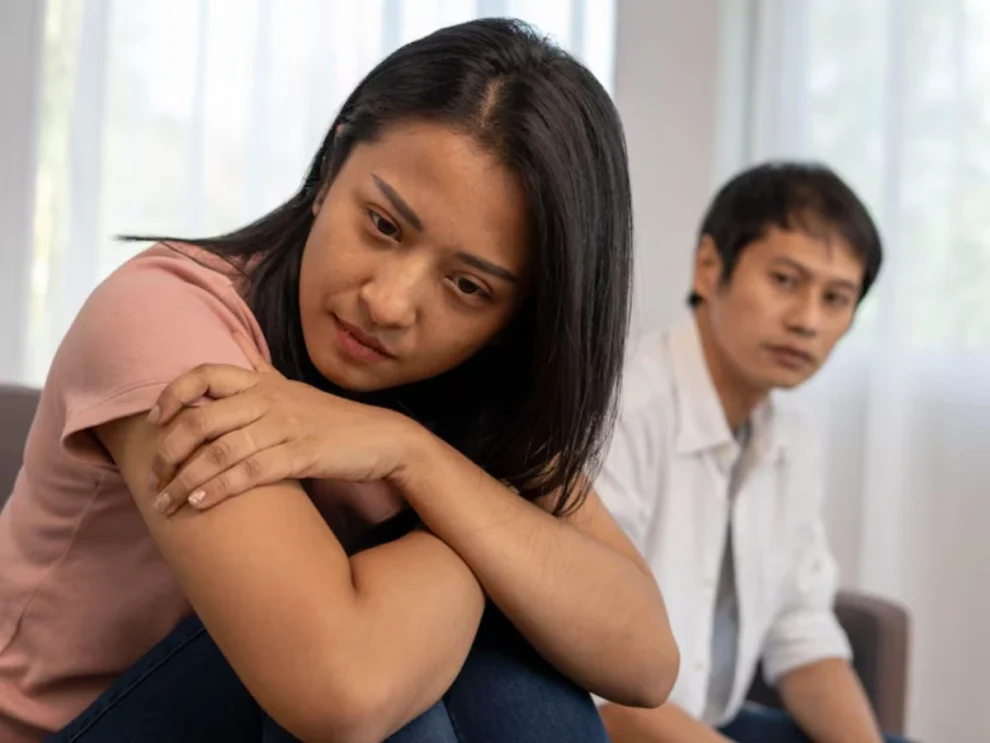
Feeling trapped in a relationship is one of the most emotionally draining experiences a person can go through. It’s that heavy sense of emotional suffocation, that quiet fear of speaking up, or that lingering doubt that you’re no longer growing as a person. Many people don’t even realize they’re feeling trapped until it becomes overwhelming. This guide breaks down the clear, subtle, and psychological signs of feeling stuck in a relationship—so you can understand your emotions, decide your next steps, and reclaim your emotional well-being.
This long-form guide is optimized for search intent and is perfect for users who need fast, direct answers while also providing in-depth insight.
Table of Contents
What Does It Mean to Feel Trapped in a Relationship? (Understanding the Emotion)
Feeling trapped isn’t always about dramatic fights or handling partners. Periodically, it’s a slow emotional transformation where you start feeling disconnected from yourself, your goals, or your freedom.
You may feel trapped when:
-
You feel pressure to stay even when you’re unhappy
-
You fear hurting your partner by expressing your needs
-
Your relationship feels like a responsibility, not a choice
-
The idea of leaving feels terrifying or impossible
-
You feel guilty fantasizing about life outside the relationship
It’s often a mix of emotional, psychological, and situational elements. Many people experience this silently because they’re afraid of judgment or uncertain whether their emotions are valid. Acknowledging the signs early can prevent emotional burnout and confusion.
Feeling trapped doesn’t always mean the relationship is toxic—sometimes it signals personal limits, communication gaps, or emotional disconnection.
1. You Feel Constantly Overwhelmed or Emotionally Exhausted
One of the earliest signs of feeling trapped is emotional exhaustion. You might feel drained even after small conversations or everyday interactions with your partner. Instead of feeling supported or understood, you feel mentally overloaded. This feeling often builds gradually until it becomes your new normal.
Signs include:
-
You dread emotional discussions
-
You feel pressure to act happy or stable
-
You feel mentally fatigued after spending time together
-
You need more alone time than before
-
You avoid conflict because it drains you completely
This emotional overwhelm often develops when needs are unmet or when the relationship requires more from you than you can give. You may feel obligated to maintain peace or constantly manage your partner’s emotions. Over time, this creates a sense of emotional suffocation—one that mimics being “trapped” inside your own feelings.
2. You Avoid Going Home or Spending Time Together
When people feel trapped, they subconsciously begin avoiding their partner or the shared environment. Home, which was once a place of comfort, starts feeling heavy or stressful. You may delay going home after work, spend extra hours with friends, or even isolate yourself to escape emotional pressure.
Common behaviors include:
-
Running errands longer just to avoid going home
-
Spending weekends outside instead of together
-
Feeling anxious when you know your partner is waiting
-
Preferring to stay busy rather than engage emotionally
-
Wanting physical space and quiet more than usual
Avoidance is a powerful sign that something deeper is wrong. It means your body and mind are seeking relief from emotional pressure. This doesn’t mean your partner is necessarily doing something harmful—sometimes it simply signals that your emotional needs aren’t being met or that the relationship has become overwhelming.
3. You Feel Guilty for Wanting Personal Space
Healthy relationships allow breathing room. But if you feel guilty for needing alone time, it’s a strong indicator of emotional entrapment. You may feel like you don’t have the right to step away, relax, or engage in your own hobbies without your partner feeling upset.
Signs you feel guilty include:
-
Apologizing for wanting time to yourself
-
Feeling selfish for pursuing personal interests
-
Avoiding setting boundaries because they “might hurt them.”
-
Feeling pressured to be available 24/7
-
Believing your partner’s happiness depends on you
This emotional guilt stems from an imbalance. When a relationship starts consuming your identity, your independence, or your peace, you naturally begin feeling trapped. Healthy love encourages individuality—so if you’re losing that, it’s time to examine the dynamics.
4. You Feel Like Your Needs or Feelings Don’t Matter
Feeling unheard is one of the biggest emotional contributors to feeling trapped. When you repeatedly express concerns but nothing changes, it leads to frustration and detachment. You may even stop voicing your thoughts because you expect them to be dismissed.
Indicators include:
-
Your partner talks over you or minimizes your feelings
-
Your concerns become arguments instead of solutions
-
You feel like you’re constantly compromising
-
You begin suppressing your true emotions
-
You feel invisible or unimportant
This emotional neglect can also lead to resentment. Relationships should be built on mutual support, not emotional dismissal. When your feelings don’t hold space in the relationship, you naturally start feeling confined and misunderstood.
5. You Feel Pressure to Keep the Relationship Going
Sometimes you feel trapped because you believe you must stay. It could be due to long history, shared responsibilities, financial dependence, or fear of judgment. Instead of waiting because you want to, you’re staying because you feel obligated.
Common examples of this pressure include:
-
Fear of disappointing family or friends
-
Financial dependency is making it hard to leave
-
Staying for the kids
-
Fear of loneliness
-
Feeling like you’ve invested too extensively to walk away
This internal pressure creates emotional confinement, making even small decisions feel stressful. Love becomes second to obligation, causing the relationship to feel like a cage rather than a choice.
6. You Daydream About Freedom or Being Single
Imagining yourself alone or living a different life is a subtle but powerful sign. Everyone fantasizes occasionally, but if you consistently picture life without your partner—and it feels relieving instead of sad—your heart is signaling discomfort.
You may notice:
-
You fantasize about traveling alone
-
You imagine a peaceful life without relationship stress
-
You feel excited at the idea of independence
-
Your plans no longer include your partner
-
You feel envious of people with more freedom
These thoughts don’t automatically mean you need to leave. They simply highlight your desire for space, autonomy, and emotional clarity, which are likely limited in your current relationship dynamic.
7. You Feel Controlled or Monitored (Even Subtly)
Control doesn’t always look like strict rules—it can be emotional, passive, or disguised as “care.” Feeling monitored or constantly checked on creates anxiety and a sense of imprisonment.
Signs of subtle control include:
-
Your partner texts excessively, expecting instant responses
-
They question your whereabouts or friendships
-
They make you feel guilty for going out
-
They discourage independence (“I just want you safe”)
-
They criticize your clothing, choices, or hobbies
Even gentle control chips away at your freedom. Over time, it makes you feel small, restricted, and dependent. This is one of the strongest indicators of emotional entrapment and is often overlooked because it seems harmless at first.
8. You’ve Lost Your Identity or Forgotten Who You Used to Be
Relationships can shape us, but they shouldn’t erase us. If you feel like you’ve lost your personality, passions, or sense of purpose, it’s a sign you’re emotionally stuck. You may have changed so much to maintain harmony that you no longer recognize yourself.
Warning signs:
-
You abandoned hobbies to keep the peace
-
Your decisions revolve around your partner
-
You feel unsure about your own likes/dislikes
-
You don’t feel like “yourself” anymore
-
You feel disconnected from your old life
This identity loss often leads to emotional suffocation because you’re no longer living authentically. You’re performing instead of expressing, which creates internal pressure and confusion.
9. You Walk on Eggshells Around Your Partner
Walking on eggshells is a classic sign of emotional entrapment. If you’re constantly worried about triggering your partner—whether through tone, words, or behavior—it creates anxiety and tension.
You may feel:
-
Nervous to express opinions
-
Afraid of starting an argument
-
Pressured to act “perfect”
-
Careful with every word you say
-
Emotionally guarded at all times
This dynamic prevents genuine connection and makes the relationship feel more like a tightrope than a partnership. Emotional safety is essential—without it, relationships suffocate your true self.
10. You Feel Stuck Because You Don’t Know What You Want Anymore
Feeling trapped often comes from confusion, not certainty. You’re unsure if you want to stay, leave, take space, or fix the relationship. This emotional fog makes every decision feel impossible.
You may notice:
-
You’re overwhelmed when thinking about the future
-
You’re scared of making the wrong choice
-
You overthink every emotional shift
-
You avoid reflecting on the relationship
-
You don’t know what will make you happy anymore
This confusion is your mind signaling emotional overload. When relationships become mentally suffocating, clarity fades—and that “stuck” feeling grows stronger.
How to Cope When You Feel Trapped in a Relationship
Feeling trapped doesn’t automatically mean the relationship is toxic or doomed. It simply means something important needs attention—within you, your partner, or the relationship.
Healthy steps include:
-
Acknowledge your feelings honestly
-
Communicate gently about your needs
-
Rebuild independence through hobbies, friendships, or routines
-
Set boundaries without guilt
-
Seek emotional clarity through journaling or counseling
-
Evaluate what’s causing the pressure
-
Discuss changes your relationship might need
If your safety or mental health is at risk, professional guidance or trusted support is essential. Feeling trapped is a serious emotional weight—don’t carry it alone.
Final Thoughts: You Deserve a Relationship That Feels Free, Not Restrictive
A relationship should never feel like a cage. It should feel supportive, peaceful, and respectful. If you’re noticing these signs, it’s not a failure—it’s self-awareness. Feeling trapped is your heart’s way of asking for change, space, or support.
Understanding these signs is the first step toward emotional freedom and healthier relationships. Whether you choose to communicate, reset boundaries, or walk away, remember this:
You deserve love that feels like choice—not obligation.



Add Comment