
The carnivore diet is a simple eating approach that focuses on meat, fish, eggs, and other animal-based foods while eliminating plant foods. For beginners, it can be easier to follow than many diets because it removes calorie counting and complicated meal planning. A structured 7-day carnivore diet meal plan provides clear meal ideas to help you get started with confidence.

Whether your goal is weight loss, fewer cravings, or a simpler way of eating, this beginner-friendly meal plan can make the transition smoother. With easy, protein-rich meals and straightforward recipes, you’ll have a practical guide for your first week on the carnivore diet while learning how your body responds to this low-carb lifesty
Table of Contents
What Is the Carnivore Diet?
At its most basic, the carnivore diet is an elimination-style way of eating that consists entirely of animal products — meat, fish, eggs, and some dairy — and excludes all plant foods. No vegetables, no fruits, no grains, no legumes, no seed oils. Just animal-sourced foods, as close to their whole form as possible.
The carnivore diet is also fundamentally a zero-carbohydrate diet. Without carbohydrates, insulin stays low, and the body shifts into a fat-burning state similar to — but generally deeper than — nutritional ketosis. This is a significant driver of the weight loss results many beginners see, especially in the first few weeks.
What you can eat:
- Beef, lamb, pork, bison, venison, and other red meats
- Poultry — chicken, turkey, duck
- Organ meats — liver, heart, kidney (considered the most nutrient-dense foods on the planet by many carnivore advocates)
- Fish and shellfish — salmon, sardines, tuna, shrimp, oysters
- Eggs
- Dairy (optional, especially for beginners) — butter, heavy cream, hard cheeses
- Animal fats — tallow, lard, duck fat
- Salt, water, black coffee (debated but generally accepted)
What you cannot eat:
- All vegetables and fruits
- Grains and legumes
- Nuts and seeds
- Processed foods of any kind
- Sugar, alcohol, seed oils
- Most condiments and sauces
7-Day Carnivore Diet Meal Plan for Beginners
This is the core of everything. Each day is designed to be practical — meals you can actually cook without a culinary background, using ingredients available at any grocery store. You don’t need to eat three formal meals every day; eat when you’re hungry and stop when you’re not.
Aim for 1.5–2 pounds of meat per day as a baseline. Adjust up or down based on hunger and body weight. Season with salt — liberally. Your electrolyte needs increase significantly without carbohydrates.
Day 1 — Monday: Keep It Simple
Meal 1: 3 scrambled eggs cooked in butter + 2 strips of thick-cut bacon
Meal 2: 12 oz ribeye steak, pan-seared in tallow with salt. A ribeye is the ideal beginner cut — the fat-to-protein ratio makes it deeply satisfying, and the flavor needs nothing added.

Meal 3 (optional): 4 oz canned sardines in water or olive oil
Beginner note: The first day is about finding your footing. Don’t overthink it. Eat until you’re genuinely full — not stuffed, but satisfied. The instinct to under-eat on a carnivore (because you’re waiting for vegetables to “round out” the meal) is something to consciously resist at the start.
Day 2 — Tuesday: Introduce Organ Meat Early
Meal 1: 3 eggs fried in butter + 2 oz beef liver, pan-seared quickly (no more than 2 minutes per side — overcooked liver is the main reason people think they don’t like it)
Meal 2: 1 lb 80/20 ground beef patties, formed into two thick burgers, cooked in a cast-iron pan
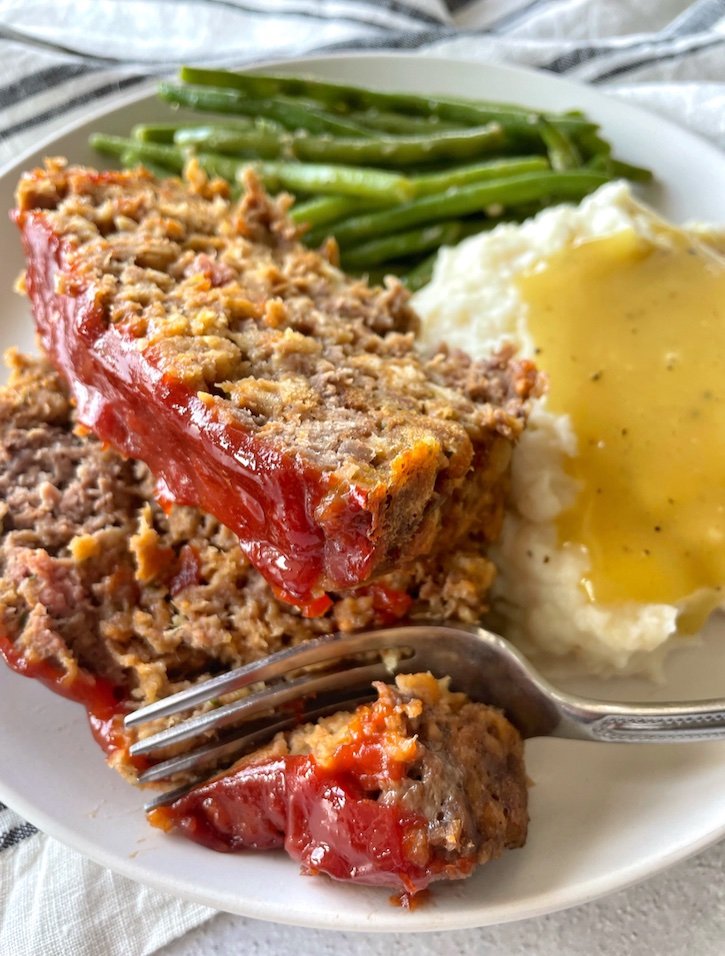
Meal 3 (optional): Hard-boiled eggs (2–3) with salt
Why the liver matters: Beef liver is, gram-for-gram, the most nutrient-dense food available. It contains preformed vitamin A, all B vitamins, including B12, folate, iron, copper, CoQ10, and zinc in concentrations that dwarf any plant food or supplement. Two ounces a few times per week covers most micronutrient bases.
Day 3 — Wednesday: Seafood Day
Meal 1: Smoked salmon (4 oz) + 3 scrambled eggs in butter
Meal 2: 1 lb wild-caught salmon fillet, pan-seared in butter with salt and lemon (lemon is technically plant-derived; skip if you’re being strict, keep it if you need the flavor lift in week one)

Meal 3 (optional): 6 oz shrimp sautéed in butter and garlic (again, garlic is debated — use your judgment)
Midweek is often the hardest. You may be experiencing “carnivore flu” — low energy, mild headaches, muscle cramps. This is the body’s adaptation to running without carbohydrates and is temporary. The fix: more salt, more water, possibly a magnesium supplement.
Day 4 — Thursday: Fat-Forward
Meal 1: 4 strips of bacon + 3 eggs cooked in the bacon fat
Meal 2: 12 oz lamb chops, cooked in tallow. Lamb is fattier than most cuts and deeply flavorful — it’s an excellent midweek reset.

Meal 3 (optional): 2 oz hard cheese (if you’re including dairy) + a couple of hard-boiled eggs
Fat is not the enemy here. On a zero-carb diet, dietary fat is your primary fuel source. Don’t trim the fat off your steak. Cook in butter and tallow. The metabolic switch that enables fat loss requires you to actually eat fat — this is counterintuitive, but it’s how the system works.
Day 5 — Friday: Ground Beef Wins Again
Meal 1: 3-egg omelette cooked in butter, filled with crumbled bacon and a small amount of cheddar (optional)
Meal 2: 1 lb 80/20 ground beef, seasoned with salt, cooked in a skillet until just past pink. Simple, affordable, satisfying.
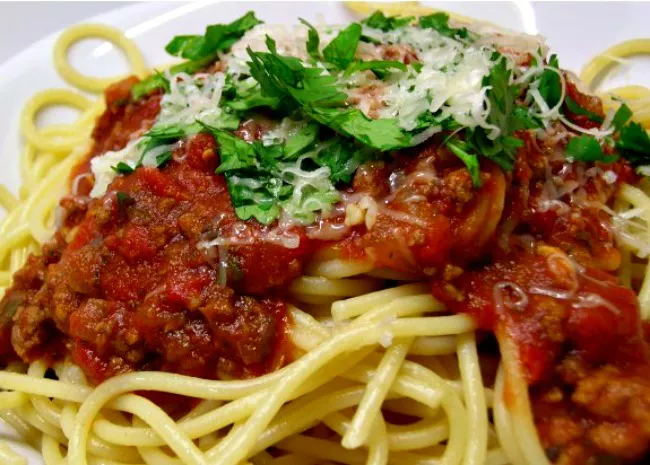
Meal 3 (optional): 4 oz canned tuna with a drizzle of olive oil and salt
On cost: Ground beef is the most budget-friendly protein in this plan. 80/20 is preferable to leaner varieties on carnivore — the fat content keeps you full longer and tastes significantly better.
Day 6 — Saturday: Treat Yourself to a Good Cut
Meal 1: New York strip steak (8–10 oz) for breakfast. Yes, steak for breakfast. You’ll adjust faster than you think.
Meal 2: Chicken thighs (bone-in, skin-on — not breast), roasted or pan-seared in butter until the skin is crispy. 2–3 thighs depending on size.

Meal 3 (optional): 3 deviled egg halves made with egg yolks and butter (skip the mayo unless it’s avocado oil-based)
Saturday is a good day to experiment with a new cut or preparation method. Try a reverse sear on a thicker steak, or slow-cook some short ribs if you have the time. Keeping meals interesting in week one dramatically improves adherence.
Day 7 — Sunday: Prep and Reset
Meal 1: 4 eggs any style + 3 strips of bacon
Meal 2: Slow-cooked beef chuck roast (cook it for 6–8 hours if you can), seasoned only with salt. The collagen in this cut breaks down into a rich, deeply savory cooking liquid. It’s one of the most satisfying things you can eat, and it reheats perfectly.
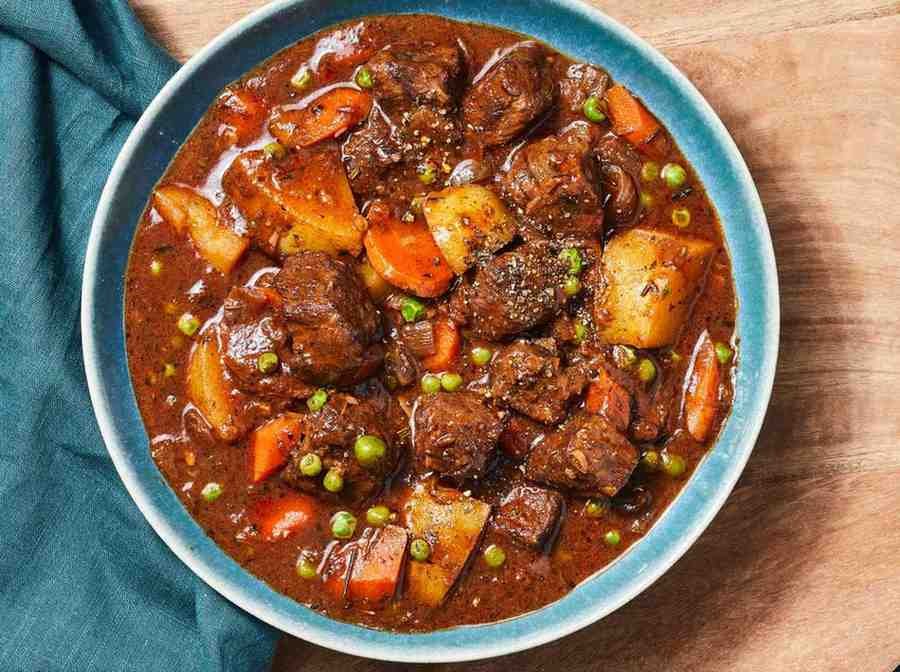
Meal 3 (optional): Leftover chuck roast or a couple of hard-boiled eggs
Sunday prep tip: Make a large batch of hard-boiled eggs and cook extra ground beef patties for the week ahead. Having ready-to-eat protein in your fridge eliminates the single biggest failure point for beginners: getting hungry with nothing prepared and making a bad decision.
Recommended Products for Carnivore Beginners
These are the tools and products that genuinely make the beginner experience smoother — less friction means better adherence.
| Product | Link |
| Lodge 12-Inch Cast Iron Skillet | View on Amazon |
| LMNT Electrolyte Packets (Unflavored) | View on Amazon |
| Redmond Real Salt (Fine Grain, 26 oz) | View on Amazon |
| Ancestral Supplements Beef Liver Capsules | View on Amazon |
| Instant-Read Meat Thermometer | View on Amazon |
| Dry-Aged Beef Subscription (ButcherBox) | View on Amazon |
Leave a Reply