
Free 7-day macro meal plan for fat loss — that’s what I typed into my phone at 6:47 in the morning while standing in my kitchen in yesterday’s clothes, exhausted, staring at a refrigerator full of food and genuinely not knowing what to eat.
I’d been trying to lose weight for the better part of eight months. Not in a dramatic, obsessive way — just the quiet, persistent kind of trying that most women know all too well. I was tracking calories. Cutting dessert. Going to the gym three times a week. And the scale hadn’t moved more than two pounds in either direction for almost three months.
My trainer finally sat me down and said something that changed everything: “You’re not eating too much. You’re eating the wrong balance of things for what you’re asking your body to do.”
She introduced me to macro tracking. Not the complicated bro-science version with twelve supplements and a food scale obsession. The real, practical version — understanding protein, carbohydrates, and fat, and learning how to use them as tools rather than enemies. Within six weeks of eating the same number of calories but adjusting my macros, I’d lost 9 pounds, my workouts got noticeably better, and I stopped crashing at 3 pm every single afternoon.
That’s what this guide is. The version I wish someone had handed me at the beginning — practical, beginner-friendly, designed specifically for women, and complete with a real 7-day meal plan and grocery list you can actually use this week.
Table of Contents
What Are Macros? (And Why Most Women Have Never Been Taught This)
Before the meal plan, you need to understand what you’re actually doing — not in a textbook way, but in a way that sticks.
“Macros” is short for macronutrients. Every food you eat is made up of three of them:
- Protein — 4 calories per gram. Builds and repairs muscle tissue. Keeps you full longer than any other macronutrient. Critical for body recomposition — that is, losing fat while maintaining (or building) lean muscle. Most women dramatically undereat protein, which is one of the main reasons fat loss stalls.
- Carbohydrates — 4 calories per gram. Your body’s preferred and most efficient energy source. Fuels your brain, your workouts, and your mood. The problem isn’t carbs themselves — it’s the type and amount relative to your activity level and goals.
- Fat — 9 calories per gram. Supports hormone production (including the hormones that regulate fat storage and mood), brain function, absorption of fat-soluble vitamins (A, D, E, K), and satiety. Healthy dietary fat does not automatically become body fat.
Most generic diet advice focuses only on calories — eat less, move more. And while a caloric deficit is necessary for fat loss, it’s not sufficient on its own. Two women eating 1,600 calories per day will have dramatically different results if one is eating mostly protein and vegetables and the other is eating mostly refined carbohydrates and fat. The ratio matters. That’s what macro tracking addresses, and that’s what makes it so much more effective than calorie counting alone.
How to Calculate Your Macros for Fat Loss (Without Getting a Math Degree)
Here’s the honest version of macro calculation: there’s no single perfect number that works for everybody. But there’s a solid starting framework that works well for the majority of women trying to lose fat while maintaining energy and muscle.
Step 1: Find Your Maintenance Calories
Use the Mifflin-St Jeor equation or simply multiply your current body weight in pounds by 14–15. This gives a rough estimate of how many calories you need to maintain your current weight.
Example: A 160-pound woman with moderate activity levels: 160 × 14 = 2,240 calories to maintain
Step 2: Create a Moderate Deficit
For sustainable fat loss, subtract 300–500 calories from your maintenance number. Bigger deficits sound appealing but typically result in muscle loss, hormonal disruption, and rebound eating — particularly in women.
Example: 2,240 − 400 = 1,840 calories per day for fat loss
Step 3: Set Your Protein First
This is non-negotiable. Aim for 0.7–1 gram of protein per pound of body weight per day. This preserves lean muscle in a deficit, increases the thermic effect of food (your body burns more calories digesting protein), and keeps hunger in check.
Example: 160 pounds × 0.8 = 128 grams of protein per day (512 calories from protein)
Step 4: Set Your Fat
Aim for 25–35% of total calories from fat. This supports hormone balance — which is especially important for women — and provides sustained energy.
Example: 1,840 × 0.30 = 552 calories from fat ÷ 9 = approximately 61 grams of fat per day
Step 5: Fill the Rest with Carbohydrates
Whatever calories remain after protein and fat are assigned go to carbohydrates.
Example: 1,840 − 512 (protein) − 552 (fat) = 776 calories from carbs ÷ 4 = approximately 194 grams of carbs per day
Simplified starting point for most women (1,600–1,900 calorie fat loss range):
- Protein: 120–140g
- Fat: 50–65g
- Carbohydrates: 150–200g
The meal plan below is built around these targets. Adjust up or down based on your specific numbers.
Free 7-Day Macro Meal Plan for Fat Loss — Your Complete Week

Every day targets approximately: 1,750 calories | 130g protein | 55g fat | 175g carbs
Macros are estimates — minor variations are completely normal and fine. The goal is consistency across the week, not perfection at every meal.
Day 1 — Monday: Momentum Starter
Breakfast — Greek Yogurt Power Bowl: 1 cup full-fat plain Greek yogurt, ½ cup blueberries, 2 tbsp hemp seeds, 1 tbsp almond butter, a drizzle of raw honey. Macros: ~340 cal | 28g protein | 14g fat | 28g carbs
Lunch — Chicken and Quinoa Salad: 4 oz grilled chicken breast, ½ cup cooked quinoa, large handful of spinach, cherry tomatoes, cucumber, ¼ avocado, lemon-olive oil dressing (1 tbsp olive oil + lemon juice). Macros: ~450 cal | 38g protein | 16g fat | 36g carbs
Dinner — Sheet Pan Salmon and Vegetables: 5 oz baked salmon, 1 cup roasted broccoli, ½ cup roasted sweet potato, drizzle of olive oil, garlic, and fresh dill. Macros: ~490 cal | 38g protein | 18g fat | 32g carbs
Snack — Cottage Cheese and Berries: ¾ cup full-fat cottage cheese with ½ cup sliced strawberries and a pinch of cinnamon. Macros: ~180 cal | 20g protein | 5g fat | 14g carbs
Day Total: ~1,460 cal | 124g protein | 53g fat | 110g carbs (Add a small whole grain roll or extra ½ cup quinoa to hit full daily targets if needed)
Day 2 — Tuesday: Protein First
Breakfast — Egg and Veggie Scramble: 3 whole eggs scrambled in ½ tsp olive oil with sautéed spinach, cherry tomatoes, and mushrooms. 1 slice whole-grain toast with a thin spread of butter. Macros: ~370 cal | 24g protein | 19g fat | 24g carbs
Lunch — Turkey and Hummus Wrap Large whole wheat tortilla, 4 oz sliced turkey breast, 3 tbsp hummus, shredded romaine, roasted red peppers, cucumber slices, a squeeze of lemon. Macros: ~420 cal | 34g protein | 12g fat | 48g carbs
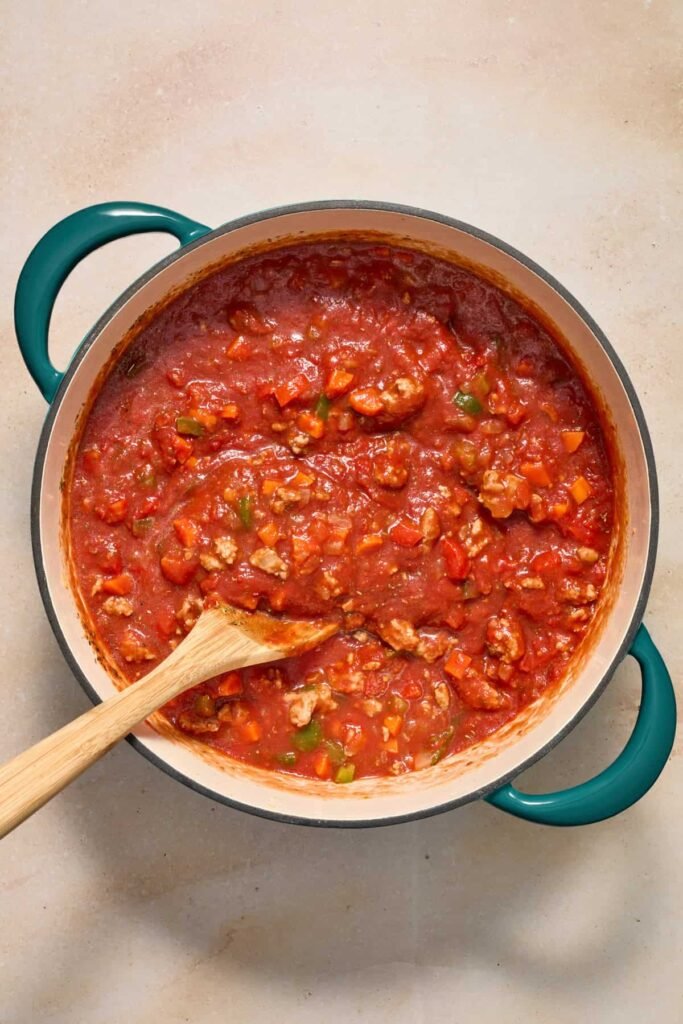
Dinner — Ground Turkey Taco Bowl: 5 oz seasoned ground turkey (cumin, chili powder, garlic), ½ cup brown rice, black beans (¼ cup), salsa, shredded lettuce, 2 tbsp Greek yogurt instead of sour cream, and a few slices of jalapeño. Macros: ~510 cal | 42g protein | 14g fat | 52g carbs
Snack — Apple and Protein Shake: 1 medium apple with a simple protein shake (1 scoop whey or plant protein powder in water). Macros: ~220 cal | 25g protein | 2g fat | 30g carbs
Day Total: ~1,520 cal | 125g protein | 47g fat | 154g carbs
Day 3 — Wednesday: Midweek Momentum
Breakfast — Overnight Oats: ½ cup rolled oats, 1 cup unsweetened almond milk, 1 scoop vanilla protein powder, 1 tbsp chia seeds, ½ cup raspberries. Prepare the night before — shake, refrigerate, done. Macros: ~380 cal | 32g protein | 8g fat | 44g carbs
Lunch — Big Tuna Salad Bowl: 2 cans wild albacore tuna, large bowl of mixed greens, ½ cup chickpeas, cherry tomatoes, cucumber, red onion, 1 tbsp olive oil, red wine vinegar, Dijon mustard dressing. Macros: ~430 cal | 46g protein | 10g fat | 30g carbs
Dinner — Lemon Herb Chicken Thighs 2 bone-in, skin-on chicken thighs (5–6 oz each) marinated in lemon juice, garlic, oregano, and olive oil, baked at 425°F. Served with 1 cup roasted cauliflower and ½ cup roasted beets. Macros: ~500 cal | 42g protein | 22g fat | 24g carbs
Snack — Rice Cake Stack 2 rice cakes, 2 tbsp natural peanut butter, sliced banana (½ medium). Macros: ~240 cal | 7g protein | 9g fat | 32g carbs
Day Total: ~1,550 cal | 127g protein | 49g fat | 130g carbs
Day 4 — Thursday: The Halfway Reset
Breakfast — High Protein Smoothie: 1 scoop of chocolate protein powder, 1 cup of frozen spinach, 1 frozen banana, 1 tbsp of almond butter, 1 cup unsweetened oat milk, and a small handful of ice. Blend until smooth. Macros: ~380 cal | 30g protein | 10g fat | 48g carbs
Lunch — Leftover Chicken Thigh Grain Bowl: Shred leftover chicken thighs from Wednesday over ½ cup farro or brown rice, roasted zucchini, sliced avocado (¼), drizzle of tahini-lemon sauce (1 tbsp tahini + lemon + water + garlic). Macros: ~470 cal | 36g protein | 18g fat | 40g carbs

Dinner — Shrimp Stir-Fry 5 oz shrimp sautéed with garlic, ginger, broccoli, snap peas, bell peppers, and a low-sodium tamari glaze. Served over ½ cup of brown rice. Macros: ~420 cal | 38g protein | 7g fat | 42g carbs
Snack — Boiled Eggs and Crackers: 2 hard-boiled eggs with 6 whole-grain crackers and a few slices of cucumber. Macros: ~210 cal | 14g protein | 11g fat | 16g carbs
*Day Total: ~1,480 cal | 118g protein | 46g fat | 146g carbs
Day 5 — Friday: Feel-Good Friday
Breakfast — Avocado Toast With Eggs: 2 slices whole grain sourdough toast, ½ mashed avocado with lemon and red pepper flakes, 2 poached eggs on top. Sprinkle with everything bagel seasoning. Macros: ~430 cal | 22g protein | 20g fat | 40g carbs
Lunch — Caprese Chicken Salad 4 oz grilled chicken sliced over fresh mozzarella, cherry tomatoes, fresh basil, drizzle of balsamic glaze, and 1 tsp olive oil. Served with a small side of whole-grain bread. Macros: ~440 cal | 40g protein | 18g fat | 26g carbs
Dinner — Lean Beef and Veggie Bowl 4 oz 95% lean ground beef seasoned with Italian herbs, served over zucchini noodles with a simple tomato-basil marinara (no added sugar), topped with 2 tbsp ricotta and fresh parsley. Macros: ~460 cal | 40g protein | 18g fat | 24g carbs
Snack — Protein Yogurt Parfait ½ cup Greek yogurt mixed with 1 scoop vanilla protein powder, topped with a small handful of granola (low sugar) and blueberries. Macros: ~270 cal | 30g protein | 5g fat | 28g carbs
Day Total: ~1,600 cal | 132g protein | 61g fat | 118g carbs
Day 6 — Saturday: Weekend Done Right
Breakfast — Protein Pancakes Blend 1 banana, 2 eggs, 1 scoop vanilla protein powder, ½ tsp baking powder, pinch of cinnamon. Cook as small pancakes in coconut oil. Top with fresh berries and a tablespoon of Greek yogurt. Macros: ~380 cal | 34g protein | 12g fat | 36g carbs
Lunch — Grilled Salmon Wrap 4 oz grilled or canned salmon, large whole wheat tortilla, spinach, sliced avocado (¼), cucumber, capers, Greek yogurt-dill sauce (2 tbsp Greek yogurt + dill + lemon). Macros: ~450 cal | 36g protein | 16g fat | 36g carbs
Dinner — Baked Chicken Breast With Sweet Potato and Green Beans 6 oz chicken breast marinated in olive oil, garlic, smoked paprika, baked alongside 1 medium sweet potato (cubed) and a full handful of green beans roasted with a little olive oil and sea salt. Simple, filling, genuinely satisfying. Macros: ~510 cal | 48g protein | 12g fat | 44g carbs
Snack — Dark Chocolate and Nuts 1 oz mixed nuts (almonds, cashews, walnuts) with 1 small square of dark chocolate (85%+) and a cup of herbal tea. This one feels like a treat and technically is. No guilt required. Macros: ~190 cal | 5g protein | 15g fat | 10g carbs
Day Total: ~1,530 cal | 123g protein | 55g fat | 126g carbs
Day 7 — Sunday: Batch Cook and Rest
Breakfast — Savory Egg Muffins (Meal Prep Friendly) Whisk 5 eggs with diced bell pepper, spinach, turkey sausage crumble, and shredded cheese. Pour into a greased muffin tin and bake at 375°F for 20 minutes. Eat 3 today, refrigerate the rest for Monday morning. Macros: ~310 cal | 28g protein | 18g fat | 6g carbs
Lunch — Lentil and Vegetable Soup 1.5 cups hearty homemade lentil soup (green lentils, diced carrots, celery, onion, garlic, diced tomatoes, low-sodium broth, cumin, turmeric). Serve with 1 slice of whole-grain bread. Macros: ~380 cal | 20g protein | 4g fat | 62g carbs
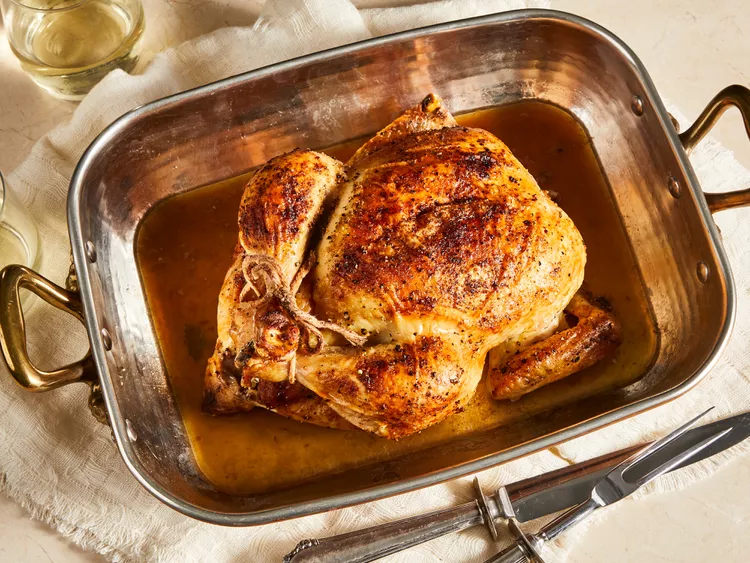
Dinner — Sunday Roast Chicken Thighs With Grain and Greens 2 roasted chicken thighs with roasted garlic, herbs de Provence, served over ½ cup farro with sautéed kale in olive oil and lemon zest. This is the kind of meal that makes you feel like you’ve actually got it together. Macros: ~520 cal | 44g protein | 22g fat | 34g carbs
Snack — Cottage Cheese With Pineapple ¾ cup cottage cheese with ½ cup fresh or canned pineapple chunks (in juice, drained). Protein-packed, sweet enough to satisfy dessert cravings. Macros: ~185 cal | 20g protein | 4g fat | 20g carbs
Day Total: ~1,395 cal | 112g protein | 48g fat | 122g carbs (Add a protein shake or extra portion at lunch to meet your full daily targets)
Complete Grocery List — Print Before You Shop
Protein:
- Chicken breasts (3–4, 6 oz each)
- Bone-in chicken thighs (4–6)
- Ground turkey (1 lb, 93% lean)
- 95% lean ground beef (1 lb)
- Salmon fillets (wild-caught, 3 portions)
- Shrimp (1 lb, peeled and deveined — frozen is perfectly fine)
- Eggs (2 dozen)
- Canned wild albacore tuna (4–5 cans)
- Sliced turkey breast deli meat (nitrate-free preferred)
- Turkey sausage (for Sunday egg muffins)
- Whey or plant-based protein powder (vanilla and chocolate)
- Full-fat plain Greek yogurt (large tub)
- Full-fat cottage cheese (large tub)
- Fresh mozzarella (small ball)
- Ricotta cheese (small container)
Produce:
- Spinach and mixed greens (large bags)
- Kale (1 bunch)
- Broccoli and cauliflower
- Zucchini (3–4 medium)
- Sweet potatoes (3–4 medium)
- Bell peppers (red, orange, yellow — 4 total)
- Snap peas and green beans
- Cherry tomatoes (2 pints)
- Cucumber (3 medium)
- Mushrooms (2 packages)
- Beets (small bunch, or pre-cooked packaged)
- Avocados (4–5 ripe)
- Blueberries, raspberries, strawberries (fresh or frozen)
- Banana (4–5)
- Apple (3–4)
- Pineapple (1 can in juice or fresh)
- Fresh lemon and lime (4–5)
- Garlic (1–2 heads)
- Fresh ginger (1 knob)
- Yellow onion, red onion, green onion
- Fresh herbs: dill, basil, parsley, oregano
Grains and Legumes:
- Rolled oats (large container)
- Quinoa (1 lb bag)
- Brown rice (1 lb bag)
- Farro (1 lb bag)
- Whole-grain sourdough bread and whole-grain sandwich bread
- Large whole wheat tortillas (1 package)
- Rice cakes (plain or lightly salted)
- Whole grain crackers (6–8g carbs per serving, clean label)
- Green or brown lentils (1 lb bag or 2 cans)
- Canned black beans and chickpeas (2 cans each)
Pantry:
- Extra virgin olive oil and coconut oil
- Low-sodium tamari or soy sauce
- Hummus (store-bought or homemade)
- Tahini
- Natural peanut butter and almond butter (no added sugar)
- Dijon mustard
- Balsamic glaze (look for one without a lot of added sugar)
- Canned crushed tomatoes and diced tomatoes (3 cans)
- Low-sodium chicken broth and vegetable broth (2 cartons each)
- Chia seeds, hemp seeds, flaxseeds
- Mixed nuts: almonds, walnuts, cashews (unsalted)
- Dark chocolate 85%+ (1 bar)
- Raw honey (small jar)
- Low-sugar granola (check label — under 6g sugar per serving)
- Everything bagel seasoning
- Spices: cumin, chili powder, smoked paprika, garlic powder, onion powder, oregano, herbs de Provence, turmeric, cinnamon, red pepper flakes
- Sea salt and black pepper
- Unsweetened almond milk and oat milk (1 carton each)
- Capers (small jar)
- Red wine vinegar and apple cider vinegar
Affiliate Picks That Make Macro Tracking Easier
| Product | Why Women Love It | Best Use in This Plan |
| Optimum Nutrition Gold Standard 100% Whey | Best-in-class protein-to-calorie ratio, 24g protein per scoop, mixes cleanly | Smoothies, overnight oats, protein pancakes, yogurt parfait |
| Stocking oats, nut butters, and protein powder affordably | Top plant protein option — no gritty texture, 21g protein per scoop | Vegan-friendly swap for all smoothie and baking uses |
| Primal Kitchen Avocado Oil Mayo | Seed oil–free, no added sugar, clean label | Tuna salad, wraps, any recipe calling for mayo |
| Wild Planet Wild Albacore Tuna (no salt added) | Sustainably caught, BPA-free can, better texture than most | Wednesday and Monday tuna bowls |
| Lakanto Monk Fruit Sweetener | Zero glycemic impact, no aftertaste — genuinely the best sugar substitute | Yogurt, oatmeal, pancakes, coffee |
| Thrive Market Membership | 25–50% off organic pantry staples, ships to your door | Macro tracking with custom goals, barcode scanner, and restaurant database |
| MyFitnessPal Premium | Essential for the first 2 weeks of macro learning | Tracking your daily macros accurately and without stress |
| Renpho Kitchen Food Scale | Affordable, compact, highly accurate — takes the guesswork out of portion sizes | Essential for first 2 weeks of macro learning |
| Instant Pot Duo 7-in-1 (6 Qt) | Batch cooks grains, soups, and chicken in a fraction of the time | Sunday prep: lentil soup, grain batches, pulled chicken |
| YETI Rambler 36 oz Water Bottle | Keeps water cold all day — hydration directly affects fat loss and hunger | Daily hydration goal: half your body weight in ounces |
Prices vary. Some links may be affiliate links. Always verify current listings before purchasing.
Common Macro Mistakes Women Make (And Why They Stall)
Learning to track macros is genuinely empowering — and also genuinely easy to get slightly wrong in ways that matter. Here’s where most beginners run into trouble, and exactly what to do instead.
- Underestimating protein: This is the single most common macro mistake women make. Most diet culture conditioning has taught us to fear food, not optimize it — so protein feels like “too much.” It isn’t. Hitting 120–140g of protein daily is what protects your muscle while you’re in a deficit. Without enough protein, your body breaks down muscle for energy, your metabolism slows, and fat loss stalls. Prioritize protein at every single meal.
- Setting too aggressive a calorie deficit: Eating 1,000–1,200 calories per day feels disciplined. What it actually does is crash your metabolism, disrupt your hormones (particularly cortisol and estrogen), and set you up for a rebound the moment you eat normally again. A 300–500 calorie deficit is more effective over time. Slower progress is real progress.
- Ignoring liquid calories: A flavored latte, a glass of wine, a sports drink — none of these register as “food” intuitively, but they absolutely count toward your daily macros and calories. One Starbucks drink can contain 40+ grams of carbs and minimal protein. Drink water, black coffee, herbal tea, and plain sparkling water as your primary beverages.
- Being inconsistent with tracking: Tracking breakfast and lunch, but eyeballing dinner leaves the most calorie-dense meal of the day unaccounted for. If you’re going to track, track consistently — at least for the first 4–6 weeks while you’re building intuition. Even rough tracking beats no tracking for most beginners.
- Fearing carbohydrates completely: Carbs are not the enemy — the wrong type and amount of carbs in the wrong context is the issue. Oats, quinoa, brown rice, sweet potatoes, and fruit are not the reason people struggle to lose fat. Ultra-processed, high-sugar, low-fiber carbs are. Keep your carbohydrates whole-food based and you’ll feel energized, not bloated.
- Not adjusting macros as weight changes: Your macro targets are calculated based on your current body weight. As you lose 10–15 pounds, your maintenance calories drop, and your targets need to be recalculated. Most women forget this step and wonder why fat loss has slowed — it’s not a plateau, it’s just math catching up. Recalculate every 10 pounds or so.
- Skipping meals to “save” macros: Skipping breakfast to eat more at dinner sounds logical, but it typically backfires. Skipped meals lead to lower energy, worse workout performance, more intense cravings, and a higher likelihood of overeating at the next meal. Distribute your macros across 3–4 meals and 1–2 snacks for the most stable energy and best results.
FAQ: Macro Meal Plan for Fat Loss — Women’s Edition
Q: How fast will I lose fat tracking macros?
A: With a moderate 300–500 calorie deficit and consistent macro targets, most women lose 0.5–1.5 pounds of actual body fat per week. In the first 1–2 weeks, the scale may drop faster due to water weight and glycogen depletion — this is normal. Real, sustained fat loss settles into that 0.5–1.5 pound weekly range, which translates to 6–18 pounds over 3 months. Slow and steady not only works — it’s the version that actually lasts.
Q: Do I need to hit my macros exactly every day?
A: No — and trying to hit them exactly will drive you crazy. Aim to get within 5–10% of your protein target daily (protein is the most important one) and within 10–15% of your carb and fat targets. Over the course of a week, the averages matter far more than any single day. One high-carb day surrounded by six on-target days won’t derail you.
Q: What’s the best macro ratio for women trying to lose fat?
A: For most women in a fat loss phase, a good starting point is roughly: 30–35% of calories from protein, 25–30% from fat, and 35–40% from carbohydrates. This ratio keeps protein high enough to preserve muscle, fat adequate for hormones, and carbs sufficient for energy and workout performance. Individual needs vary based on activity level, age, and hormonal factors.
Q: Can I still lose fat if I don’t exercise?
A: Yes — fat loss is primarily driven by diet, not exercise. A caloric deficit is the non-negotiable piece. That said, adding even 2–3 sessions of resistance training per week dramatically improves body composition (the ratio of fat to muscle), boosts your resting metabolic rate, and makes fat loss noticeably faster and more visible. Exercise also supports hormonal balance and mental health, both of which affect adherence. You don’t need it. You’ll be glad you included it.
Q: Should I eat back calories burned during exercise?
A: It depends on how you set your deficit. If you calculated maintenance calories using a “sedentary” multiplier (not accounting for exercise), then yes — you may need to eat back some exercise calories to avoid too deep a deficit. If you used an “active” multiplier, your exercise is already accounted for, and you shouldn’t eat back. Most people err on the side of slight under-eating, which is generally fine as long as you’re not feeling chronically fatigued.
Q: Is macro tracking the same as flexible dieting?
A: Essentially yes — flexible dieting, sometimes called IIFYM (If It Fits Your Macros), is simply the practice of eating any foods that fit within your daily macro targets, rather than following a rigid “clean eating only” list. The meal plan in this guide uses predominantly whole, nutrient-dense foods, but the principle is the same: hit your numbers, and you have flexibility in how you do it. This approach has a high adherence rate precisely because it doesn’t require eliminating entire food groups or labeling foods as “bad.”
Q: Can I follow this plan while breastfeeding?
A: Not without modification. Breastfeeding significantly increases caloric and nutritional needs — most guidelines recommend an additional 400–500 calories per day while nursing. A fat loss deficit is generally not recommended during active breastfeeding, as it can affect milk supply and nutrient transfer to the baby. Speak with your OB or a registered dietitian who specializes in postpartum nutrition before beginning any intentional caloric deficit.
Q: What if I don’t like some of the foods in the plan?
A: Swap freely within the same macronutrient category. Don’t like salmon? Use chicken or tuna. Not a fan of quinoa? Use brown rice or farro. Hate cottage cheese? Substitute Greek yogurt. The macro targets are what matter — the specific foods in the plan are vehicles for hitting those targets, not requirements. Build a version that you’ll actually enjoy eating.
Your Next Step Starts Right Now — Here’s Exactly What to Do
You’ve read the whole thing. You understand your macros. You have a meal plan, a grocery list, and a clear picture of the mistakes to avoid. Now the only thing standing between you and real, sustainable fat loss is the next decision you make.
Here’s your action plan for the next 24 hours:
- Calculate your personal macro targets using the formula in this guide. Write the numbers down somewhere visible — your phone notes, your fridge, wherever you’ll see them.
- Screenshot or print the grocery list and pick a day this week to shop. Sunday is popular, but any day works. The key is doing it before the week starts, so you’re not improvising when you’re tired and hungry.
- Download a macro tracking app — MyFitnessPal, Cronometer, or Carb Manager are all excellent free options. Log your first meal. That’s it for now.
- Cook one batch item on Sunday — a pot of grains, a tray of roasted vegetables, some hard-boiled eggs. Just one. Fifteen minutes of prep work changes the entire trajectory of your week.
- Give it 21 days before you judge it. The first week, you’re learning. The second week, you’re adjusting. The third week is when it starts to feel natural — and when you’ll start seeing real changes.
You don’t need a perfect plan. You need a plan you’ll actually follow. This is it.
The version of you who hits her goals isn’t more disciplined or more motivated than you are right now. She just started before she felt ready. That can be you. It genuinely can.
Start today.
This article is for informational and educational purposes only. Please consult a registered dietitian or your healthcare provider before beginning any new dietary program, particularly if you have a medical condition, are pregnant or breastfeeding, or are taking medications that may be affected by dietary changes.


Add Comment