
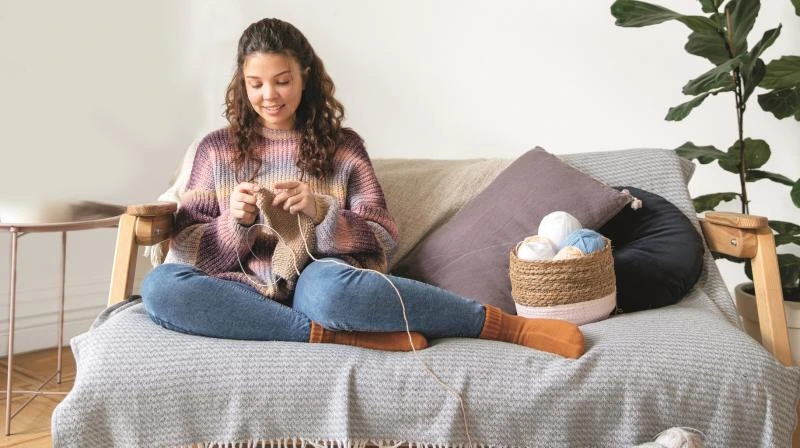
The phrase signals a quiet rebellion against burnout culture: choosing ease over exhaustion and intentional joy over endless hustle. But here’s the truth: no one posts on aesthetic feeds—soft lifestyle doesn’t require luxury price tags, designer labels, or constant travel. It requires clarity, systems, and boundaries.
This in-depth guide shows you how to live a soft lifestyle without overspending, avoid lifestyle creep, and genuinely feel lighter—financially, mentally, and emotionally. No fluff. No guilt. Just practical steps you can start today.
Table of Contents
What does “soft lifestyle” really mean?
A soft lifestyle is not laziness or avoidance. It’s:
-
Choosing peace over pressure
-
Living intentionally, not impulsively
-
Prioritizing well-being over hyper-productivity
-
Replacing chaos with supportive routines
-
Detaching self-worth from consumption
At its core, it’s financially calm living—not overspending to perform ease, but creating real ease through smarter choices.
Ironically, people overspend trying to look like they’re living soft, then feel more stressed than ever.
This guide fixes that.
The biggest myth: A soft lifestyle requires money
You’ve probably seen curated versions online—bouquets, brunches, beaches, and beige interiors.
Here is the myth:
To live soft, you must spend big.
Here is reality:
Soft lifestyle is less about buying comfort and more about removing stressors.
Overspending creates:
-
Credit card anxiety
-
Survival-mode thinking
-
Decision fatigue
-
Dependency on instant dopamine purchases
-
Mental load from clutter
Soft lifestyle is:
-
Paid bills on autopilot
-
A calendar with breathing room
-
Meals planned with ease
-
A room that feels calm, not crowded
-
Money decisions that feel light
The truth is powerful: you can live a soft lifestyle without overspending—and it often feels even softer.
Why do people overspend trying to live a soft lifestyle
Let’s be honest.
Overspending usually comes from:
-
Copying social media aesthetics
-
Emotional purchases after stressful days
-
Belief that you must reward yourself with items
-
Trying to look successful instead of feeling peaceful
-
Equating expensive with high quality
-
Confusing convenience with fulfillment
Retail therapy is not therapy. It’s a receipt.
Soft living begins when you stop buying every feeling and start designing your environment, habits, and finances for ease.
How to live a soft lifestyle without overspending (step-by-step)
This is where the shift happens. Below are practical, psychology-backed strategies you can implement now without depriving yourself.
Step 1: Redefine what “luxury” actually means for you
Luxury is not what algorithms suggest.
Luxury might be:
-
Not waking up to an alarm
-
Silence
-
Time to read
-
Healthy boundaries
-
Sunlight in the morning
-
Meals that don’t feel rushed
-
Clothes that fit comfortably
Write this down:
-
What makes my nervous system relax?
-
What used to make me happy as a child?
-
What do I think expensive things will make me feel?
Often, the feeling—not the item—is what you want.
That is the key to how to live a soft lifestyle without overspending.
Step 2: Build a soft-life budget that feels freeing, not restrictive
A soft lifestyle budget does three things:
-
Maintains stability
-
Prevents guilt spending
-
Funds small pleasures intentionally
Use this simple framework:
-
Essentials: housing, food, utilities
-
Financial peace: savings, investments, emergency fund
-
Soft lifestyle joy: books, candles, cafes, beauty, hobbies
Label the last category, soft lifestyle fund. That tiny linguistic shift ends guilt spending.
Budgeting is not saying “no.”
It’s deciding where your “yes” matters most.
Step 3: Practice “slow upgrades” instead of impulsive buying
Soft lifestyle thrives on gradual elevation.
Instead of constant hauls, try:
-
Upgrade one space per month
-
Replace one low-quality habit at a time
-
Buy one timeless piece, not multiple trendy ones
-
Repair before replacing
-
Borrow or rent before buying
Gradual refinement beats sudden reinvention.
This is the sustainable answer to how to live a soft lifestyle without overspending.
Step 4: Romanticize the ordinary instead of chasing novelty
Soft lifestyle isn’t about escape; it’s about presence.
Romanticize:
-
Morning light through curtains
-
Journaling before work
-
Long showers with music
-
Slow breakfasts
-
Grocery strolls with a list
-
Skincare without rush
Your life becomes softer when routine becomes ritual.
And rituals are free.
Step 5: Declutter—mental ease begins with physical space
Clutter is visual noise. It increases stress hormones.
Soft lifestyle requires room to breathe.
Do this today:
-
Clear one surface
-
Unsubscribe from unnecessary emails
-
Remove three apps you doom scroll
-
Donate clothes that don’t fit your present life
Minimalism is not deprivation.
It’s subtraction for clarity.
Decluttering is one of the simplest strategies for how to live a soft lifestyle without overspending because it stops re-buying items you forgot you already own.
Step 6: Build “soft systems” that automate easily
Soft lifestyle isn’t unstructured—it’s wisely structured.
Create systems that save energy:
-
Meal rotations instead of complex planning
-
Capsule wardrobe to reduce outfit stress
-
Automatic bill payments
-
Routine refill schedule for essentials
-
Weekly reset day
Systems eliminate decision fatigue—the silent enemy of a soft lifestyle.
Step 7: Choose timeless over trendy
Trends are expensive. Timeless is soft.
Apply this to:
-
Clothing
-
Makeup looks
-
Interior decor
-
Routines
Ask:
Will this still feel like me in three years?
Timeless choices prevent constant upgrading—and that is how to live a soft-life lifestyle without overspending long-term.
Step 8: Build soft-lifestyle habits instead of soft-lifestyle purchases
These habits cost nothing:
-
Saying “no” without essays
-
Slow breathing before reacting
-
Prioritizing sleep
-
Daily walking
-
Drinking water regularly
-
Journaling brain clutter
-
Limiting chaos-creating people
Peace is the most luxurious lifestyle element.
Step 9: Reduce comparison—the real financial leak
Comparison convinces you you’re behind.
It quietly says:
-
Buy faster
-
Upgrade constantly
-
Don’t repeat outfits
-
Spend to be seen
Unfollow accounts that trigger compulsive spending or inadequacy.
Choose creators who:
-
Teach
-
Soothe
-
Educate
-
Encourage realism
Comparison steals contentment. Contentment is the backbone of how to live a soft lifestyle without overspending.
Step 10: Replace high-cost coping mechanisms with nourishing ones
People overspend the most when stressed.
Swap:
-
Impulse shopping → journaling or walking
-
Expensive takeout → slow easy home dinners
-
Endless scrolling → hobby time
-
Alcohol nights → restful rituals
Cozy doesn’t equal costly.
Step 11: Learn the “three-day desire rule”
Soft lifestyle uses delayed gratification, not denial.
Rule:
If you want something non-essential, wait three days.
Ask yourself:
-
Is this solving a real problem?
-
Does this align with my soft lifestyle vision?
-
Am I buying emotion, not item?
Most impulses dissolve. True needs stay.
This single rule transforms how to live a soft lifestyle without overspending in real time.
Step 12: Build multiple streams of calm—not just income
Soft lifestyle isn’t only financial; it’s emotional diversification.
Create:
-
Multiple relaxation outlets
-
Multiple support people
-
Multiple joy sources
When one area wobbles, life still feels soft.
Financial security helps—overspending destroys it.
Step 13: Prioritize experiences that restore, not perform
There is a difference between:
-
Doing something to post it
-
Doing something to feel it
Choose restorative experiences:
-
Picnics
-
Long baths
-
Nature walks
-
Staying home guilt-free
-
Reading days
-
Creative hobbies
The more your joy costs $0, the softer life becomes.
Step 14: Practice self-compassion—the heart of a soft lifestyle
Soft lifestyle is not just candles and comforters.
It is:
-
Gentle self-talk
-
Forgiving your old spending mistakes
-
Releasing urgency to become someone else instantly
Self-compassion reduces shame spending.
And that is a foundational answer to how to live a soft lifestyle without overspending—healing why you buy.
Signs you are already moving into soft life
You’ll notice:
-
urgency disappears
-
You don’t crave constant upgrades
-
Loneliness decreases when consumption decreases
-
Your schedule has air in it
-
Your space feels calmer
-
Spending aligns with values
-
Your nervous system feels… quiet
This is real soft life—and you did it without overspending.
Quick checklist you can screenshot today
-
□ I know what soft life means to me
-
□ I have a soft-life budget
-
□ I use the three-day rule
-
□ My space supports calm
-
□ I romanticize routines
-
□ I spend for alignment, not applause
-
□ I’ve reduced comparison triggers
Every checked box compounds peace.
Final thoughts
Soft life is not earned through exhaustion. It is created through intention.
You don’t need to escape your life to enjoy it.
You need to redesign how you live inside it.
When you understand how to live a soft lifestyle without overspending, you unlock:
-
Financial peace
-
Mental clarity
-
Emotional ease
-
Meaningful joy
The softer your choices become, the lighter your life feels.
And none of it requires draining your bank account.




Add Comment