
15 high-protein low-carb dinner ideas for diabetics — that’s exactly what my aunt needed after her type 2 diagnosis left her staring at a grocery store like it was written in another language.
She wasn’t overweight. She exercised. She thought she ate reasonably well. And yet there she was, sitting across from her endocrinologist with a printed handout that basically said: eat less of almost everything you enjoy. No guidance on what to actually cook for dinner. No meal ideas. Just a list of things to fear.
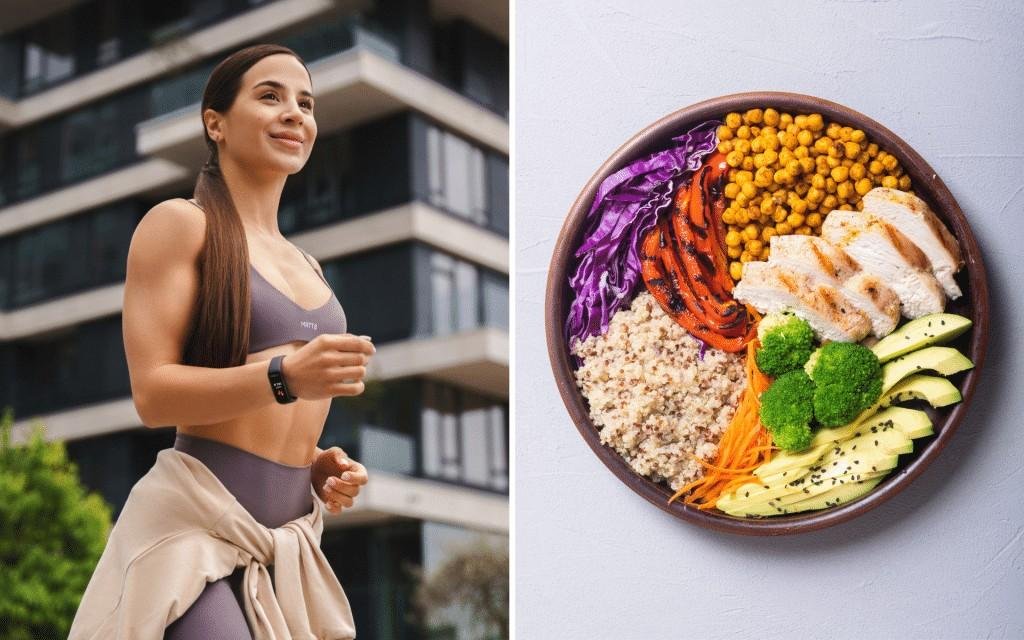
If that story sounds familiar — whether it’s you, a parent, a partner, or a friend — you’re in the right place. This guide is practical, realistic, and built around food that actually tastes good. Because eating for blood sugar control doesn’t have to mean eating sad food.
Table of Contents
Why High-Protein Low-Carb Dinner Ideas for Diabetics Actually Work
Let’s keep this short, because you came here for dinner ideas — not a medical lecture.
Here’s where protein and the strategic reduction of carbs come in:
- Protein has a minimal effect on blood glucose. It digests slowly and triggers a far smaller insulin response than carbohydrates do. This means stable blood sugar after meals — no spike, no crash.
- Low-carb eating directly reduces glucose load. Less carbohydrate in equals less glucose to manage. Simple, but powerfully effective.
- Protein increases satiety. You stay fuller longer, which reduces the urge to snack on high-carb foods between meals.
- Muscle preservation matters for metabolic health. Higher protein intake helps preserve lean muscle mass, which improves insulin sensitivity over time — a significant benefit for type 2 diabetics, especially.
- Research supports it. A 2019 meta-analysis published in Diabetes Therapy found that low-carbohydrate diets produced significantly greater reductions in HbA1c (a key marker of long-term blood sugar control) compared to low-fat diets in people with type 2 diabetes.
15 High-Protein Low-Carb Dinner Ideas for Diabetics
1. Baked Lemon Herb Salmon with Roasted Asparagus
Salmon is arguably the most diabetic-friendly protein you can put on your plate. A 6 oz fillet delivers roughly 34 grams of protein and zero carbohydrates, plus omega-3 fatty acids that actively reduce inflammation — a major driver of insulin resistance.
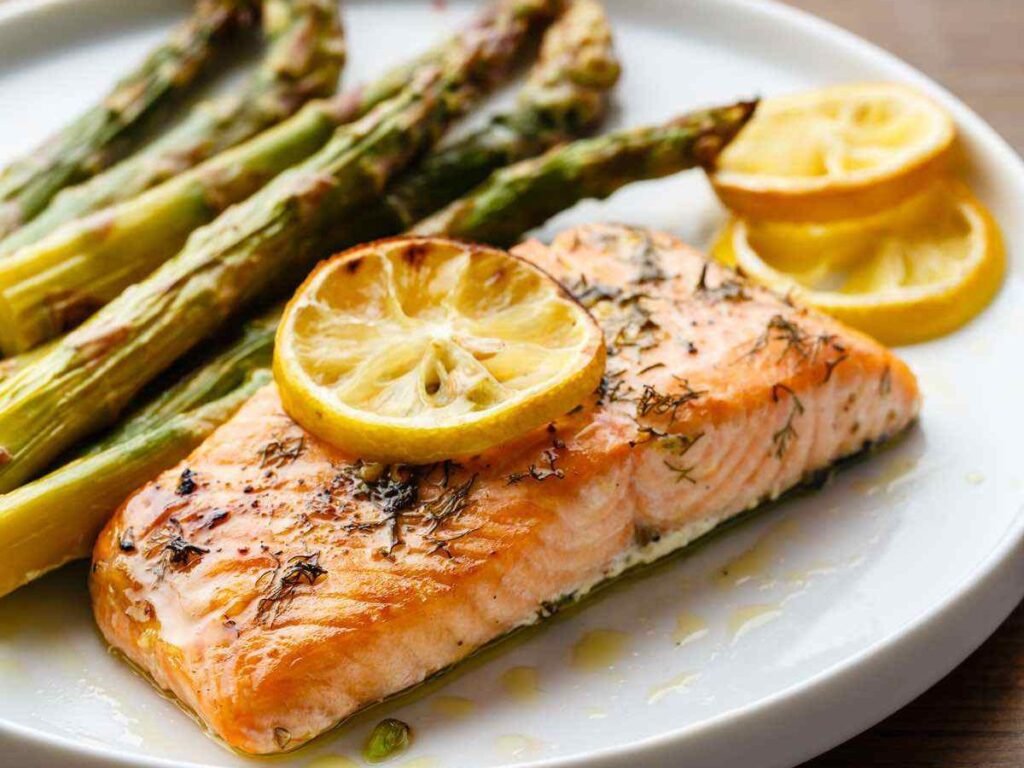
Coat the salmon in olive oil, lemon juice, garlic, and fresh dill. Roast at 400°F for 12–15 minutes. Toss asparagus spears with olive oil and sea salt. Dinner is done in 20 minutes, and it tastes like something from a restaurant.
Approximate macros per serving: 36g protein | 4g net carbs | 340 calories
2. Ground Turkey Lettuce Wraps
This is the weeknight workhorse. Brown 1 lb of ground turkey with garlic, ginger, diced water chestnuts, and low-sodium soy sauce or tamari. Spoon into butter lettuce cups. Top with shredded cabbage, sliced scallions, and a drizzle of sriracha.
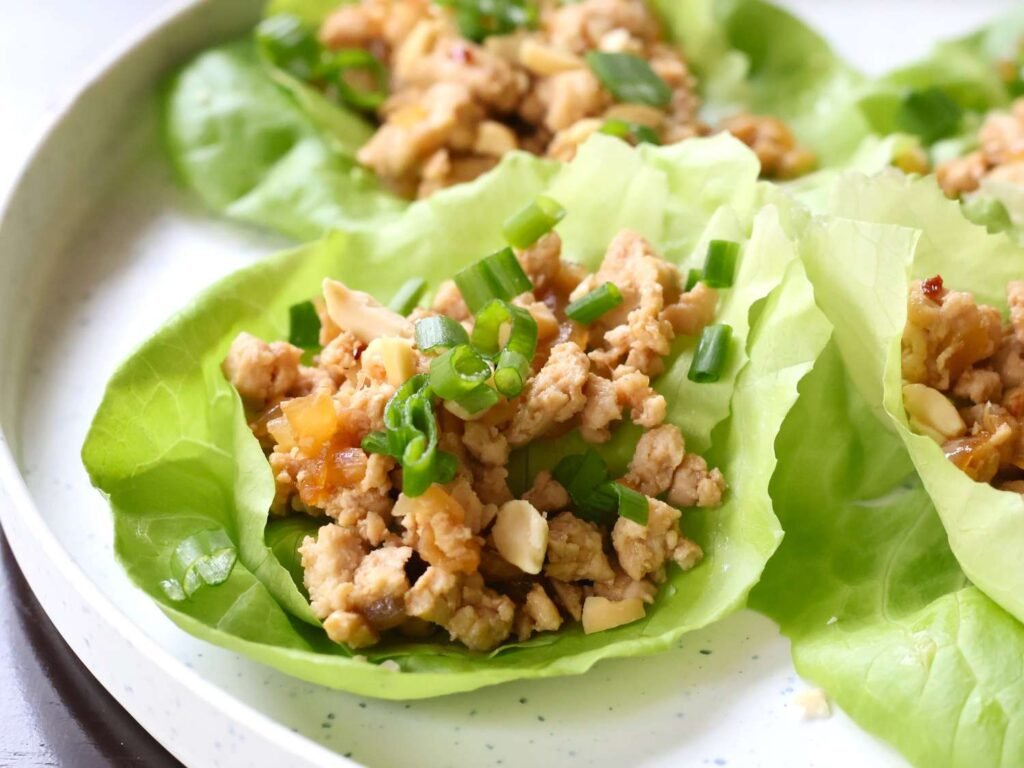
The lettuce replaces the tortilla completely — you lose the carbs, gain the crunch, and honestly don’t miss the wrap at all.
Approximate macros per serving: 28g protein | 6g net carbs | 290 calories
3. Zucchini Noodles with Chicken Pesto
Zoodles (zucchini spiralized into noodle shapes) have become a genuine staple in low-carb cooking because they actually work. They’re not pretending to be pasta — they’re their own thing, and they absorb sauce beautifully.
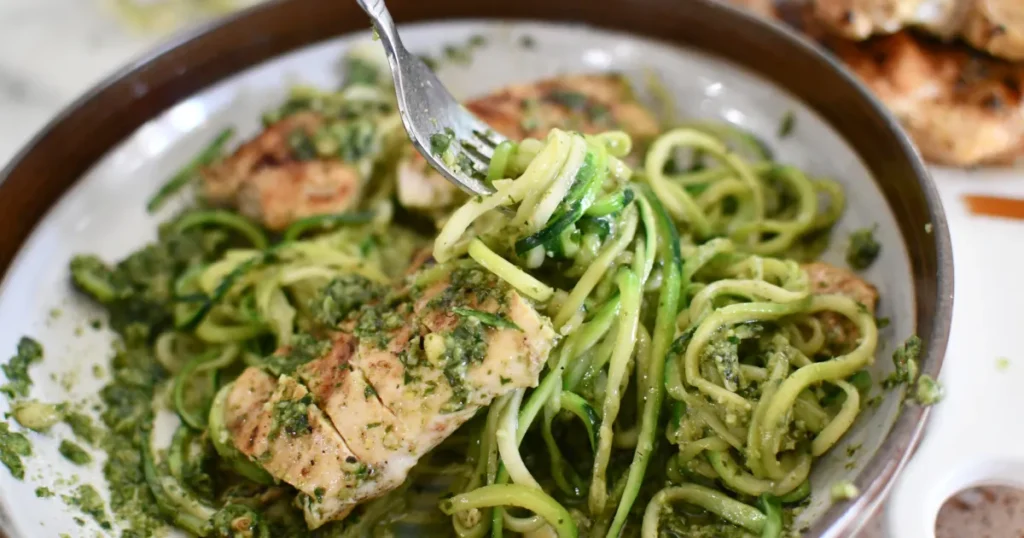
Toss them with grilled chicken breast, homemade or store-bought pesto (check the label for added sugar), and halved cherry tomatoes. Finish with freshly grated Parmesan.
Approximate macros per serving: 32g protein | 7g net carbs | 310 calories
4. Sheet Pan Chicken Thighs with Cauliflower and Green Beans
Bone-in, skin-on chicken thighs are more flavorful than breasts, cost less, and are hard to overcook — which makes them perfect for busy weeknights when you can’t babysit the oven.
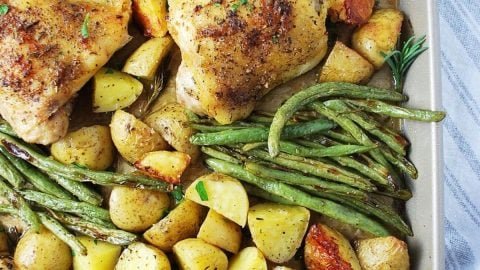
Season generously with smoked paprika, garlic powder, salt, and pepper. Scatter cauliflower florets and trimmed green beans around the pan. Roast everything at 425°F for 35–40 minutes. One pan, one cleanup.
Approximate macros per serving: 31g protein | 8g net carbs | 370 calories
5. Beef and Broccoli Stir-Fry (Low-Carb Version)
The takeout version is loaded with cornstarch and sugar. This version isn’t. Use thinly sliced flank steak or sirloin — about 1 lb for 2–3 servings — and cook it fast in a hot pan with sesame oil, garlic, and ginger. Add broccoli florets and a sauce made from low-sodium soy sauce, a tiny bit of erythritol or monk fruit sweetener, and a pinch of xanthan gum to thicken.
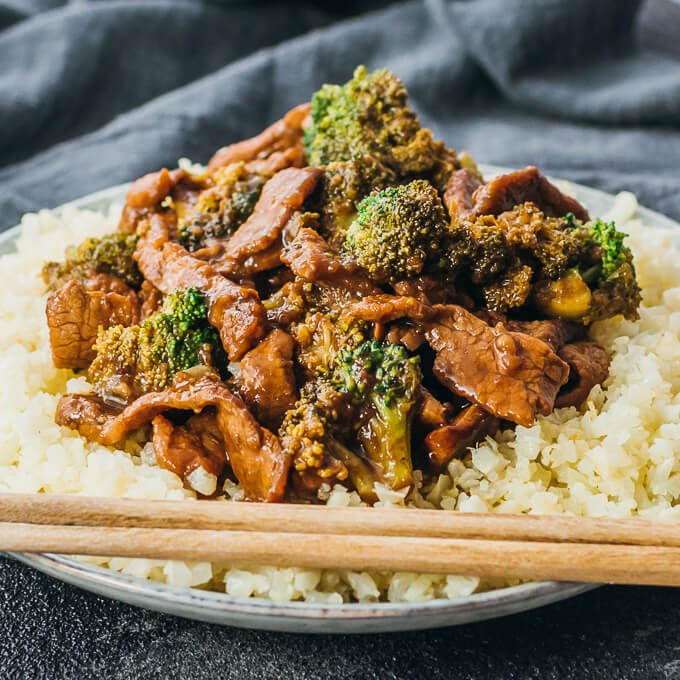
Serve over cauliflower rice instead of white rice and you have a complete meal that satisfies the craving without the glucose hit.
Approximate macros per serving: 33g protein | 9g net carbs | 350 calories
6. Egg and Vegetable Frittata
Frittatas are the kind of dinner that feels fancy but requires almost no skill. Whisk 6–8 eggs with a splash of heavy cream, salt, and pepper. Sauté your vegetables of choice — spinach, bell peppers, mushrooms, and onion work beautifully — then pour the egg mixture over them in an oven-safe skillet. Cook on the stovetop for 3–4 minutes, then finish under the broiler until puffed and golden.
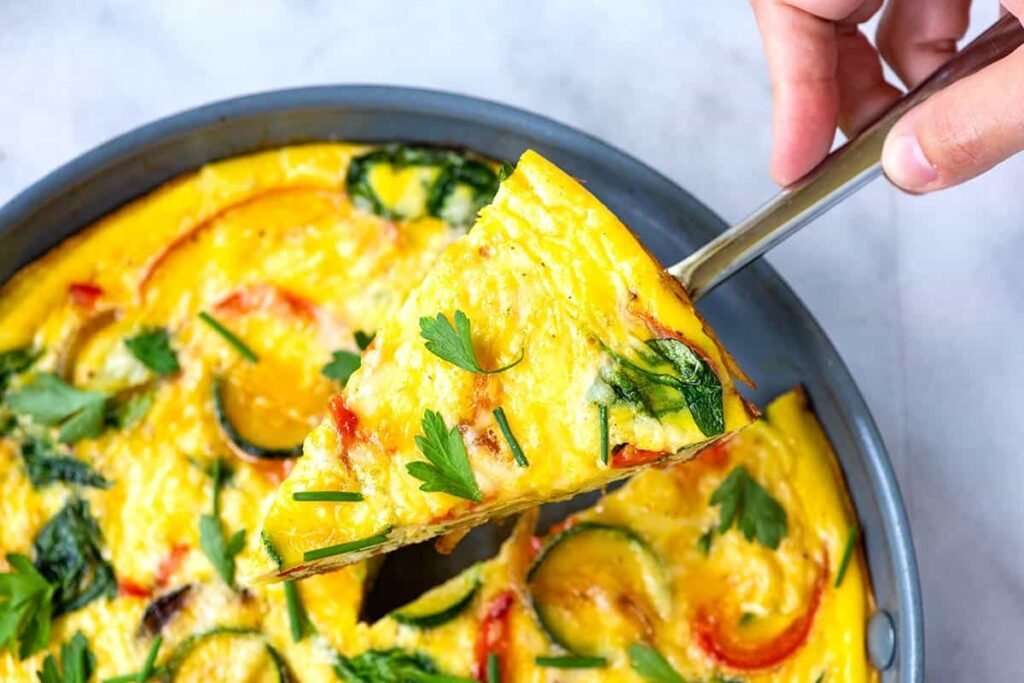
Add feta or goat cheese. Add herbs. Make it yours.
Approximate macros per serving (1/4 frittata): 22g protein | 5g net carbs | 260 calories
7. Shrimp and Cauliflower Fried “Rice”
Riced cauliflower has quietly earned its place in the low-carb kitchen. It’s not identical to rice — but when it’s cooked with soy sauce, sesame oil, garlic, egg, and shrimp, it absolutely works as a satisfying dinner.
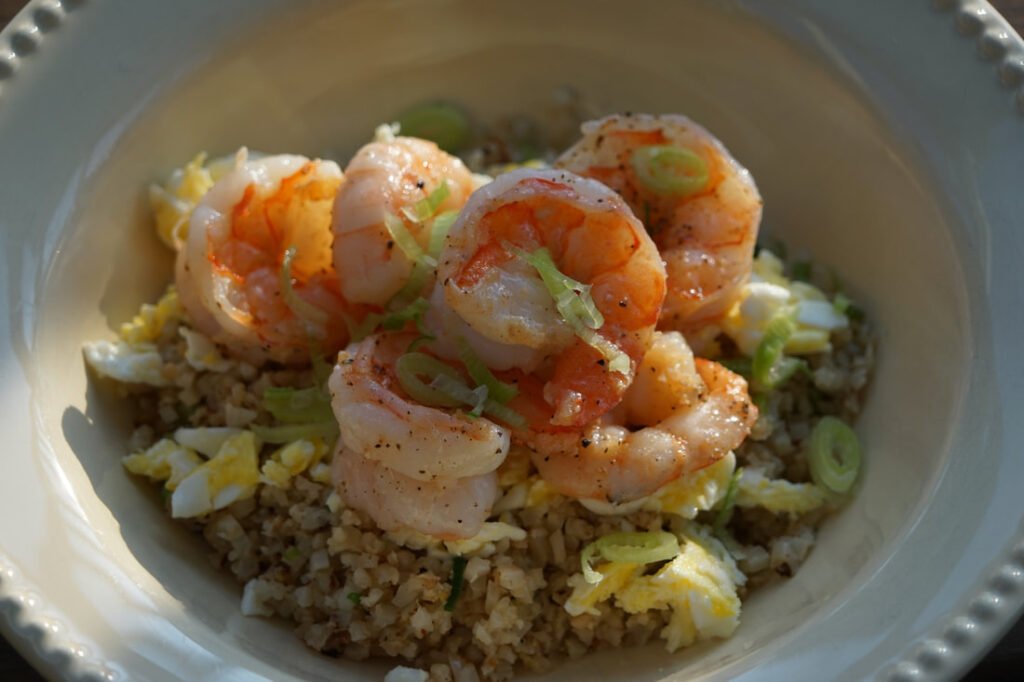
Use 1 lb of peeled medium shrimp. Cook the cauliflower rice in a hot wok or large skillet until slightly golden before adding the other ingredients. The key is high heat and not overcrowding the pan.
Approximate macros per serving: 29g protein | 8g net carbs | 280 calories
8. Baked Cod with Garlic Butter and Steamed Spinach
Cod is mild, affordable, and incredibly lean — a 6 oz portion has about 30 grams of protein with essentially zero fat and carbs, which makes it one of the purest protein sources available. That neutrality is also its secret weapon in the kitchen: it takes on whatever flavor you give it.
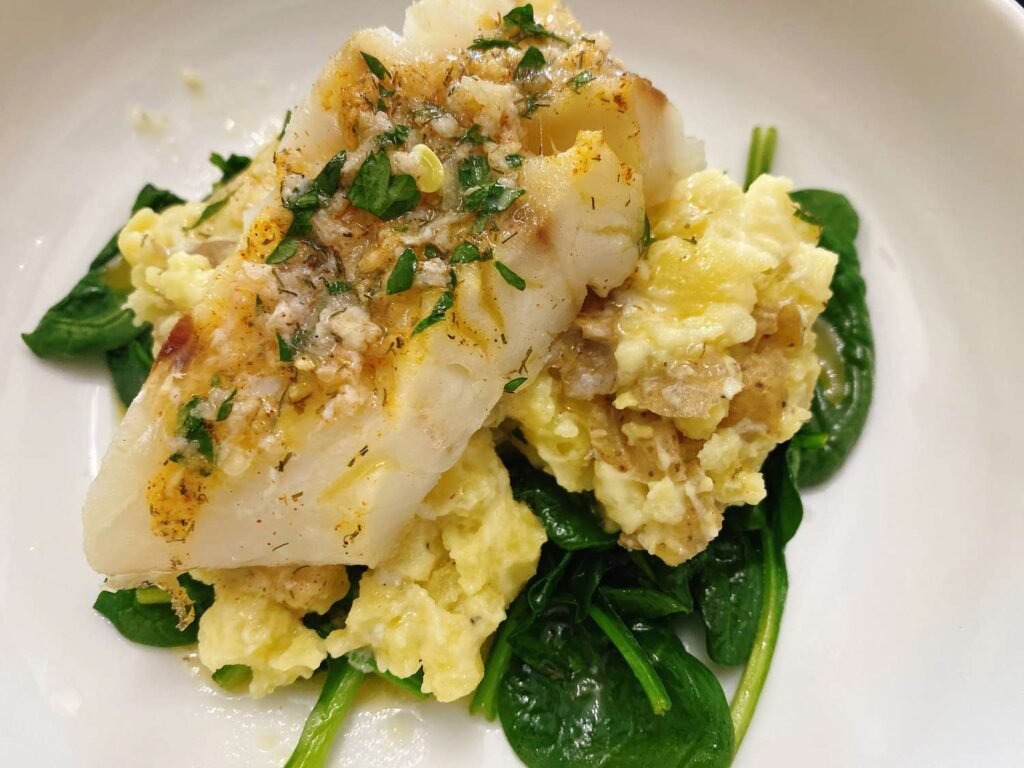
Garlic butter (real butter, not margarine) with lemon zest and capers is a classic pairing. Bake at 400°F for 12–14 minutes. Serve over a bed of lightly wilted spinach sautéed in olive oil.
Approximate macros per serving: 31g protein | 3g net carbs | 290 calories
9. Stuffed Bell Peppers (No Rice Version)
Traditional stuffed peppers use white rice as filler. Skip it. Fill halved bell peppers with a mixture of ground beef or turkey, diced tomatoes, garlic, Italian seasoning, and top with melted mozzarella. The pepper itself provides sweetness and structure — you genuinely won’t miss the rice.
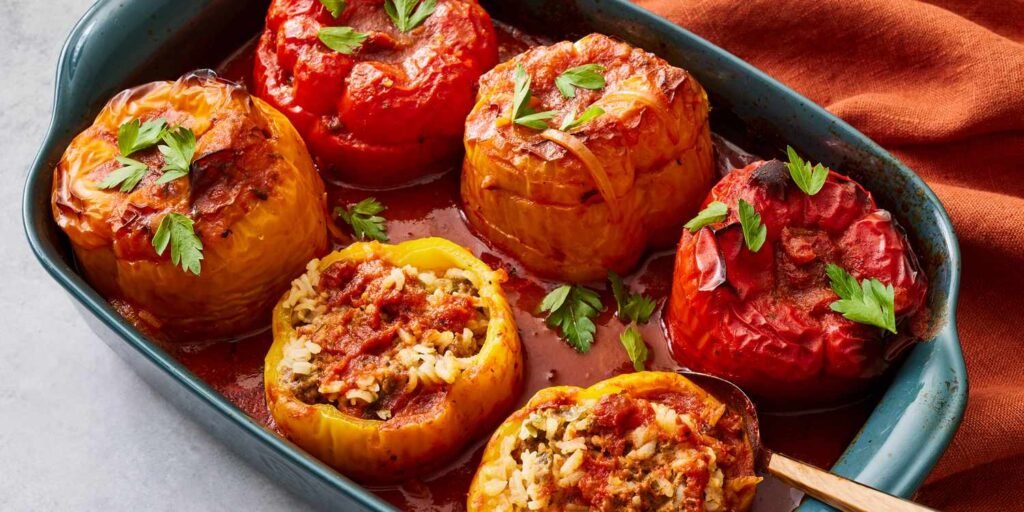
Use about 1.5 lbs of ground meat for four pepper halves.
Approximate macros per serving (2 halves): 34g protein | 10g net carbs | 360 calories
10. Grilled Chicken Caesar Salad (Crouton-Free)
A proper Caesar salad with a homemade or quality store-bought dressing, freshly grated Parmesan, romaine, and a well-seasoned grilled chicken breast is genuinely one of the most satisfying low-carb meals in existence. Drop the croutons — they add carbs, and honestly, the texture of the Parmesan and romaine is crunch enough.
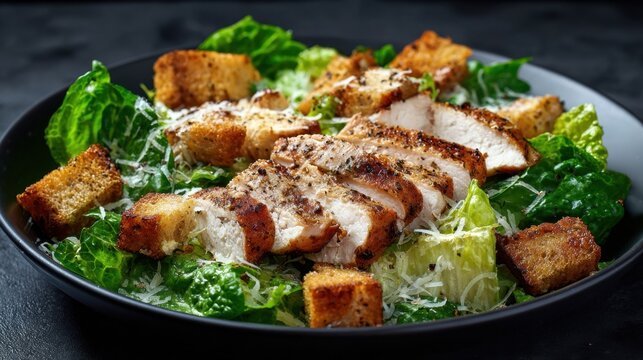
For extra protein, add a couple of anchovy fillets. They melt into the dressing and elevate the whole dish.
Approximate macros per serving: 35g protein | 5g net carbs | 320 calories
11. Pork Tenderloin with Roasted Brussels Sprouts
Pork tenderloin is one of the leanest cuts of meat available — often leaner than chicken breast, gram for gram. Season with Dijon mustard, garlic, rosemary, and salt. Roast at 425°F until the internal temperature hits 145°F. Let it rest for five minutes before slicing.
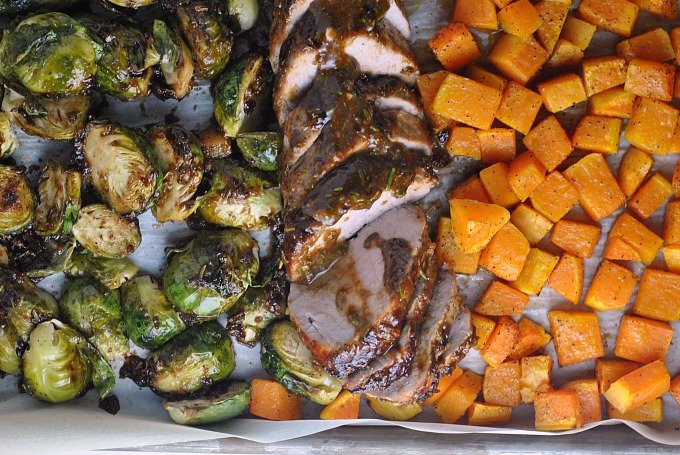
Brussels sprouts roasted in the same pan with olive oil, salt, and a splash of balsamic (just a splash — watch the sugars in balsamic) are a perfect companion.
Approximate macros per serving: 33g protein | 9g net carbs | 330 calories
12. Greek Chicken Bowl (Without the Pita)
Marinate chicken thighs or breasts in lemon juice, olive oil, garlic, oregano, and cumin. Grill or pan-sear. Serve over a bowl of chopped cucumber, tomatoes, kalamata olives, red onion, and crumbled feta — dressed with olive oil and red wine vinegar.
Add a dollop of plain Greek yogurt on the side. Skip the pita or flatbread and you have a high-protein, Mediterranean-style dinner with almost no blood sugar impact.
Approximate macros per serving: 36g protein | 8g net carbs | 350 calories
13. Tuna Avocado Lettuce Boats
Quick, no-cook, and genuinely delicious. Mix canned tuna (in water or olive oil) with diced avocado, lemon juice, Dijon mustard, celery, red onion, salt, and pepper. Spoon into romaine or butter lettuce leaves.
This is also a great option when you’re exhausted and want dinner on the table in under 10 minutes. Use 2 cans of tuna for a full serving.
Approximate macros per serving: 30g protein | 4g net carbs | 310 calories
14. Turkey Meatballs with Zucchini Noodles and Marinara
Make turkey meatballs with ground turkey, egg, Parmesan, garlic, and Italian herbs — skip the breadcrumbs entirely. Bake at 400°F for 20 minutes until golden. Serve over zucchini noodles with a good jarred marinara sauce (look for one with no added sugar, around 5–7g carbs per half-cup serving).
Approximate macros per serving: 32g protein | 10g net carbs | 340 calories
15. Pan-Seared Duck Breast with Sautéed Kale
Duck is underused in everyday home cooking, which is a shame — it’s rich, satisfying, and the skin renders down into something extraordinary. Score the skin, season with salt and five-spice powder, and start it cold in a skillet over medium heat to render the fat slowly. Flip once and finish in the oven at 375°F for 8–10 minutes.
Serve with garlicky sautéed kale or Swiss chard. It feels like a special occasion meal. It’s actually a Tuesday.
Approximate macros per serving: 34g protein | 4g net carbs | 390 calories
Tips for Preparing Diabetic-Friendly Dinners
These are the small habits that separate people who consistently eat well from people who eat well for a week and then return to old patterns.
Batch cook your proteins on Sunday. Grill a batch of chicken, brown a pound of ground turkey, hard boil some eggs. When protein is already cooked and in the fridge, putting together a low-carb dinner takes minutes instead of the 45 minutes that lead to ordering pizza.
Keep low-carb pantry staples on hand. Canned wild salmon, tuna, sardines, olive oil, tamari, Dijon mustard, canned tomatoes with no added sugar, and a good hot sauce mean you can always build something.
Read labels on sauces and condiments. This is where hidden carbs and sugar live. Many jarred pasta sauces, ketchups, teriyaki sauces, and salad dressings contain 5–12g of sugar per serving. Swap for low-sugar versions or make your own.
Invest in a spiralizer. It sounds like a gimmick until you use it twice. Zucchini noodles, cucumber ribbons, sweet potato noodles (in moderation) — a spiralizer makes vegetable-based alternatives to pasta genuinely enjoyable.
Monitor after meals, not just before. Checking blood glucose 1–2 hours after dinner tells you how specific meals affect your body. Everyone’s glucose response is slightly different, and this feedback is incredibly valuable for personalizing your eating.
Helpful Kitchen Tools (Amazon Picks)
These are tools that genuinely make low-carb, diabetic-friendly cooking easier and more consistent.
| Product | Link |
|---|---|
| OXO Good Grips Spiralizer | View on Amazon |
| Instant-Read Meat Thermometer | View on Amazon |
| Cast Iron Skillet (10–12 inch) | View on Amazon |
| Sheet Pan Set (Half-Sheet) | View on Amazon |
| EatSmart Precision Digital Kitchen Scale | View on Amazon |
| Cuisinart Non-Stick Wok | View on Amazon |
Leave a Reply